

32 min walk
Regina Mundi
- Must see
- Place of worship
Language · 11 published
Activity · Johannesburg
Reviewed by Elena Voss · SSMTour Travel Editor
Read from the OpenStreetMap access tags; anything not listed has no tag recorded.
Set the group type to family in the planner and the day window contracts to about three quarters of a solo day.
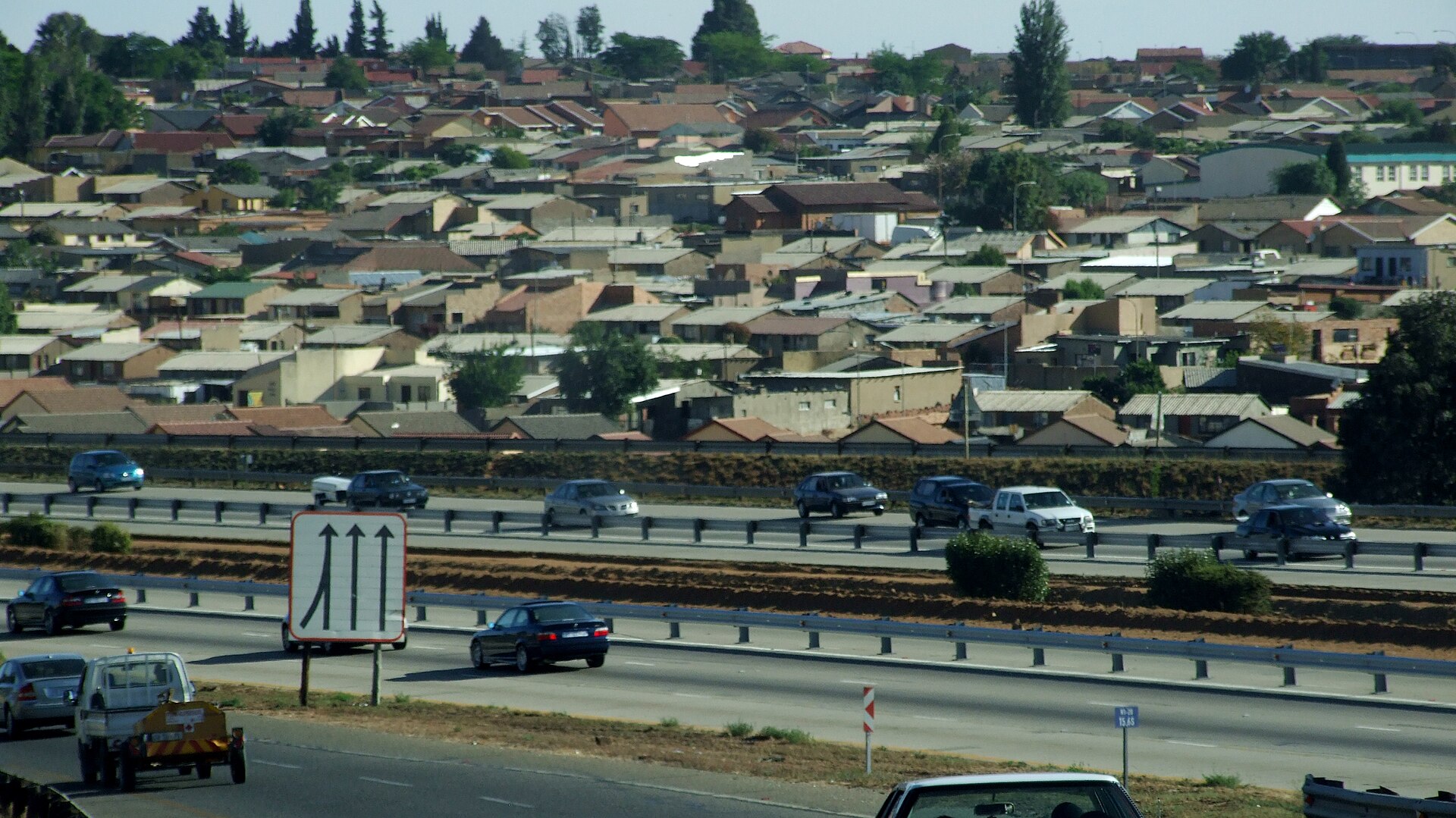
Soweto is a township southwest of Johannesburg, South Africa, established as a segregated residential area during apartheid. It became central to the anti-apartheid struggle, notably the 1976 Soweto Uprising. Today it functions as Johannesburg's most significant living-history destination, combining political memory with contemporary urban culture. Vilakazi Street serves as the primary visitor focus, notable as the only street worldwide to have housed two Nobel Peace Prize winners. The area encompasses diverse neighbourhoods rather than a single managed attraction. A flexible visit lets travellers connect Soweto with the rest of the day without treating one room, viewpoint or photograph as the whole experience. The useful pace depends on personal interest and conditions on arrival.
Checked 2026-08-26
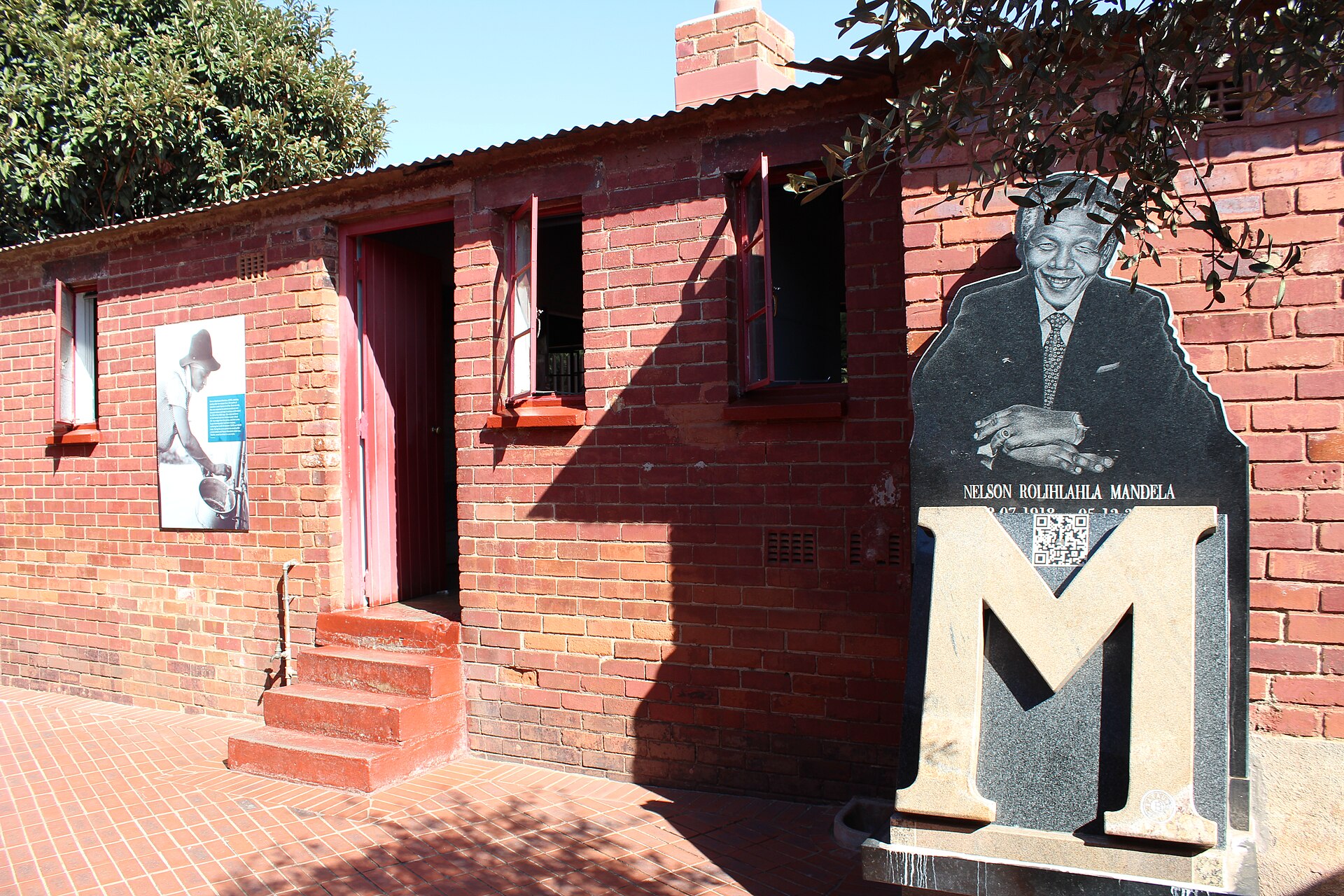
Vilakazi Street contains the Mandela House museum and the former residence of Archbishop Desmond Tutu. Hector Pieterson Memorial and Museum commemorates the 1976 student uprising. The area includes informal settlements alongside formal housing, shebeens, restaurants, and street commerce. Orlando Towers, former power station cooling towers, stand as visual landmarks. Various guided tour operators traverse multiple neighbourhoods. The township presents layered narratives of struggle, daily life, entrepreneurship, and cultural production without a unified entrance or contained site boundary. Soweto also earns time in a johannesburg itinerary because WIKIDATA_EDITORIAL reconciliation for the ranked entry; identity and coordinates were verified without a nearby fallback. Its value becomes clearer when the stop is compared with the surrounding streets and the other ranked places nearby.
Checked 2026-08-26
Visitors typically allocate half a day to a full day for Soweto exploration, depending on depth of engagement. A Vilakazi Street-focused visit with Mandela House and the Hector Pieterson Memorial requires several hours. Extended experiences incorporating broader neighbourhood touring, meals at local establishments, or interaction with community projects demand longer. Self-directed visitors may move more quickly; guided tours generally structure timing. The absence of a single consolidated site means duration expands with the number of locations and activities selected by individual visitors.
Checked 2026-08-26
Soweto operates as a living residential and commercial area without formal opening or closing. Individual attractions maintain independent schedules. Weather considerations apply: Johannesburg's summer brings afternoon thunderstorms and intense heat; winter days are mild and sunny with cold evenings. Weekend visitation may differ from weekday patterns due to local rhythms. Visitors should verify specific site accessibility directly with intended destinations rather than assuming uniform operating times across the township's dispersed points of interest. Check the operator's own site for the travel date before relying on a schedule or fare.
Checked 2026-08-26
No single admission applies to Soweto as a whole. Individual attractions set separate entry requirements. Mandela House charges admission; Hector Pieterson Memorial may operate with donation or fee structures. Guided tour packages bundle multiple stops with varying inclusions. Street access and general neighbourhood presence incur no cost. Visitors should establish costs directly with specific venues or tour providers before arrival. Cash availability remains advisable given inconsistent card acceptance in informal commercial settings. Check the operator's own site for the travel date before relying on a schedule or fare.
Checked 2026-08-26
Soweto lies approximately fifteen kilometres southwest of Johannesburg's central business district. Access options include guided tour vehicles, metered taxis, and ride-hailing services. Public minibus taxis serve the area but require local knowledge for navigation. The Rea Vaya bus rapid transit system connects certain Johannesburg points to Soweto stations. Self-driving presents navigation challenges and parking uncertainties in unmarked areas. Most international visitors utilise organised tours for logistical simplicity and interpretive support. Road infrastructure varies significantly between formal and informal settlement areas.
Checked 2026-08-26
Soweto contains areas of substantial poverty alongside more developed neighbourhoods; visitors should remain alert to surroundings and avoid displaying valuables. Road conditions vary; informal settlement areas lack formal infrastructure. Water and sanitation services are unevenly distributed. Some visitors may experience emotional intensity at memorial sites. Photography of individuals requires explicit consent. Nighttime self-navigation is inadvisable without local guidance. Tour selection warrants scrutiny: verify operator credentials and community benefit arrangements. The area remains actively residential; visitor behaviour should respect ongoing daily life and private spaces.
Checked 2026-08-26
Photographic subjects encompass street scenes, public art, historical monuments, Orlando Towers, and architectural variety from matchbox houses to contemporary construction. The Hector Pieterson Memorial and Mandela House permit photography under stated conditions. Candid photography of residents without permission is inappropriate and may provoke confrontation. Some tour operators advise against visible camera equipment in certain contexts. Morning and late afternoon light favour exterior photography. Memorial interiors may restrict or prohibit photography. Drone operation requires compliance with South African civil aviation regulations and local authorisation.
Checked 2026-08-26
Many visitors tour Soweto without incident, particularly with established guides. Caution applies as in any large urban area with economic inequality. Remain aware of surroundings, secure belongings, and avoid unguided exploration of unfamiliar areas after dark.
Self-directed visits are possible, particularly to Vilakazi Street. However, navigation complexity and contextual interpretation challenges lead many visitors to prefer guided experiences. Local knowledge enhances understanding and logistical efficiency.
Comfortable walking shoes are essential. Weather-appropriate clothing considering Johannesburg's high altitude and seasonal variation. Respectful attire is appropriate for memorial and historical sites.
Restaurants, shebeens, and informal food vendors operate in Soweto. Vilakazi Street and surrounding areas contain established dining options. Visitors should exercise standard food safety judgement.
Benefit distribution varies by tour operator and activity. Visitors seeking community benefit should research tour company practices, patronise local businesses directly, and consider whether experiences are genuinely collaborative or merely extractive.
The Mandela House on Vilakazi Street functions as a museum and is not a private residence. Nelson Mandela lived there prior to his imprisonment and briefly after release; it has since been converted for public visitation.
Loading the interactive map…
The interactive map could not be loaded.
Last updated:
Source: OpenStreetMap contributors, Wikidata ·