

41 min walk
Goodman Gallery
- Must see
- Art and culture venue
Language · 11 published
Nature site · Johannesburg
Reviewed by Elena Voss · SSMTour Travel Editor
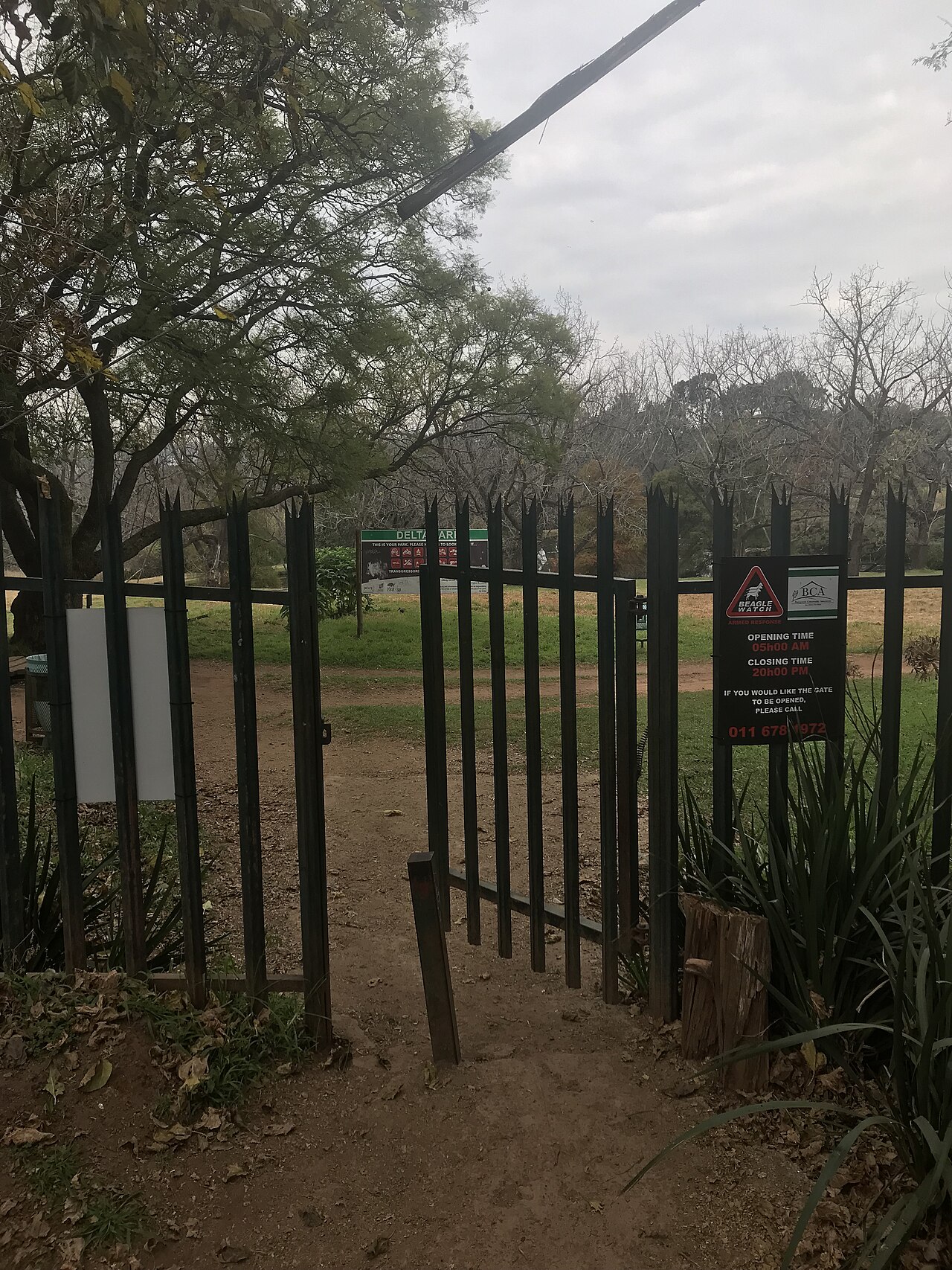
Read from the OpenStreetMap access tags; anything not listed has no tag recorded.
Set the group type to family in the planner and the day window contracts to about three quarters of a solo day.
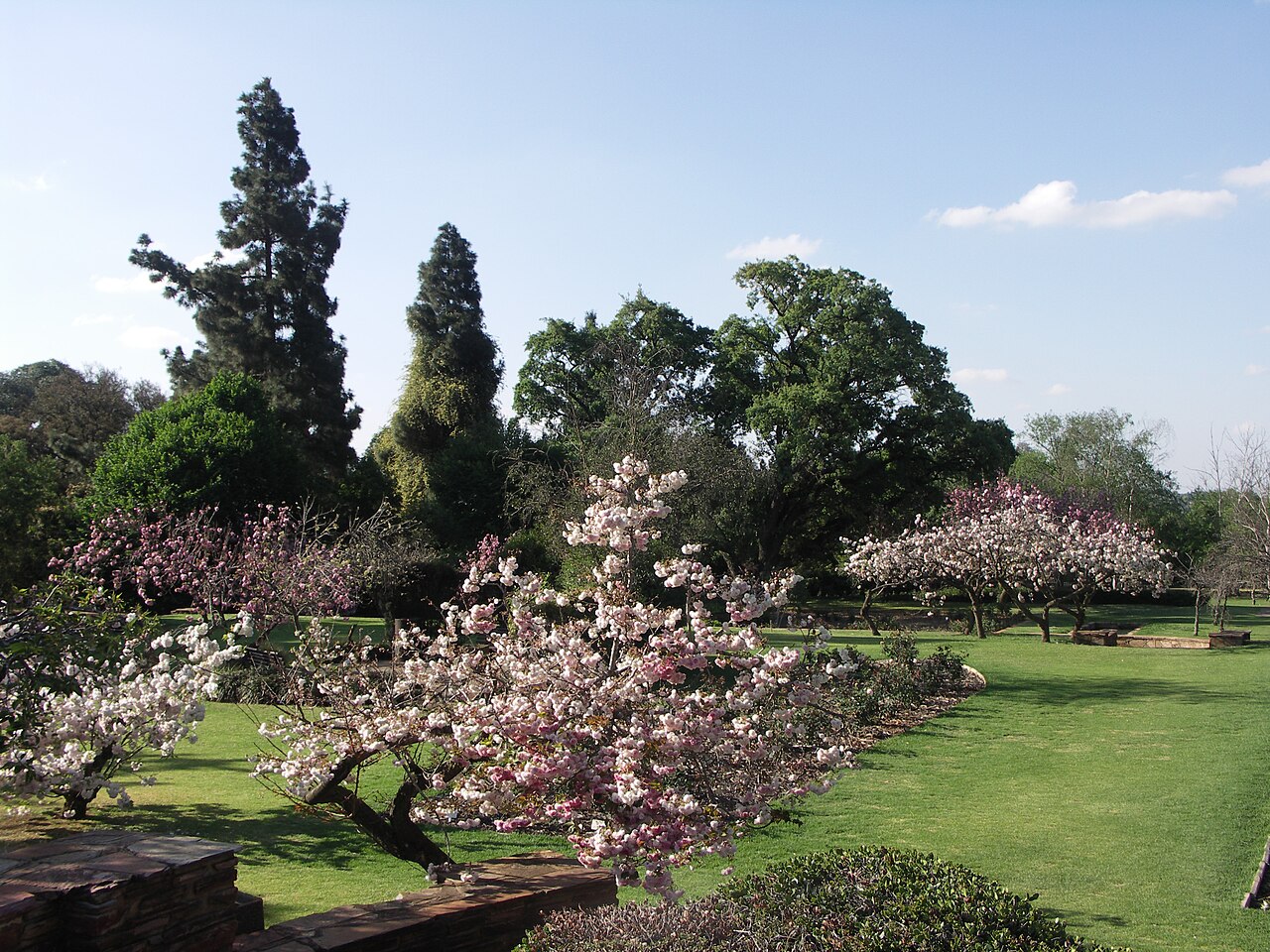
Delta Park is a large northern-suburbs park and wetland reserve in Johannesburg. It protects an area of open landscape within the metropolitan environment, combining public recreation with conservation. The wetland gives the place its strongest identity and creates habitat for vegetation, birds and other small wildlife. Travellers can use the park as an urban nature escape, with walking routes that provide access to a substantial green area without a journey beyond the city. Delta Park is a large park and wetland reserve situated in Johannesburg's northern suburbs. It functions as a conservation-focused green space within the metropolitan area, providing habitat for local wildlife and vegetation. The park is identified by its wetland characteristics and serves as an ecological corridor in an otherwise urbanised environment. Its primary purpose combines public recreation with environmental preservation, offering visitors access to natural landscapes without leaving the city. The park represents one of the more substantial green areas in Johannesburg's northern suburban region. Standard urban park precautions apply. Visitors should exercise awareness of surroundings, secure valuables, and consider visiting during daylight hours.
Checked 2026-08-26 · Source
Walking routes cross wetland and surrounding Highveld landscapes, creating several ways to experience the park's natural character. Expect open ground, water-adjacent areas, indigenous vegetation and habitat used by birdlife. The reserve is conservation-focused, so the pleasure comes from observing changing landscape rather than from a dense collection of built attractions. Move at a slower pace near the wetland, where vegetation, water and birds create the most rewarding details for nature observation and photography. The park contains walking routes that traverse its varied terrain, allowing visitors to explore the wetland and surrounding landscapes. As a conservation-focused reserve, it supports indigenous flora and fauna typical of the Highveld region. The wetland component forms a significant part of the park's ecological identity. Visitors should expect a predominantly natural environment rather than developed recreational infrastructure. The conservation emphasis suggests maintained but not heavily modified landscapes.
Checked 2026-08-26 · Source
A brief visit can be built around a short walk and a look across the wetland. Longer outings suit visitors who want to cover more than one route, spend time watching birds or compare the park's wetter and drier landscapes. Delta Park's size makes the experience flexible rather than fixed. Comfortable shoes, weather and personal fitness all affect the pace, so choose a route that leaves time to return without rushing.
Checked 2026-08-26 · Source
Morning and late afternoon are comfortable periods for walking and can bring better conditions for observing birdlife. Johannesburg summers are warm and can bring afternoon thunderstorms, while winter is generally drier and often clearer. Rain may make the wetland landscape more visually active, but it can also soften the ground and complicate walking. Seasonal changes affect vegetation and the appearance of water, giving the reserve a different character across the year.
Checked 2026-08-26 · Source
Delta Park's main appeal is its open wetland landscape and walking routes rather than a ticketed exhibition or enclosed attraction. Plan for a self-directed visit focused on conservation, walking and wildlife observation. The absence of built attractions is part of the experience: bring attention to the wetland, vegetation, birds and changing light rather than expecting a programmed schedule.
Checked 2026-08-26 · Source
Delta Park lies in Johannesburg's northern suburbs and is reached through the suburban road network. A private vehicle or ride service is a practical choice for the approach. Traffic can change the journey time, particularly at busy periods. Once at the park, leave enough time for the walking route rather than treating the entrance as the entire visit.
Checked 2026-08-26 · Source
Wetland edges can have uneven, muddy or water-adjacent ground, so shoes with reliable grip are useful after rain. Keep a respectful distance from birds and other wildlife, and avoid entering sensitive vegetation. Summer storms can arrive quickly, especially during an afternoon walk. Delta Park is large enough that route planning matters; tell someone where you are going and keep track of the return direction. Secure valuables and remain aware of your surroundings in this urban setting.
Checked 2026-08-26 · Source
The wetland provides photographs of water, grasses, indigenous vegetation and birdlife, while the park's scale allows wider landscape compositions. Early and late light can soften the surface of the water and add definition to plant forms. Overcast conditions reduce harsh contrast, and recent rain may bring richer colour and reflections. Carry equipment in a way that protects it from dust and moisture. Stay on suitable paths and avoid approaching wildlife for a closer frame.
Checked 2026-08-26 · Source
It is known for its large northern-suburbs setting, wetland landscape, walking routes and conservation focus within Johannesburg.
The wetland and surrounding Highveld habitat support birdlife, indigenous vegetation and typical small wildlife associated with an urban nature reserve.
Wear comfortable shoes with good grip, particularly after rain when wetland edges and walking surfaces may become muddy or uneven.
A short walk can fit into a brief stop, while birdwatching and exploring several routes call for a longer outing.
Morning and late afternoon are generally comfortable for walking; winter is drier, while summer afternoons can bring thunderstorms.
Good subjects include wetland water, grasses, indigenous plants, birdlife, reflections and broad natural views across the park.
Loading the interactive map…
The interactive map could not be loaded.

Last updated:
Source: OpenStreetMap contributors, Wikidata ·