
15 min walk
Baxter Theatre Centre
- Must see
- Art and culture venue
Language · 11 published
Historic monument · Cape Town
Reviewed by Elena Voss · SSMTour Travel Editor
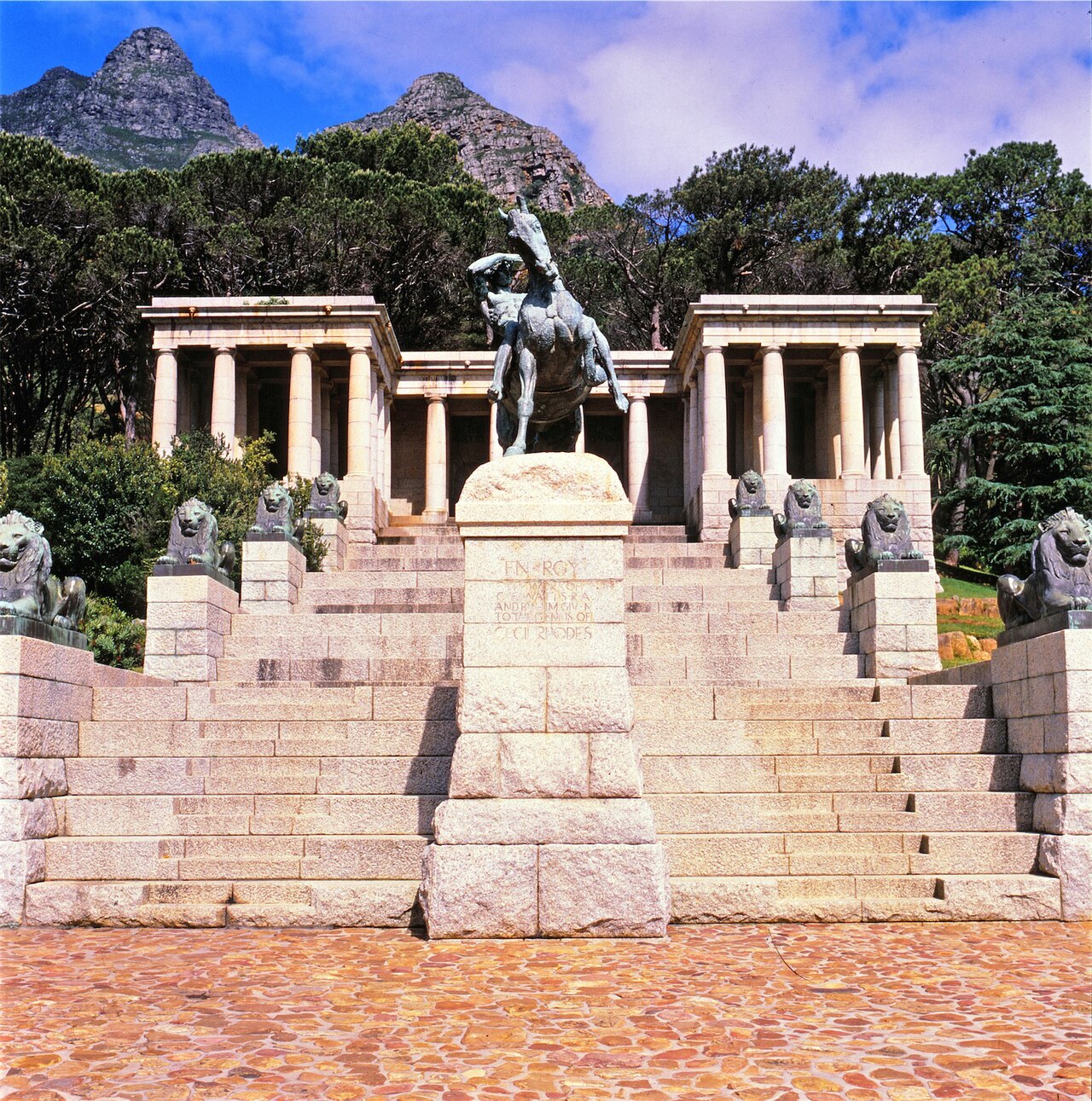
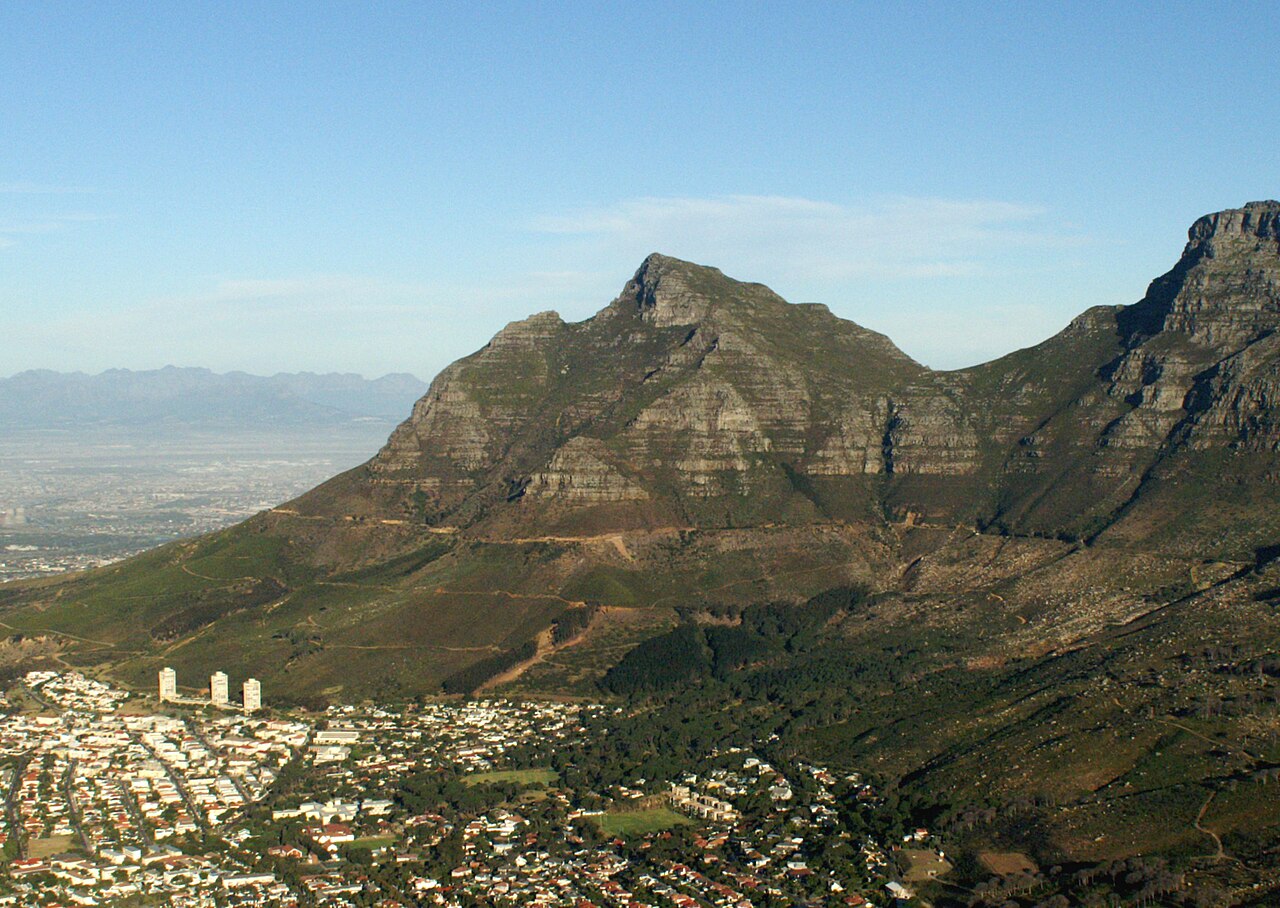
Rhodes Memorial is a mountainside monument on the slopes of Devil’s Peak in Cape Town. It commemorates Cecil John Rhodes, whose colonial legacy remains deeply contested. The site combines a prominent historical landmark with broad views over the Cape Flats. Visiting it means engaging with both the monument’s grand imperial design and the difficult history surrounding its subject. Rhodes Memorial is a mountainside monument located on the slopes of Devil's Peak in Cape Town. It was constructed in memory of Cecil John Rhodes, the British colonialist and mining magnate whose legacy remains deeply contested. The memorial occupies a prominent position with commanding views over the Cape Flats and surrounding areas. Its location and historical significance make it a notable, though controversial, landmark within the city's heritage landscape. The site forms part of ongoing public discourse about colonial monuments and their place in contemporary South Africa. Visitors should verify accessibility before travelling. No fee structure is documented.
Checked 2026-08-26 · Source
The memorial’s main composition includes a bronze seated statue of Cecil John Rhodes, a grand staircase, and eight bronze lions. Classical architectural elements frame the monument, while the surrounding open mountain setting provides viewpoints across the Cape Flats. There is no museum or exhibition centre on the site, so the visit focuses on the monument, architecture, landscape, and its contested meaning. The memorial complex features a bronze statue of a seated Cecil John Rhodes, designed by sculptor John Macallan Swan. Eight bronze lions flank a grand staircase leading up to the monument. The architectural design incorporates classical elements typical of imperial commemorative structures. The surrounding area includes open spaces and vantage points. The physical components reflect the monument's original purpose as a grand colonial statement. Visitors should note that the site contains no museum, exhibition centre, or interpretive displays. The memorial's content and presentation remain as originally conceived, without contemporary contextualisation installations.
Checked 2026-08-26 · Source
Plan around thirty minutes to one hour for a focused visit. That gives time to climb the staircase, view the statue and lions, and pause at the outlook. Visitors who enjoy landscape photography or want more time with the site’s history may stay longer. The stepped approach also means that movement speed and comfort will shape the visit. A visit to Rhodes Memorial typically requires between thirty minutes and one hour for most visitors. This duration allows for ascending the staircase, viewing the statue and architectural elements, and appreciating the panoramic outlook over the Cape Flats. The site contains no structured itinerary or guided route. Visitors seeking extended stays may linger at the viewpoints.
Checked 2026-08-26 · Source
Choose a clear daytime period if the Cape Flats panorama is important to you. Morning can bring calmer conditions before afternoon winds develop. Cape Town’s winter months are wetter, while summer is generally drier. The elevated outdoor setting makes weather part of the experience, and daylight is the practical time for seeing the monument, steps, and surrounding views.
Checked 2026-08-26 · Source
The memorial is an outdoor monument and the visit is centred on its staircase, statue, lions, and viewpoints. Plan the stop as a heritage and landscape visit rather than a ticketed museum experience. The practical focus is reaching the monument and spending time in the open setting. Any wider Cape Town itinerary should leave room for weather and hillside movement.
Checked 2026-08-26 · Source
Rhodes Memorial stands on the eastern slopes of Devil’s Peak, with road approaches from the Rondebosch and Mowbray sides of Cape Town. A private vehicle or ride service is the most direct practical choice for the elevated hillside setting. The route is not a level city walk, so plan transport around the climb and the site’s mountain position.
Checked 2026-08-26 · Source
The staircase and hillside terrain require care, especially in changing weather. Uneven surfaces, steep edges, and strong mountain wind can affect the visit. The monument’s colonial subject is politically and emotionally sensitive, so approach the site with respect for the different perspectives it evokes. Stay alert to your surroundings and supervise children around steps and exposed areas.
Checked 2026-08-26 · Source
Rhodes Memorial offers strong compositions of the Cape Flats, the seated bronze statue, the lion figures, the staircase, and the classical architecture. Clear weather gives the widest landscape views. Morning and midday light can define the monument’s forms, while the exposed steps require secure handling of cameras. Treat the subject with sensitivity when photographing a contested colonial landmark.
Checked 2026-08-26 · Source
Rhodes Memorial is on the eastern slopes of Devil’s Peak in Cape Town, reached by roads from the Rondebosch and Mowbray areas.
The site includes a bronze seated statue of Cecil John Rhodes, eight bronze lions, a grand staircase, classical architecture, and views over the Cape Flats.
A focused visit generally takes about thirty minutes to one hour, with extra time useful for photography and the surrounding views.
Clear daytime weather gives the best opportunity for seeing across the Cape Flats. Morning may bring calmer conditions before afternoon winds develop.
Yes. The monument commemorates Cecil John Rhodes, whose colonial legacy remains deeply contested in South Africa and shapes how many visitors understand the site.
There is no museum or exhibition centre on the site; the visit focuses on the monument, architecture, outdoor setting, and views.
Loading the interactive map…
The interactive map could not be loaded.
Last updated:
Source: OpenStreetMap contributors, Wikidata ·