
.jpg)
.jpg)


1 min walk · Stari Grad
Fresco Gallery
- High
- Art and culture venue
Language · 1 published
Museum · Градска општина Стари град, Belgrade
Јеврејски историјски музеј
| Monday | 08:30 – 15:30 |
|---|---|
| Tuesday | 08:30 – 15:30 |
| Wednesday | 08:30 – 15:30 |
| Thursday | 08:30 – 15:30 |
| Friday | 08:30 – 15:30 |
| Saturday | Closed |
| Sunday | Closed |
Parsed from OpenStreetMap opening hours on 2026-08-25.
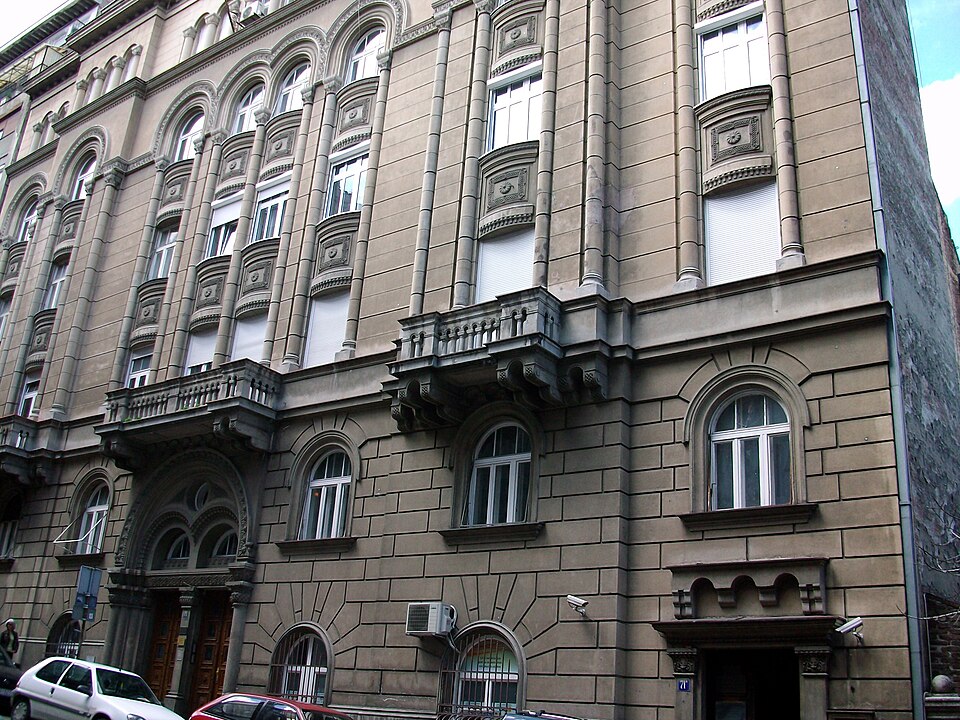
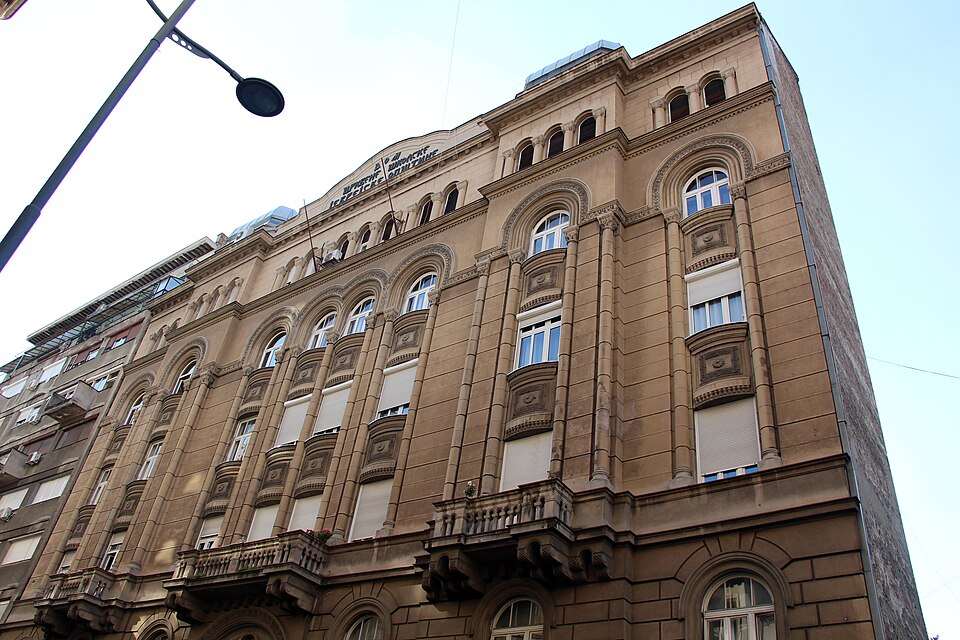
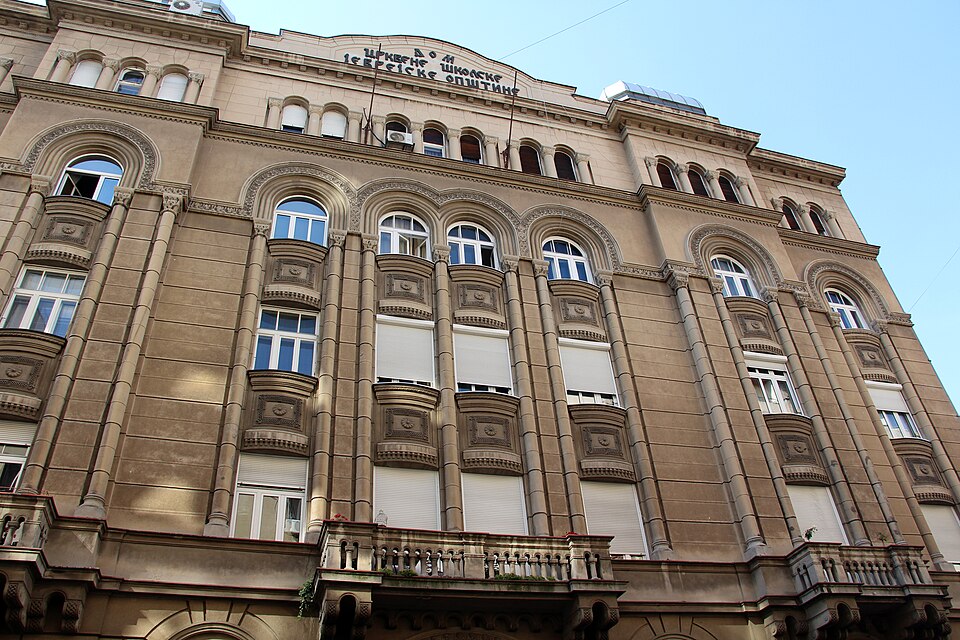
The Jewish Historical Museum (Jevrejski istorijski muzej) opened in 1948, founded by the historian Lavoslav Kadelburg and colleagues under the Federation of Jewish Communities of Yugoslavia, and it remains housed inside the federation's own building on Kralja Petra street in Belgrade's old town rather than in a standalone museum building.
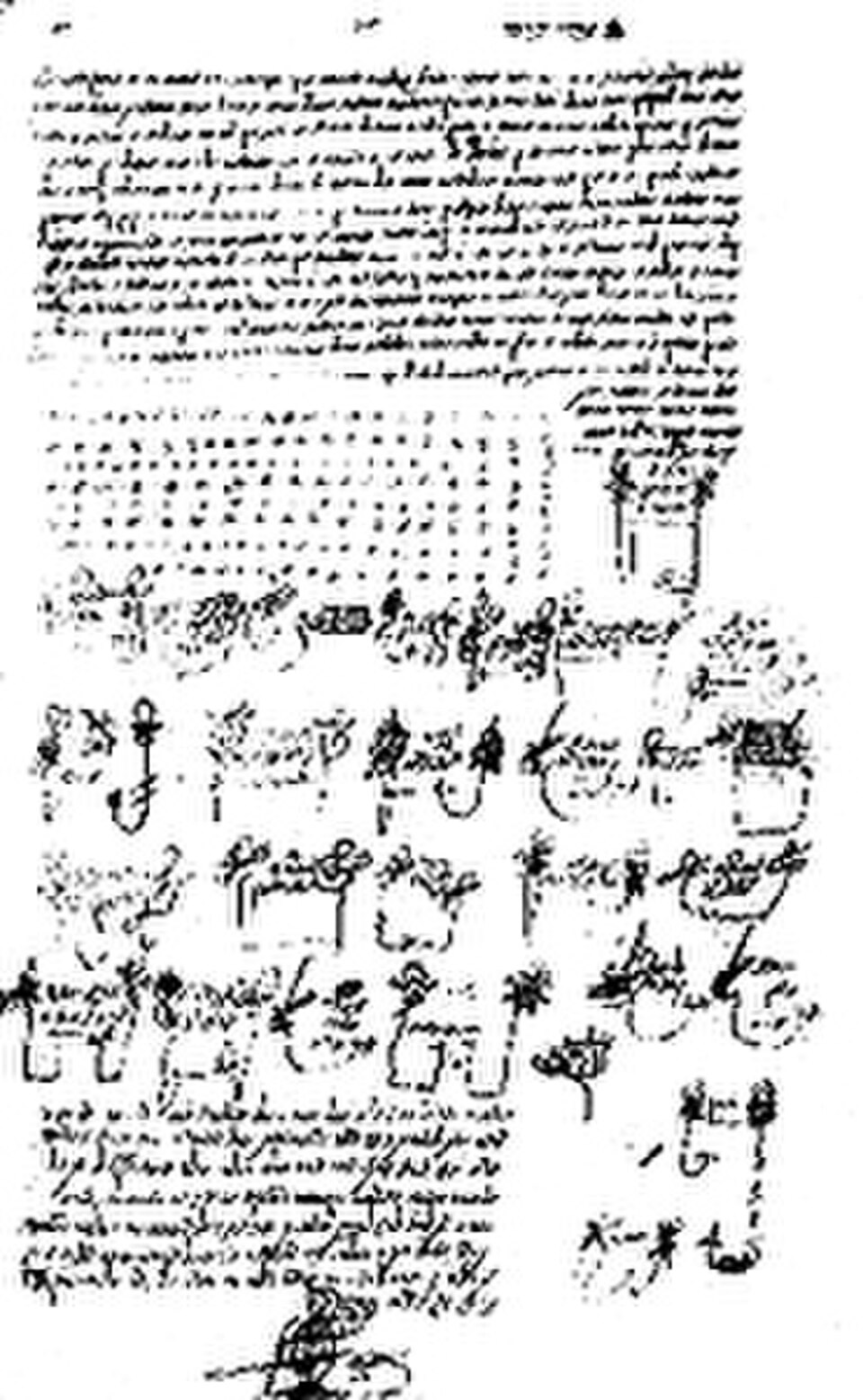
Its collection documents roughly two thousand years of Jewish presence in the Balkans, from Roman-era settlement through the Sephardic and Ashkenazi communities that grew across Serbia, to the near-destruction of Serbian Jewry in the Holocaust, when more than ninety percent of the country's Jews were killed. Founding the museum so soon after the war, while survivors and their testimony were still close at hand, shaped its collecting policy from the start: much of its archive rests on material gathered directly from surviving families across former Yugoslavia rather than acquired later from dealers or estates. Belgrade's own Jewish community, concentrated before the Second World War in the Dorcol district along the Danube, was among the communities most heavily affected by the German occupation, and the museum's founders included people who had lived through that occupation themselves rather than historians working from a later remove.
Checked 2026-08-24 · Source
The permanent exhibition follows Jewish settlement and community life across the Balkans, the distinct Sephardic communities that arrived after the 1492 expulsion from Spain and the Ashkenazi communities that settled later, synagogue and ritual objects, and a dedicated section on the Holocaust in occupied Serbia, drawing on the federation's own archive of community and family records. Photographs and personal documents recovered from families across the former Yugoslav republics sit alongside items from Belgrade's own prewar Jewish quarter, giving the exhibition both a national and a distinctly local layer. A section on postwar emigration follows the community's history past 1945, tracing how much of what remained of Yugoslavia's Jewish population left for Israel in the years after the state's founding, which is why the community the museum now serves is far smaller than the one its collection documents. What remains of the community today is concentrated in Belgrade and a handful of other Serbian cities, and the federation that runs the museum is also the body that represents that much-reduced community in its dealings with the state.
Checked 2026-08-24 · Source
Allow about an hour for the permanent exhibition, since the galleries occupy a limited footprint inside the community building rather than a purpose-built museum floor plan. A visitor reading every panel and archival caption in full can run closer to ninety minutes, particularly through the Holocaust section.
Checked 2026-08-24
The museum has historically kept limited weekday hours rather than a full daily schedule, and visits outside those hours have sometimes needed advance notice to the federation office; the current schedule is not recorded here and should be checked before a visit.
Checked 2026-08-24
Admission price is not recorded here; museums of this kind in Belgrade commonly operate on free or donation-based entry, but this should be confirmed with the museum rather than assumed. Because the museum sits inside the federation's working offices, a group planning a visit does better to ask about entry terms in the same call that confirms the opening time.
Checked 2026-08-24
The museum sits on Kralja Petra street in the old town, within easy walking distance of Students' Square and the Belgrade City Museum, served by the tram and trolleybus lines that run along Kralja Petra and Vasina. It sits close enough to those other old-town stops to be added to the same walking route without a detour.
Checked 2026-08-24
Because the museum sits inside a working community building rather than a dedicated museum entrance, ring ahead or check the current visiting notice before arriving, particularly outside its published core hours. Photography of some archival and Holocaust-related material may be restricted; ask staff rather than assume it is allowed throughout. As with other buildings tied to an active religious or community institution in Belgrade, expect a security check at the entrance and identification may be requested before entry.
Checked 2026-08-24
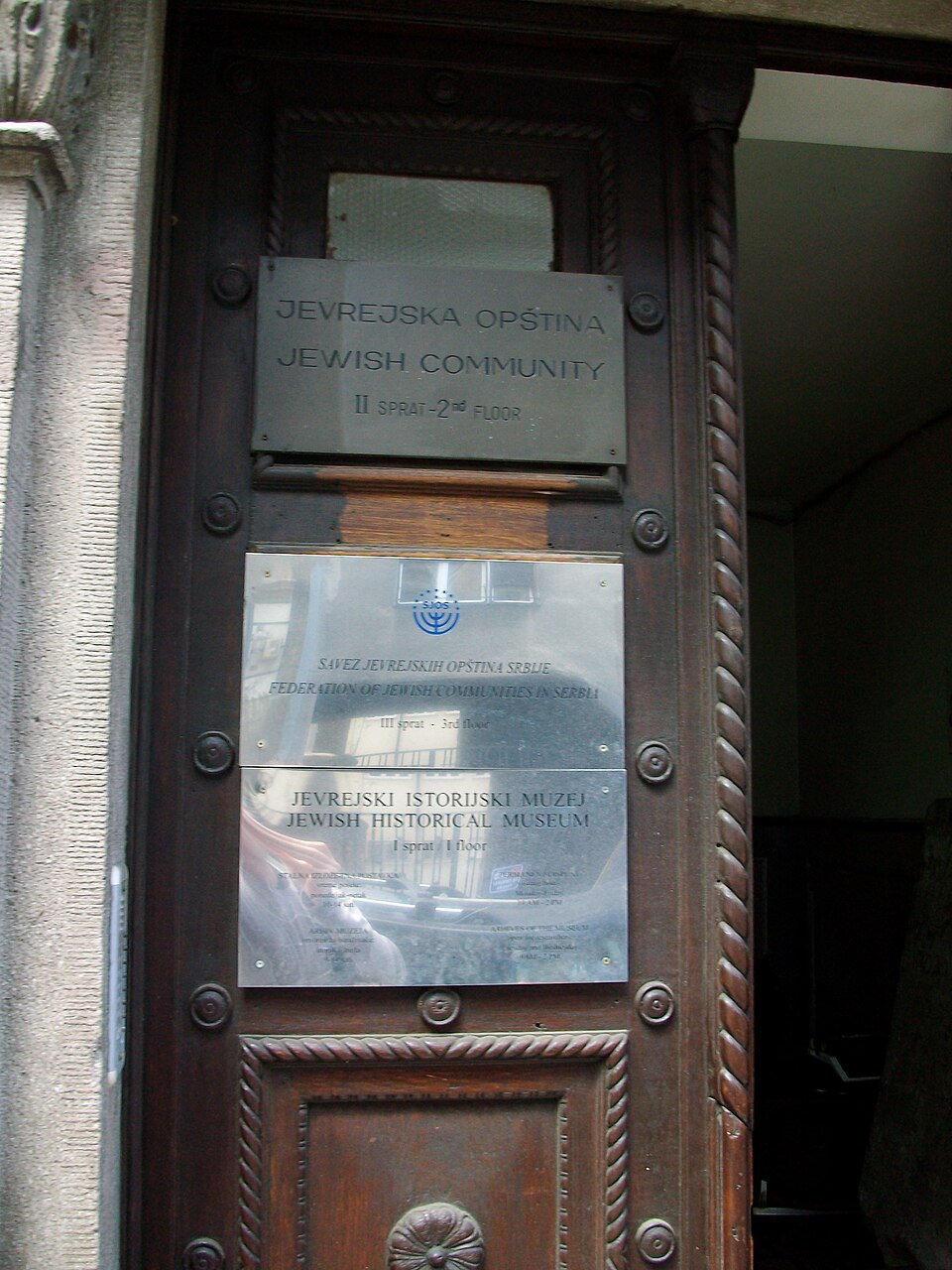
The building's plain street entrance gives little away; inside, photography of the permanent exhibition is generally at staff discretion and is more restricted around the Holocaust section than elsewhere. Ritual and synagogue objects on loan from active congregations are also commonly treated with more care than the general historical displays.
Checked 2026-08-24
In 1948, under the Federation of Jewish Communities of Yugoslavia.
Inside the Federation of Jewish Communities of Serbia's own building on Kralja Petra street in Belgrade's old town, not a standalone museum building.
Roughly two thousand years of Jewish presence in the Balkans, the Sephardic and Ashkenazi communities, and the Holocaust in occupied Serbia, in which more than ninety percent of Serbian Jews were killed.
About an hour for the permanent exhibition.
Visits outside the core hours have sometimes needed advance notice to the federation office; check the current visiting notice before arriving.
Not recorded here; museums of this kind in Belgrade commonly operate on free or donation-based entry, but this should be confirmed with the museum.
Loading the interactive map…
The interactive map could not be loaded.
Last updated:
Source: OpenStreetMap contributors, Wikidata ·