

.jpg)


1 min walk · Stari Grad
Boško Buha Theatre
- High
- Art and culture venue
Language · 1 published
Historic monument · Градска општина Стари град, Belgrade
Антички Сингидунум
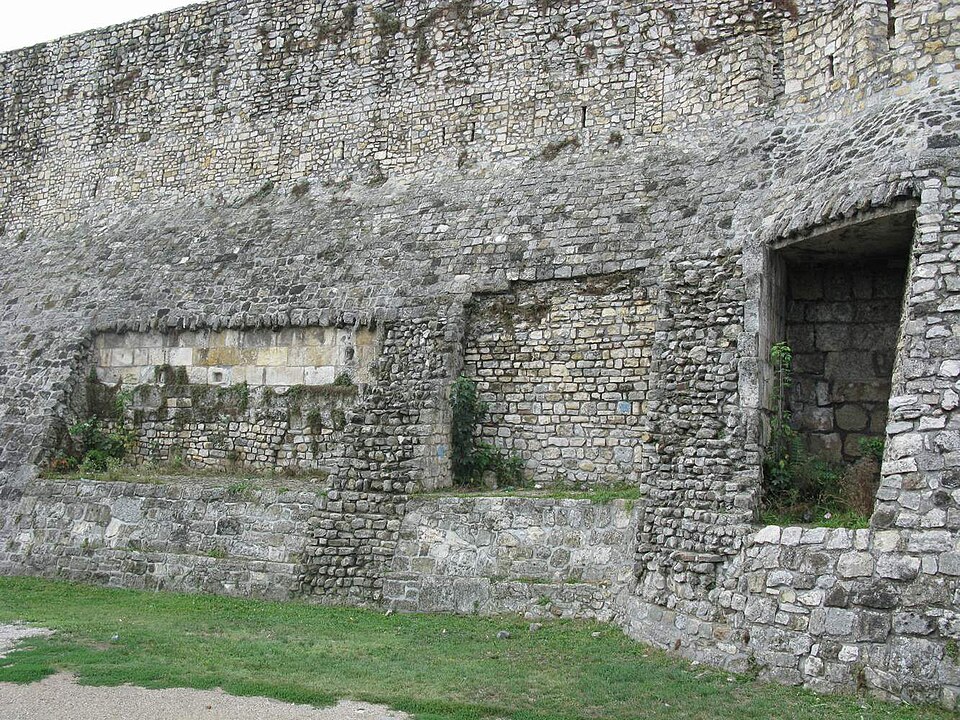
Singidunum is the Roman name for the fortified settlement that stood on the ridge now occupied by Belgrade Fortress, at the point where the Sava River meets the Danube. A Celtic tribe, the Scordisci, built the first fortification here around 279 BC. Rome took the site by force in 75 BC, under the proconsul Gaius Scribonius Curio, and folded it into the province of Moesia, which was formally organised before 6 AD.
What visitors see today at the fortress is not the Roman town itself but the ground it stood on, layered under later Byzantine, Ottoman and Austrian construction. The name Singidunum survives only in inscriptions, coins and the written record; no standing Roman wall remains above ground on the site.
Checked 2026-08-23 · Source
The Roman legionary camp, or castrum, at Singidunum grew from an earthen and timber fort at the turn of the 2nd century AD into a stone fortification covering roughly 16 to 20 hectares, laid out about 570 by 330 metres. The Legio IV Flavia Felix, a unit of around 6,000 soldiers, was stationed here from 86 AD until the middle of the 5th century, the longest single garrison the site held. An earlier unit, the Legio VIII Augusta, occupied it from 46 to 69 AD.
Singidunum sat on the Via Militaris, the Roman military road that ran 924 kilometres from Singidunum toward Constantinople and was built roughly 6 metres wide. The Roman-era layers of the site are now buried beneath the fortress and the surrounding city; excavated fragments of the camp's walls and foundations are shown, where uncovered, inside the fortress grounds rather than as a separate standing site.
Checked 2026-08-23 · Source
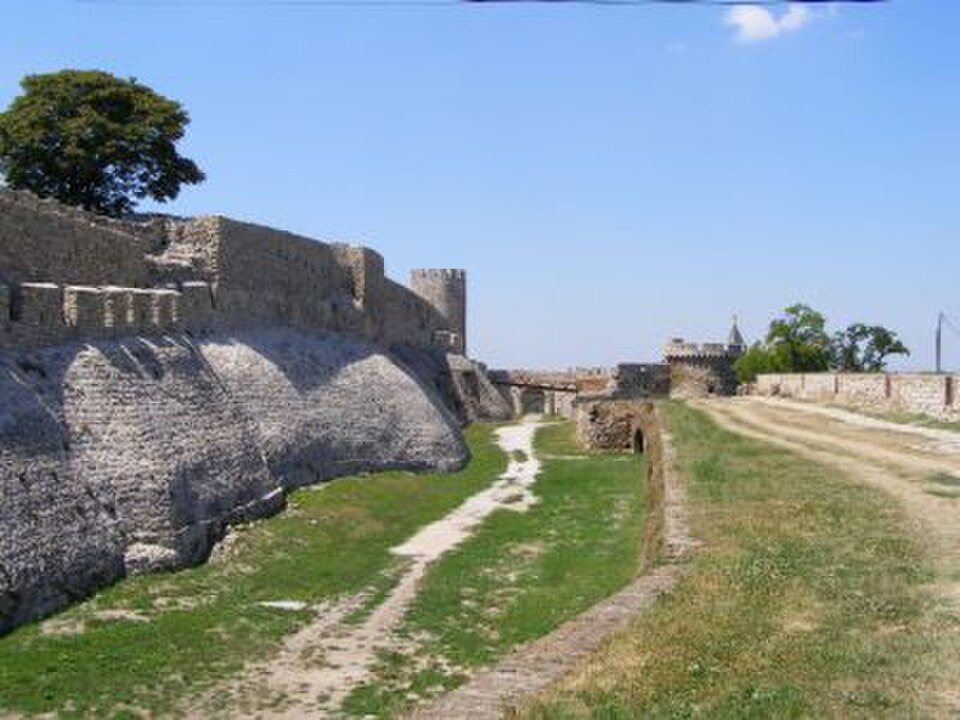
There is no separate ticketed Singidunum site to plan a visit duration for: its physical remains are folded into a visit to Belgrade Fortress and Kalemegdan Park, and the Roman-era traces are seen as part of that longer walk rather than as their own stop. Allow the extra time within a fortress visit, not as an addition to it.
A visitor specifically looking for Roman-period traces should budget 20 to 30 minutes to read the on-site information panels near the Roman well and the excavated sections of the castrum wall, in addition to whatever time is set aside for the fortress and park as a whole.
Checked 2026-08-23

The site is outdoors and unticketed, so there is no seasonal closure to plan around. Early morning or late afternoon avoids the crowds that gather on the fortress ramparts for the river view and gives better, less harsh light for photographing the exposed stonework.
Because the Roman-period remains are unroofed and set into open ground, a dry day makes the difference between comfortably reading the information panels and stepping around puddles on uneven paving.
Checked 2026-08-23
There is no admission fee to see the ground where Singidunum stood: it is part of the free, open public space of Belgrade Fortress and Kalemegdan Park. Some individual structures inside the fortress complex, such as the Military Museum, charge separately, but current rates for those are not published on the sources this page uses and are not reproduced here.
No advance booking or timed entry applies to the outdoor grounds where the Roman camp once stood.
Checked 2026-08-23

Belgrade has no metro, so the fortress grounds where Singidunum stood are reached on foot, by tram or by bus. The old town is walkable from Republic Square and Knez Mihailova, the pedestrian street that leads directly to the fortress gates, a walk of about 15 to 20 minutes at an ordinary pace.
Trams and trolleybuses serving the Kalemegdan and Republic Square area stop within a short walk of the fortress entrance; a visitor without a car can rely entirely on the walkable centre and the tram network to reach the site.
Checked 2026-08-23

Because Singidunum's remains sit underneath and around a much later fortress, it is easy to walk past the Roman-era traces without noticing them: they are marked by information panels rather than by a fenced-off monument, so a visitor looking specifically for Roman history should read the panels near the Upper Town ramparts and the Roman well rather than expect a dedicated museum building.
The surrounding ground is uneven medieval and Ottoman-era stonework, so flat, closed shoes matter more here than at a paved city square. There are no dress or conduct restrictions specific to this part of the site, since it is open parkland rather than a religious or ticketed building; ordinary park-safety precautions with bags and valuables apply, as at any busy open public space.
Checked 2026-08-23
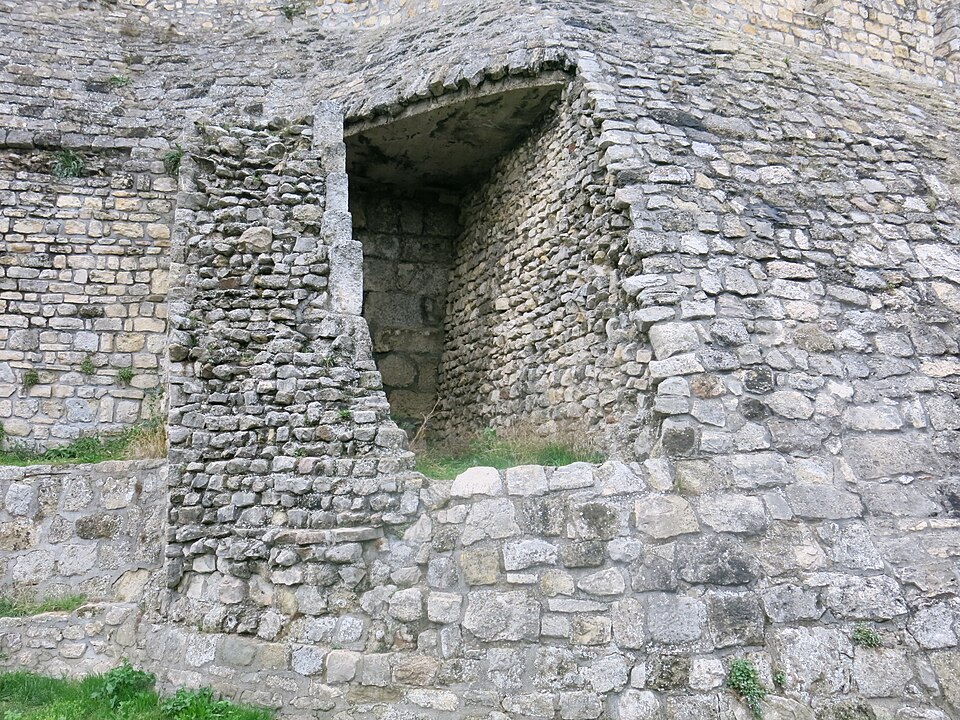
Photography of the open fortress grounds and the exposed sections of the Roman castrum wall is unrestricted, since this is public outdoor space. There is no flash-restriction or no-photography rule attached to this part of the site, unlike the interiors of some fortress museums.
The clearest views of the excavated stonework come with low, angled sunlight, which is available in the first and last hour of daylight; midday sun flattens the texture of the old wall foundations and makes the different construction phases harder to distinguish in a photograph.
Checked 2026-08-23
A Celtic tribe, the Scordisci, built the first fortification on the site around 279 BC. Rome captured it in 75 BC under proconsul Gaius Scribonius Curio.
The Legio IV Flavia Felix, a unit of about 6,000 soldiers, garrisoned Singidunum from 86 AD until the middle of the 5th century.
The stone castrum covered roughly 16 to 20 hectares and measured about 570 by 330 metres.
It was sacked by the Huns in 441 AD, rebuilt by Emperor Justinian I in 535 AD, sacked again by the Avars in 584 AD, and finally destroyed by the Avars before 614 AD.
The Slavic name Beograd is first mentioned in writing in 878 AD.
No. The Roman-period remains are integrated into the grounds of Belgrade Fortress and Kalemegdan Park rather than kept as a separate site.
Loading the interactive map…
The interactive map could not be loaded.
Last updated:
Source: OpenStreetMap contributors, Wikidata ·