
.jpg)


1 min walk · Stari Grad
Baroque Gate
- High
- Historic monument
Language · 1 published
Historic monument · Градска општина Стари град, Belgrade
Београдска тврђава
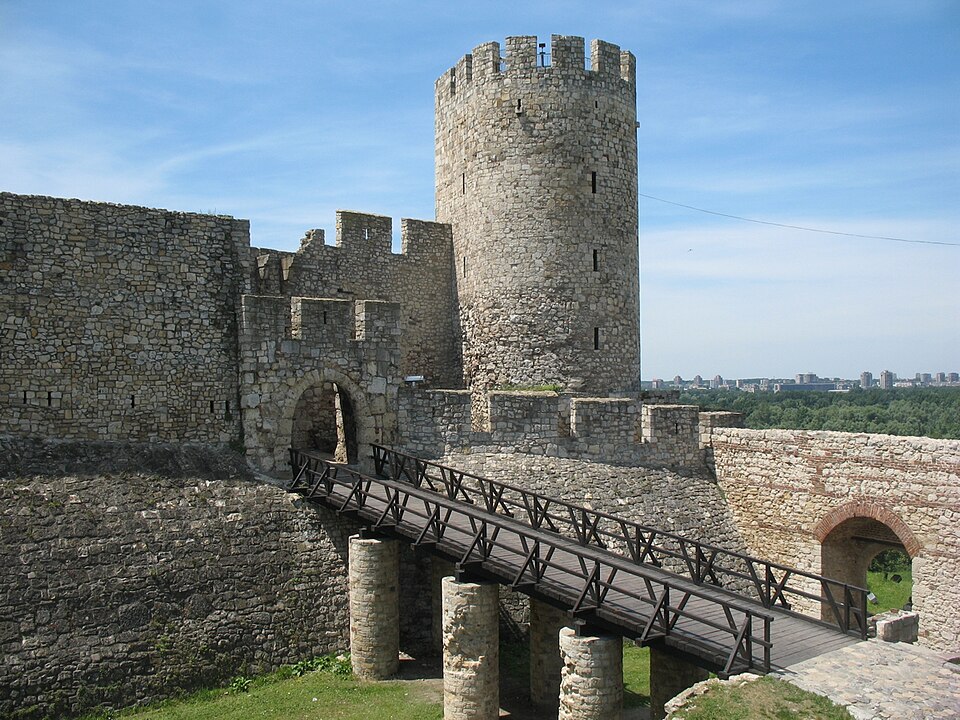
The Belgrade Fortress is 66 hectares of wall on the point where the Sava meets the Danube, and almost every empire that has held the Balkans has rebuilt it.
It began as a Celtic settlement and became the Roman camp of Singidunum: Legio IV Flavia Felix arrived in 86 AD and stayed until the mid fifth century, leaving a stone fortification of 16 to 20 hectares.
Despot Stefan Lazarević made Belgrade his capital in 1402 and rebuilt it as a medieval fortress with an Upper Town castle and a Lower Town of trade.
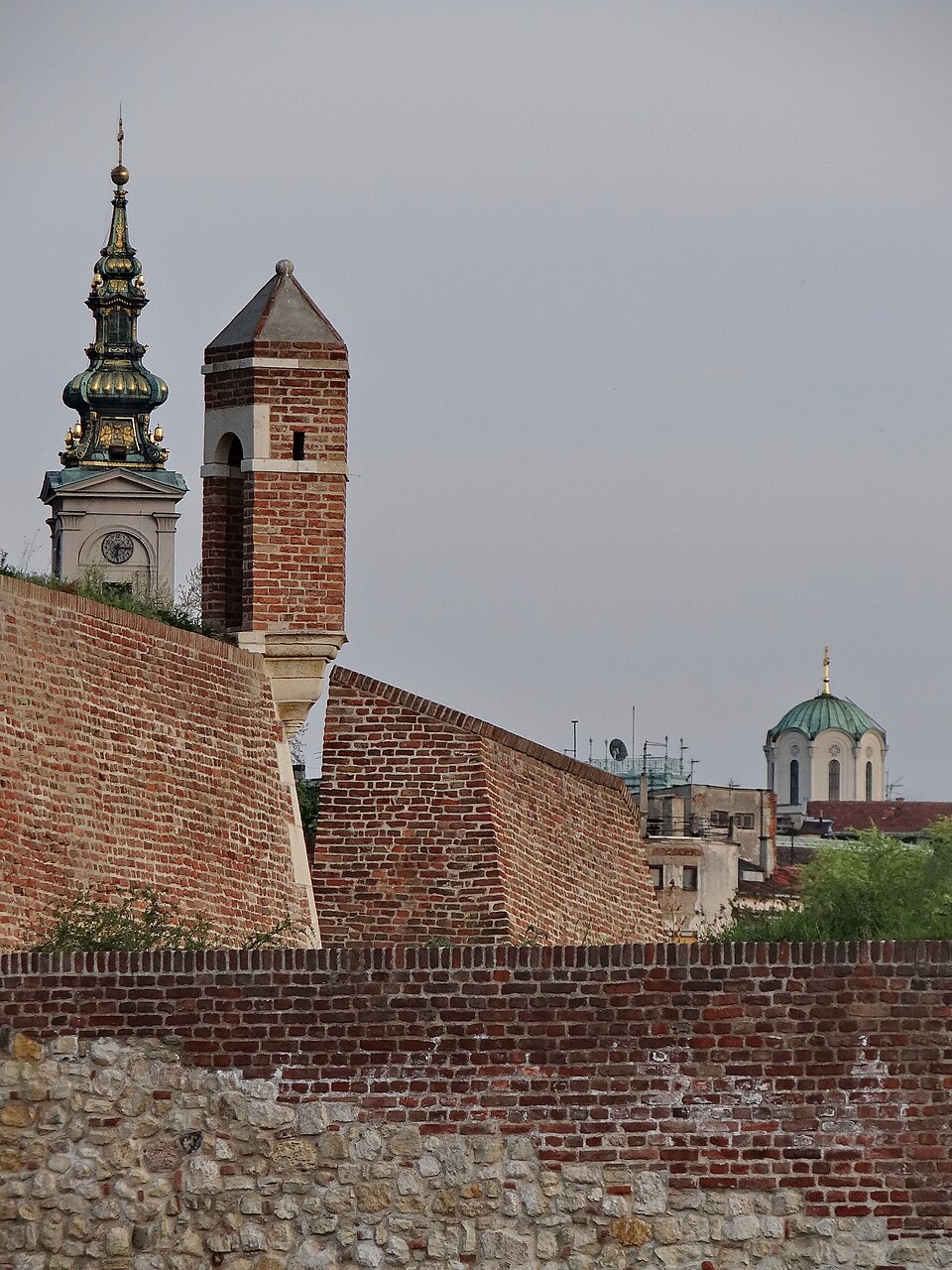
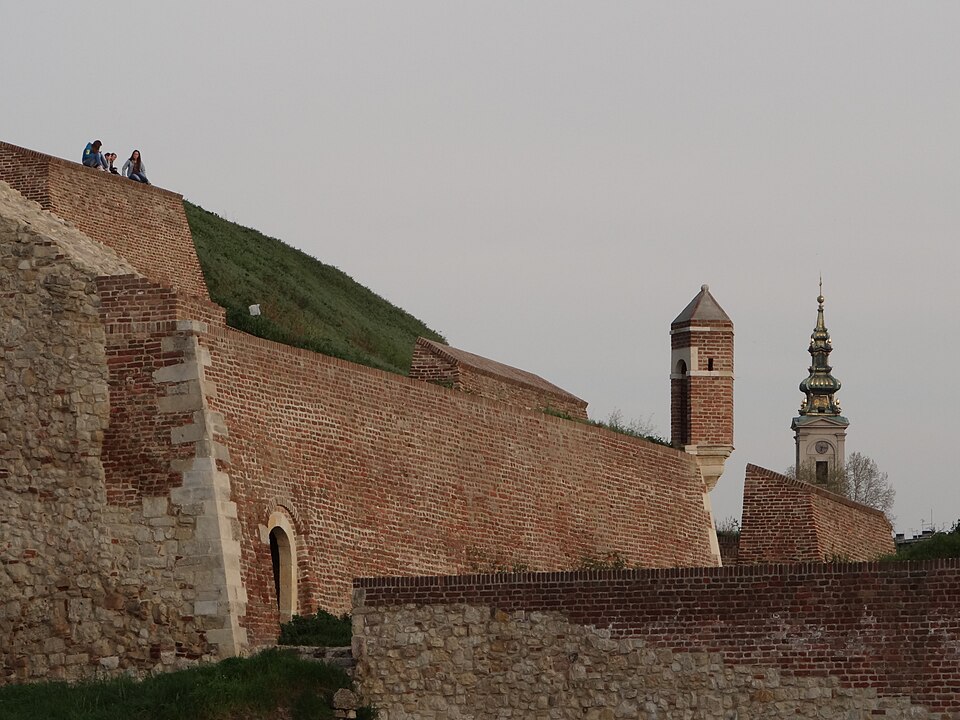
The Ottomans took it in 1521 and held it until 1867, with an Austrian interval from 1718 to 1739 that left the Baroque works.
It takes more than two million visitors a year.
Checked 2026-08-23 · Source
Two towns, a monument, a well that is not a well, and a park.
The Upper Town holds Damad Ali Pasha's tomb of 1784, the Despot Stefan Tower and the Roman Well — which is Austrian, not Roman, a cistern finished by 1731 to a design by Balthasar Neumann, with a 212-step spiral staircase going 35 m down.
The Lower Town, down towards the rivers, holds the Ružica Church and the Nebojša Tower, now a museum.
Ivan Meštrović's Victor — Pobednik — was installed in 1928 on the point above the confluence and is the image of the city.
Kalemegdan Park fills the southern approach, with the Military Museum in it.
Checked 2026-08-23 · Source

Three hours, and the Lower Town is the half people skip.
Kalemegdan Park and the Upper Town take ninety minutes at a walking pace, ending at the Victor on the point.
The Lower Town is a steep descent towards the Danube and holds the Ružica Church, the Saint Petka chapel and the Nebojša Tower. It is quieter, older-feeling and less visited, and the climb back up is real.
The Military Museum adds an hour, and the Roman Well is a ten-minute guided descent that runs at set times.
Checked 2026-08-23 · Source
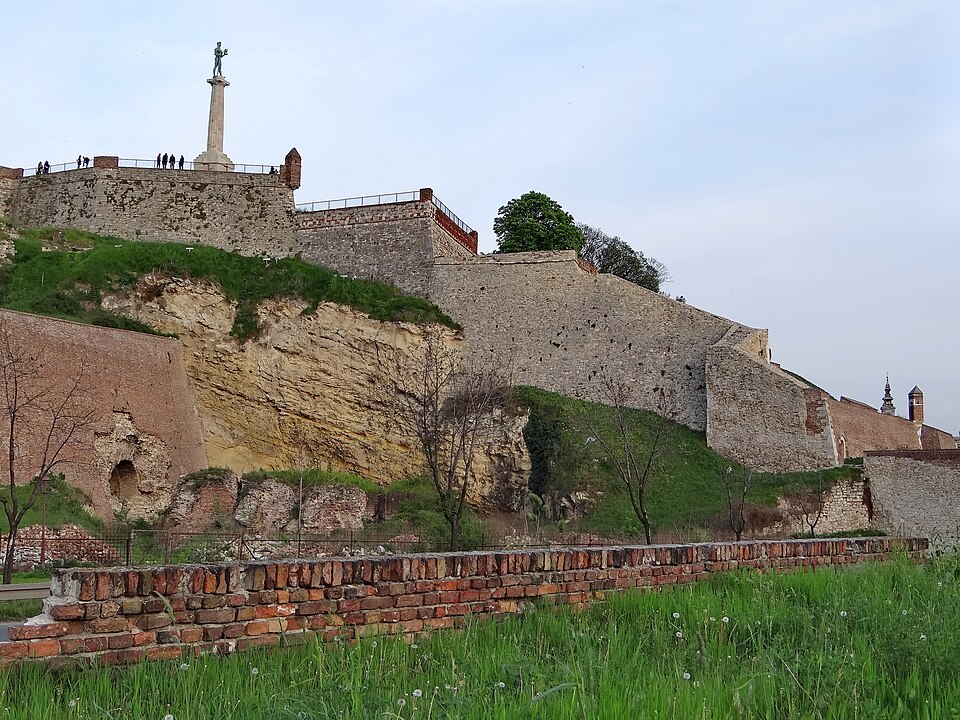
An hour before sunset, on the point.
The fortress looks west over the confluence and the sun sets behind New Belgrade across the Sava. Everyone in the city knows this and the terrace by the Victor fills accordingly.
May to June and September to October are the months the park is worth the time; the fortress is open ground and July is hot on it.
In winter the paths ice and the Lower Town descent is genuinely slippery.
Checked 2026-08-23
The fortress and Kalemegdan Park are free and open at all hours.
The Military Museum, the Nebojša Tower, the Roman Well and the various small museums inside the walls are each ticketed separately. Current rates are not published on the sources this page uses and are not reproduced here.
The Roman Well is entered on a guided descent at set times and in limited numbers.
Checked 2026-08-23 · Source
Stari Grad, at the north-western end of Knez Mihailova, the main pedestrian street.
The walk from Republic Square along Knez Mihailova to the Kalemegdan gate takes ten minutes and is the way almost everyone arrives. Trams and buses run along the Ruzveltova and Pariska streets at the park's edge.
There is no metro in Belgrade; trams, buses and trolleybuses run instead, and the old town is walkable end to end.
Checked 2026-08-23 · Source
The Lower Town is a steep, uneven descent with poor lighting and no handrails in places. Going down late in the day means climbing back in the dark.
The Roman Well is 35 m deep on a 212-step spiral, is cold and damp, and is not for anyone uneasy in enclosed spaces.
The fortress is open ground with almost no shade and few water points.
The park is safe and well used but the outer sections beyond the walls are unlit at night.
Sections are closed for archaeology and restoration on a rotating basis.
Checked 2026-08-23 · Source
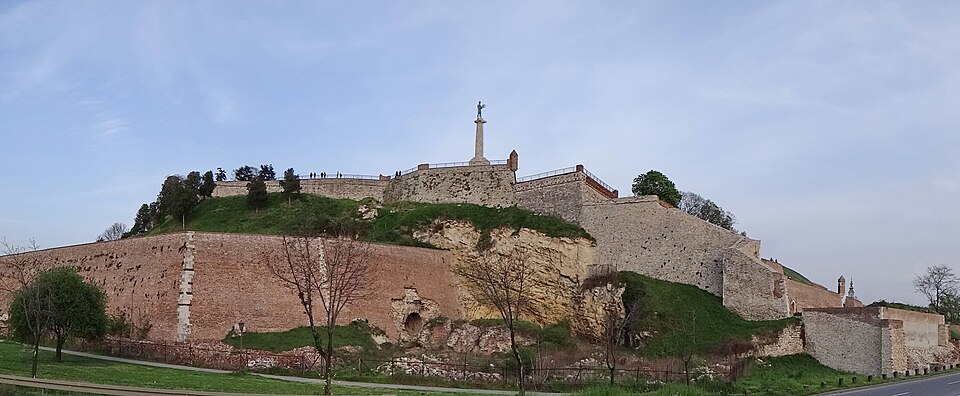
The photograph is from the point beside the Victor at sunset: the Sava running into the Danube, Great War Island in the middle of it and New Belgrade on the far bank.
The Victor itself is on a tall column and is backlit at that hour; photographing the statue and photographing the view are two different visits.
The Lower Town walls from the Danube quay below, looking up, give the scale that the top hides.
Kalemegdan's tree-lined avenues in autumn are the other subject here, and they are almost never the one people take.
Checked 2026-08-23
The Roman camp of Singidunum was established when Legio IV Flavia Felix arrived in 86 AD. The medieval fortress is Despot Stefan Lazarević's, from after 1402.
The fortress and Kalemegdan Park are free and open at all hours. The Military Museum, the Nebojša Tower and the Roman Well are ticketed separately.
No. It is an Austrian cistern finished by 1731 to a design by Balthasar Neumann, 35 m deep on a 212-step spiral staircase.
The Victor — Pobednik — by Ivan Meštrović, installed in 1928 above the confluence. It is the image of the city.
The older commercial quarter below the castle, towards the rivers, holding the Ružica Church and the Nebojša Tower. It is a steep descent and most visitors skip it.
Three hours: ninety minutes for the park and Upper Town, and the rest for the Lower Town and one of the museums.
Loading the interactive map…
The interactive map could not be loaded.
Last updated:
Source: OpenStreetMap contributors, Wikidata ·