


1 min walk · Stari Grad
Yugoslav Film Archive
- Must see
- Entertainment venue
Language · 1 published
Museum · Градска општина Стари град, Belgrade
Етнографски музеј
Closed today, Wednesday. Next open Thursday at 10:00 — the planner will not place a stop here on a Wednesday.
Plan around it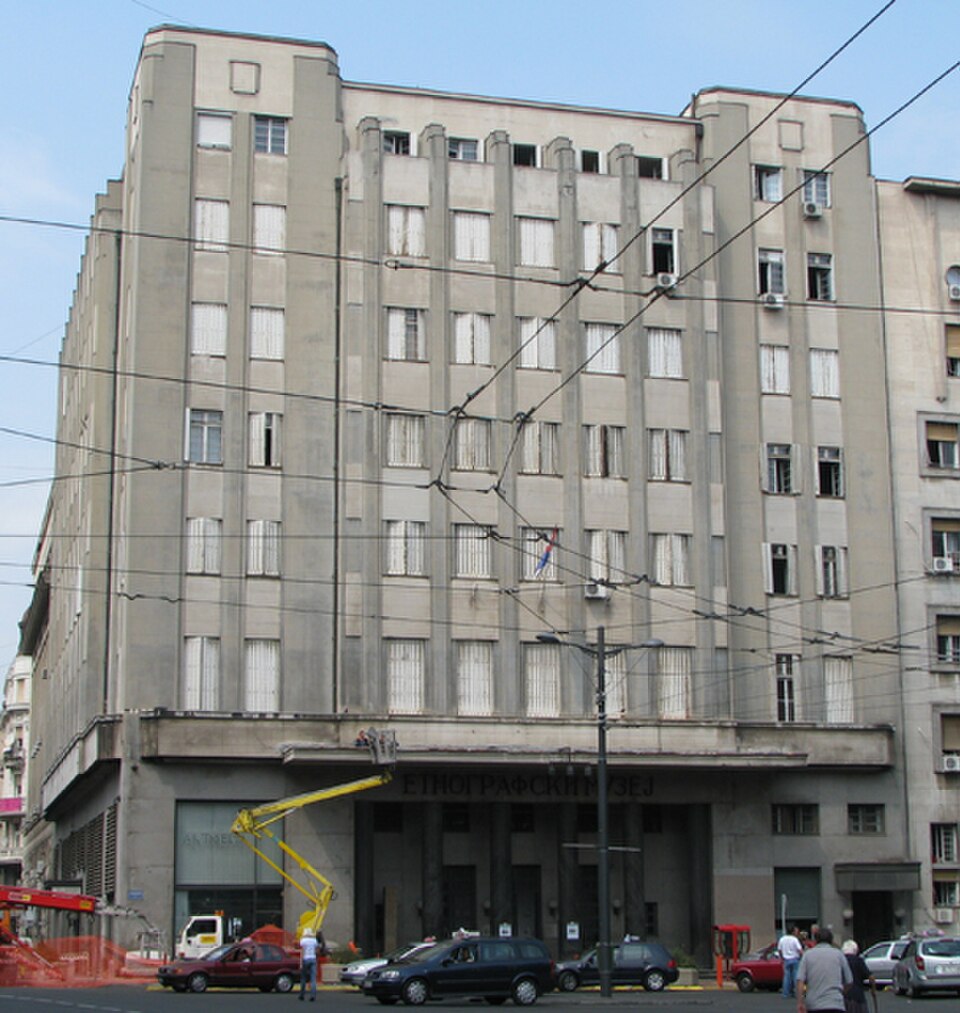
| Monday | 10:00 – 20:00 |
|---|---|
| Tuesday | 10:00 – 20:00 |
| Wednesday | Closed |
| Thursday | 10:00 – 20:00 |
| Friday | 10:00 – 20:00 |
| Saturday | 10:00 – 20:00 |
| Sunday | 10:00 – 20:00 |
Parsed from OpenStreetMap opening hours on 2026-08-25.
The Ethnographic Museum documents the folk life of Serbia and the wider South Slavic region: costume, craft and custom rather than fine art. It was established in 1901 as a split-off from the National Museum of Serbia and opened its first permanent exhibition on 20 September 1904, making it one of Belgrade's oldest surviving museums.
It occupies a building at Studentski trg 13, in the old town a short walk from Republic Square and Knez Mihailova, that was not built as a museum at all. Constructed in 1933–1934 to the design of architect Aleksandar Đorđević as the headquarters of the Belgrade Stock Exchange, it is a mature modernist building with Art Deco detailing. The museum moved in only in 1951, and the building was declared a cultural monument in 1984. Before settling there it had already moved twice — through a private house at the corner of Kneza Miloša and Birčaninova streets, a building on Njegoševa in 1938, and a wartime spell in the court complex's guards building on Terazije from 1945 to 1948.
Checked 2026-08-23 · Source
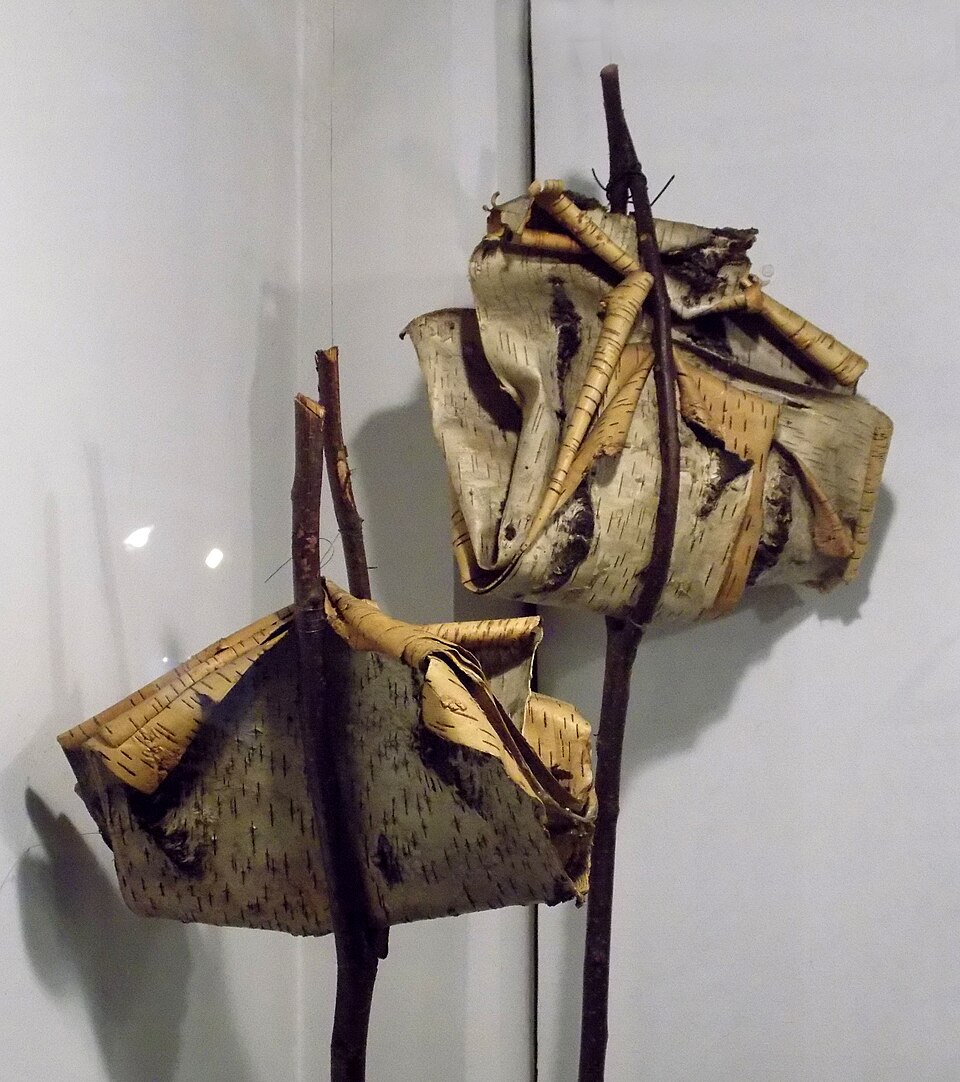
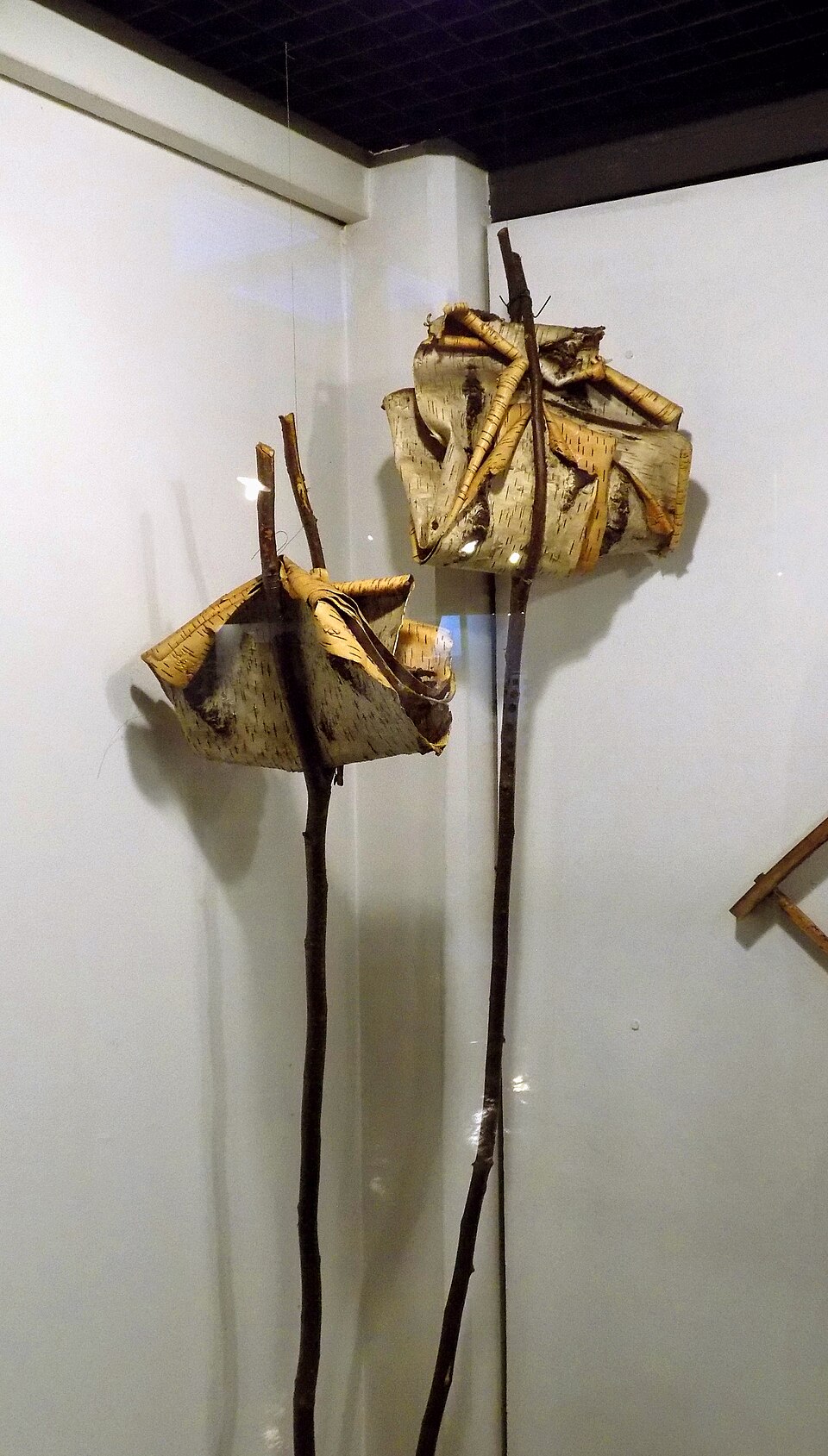
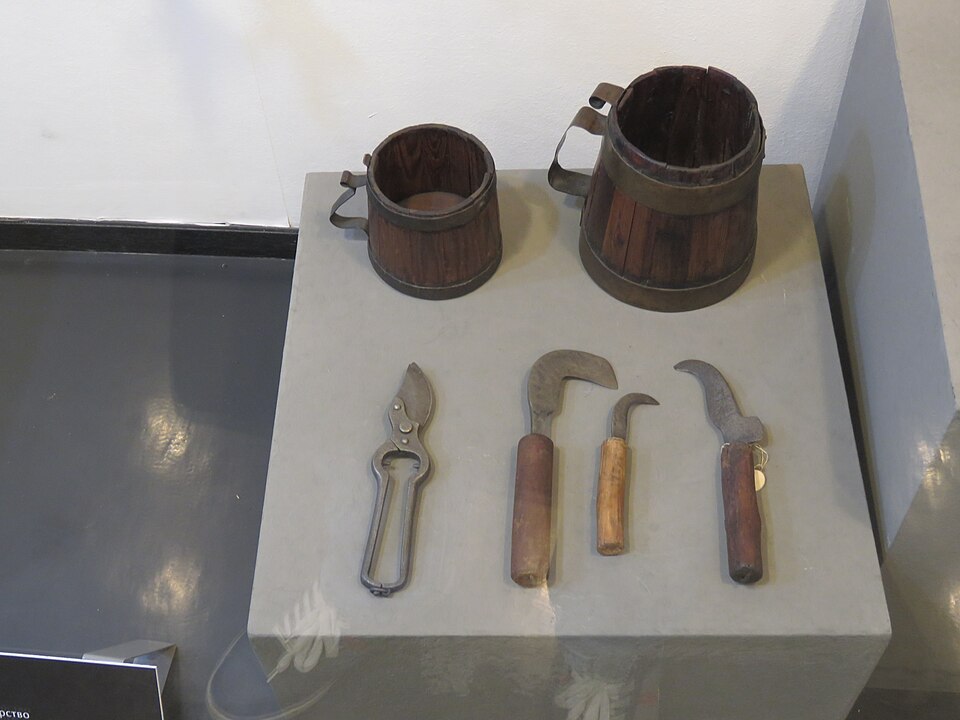
The collection totals roughly 200,000 items, of which about 56,000 are core ethnographic objects: traditional costume, jewellery, metalwork, furniture and craft tools gathered from across Serbia and the former Yugoslav region. The museum runs eight permanent exhibitions across the building's three levels, alongside a rotating programme that has amounted to roughly 300 temporary exhibitions over the institution's history.
A specialist library sits alongside the object collection, holding about 60,000 publications — some 33,000 books and 27,000 journals — used for the museum's own research as much as for public reference. Since 2012 the museum has also run a Center for Intangible Cultural Heritage, which by June 2023 had documented 57 separate elements of intangible heritage: customs, skills and practices rather than physical objects, extending the museum's remit beyond what fits in a display case.
Checked 2026-08-23 · Source
About an hour to ninety minutes for the permanent galleries. Because the collection is organised by theme — costume, craft, domestic life — across three levels rather than by a single chronological path, a visitor can move through efficiently by picking the two or three themes that interest them most rather than covering every room evenly.
The building's Art Deco stock-exchange interior is worth slowing down for in its own right, independent of the ethnographic displays — the stairwells and the former trading hall carry the clearest evidence of the structure's original 1930s purpose.
Checked 2026-08-23
Weekday mornings are quietest, before the surrounding Studentski trg square fills with students from the nearby University of Belgrade faculties. The museum's central old-town location, a few minutes from Republic Square, means it is an easy addition to a walking day through the historic core rather than a trip that needs planning around, unlike the contemporary art museum across the river.
Temporary exhibitions change through the year, so the museum's own listings are the way to catch a specific one rather than assuming the same rotating show will be on for any given visit.
Checked 2026-08-23
Current ticket rates are not published on the sources this page uses and are not reproduced here. As a long-established public museum in central Belgrade, a standard admission fee with reduced rates for students and children is the general pattern, but the exact figures should be confirmed with the museum directly rather than assumed.
Checked 2026-08-23
The museum stands at Studentski trg 13, inside the pedestrian core of old Belgrade, within easy walking distance of Republic Square and Knez Mihailova. Since Belgrade has no metro, most visitors reach the old town by tram or on foot from a central hotel; from Republic Square it is a walk of a few minutes north-west toward Studentski trg.
Because it sits inside the same walkable district as the National Museum, the fortress and Knez Mihailova, it is one of the easiest of Belgrade's major museums to combine with a single day of central sightseeing.
Checked 2026-08-23
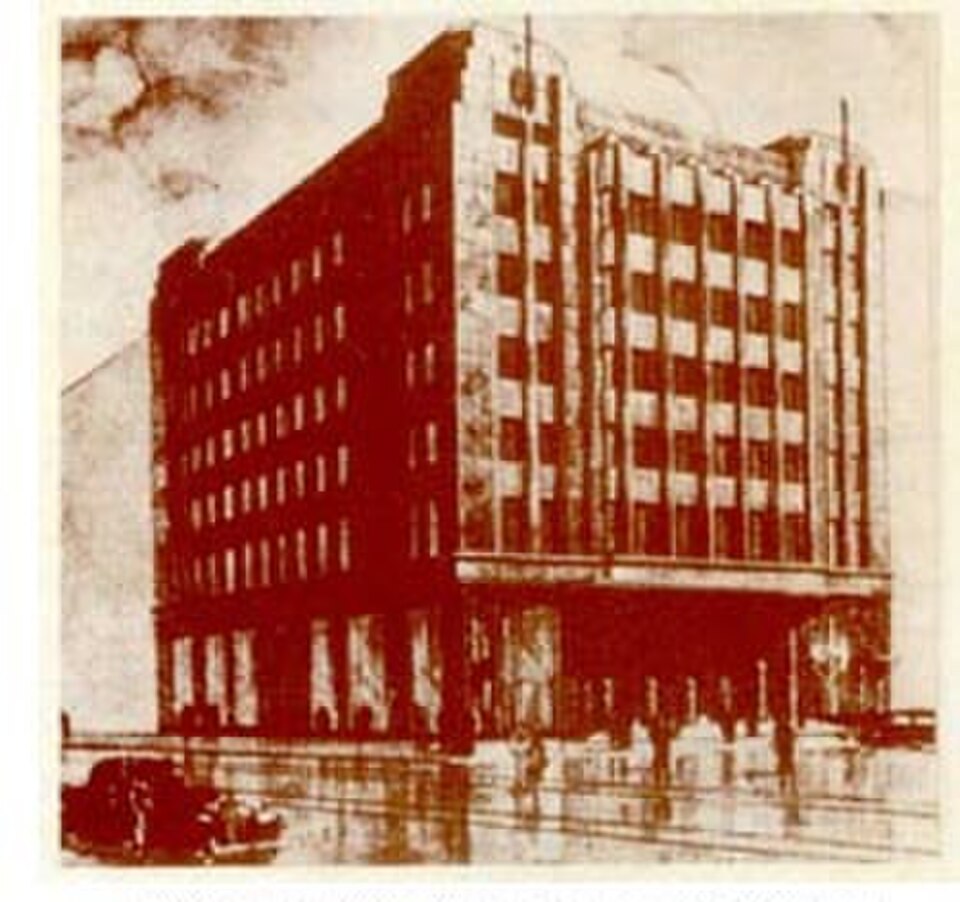
The building's original function as a stock exchange means its internal layout — divided across three levels with a former trading floor at its centre — does not follow the logic of a purpose-built gallery, so a visitor moving quickly can pass a themed room without noticing the transition to the next. Reading the floor plan at the entrance before setting off through the eight permanent displays avoids doubling back.
As with most heritage buildings converted to museum use, large bags and rucksacks are typically not permitted into the display rooms and should be expected to go into a cloakroom at the entrance. Handling of the costume and textile displays is not permitted given their age and fragility.
Checked 2026-08-23

Photography of the costume, textile and craft displays is often restricted or requires a separate permit in museums holding light-sensitive traditional dress, so checking at the ticket desk on arrival is the reliable approach rather than assuming a blanket policy. Flash photography in particular damages dyed and woven fabric over repeated exposure and is commonly prohibited outright.
The building's Art Deco exterior on Studentski trg, with its symmetrical stone facade from the 1930s stock-exchange design, is unrestricted to photograph from the square outside and is a distinct subject from the ethnographic displays within.
Checked 2026-08-23
It was established in 1901, split off from the National Museum of Serbia, and opened its first permanent exhibition on 20 September 1904.
No. It was built in 1933–1934 as the headquarters of the Belgrade Stock Exchange, designed by Aleksandar Đorđević. The museum moved in only in 1951, and the building was declared a cultural monument in 1984.
About 200,000 items in total, roughly 56,000 of them core ethnographic objects such as costume, jewellery and craft tools, plus a library of about 60,000 publications.
Eight permanent exhibitions spread across the building's three levels, alongside roughly 300 temporary exhibitions staged over the museum's history.
Yes — it sits at Studentski trg, a few minutes' walk from Republic Square and Knez Mihailova, inside the same walkable old-town core as the National Museum and the fortress.
A section of the museum established in 2012 that documents customs and practices rather than physical objects; by June 2023 it had recorded 57 separate elements of intangible heritage.
Loading the interactive map…
The interactive map could not be loaded.
Last updated:
Source: OpenStreetMap contributors, Wikidata ·