


4 min walk · Vračar
Youth Theatre DADOV
- High
- Art and culture venue
Language · 1 published
Museum · Градска општина Врачар, Belgrade
Музеј Николе Тесле
| Monday | 10:00 – 18:00 |
|---|---|
| Tuesday | 10:00 – 20:00 |
| Wednesday | 10:00 – 20:00 |
| Thursday | 10:00 – 20:00 |
| Friday | 10:00 – 20:00 |
| Saturday | 10:00 – 20:00 |
| Sunday | 10:00 – 20:00 |
Parsed from OpenStreetMap opening hours on 2026-08-25.
Read from the OpenStreetMap access tags; anything not listed has no tag recorded.
Set the group type to family in the planner and the day window contracts to about three quarters of a solo day.
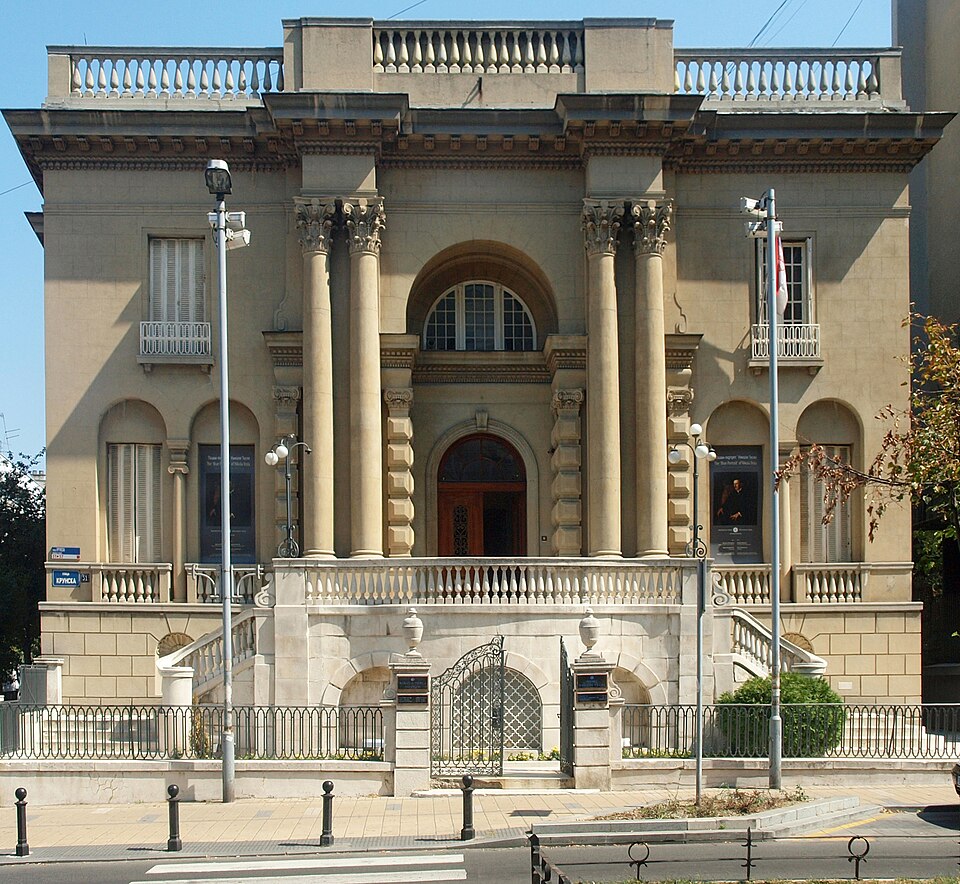
The Nikola Tesla Museum holds Tesla's papers and Tesla's ashes, in a villa on a residential street.
It was established on 5 December 1952 by government decision, in a house built in 1927 by the architect Dragiša Brašovan at Krunska 51.
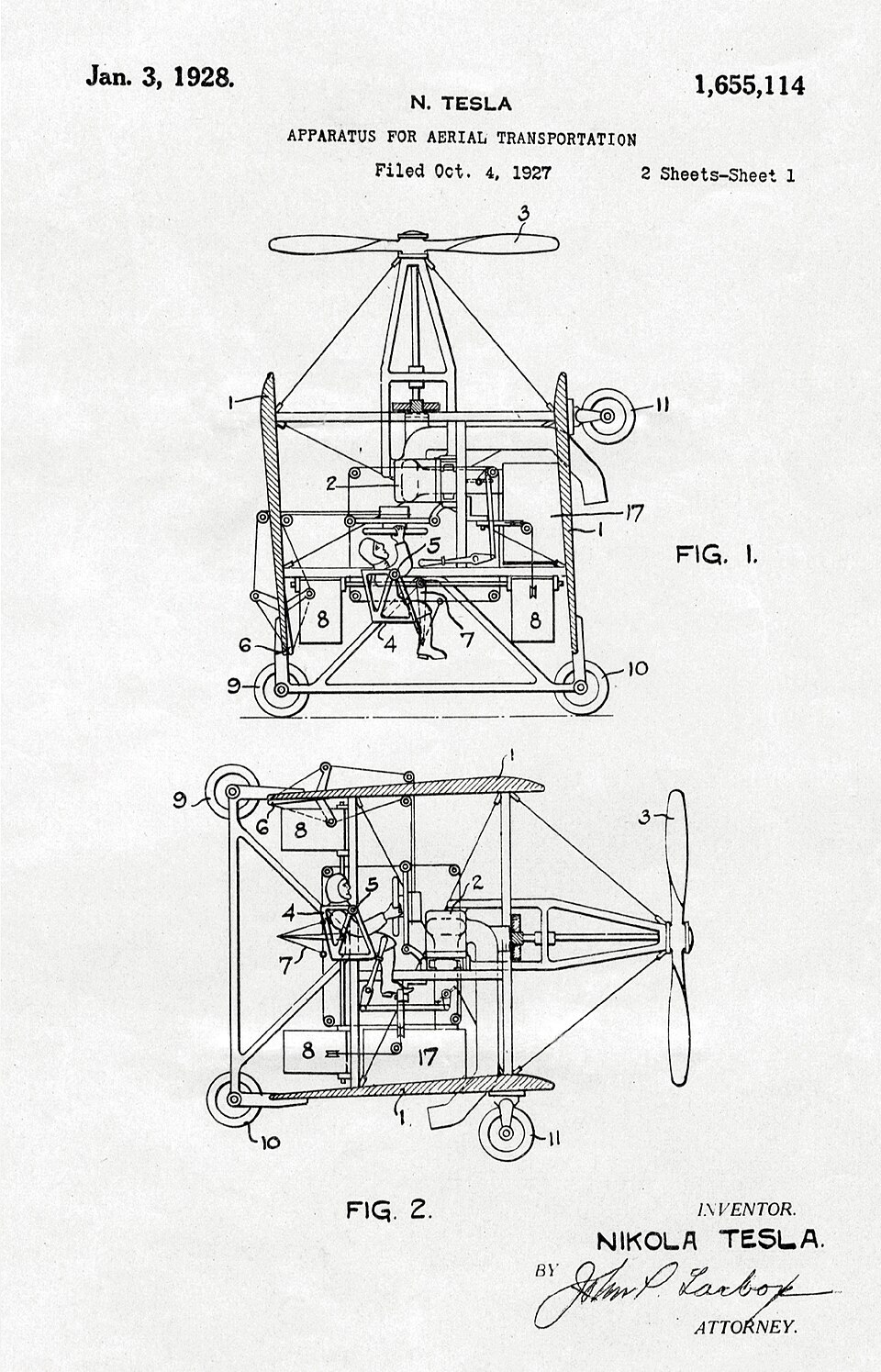
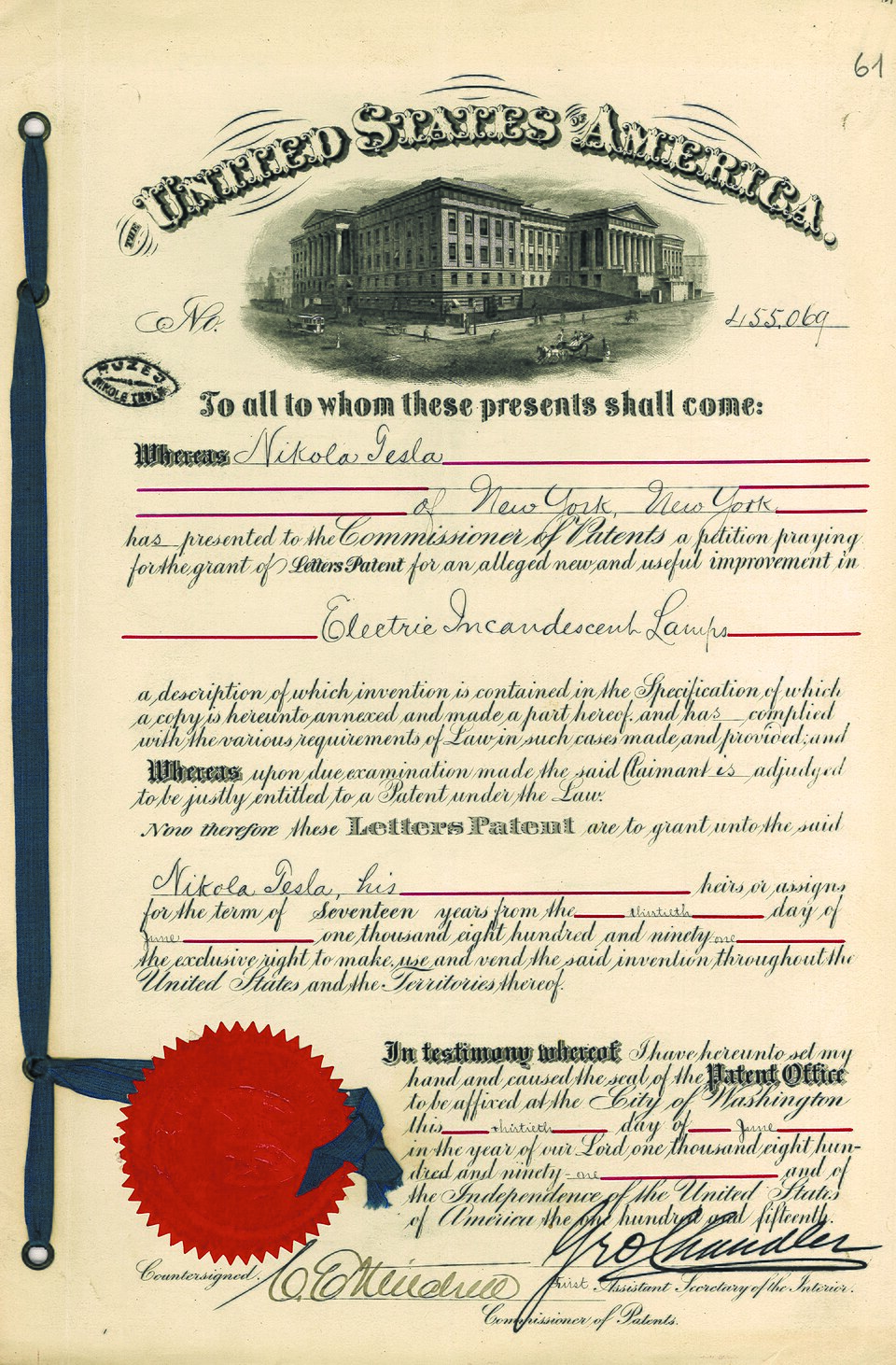
The archive runs to more than 160,000 original documents, over 2,000 books and journals and more than 1,200 historical technical exhibits, with photographs and drawings besides. UNESCO inscribed it on the Memory of the World Register in 2003.
It took about 120,000 visitors in 2017, which for a house museum on a side street is a considerable number.
Checked 2026-08-23 · Source
Four ground-floor rooms, a golden urn, and machines that are switched on.
The permanent exhibition occupies four rooms and mixes memorial display with working demonstrations. The Tesla coil is fired during the guided tour, with a visitor holding a fluorescent tube that lights in the air, and the Egg of Columbus — his induction motor demonstration — is run as he ran it.
Tesla's personal effects are here, and his urn, which makes this his grave as well as his museum.
A reconstruction begun in 2006 glazed the roof garden to add exhibition space.
Checked 2026-08-23 · Source
An hour, on a guided tour, which is how the museum works.
Visits go in timed groups with a guide, in Serbian or English, because the demonstrations have to be run rather than read. Turning up between tours means waiting for the next one.
The house is small — four rooms — and the archive is a working research collection rather than a display. Tesla left Serbia as a young man and never returned, so this is a repatriation rather than a house he lived in.
The Krunska street outside is one of the better nineteenth-century residential streets in Belgrade and is worth the walk down it.
Anyone with an interest in Tesla beyond the demonstrations should write to the museum in advance about the archive; the collection is the reason the institution exists and none of it is on the walls.
Checked 2026-08-23 · Source

On the hour, and early in the day.
Tours run at fixed times and the English-language ones are fewer than the Serbian; the museum is small and groups fill.
It closes one day a week.
This is an indoor visit with no seasonal dimension, which makes it one of the more reliable wet-weather options in the city.
The 10 July anniversary of Tesla's birth brings events and additional crowds, and the museum programmes around it.
Checked 2026-08-23 · Source
The museum charges admission, which includes the guided tour and the demonstrations. Current rates are not published on the sources this page uses and are not reproduced here.
There is no unguided visit — the ticket and the tour are the same thing.
Research access to the archive is arranged separately with the museum.
Tour times and language are published by the museum and are the thing to check before setting out; the English tours are fewer than the Serbian ones.
Checked 2026-08-23 · Source
Krunska 51, in Vračar, about fifteen minutes' walk from Republic Square.
Trolleybuses along the Kralja Milana and buses to Slavija both stop within five minutes. The walk from the Church of Saint Sava takes fifteen minutes downhill.
There is no metro in Belgrade; trams, buses and trolleybuses run instead, and the old town is walkable end to end.
Checked 2026-08-23 · Source

Entry is by timed guided tour only and the English tours are less frequent than the Serbian ones. Arriving without checking the schedule means waiting.
The museum is small and sells out in season; groups are capped.
The archive is not on display. Visitors expecting to see 160,000 documents see a house with four rooms.
The urn holding Tesla's ashes is a grave and is treated as one.
The Tesla coil demonstration is loud and bright and is not suitable for everyone.
Checked 2026-08-23 · Source
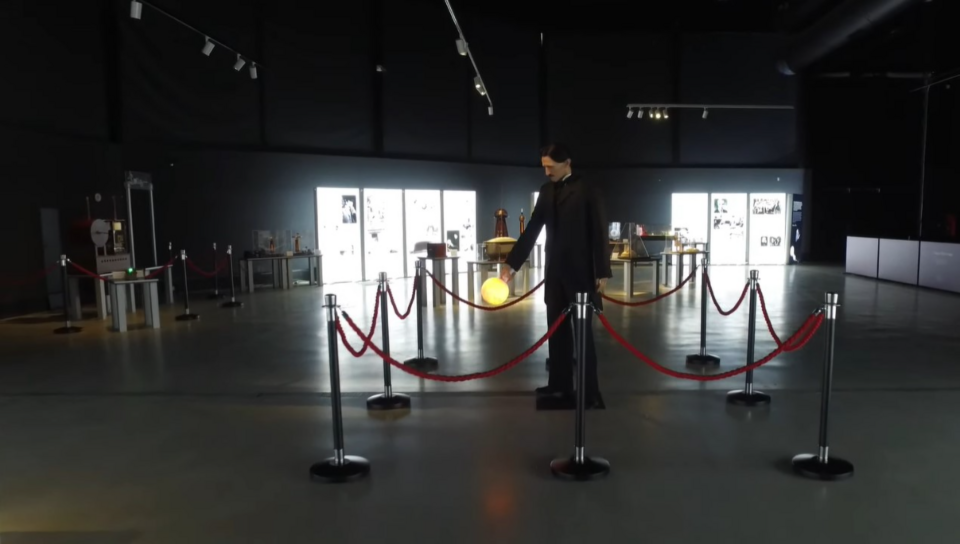
The coil demonstration in the darkened room, with the tube lit in someone's hand, is the photograph, and it needs a fast lens rather than a flash — flash destroys the only thing worth recording.
The rooms are small, domestic and evenly lit, and the instruments photograph well close up.
The urn is a grave marker and should be treated as one rather than as an object.
The villa's exterior on Krunska is a good example of Belgrade's inter-war residential architecture and takes afternoon light.
Checked 2026-08-23
More than 160,000 original documents, over 2,000 books and journals and more than 1,200 technical exhibits, plus Tesla's personal effects and his urn.
His ashes are. The urn is in the museum, which makes the house his grave as well as his memorial.
No. Entry is by timed guided tour, in Serbian or English, because the demonstrations have to be run rather than read.
Yes. The Tesla coil is fired during the tour, with a visitor holding a fluorescent tube that lights in the air, and the Egg of Columbus induction demonstration is run as Tesla ran it.
UNESCO inscribed the Nikola Tesla Archive on the Memory of the World Register in 2003.
An hour, which is the length of the tour. The house has four exhibition rooms and the archive is a research collection rather than a display.
Loading the interactive map…
The interactive map could not be loaded.
Last updated:
Source: OpenStreetMap contributors, Wikidata ·