


2 min walk · Savski Venac
Josip Broz Tito
- High
- Historic monument
Language · 1 published
Museum · Градска општина Савски венац, Belgrade
Музеј Југославије
| Monday | Closed |
|---|---|
| Tuesday | 10:00 – 18:00 |
| Wednesday | 10:00 – 18:00 |
| Thursday | 10:00 – 18:00 |
| Friday | 10:00 – 18:00 |
| Saturday | 10:00 – 18:00 |
| Sunday | 10:00 – 18:00 |
Parsed from OpenStreetMap opening hours on 2026-08-25.
Read from the OpenStreetMap access tags; anything not listed has no tag recorded.
Set the group type to family in the planner and the day window contracts to about three quarters of a solo day.
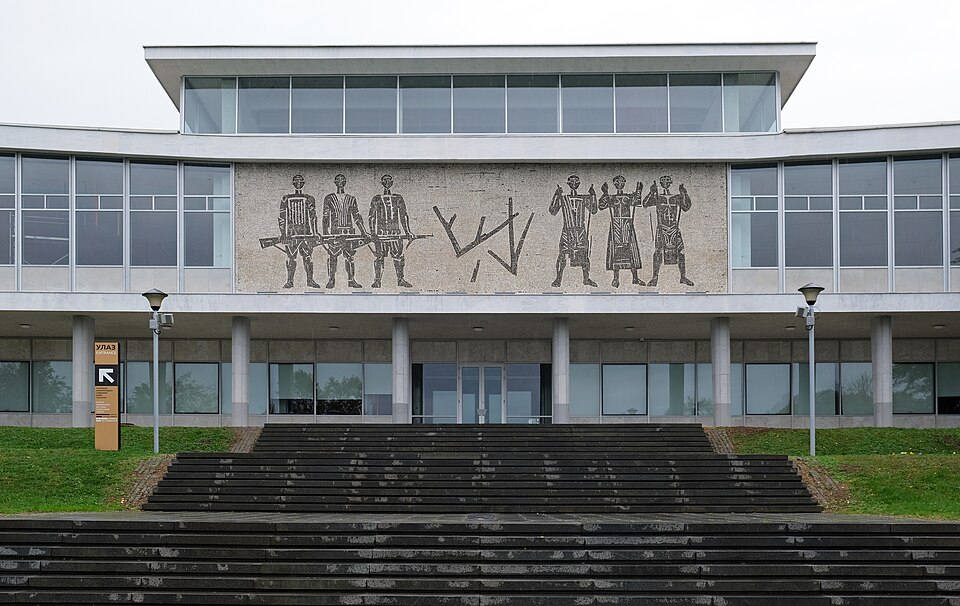
The Museum of Yugoslav History sits in Dedinje and exists because Josip Broz Tito is buried in its garden. It was formed in 1996 by merging the Memorial Centre “Josip Broz Tito” with the 25 May Museum, itself opened in 1962 to hold the gifts foreign leaders and citizens sent Tito on his birthday. Tito died in 1980 and was interred in the House of Flowers, the glasshouse on the grounds where he had kept his plants, which became his mausoleum days later.
The complex now tells the story of the socialist Yugoslav state Tito led from 1945 until his death, through its own founding collection rather than a borrowed one.
Checked 2026-08-24 · Source
Three buildings hold the collection: the Old Museum, the House of Flowers with Tito's tomb, and a neighbouring building used for temporary exhibitions.
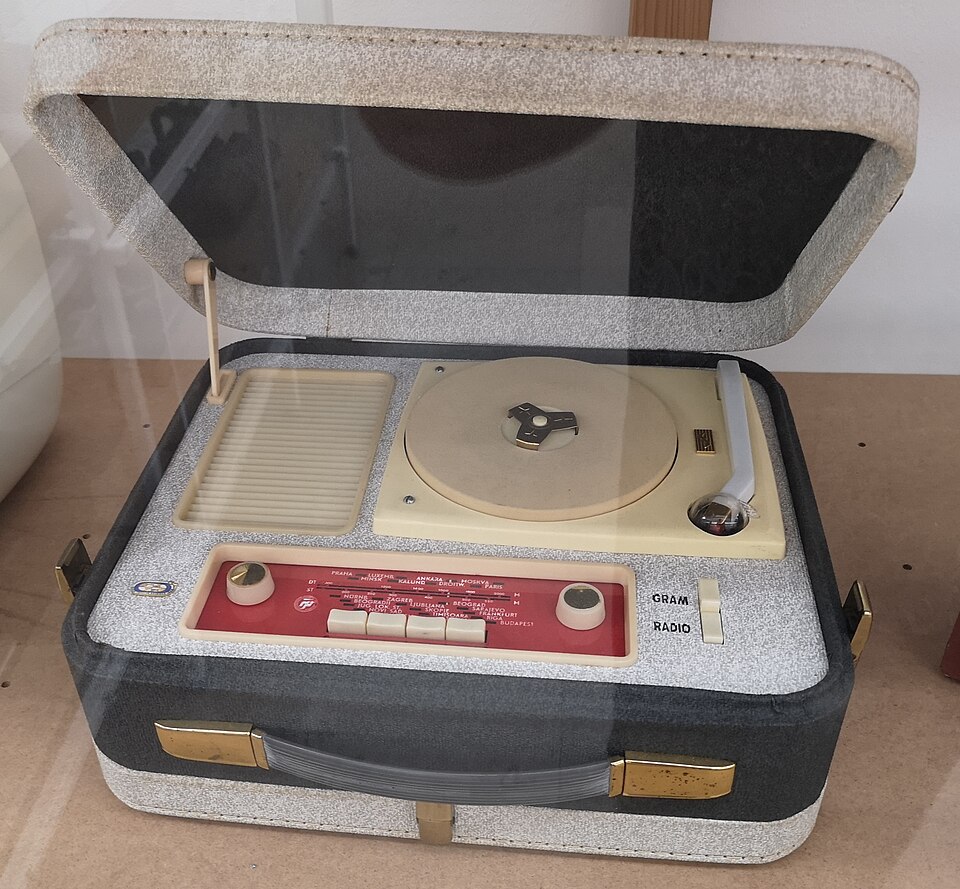
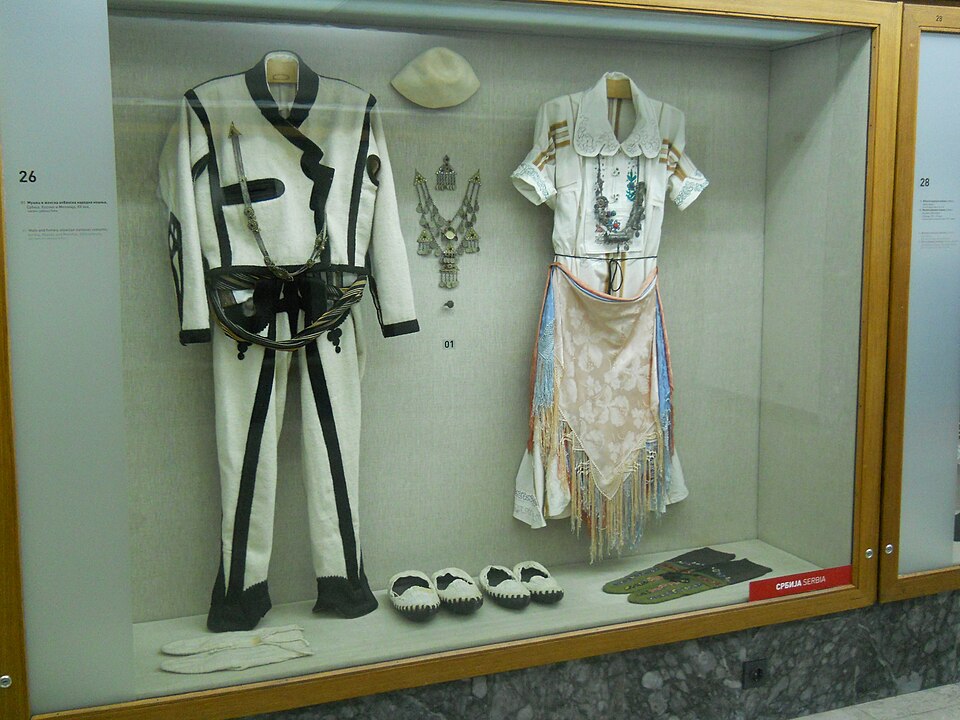
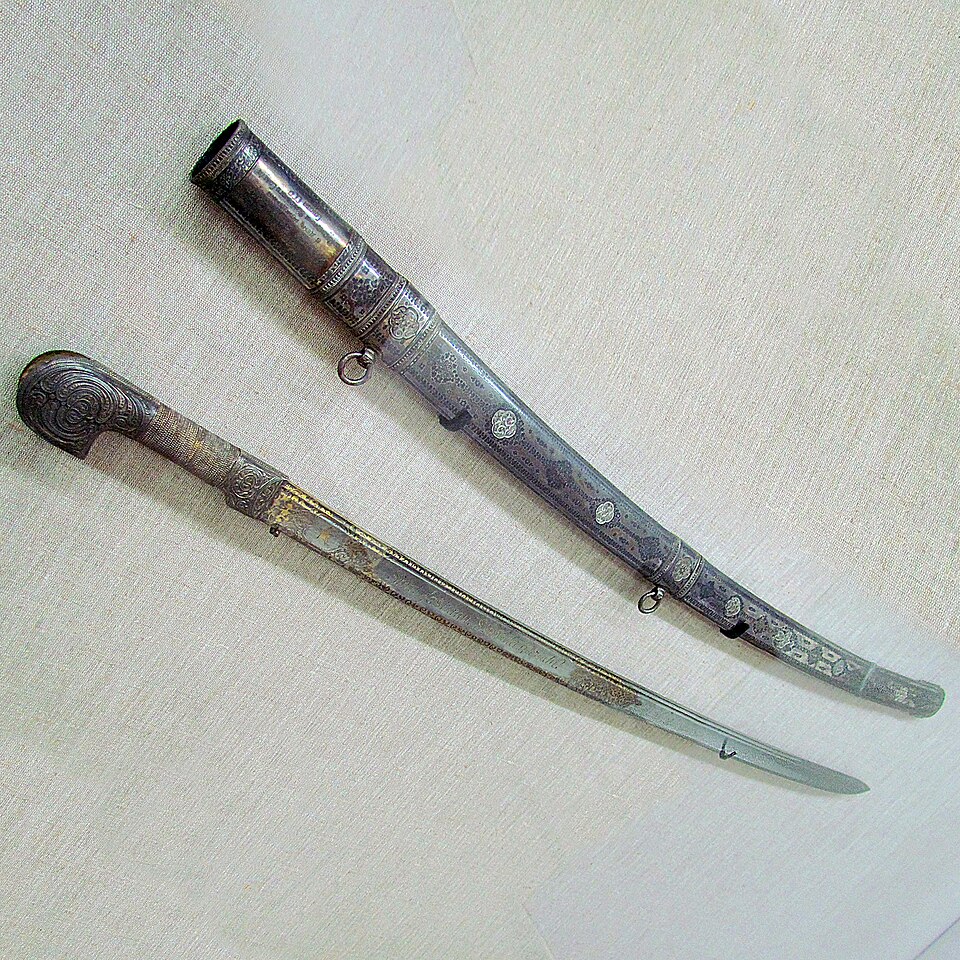
The relay batons — štafeta mladosti — carried across Yugoslavia each year to Tito on his official birthday and presented to him at a stadium ceremony, fill room after room and are the single largest holding: thousands of them, sent from factories, schools and army units. Diplomatic gifts sit alongside them — ceremonial swords, carved chests, a football signed by a touring team — next to photographs and film of the Non-Aligned Movement congresses Tito hosted. The House of Flowers itself is unchanged: the grave, the desk, the study.
Checked 2026-08-24 · Source
Around ninety minutes covers the Old Museum and the House of Flowers together.
The relay-baton rooms take the longest to work through since the display runs case after case rather than one highlight; a visitor who reads the labels can lose forty minutes there alone. The House of Flowers itself is a short, quiet stop — the tomb and the small study beside it — and most people spend under ten minutes inside before moving on to the garden. Add another twenty minutes for the grounds, which slope down through Dedinje's villa district and give a view most guidebooks skip.
Checked 2026-08-24

Weekday mornings, before tour groups from the river-cruise boats arrive in late morning.
The museum is entirely indoors except the walk between buildings, so weather barely matters, though the garden is more pleasant in spring and autumn than in the flat heat of a Belgrade July. 4 May, the anniversary of Tito's death, and 25 May, his official birthday and the date the original museum opened, both draw visitors who come specifically for the anniversary, which is worth knowing if a quiet visit is the goal.
Checked 2026-08-24
The museum charges admission to the Old Museum and House of Flowers, with a joint ticket covering both; current rates are not published on the sources this page uses and are not reproduced here.
Photography inside the House of Flowers has at times been restricted around the tomb itself; check the posted rule on arrival rather than assuming.
Checked 2026-08-24 · Source
Dedinje, on Bulevar mira, a residential hillside south of the city centre and well outside walking range of Republic Square.
Buses run from the centre to stops near the museum gate; a taxi from Stari Grad takes about fifteen minutes in ordinary traffic. There is no metro in Belgrade; trams, buses and trolleybuses run instead. The Royal Palace and Beli dvor sit a short walk further into the same Dedinje district, so the three are usually done as one outing.
Checked 2026-08-24 · Source
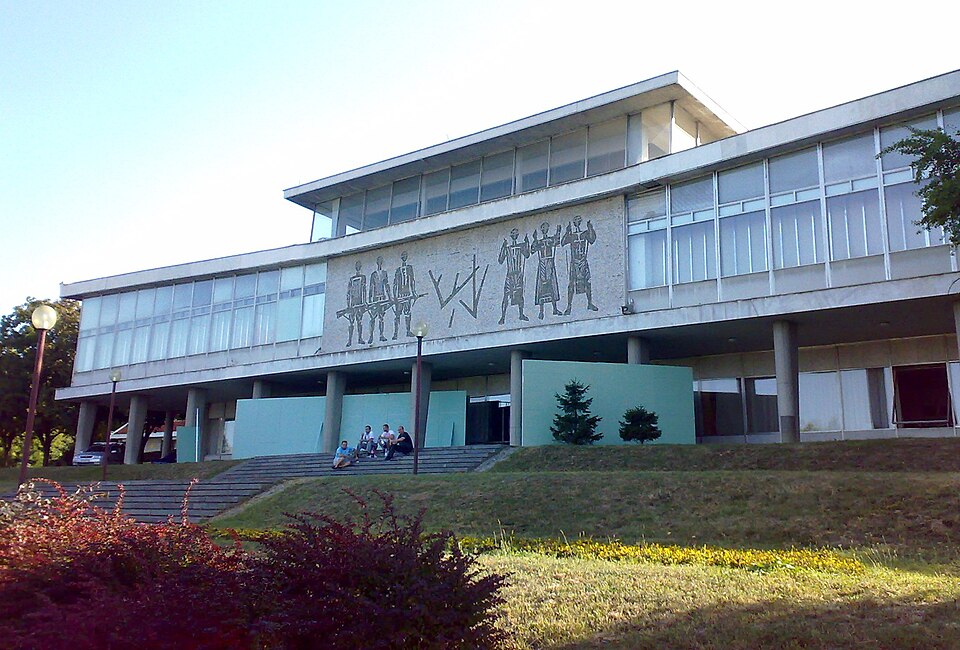
The site is spread across a hillside garden with steps between the buildings, and less accessible than a single-floor museum.
The House of Flowers is a working mausoleum rather than a museum room, and conduct there is more restrained than in the exhibition halls — it is still visited as a grave by people old enough to remember Tito's Yugoslavia. Some captions in the older sections remain in Serbian only. The complex is one of several Dedinje sites near the Royal Compound with restricted photography in places, so a posted sign should be taken at face value rather than assumed to apply only to the tomb.
Checked 2026-08-24
The relay-baton rooms photograph better in close, tight frames on individual batons than as wide shots of a case, because the density defeats a single frame.
Outside, the garden's terraces give a clean line down the hillside with the House of Flowers roofline against Dedinje's trees, best in the low light of late afternoon. Inside the House of Flowers itself, photography is treated with more restraint than elsewhere in the complex, and the posted rule on the day should be followed rather than assumed.
Checked 2026-08-24
Josip Broz Tito, president of Yugoslavia from 1945 until his death in 1980, is buried in the House of Flowers on the museum grounds.
The štafeta mladosti, batons carried in relay across Yugoslavia each year and presented to Tito at a stadium ceremony on his official birthday, 25 May.
The founding collection, the 25 May Museum, opened in 1962; the present Museum of Yugoslav History formed in 1996 by merging it with the Memorial Centre “Josip Broz Tito”.
Yes, a joint ticket covers the Old Museum and the House of Flowers; current rates are not published on the sources this page uses.
It sits in Dedinje, about fifteen minutes by taxi from Stari Grad and outside comfortable walking range; there is no metro line to it.
Yes — both sit in Dedinje within walking distance of each other and of Beli dvor, and are usually combined into one outing.
Loading the interactive map…
The interactive map could not be loaded.
Last updated:
Source: OpenStreetMap contributors, Wikidata ·