


5 min walk · Savski Venac
Spomen-park Kraljeva česma
- High
- Nature site
Language · 1 published
Historic monument · Градска општина Савски венац, Belgrade
Бели двор
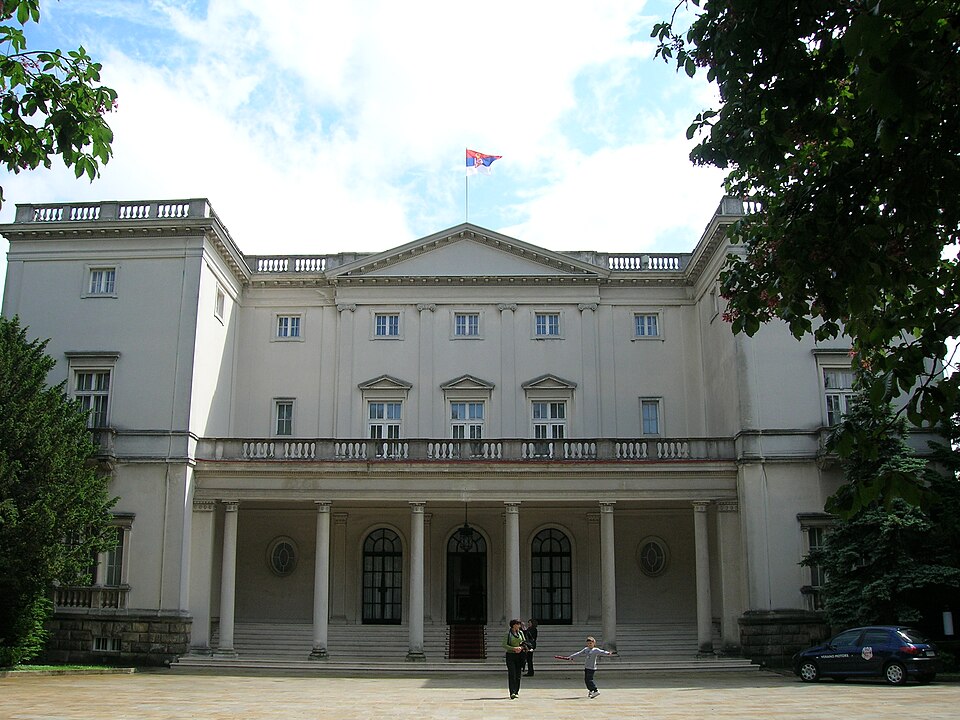
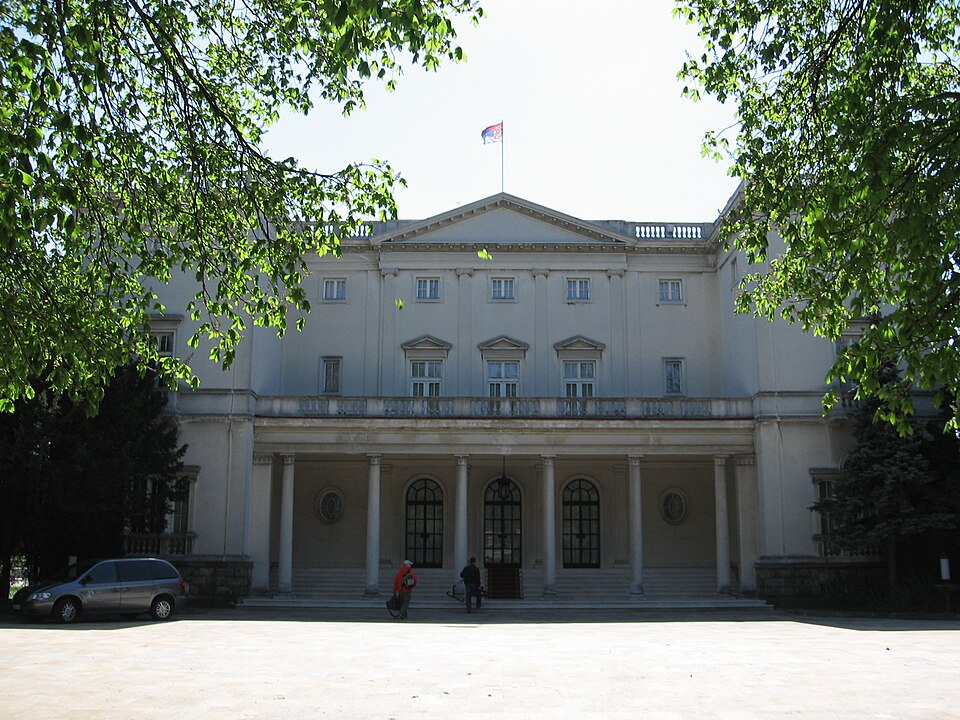
Beli dvor, the White Palace, was built between 1934 and 1937 in Dedinje as the private residence of Prince Regent Paul of Yugoslavia, who ruled as regent for the young King Peter II from 1934 to 1941. The name is literal: the building is faced in white stone, in deliberate contrast to the darker, more heavily ornamented Royal Palace it stands beside.
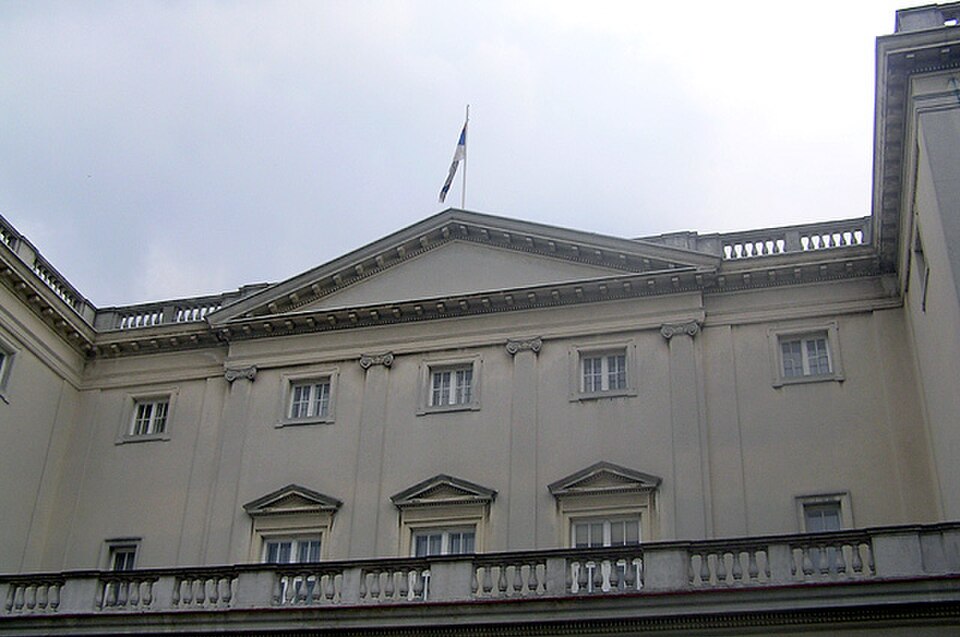
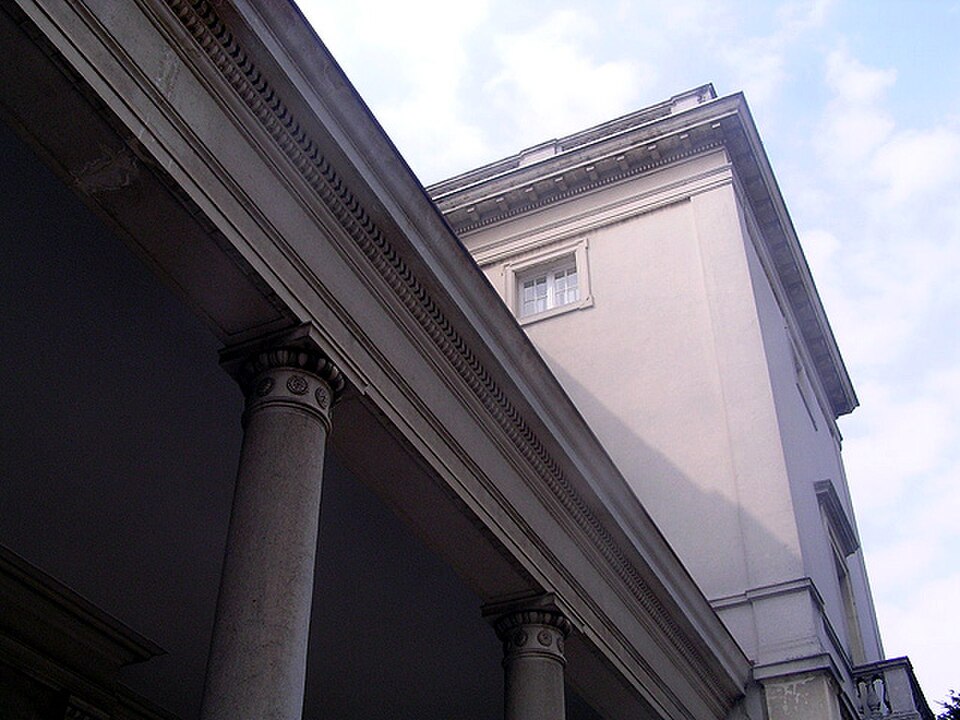
The Russian émigré architect Nikolaj Krasnov, who had already built the neighbouring Royal Palace, designed it in a restrained neo-Palladian style set apart from the palace next door. Paul was an art collector rather than a soldier-king, and the house was built around that: galleries and a library rather than ceremonial halls. After 2001 it passed back to the Karađorđević family and Crown Prince Alexander II lives there today.
Checked 2026-08-24 · Source
The core of the interest is Prince Paul's own art collection, assembled before the Second World War and including old-master paintings — among them a work long attributed to Rembrandt — alongside Serbian and European furniture, tapestries and porcelain gathered on his travels across Europe.
The state rooms keep their 1930s decoration rather than a later refit, which is unusual among Belgrade's grander interiors, most of which were altered or damaged through the war and the communist decades that followed. The library, assembled to Paul's own taste rather than inherited, sits alongside the formal reception rooms and is one of the more personal spaces shown on the tour. The palace also holds gifts and memorabilia connected to the restored royal family's public role since 2001, displayed alongside the historic collection rather than replacing it.
Checked 2026-08-24 · Source
An hour on a guided tour, which is the only way in — Beli dvor is a private residence and does not open to unaccompanied visitors.
Groups move through the ground-floor state rooms and the principal galleries; the family's private quarters upstairs are not shown. The compound's parkland connecting Beli dvor to the Royal Palace and the Church of Saint Andrew the First-Called is walked as part of the same visit, which adds a further twenty to thirty minutes depending on the route the guide takes.
Checked 2026-08-24

Tours run on a limited schedule set by the royal household rather than daily opening hours, and the exact calendar is not published on the sources this page uses; anyone planning a visit should check directly with the Royal Compound in advance of travelling.
Because entry is only ever guided and indoors, the season affects little beyond the walk through the surrounding parkland to reach the gate.
Checked 2026-08-24
Entry is only available as part of an organised, pre-booked tour of the Royal Compound; walk-up access is not offered, and the palace is not a museum with its own ticket desk.
Current pricing and the booking process are not published on the sources this page uses and are not reproduced here; confirm both directly with the Royal Compound before travelling out to Dedinje.
Checked 2026-08-24
Dedinje, inside the same walled Royal Compound grounds as the Royal Palace, south of the city centre.
There is no public entrance to wander up to — visits arrive as part of a pre-arranged group, usually directed to a specific gate rather than the main road frontage. A taxi from Stari Grad to the compound takes about fifteen minutes; there is no metro in Belgrade.
Checked 2026-08-24 · Source
Because Beli dvor is a lived-in residence rather than a state museum, access can change or be withdrawn at short notice around official functions, and a booking should be reconfirmed close to the date.
The compound sits inside a wooded, guarded estate, and visitors should expect security checks on arrival. Photography inside the state rooms is typically restricted to protect the family's private collection; confirm the rule with the guide rather than assuming a museum-style policy applies.
Checked 2026-08-24
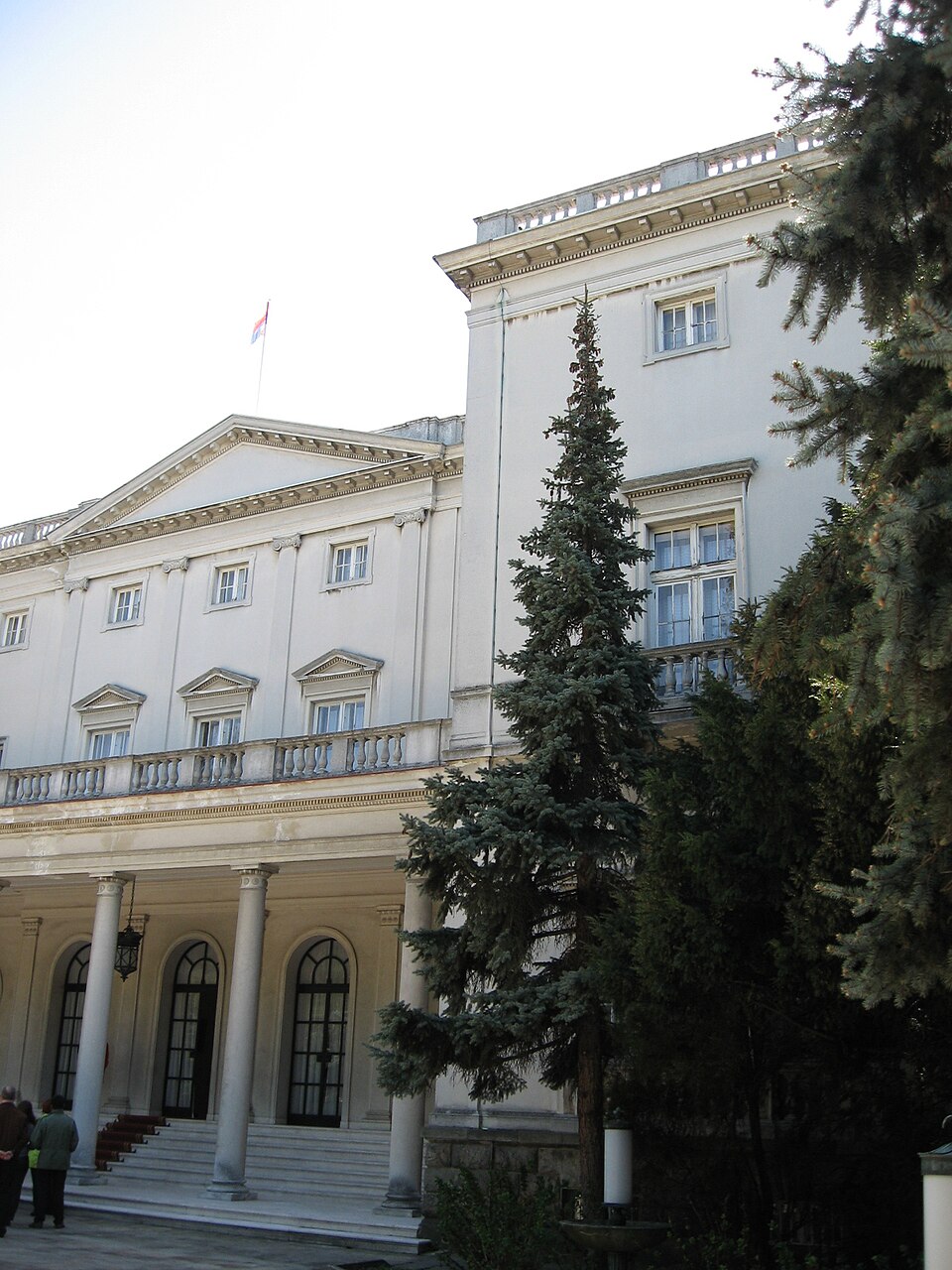
Exterior photography is usually limited to the approach and forecourt rather than the private garden fronts, and the neo-Palladian facade reads best in flat, even light rather than the harsh contrast of midday.
Inside, camera use is restricted in the state rooms in the way it is in a private house rather than a museum, so the guide's instruction on the day is the rule, not a general policy stated in advance. The forecourt's own trees and lawn give a foreground rare among Belgrade's other landmark facades, most of which front directly onto a street.
Checked 2026-08-24
Between 1934 and 1937, in Dedinje, as the private residence of Prince Regent Paul of Yugoslavia, designed by the architect Nikolaj Krasnov.
No — entry is only available as part of an organised, pre-booked tour of the Royal Compound; there is no walk-up access.
Prince Paul's own pre-war art collection, including old-master paintings, alongside Serbian and European furniture, tapestries and porcelain he gathered on his travels.
Crown Prince Alexander II of the Karađorđević family, since the palace was returned to the family in 2001.
About an hour on the guided tour, plus twenty to thirty minutes for the compound's parkland if that is included in the route.
Yes — both sit inside the same walled Royal Compound in Dedinje, and tours are commonly booked as one visit.
Loading the interactive map…
The interactive map could not be loaded.
Last updated:
Source: OpenStreetMap contributors, Wikidata ·