


7 min walk · New Belgrade
Ušće Shopping Center
- High
- Market
Language · 1 published
Historic monument · Градска општина Нови Београд, Belgrade
Сабирни логор Сајмиште
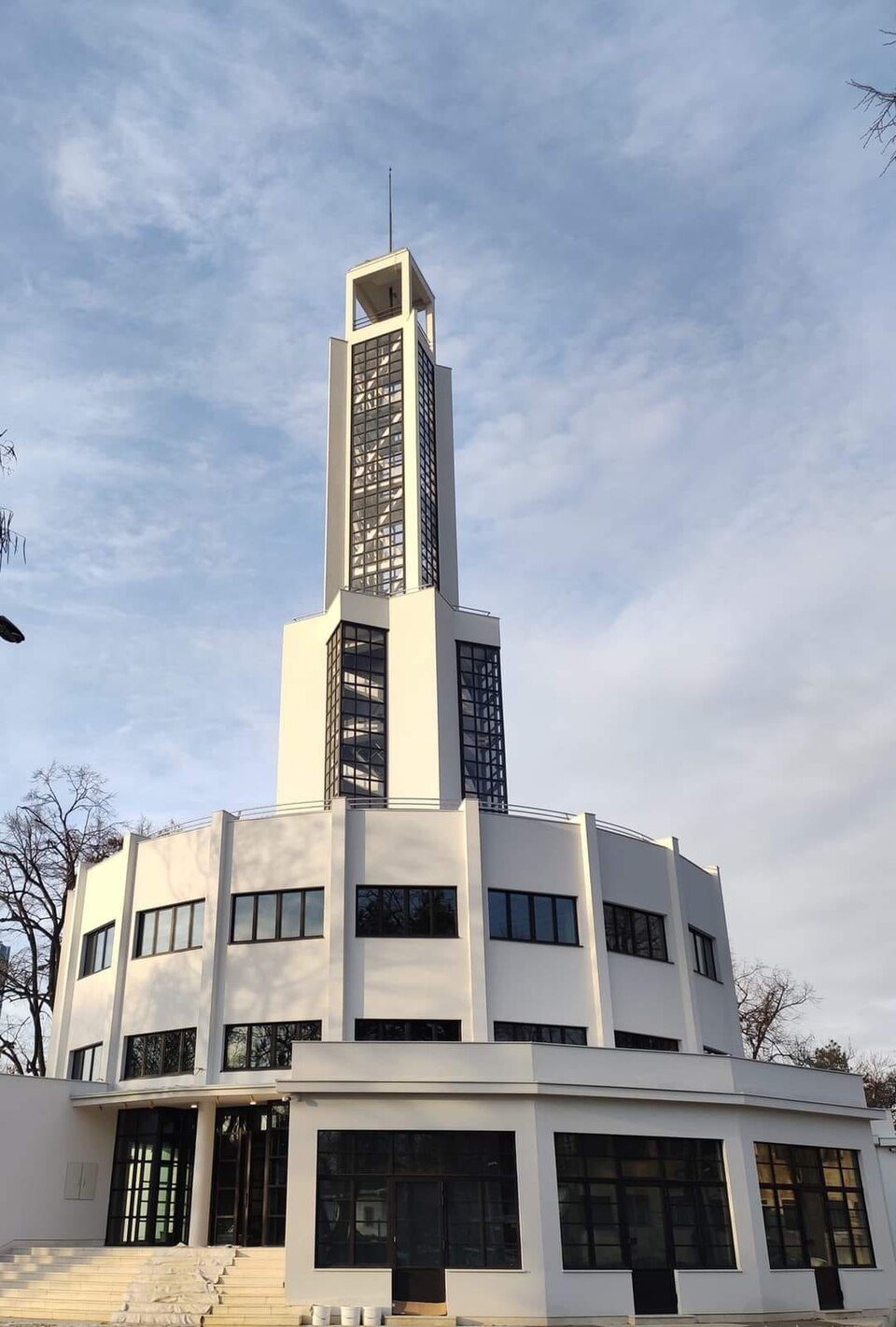
Staro Sajmište was a trade fair before it was a camp, and people live on the site now.
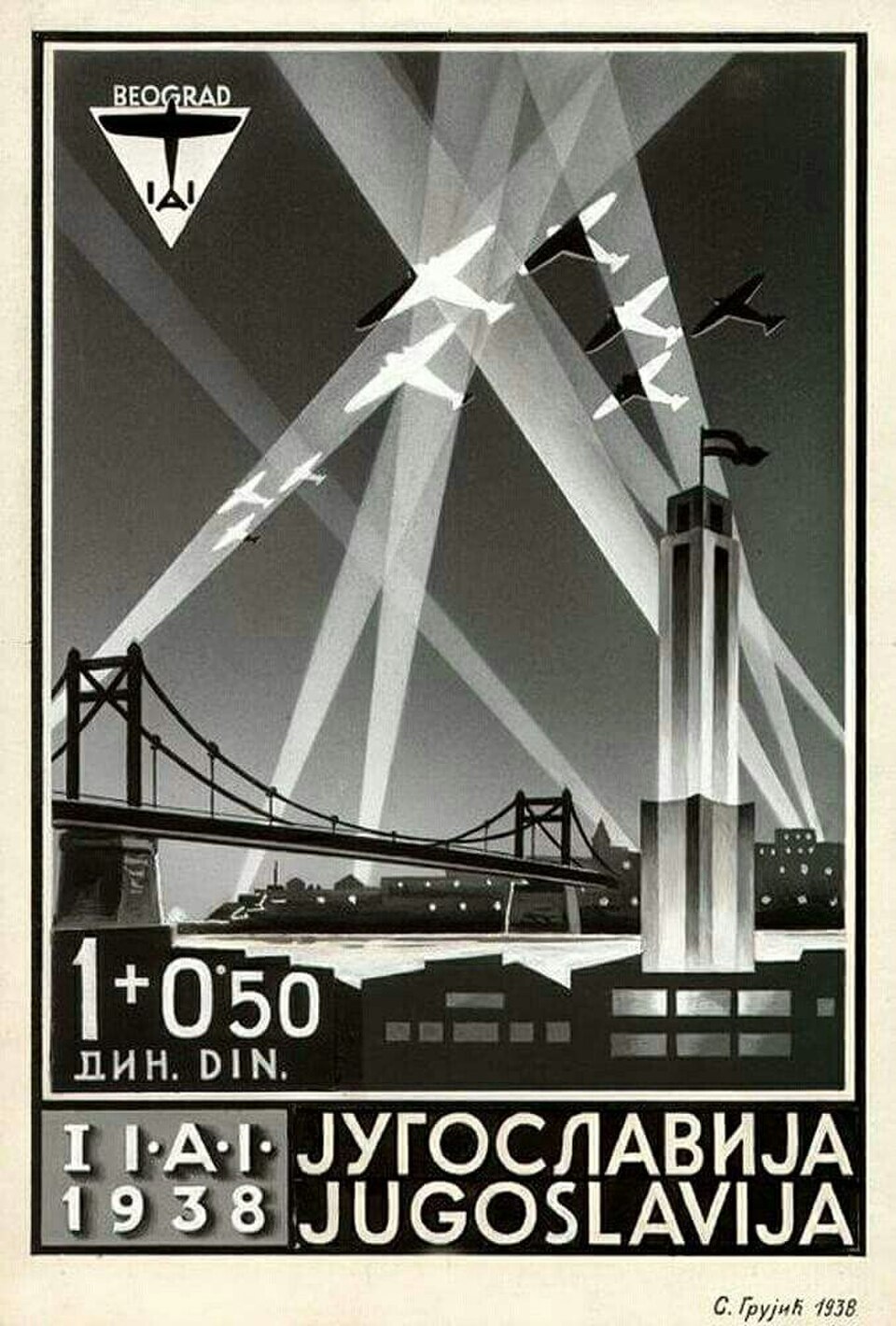
The pavilions were built in 1937 as the Belgrade fairground, on the left bank of the Sava. After the Axis invasion of 1941 the German authorities turned them into the Judenlager Semlin. The peninsula, with the river on three sides, made escape almost impossible.
From late 1941 about 7,000 Jewish women, children and elderly people were held here, with 500 Jewish men and 292 Roma. Between March and May 1942 a gas van sent from Berlin killed as many as 8,000 of them, mostly women and children.
From 1943 to 1944 it was the Anhaltelager Semlin, for Partisans, Chetniks and Serbian peasants: about 32,000 passed through and roughly 10,600 died. Total estimates run from 20,000 to 23,000.
Checked 2026-08-23 · Source
Pavilions, flats and a dispute that lasted seventy-five years.
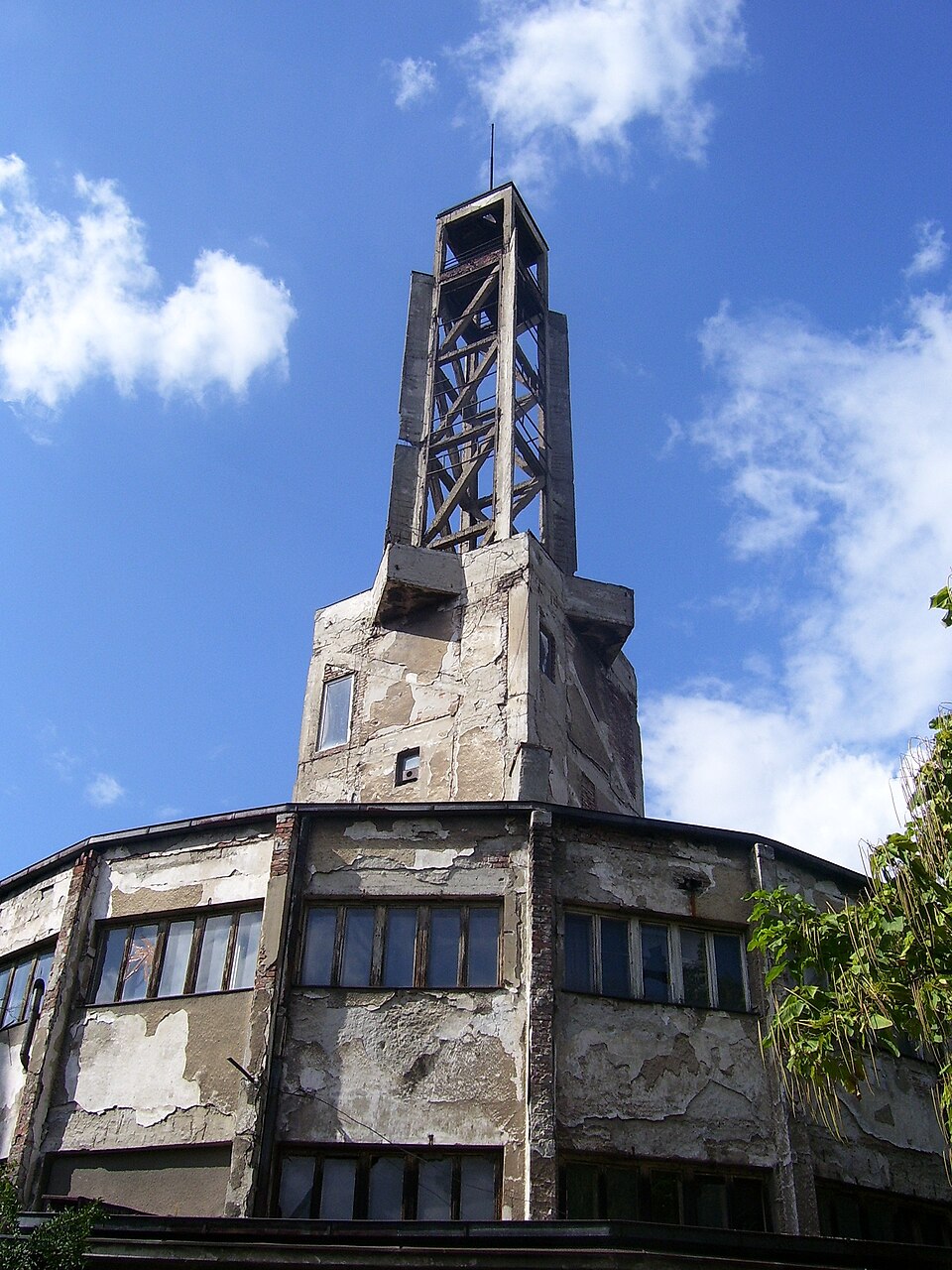
There is no museum on the site as of now. After the war the buildings were used as artists' studios and then as housing, and people have lived in the pavilions for decades.
Serbia's National Assembly established the Memorial Centre Staro Sajmište on 24 February 2020 and reconstruction began in July 2022. Until that work is finished, what a visitor finds is a part-ruined 1937 fairground with residents in it and a memorial sculpture nearby.
Most of the camp's administrators were tried. Herbert Andorfer, who commanded it, served two and a half years in Austria.
Checked 2026-08-23 · Source
Forty-five minutes, and it is not a sightseeing visit.
There is no route, no interpretation on most of the site and nothing to buy a ticket for. What there is is a set of buildings and the knowledge of what happened in them.
The memorial by the Sava bank and the surviving pavilions are a slow walk of half an hour.
Anyone who wants the history rather than the place should read it before coming, because the site does not yet explain itself.
The Jewish Historical Museum in the centre and the memorial at Jajinci, where many of those taken from here were shot, are the other two parts of this history in Belgrade.
Checked 2026-08-23 · Source
Daylight, and preferably not in a group.
The site is open ground on a river bank in New Belgrade with no gates and no hours.
Reconstruction has been under way since July 2022 and parts of the site are fenced; what is accessible changes.
Commemorative events are held on Holocaust remembrance dates and are the one time the site is used as what it is.
Checked 2026-08-23 · Source
Nothing to buy. There is no admission, no ticket office and no visitor centre.
The Memorial Centre established in 2020 is under construction; when it opens, arrangements will change and current information should be sought from it rather than from older sources.
The Jewish Historical Museum in central Belgrade covers this history with material and explanation, and is the place to go for the account the site cannot yet give.
Checked 2026-08-23 · Source
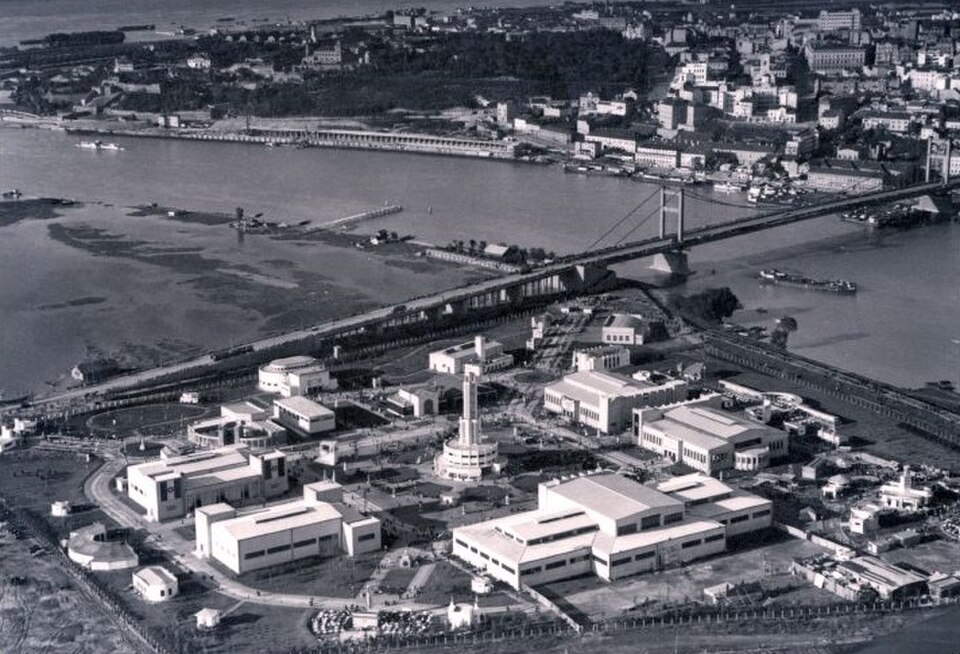
New Belgrade, on the left bank of the Sava at the Old Sava Bridge, opposite Savamala.
It is about twenty minutes' walk across the bridge from central Belgrade, or a short bus ride. Buses along the Bulevar Mihajla Pupina stop within ten minutes.
There is no metro in Belgrade; trams, buses and trolleybuses run instead, and the old town is walkable end to end.
Checked 2026-08-23 · Source

People live here. The pavilions contain flats, and the residents did not choose to live on a former camp. Photographing homes and looking into windows is the failure mode.
There is no interpretation on most of the site and no signage explaining which building was what.
Reconstruction has fenced parts of the site since July 2022.
This is a place where at least twenty thousand people were killed, and it is treated by many Belgraders as unresolved rather than as history.
There are no facilities of any kind.
Checked 2026-08-23 · Source
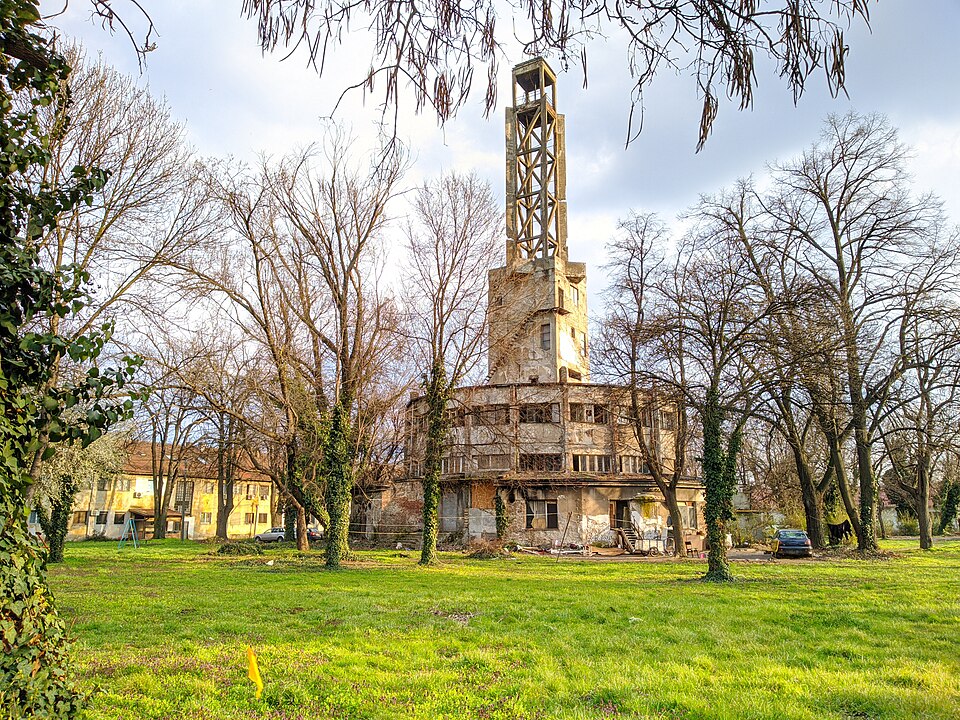
Photograph the buildings, not the people who live in them. That is the entire rule here.
The central tower of the 1937 fairground is the recognisable structure and is photographable from the open ground without pointing a camera at anyone's window.
The memorial on the Sava bank, with New Belgrade behind it, is the frame that carries the distance between what happened and what the place is now.
There is no reason to make a portrait of yourself here.
Checked 2026-08-23
The Belgrade fairground, built in 1937, turned by the German authorities into the Judenlager Semlin after the Axis invasion of 1941.
Estimates run from 20,000 to 23,000 in total. Between March and May 1942 a gas van sent from Berlin killed as many as 8,000, mostly Jewish women and children.
From 1943 to 1944 it was the Anhaltelager Semlin for Partisans, Chetniks and Serbian peasants. About 32,000 passed through and roughly 10,600 died.
Not yet. Serbia's National Assembly established the Memorial Centre Staro Sajmište on 24 February 2020 and reconstruction began in July 2022.
Yes. After the war the pavilions became artists' studios and then housing, and people have lived in them for decades.
The Jewish Historical Museum in central Belgrade, which has the material and the explanation the site itself does not yet give.
Loading the interactive map…
The interactive map could not be loaded.
Last updated:
Source: OpenStreetMap contributors, Wikidata ·