_-_Kula_Sibinjanin_Janka.jpg)

.jpeg)
.jpeg)


2 min walk · Zemun
Church of St. Demetrius
- High · Heritage site
- Place of worship
Language · 1 published
Historic monument · Градска општина Земун, Belgrade
Кула Гардош
| Monday | 09:00 – 20:00 |
|---|---|
| Tuesday | 09:00 – 20:00 |
| Wednesday | 09:00 – 20:00 |
| Thursday | 09:00 – 20:00 |
| Friday | 09:00 – 20:00 |
| Saturday | 09:00 – 20:00 |
| Sunday | 09:00 – 20:00 |
Closed to visitors between 11:00 – 18:00
Parsed from OpenStreetMap opening hours on 2026-08-25.
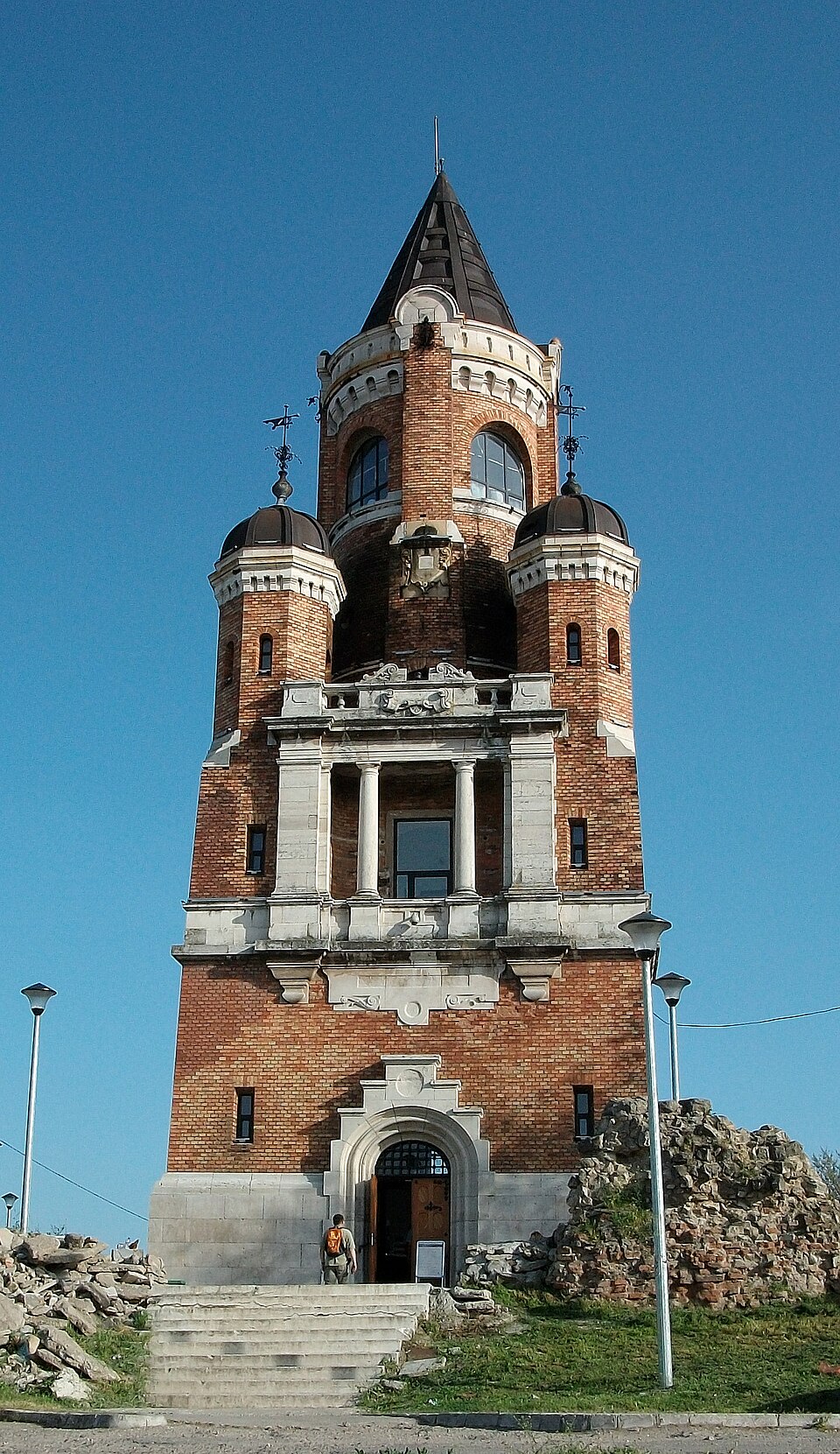
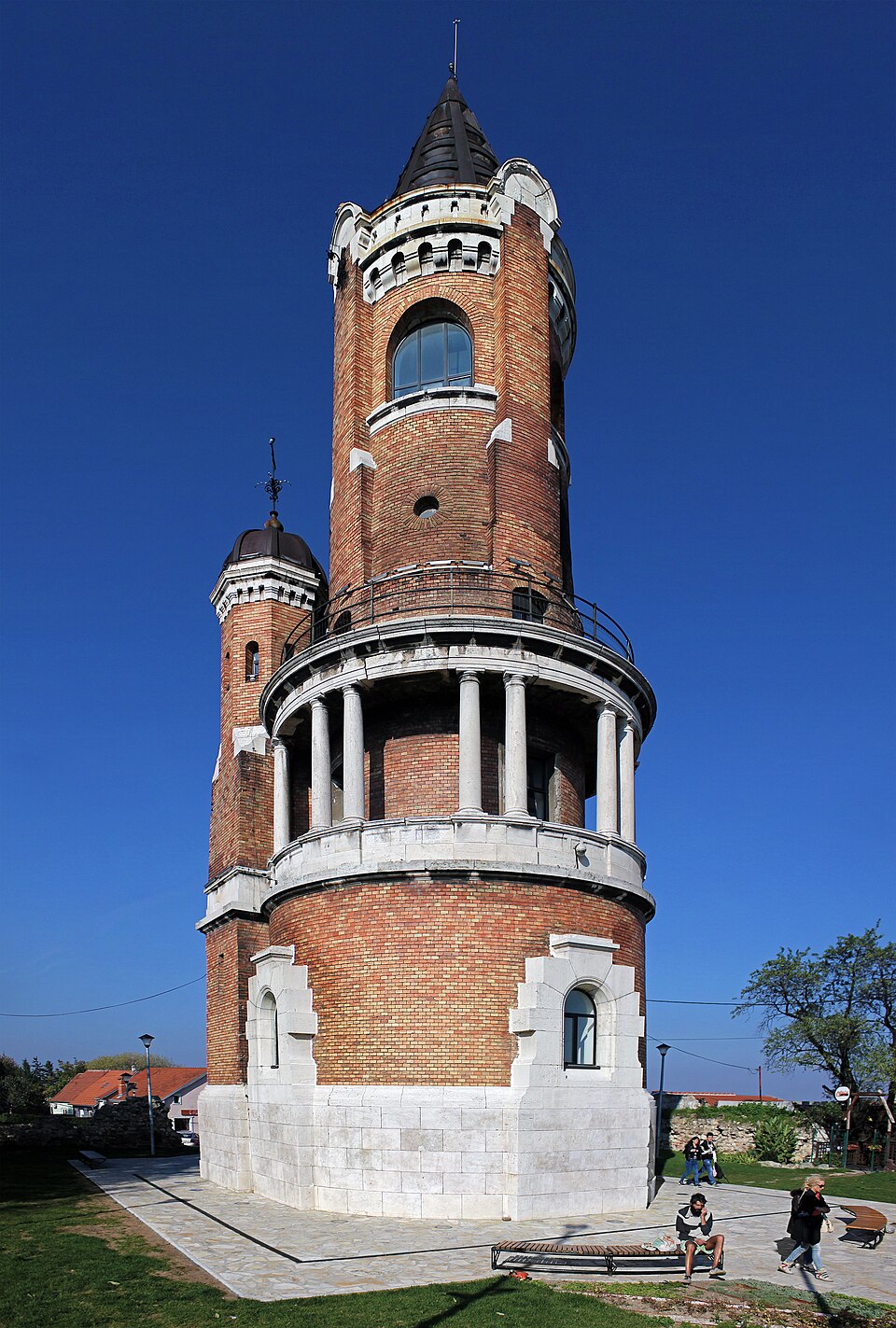
The Gardoš Tower was built by Hungary to mark a thousand years in the Pannonian plain, and it stands on the edge of what was then the empire.
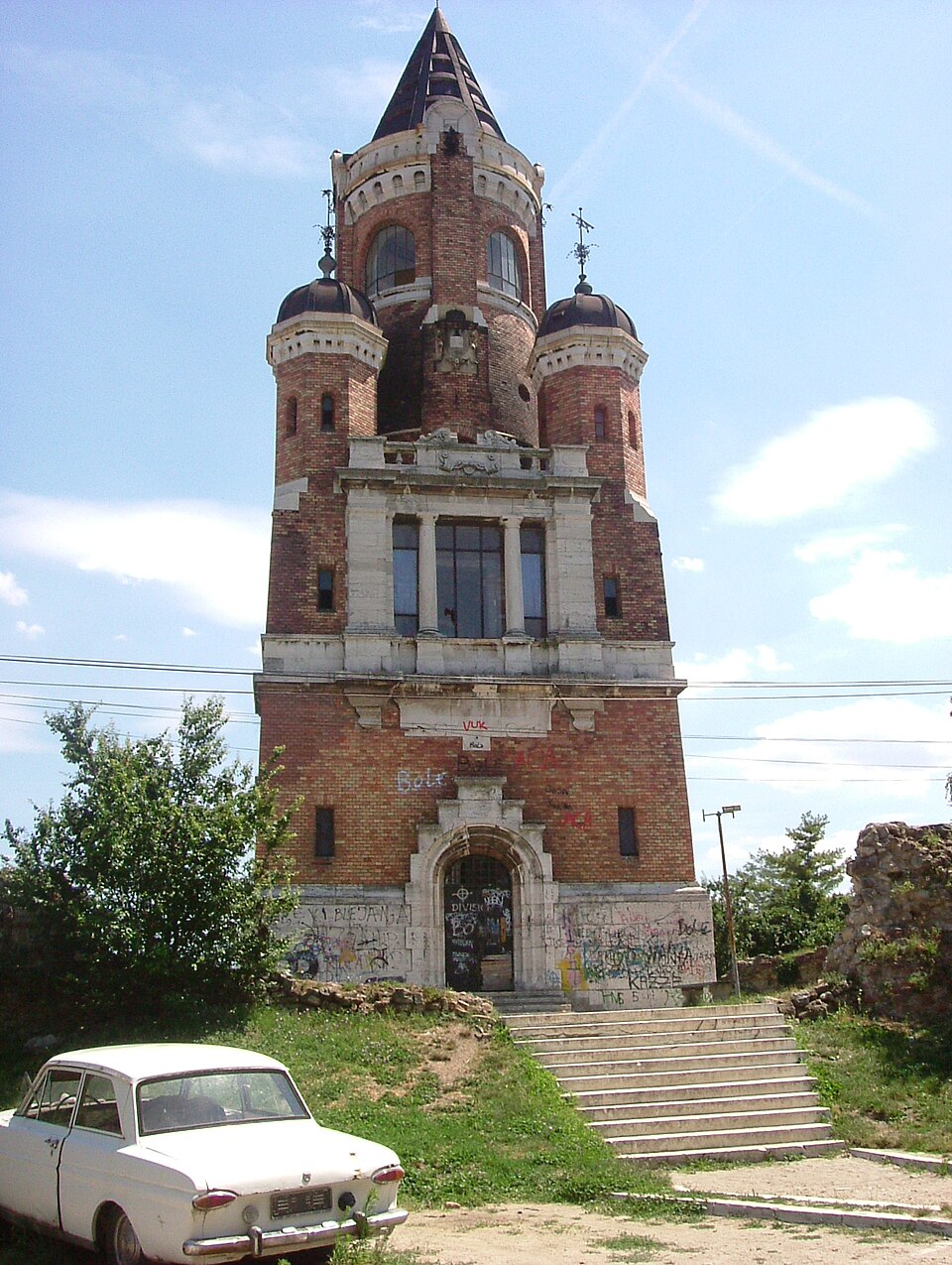
It opened on 20 August 1896, one of four millennium towers raised at the corners of the Kingdom of Hungary. Its official name is Kula Sibinjanin Janka, the Tower of John Hunyadi.
It sits on Gardoš hill above Zemun, looking across the Danube and the Sava confluence at Belgrade — which at the time it was built was the other side of a frontier.
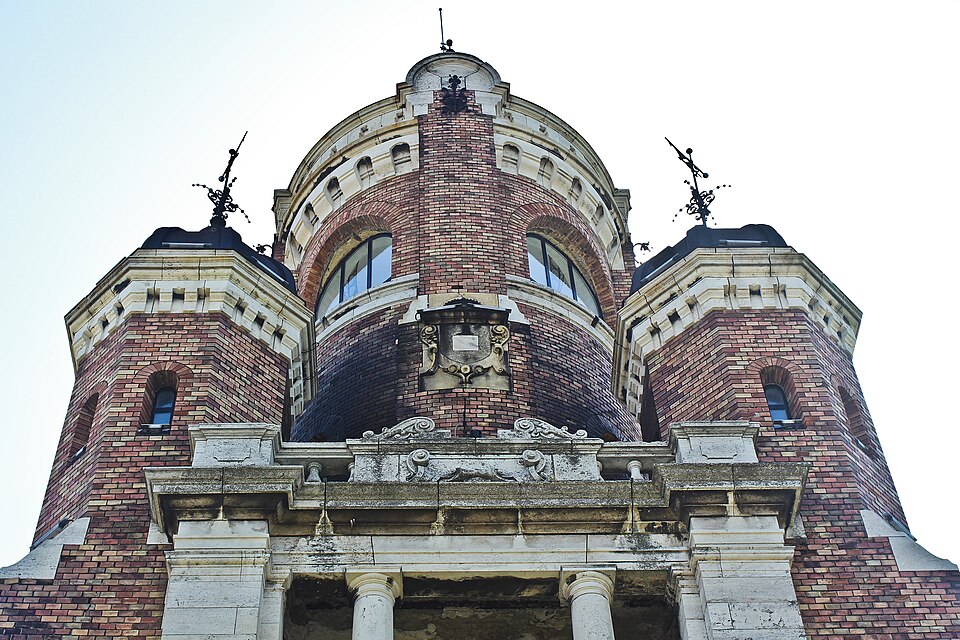
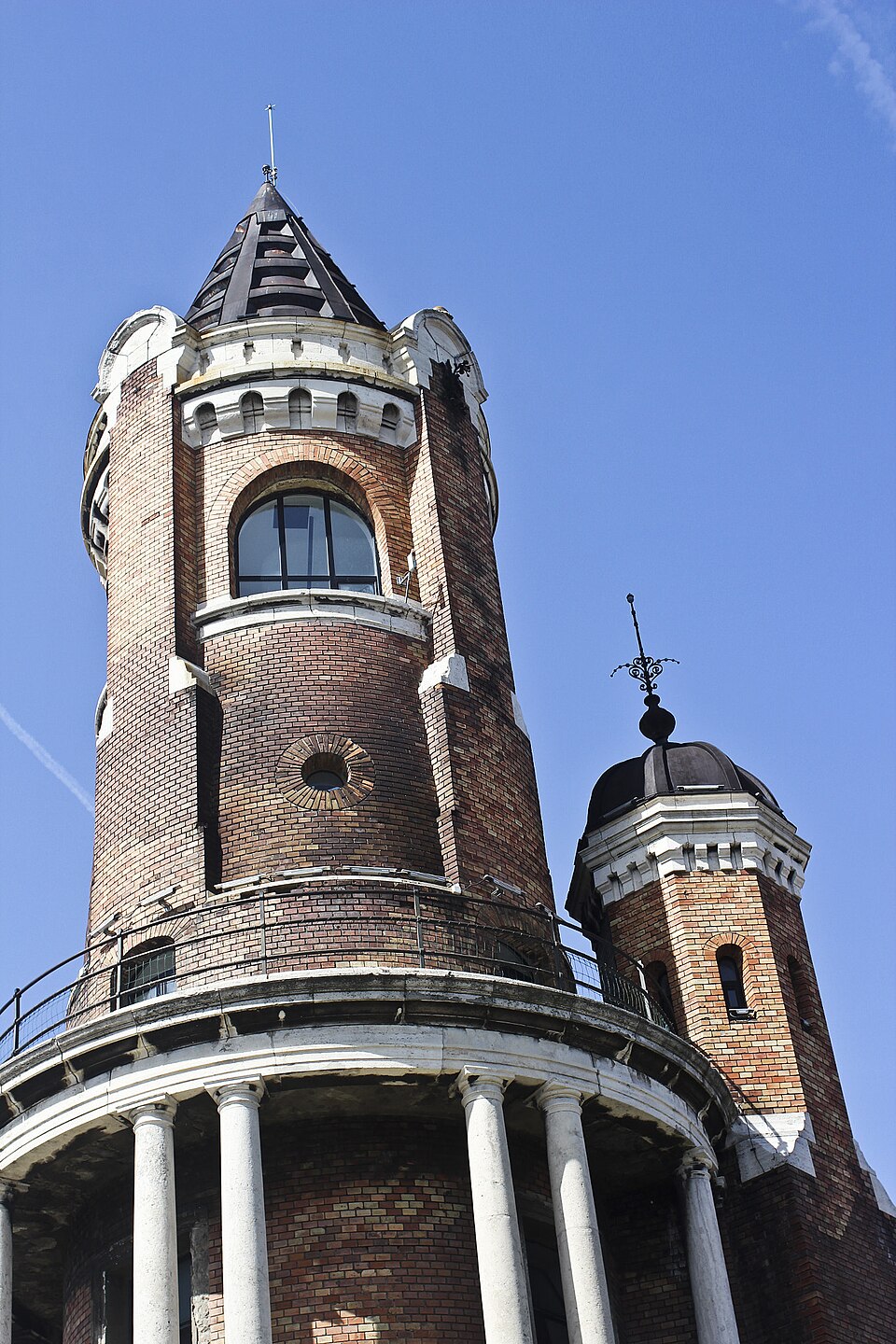
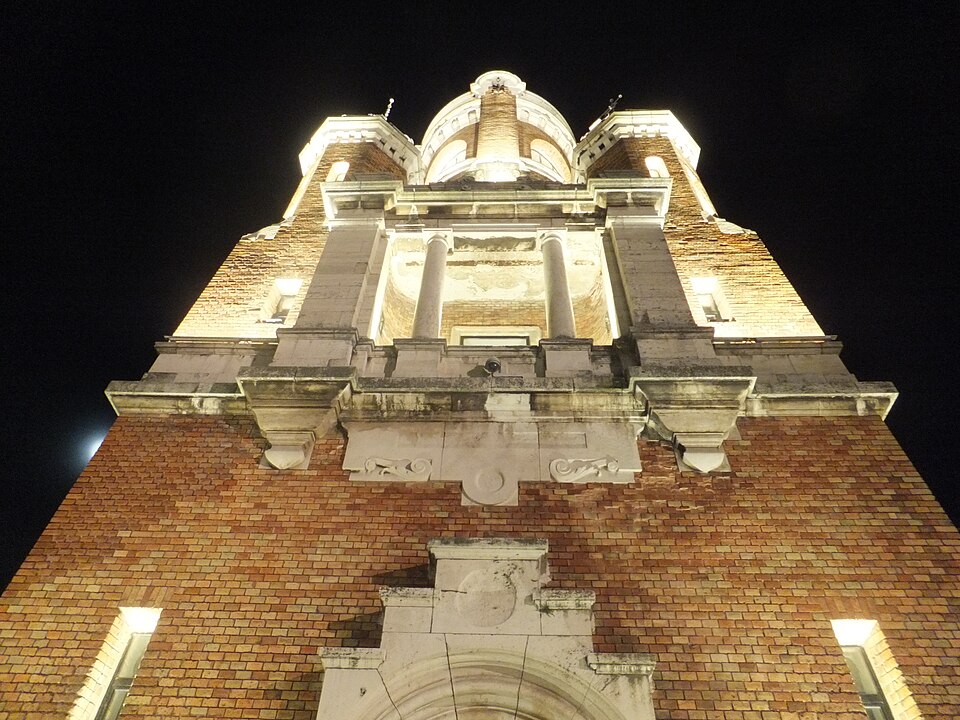
The style is eclectic and mostly Roman in its borrowings, which was the taste of central Europe in the 1890s.
Checked 2026-08-23 · Source
A viewing platform, and the walls of a much older fortress underneath.
The hill carries the remains of the medieval Zemun fortress — angular towers and defensive walls surviving from the Ottoman siege of 1521 — and the tower was dropped among them.
For decades it was used by Zemun's firemen as a lookout, which is a more honest account of its function than the millennium ceremony was.
The climb is short and the platform looks over the Danube, Zemun's red roofs, Great War Island and the Belgrade skyline beyond.
The lanes below it, running steeply down to the Danube quay, are the oldest part of Zemun.
Checked 2026-08-23 · Source
Half a day for Zemun, of which the tower is thirty minutes.
The tower and the walk up to it take half an hour. The old lanes below take another hour if you let them, and the Danube quay — the Kej oslobođenja — is a long flat walk with restaurants and boats along it.
Zemun is a separate town in feel: it was Habsburg while Belgrade was Ottoman, and the architecture still says so.
Allow the journey. It is several kilometres from the centre.
Checked 2026-08-23 · Source
Late afternoon, for the light on the Danube and the walk down to dinner on the quay.
The tower faces south-east across the water at Belgrade, so the city is lit in the morning and the river in the evening.
The hill is steep, cobbled and slippery in rain and ice.
Summer evenings on the Zemun quay are the best hours the neighbourhood has, and they are what Belgraders come out here for.
Winter empties both the hill and the quay, and the bare trees open the view from the fortress walls that the summer canopy closes.
Checked 2026-08-23
The tower charges a small admission for the climb. Current rates are not published on the sources this page uses and are not reproduced here.
The hill, the fortress remains and the lanes are free and open.
Opening hours are limited and seasonal, and the tower is not always staffed; the view from the hill outside it is nearly as good and costs nothing.
Checked 2026-08-23 · Source
Zemun, on Gardoš hill above the Danube, several kilometres north-west of central Belgrade.
Buses from Zeleni Venac and from the Bulevar Mihajla Pupina run to Zemun in twenty to thirty minutes. From the Zemun quay the climb up the lanes takes ten minutes and is steep.
There is no metro in Belgrade; trams, buses and trolleybuses run instead, and the old town is walkable end to end.
Checked 2026-08-23 · Source
Opening hours are limited and seasonal and the tower is sometimes closed with no notice.
The climb up Gardoš is steep, cobbled and unlit after dark; the lanes are residential and narrow.
The medieval fortress remains are unfenced ruins on a hillside, without guarding or interpretation.
Zemun is far enough out that returning after the buses thin means a taxi.
The hill is a residential neighbourhood, not a monument site, and the people living on it are used to but not obliged to enjoy the visitors.
Checked 2026-08-23 · Source
The view from the hill is the photograph and it does not require paying to climb the tower: Zemun's roofs, the Danube, Great War Island and Belgrade on the ridge beyond.
Late afternoon and the hour after sunset are when the river carries colour.
The tower itself is best photographed from below in the lanes, where the roofs frame it, rather than from the flat ground at the top.
The Zemun quay looking back up at the hill, with the tower on the skyline, is the composition that explains where the tower actually stands.
Checked 2026-08-23
A millennium tower opened on 20 August 1896 to mark a thousand years of Hungarian settlement in the Pannonian plain. Its official name is Kula Sibinjanin Janka.
Gardoš hill was the edge of the Kingdom of Hungary, looking across the rivers at Ottoman and then Serbian Belgrade. The tower was a statement about a frontier.
Yes — the remains of the medieval Zemun fortress, angular towers and walls surviving from the Ottoman siege of 1521, unfenced on the hillside.
No. The hill outside the tower gives nearly the same view for nothing. The climb up the tower itself is ticketed and its hours are limited and seasonal.
Buses from Zeleni Venac and the Bulevar Mihajla Pupina take twenty to thirty minutes. From the quay the climb up the lanes is steep and takes ten minutes.
The old lanes below the hill, the Danube quay with its restaurants and boats, and a townscape that is Habsburg rather than Balkan, because Zemun was on the other side of the border.
Loading the interactive map…
The interactive map could not be loaded.
Last updated:
Source: OpenStreetMap contributors, Wikidata ·