


1 min walk · Savski Venac
Stefan Nemanja Monument
- High
- Historic monument
Language · 1 published
Historic monument · Градска општина Савски венац, Belgrade
Стара железничка станица Београд

Belgrade Main railway station is a disused 19th-century station building on Savski trg, built between 1882 and 1885 to a design begun by the Austrian architect Wilhelm von Flattich and completed by Dragiša Milutinović. It opened fully on 21 September 1885, after King Milan, Queen Natalie and Crown Prince Alexander rode the first train from the site to Zemun on 1 September 1884. The station closed to all rail traffic on 30 June 2018, with the last international service, train 340 to Budapest, departing at 21:40, to free the site for the Belgrade Waterfront redevelopment.
The building is not a working railway station today and has not been one since 2018. It stands as a protected monument on the edge of the Waterfront construction zone, at the point where the Sava riverfront meets Karađorđeva street, and is being adapted to house the Historical Museum of Serbia. As of this writing that adaptation is not finished and the building is not open to the public as a museum.
Checked 2026-08-23 · Source
There is no visitor exhibition inside the building at present; it is a closed construction and conversion site. Wikipedia records that by 2022 the unused interior had been damaged by fires and left exposed to flooding and mould, and that the building's future use has shifted several times between proposals for a railway museum, a Nikola Tesla museum, a Medieval Serbia museum and, currently, the Historical Museum of Serbia.
The station was declared a cultural monument in 1981 and a cultural monument of great importance in 1983, which is why the 1885 building itself, rather than any modern replacement, was kept standing on the Waterfront site rather than demolished. In its working life the station became a stop on the Orient Express in 1888, gave Nikola Tesla a ceremonial reception in 1892, and received Belgrade's first automobile on 3 April 1903; it was damaged in the German bombing of Belgrade on 6 April 1941 and again in an Allied Easter bombing in 1944, and in 1968 was the target of a bomb attack in its cloakroom that injured 13 people.
Checked 2026-08-23 · Source
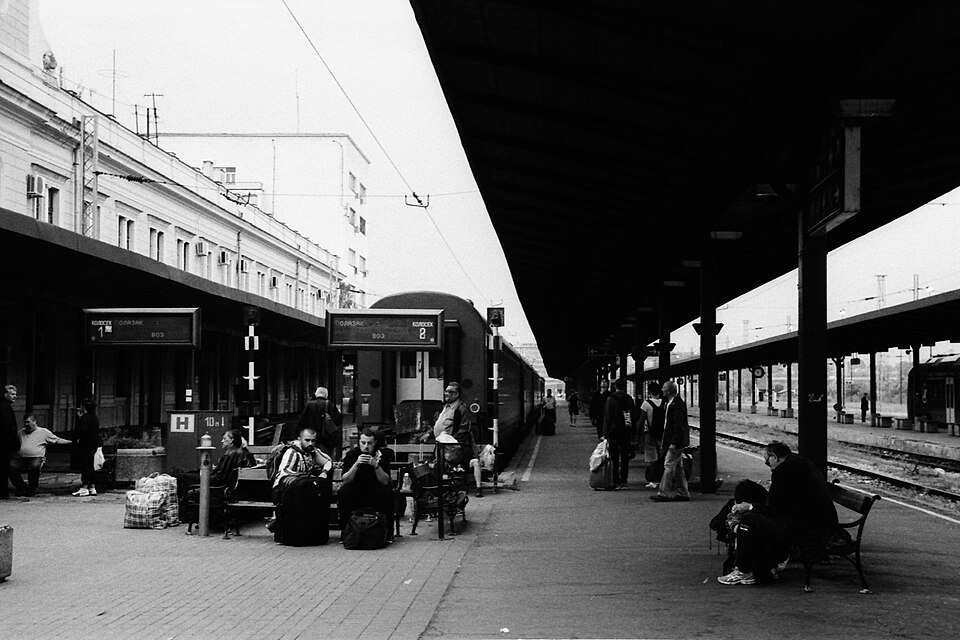
No visit is possible today, so no visit length applies. The building can only be seen from outside, from Savski trg or along the riverside promenade past the Belgrade Waterfront towers; that exterior look takes a few minutes on the way to or from the river.
Checked 2026-08-23

There is no opening season or visiting calendar to plan around, since the building holds no public programme. The exterior can be walked past at any time of day; the surrounding Waterfront promenade is at its pleasantest in the late afternoon, when the low sun lights the station's façade along Savski trg.
Checked 2026-08-23
There is no ticket to buy: the building is not open as a museum and no admission scheme has been published for it. Once the Historical Museum of Serbia occupies the building, admission and hours will be set by that museum; nothing about them has been announced on the sources this page uses.
Checked 2026-08-23
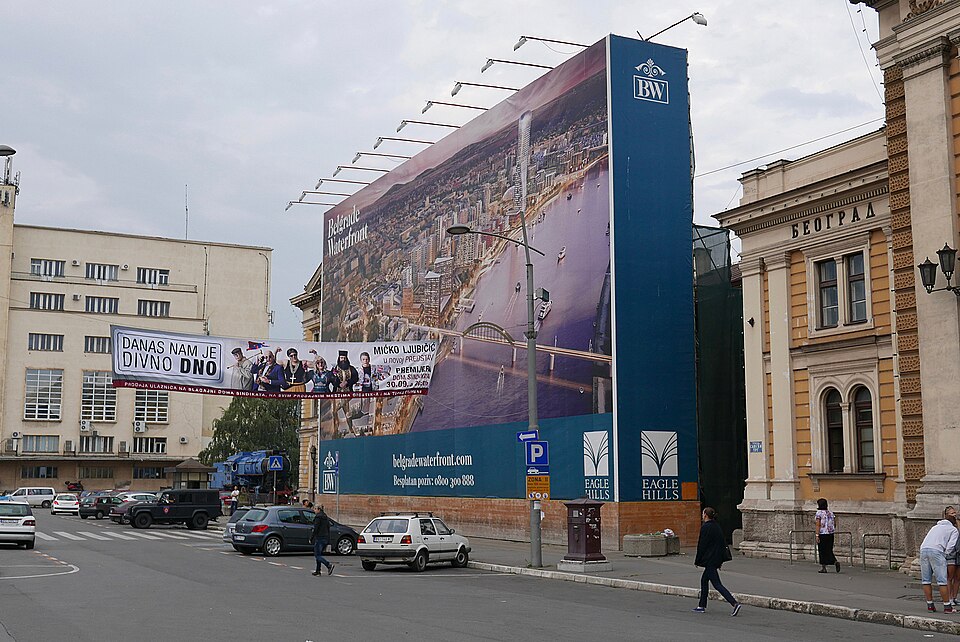
The station stands at Savski trg 2, on the edge of the Belgrade Waterfront district, a short walk south along Karađorđeva street from Republic Square and Knez Mihailova. Belgrade has no metro, so the practical approach on foot from the old town centre takes roughly fifteen to twenty minutes; trams and buses running along Karađorđeva and into the Waterfront district also stop within a few minutes' walk of the building.
Checked 2026-08-23
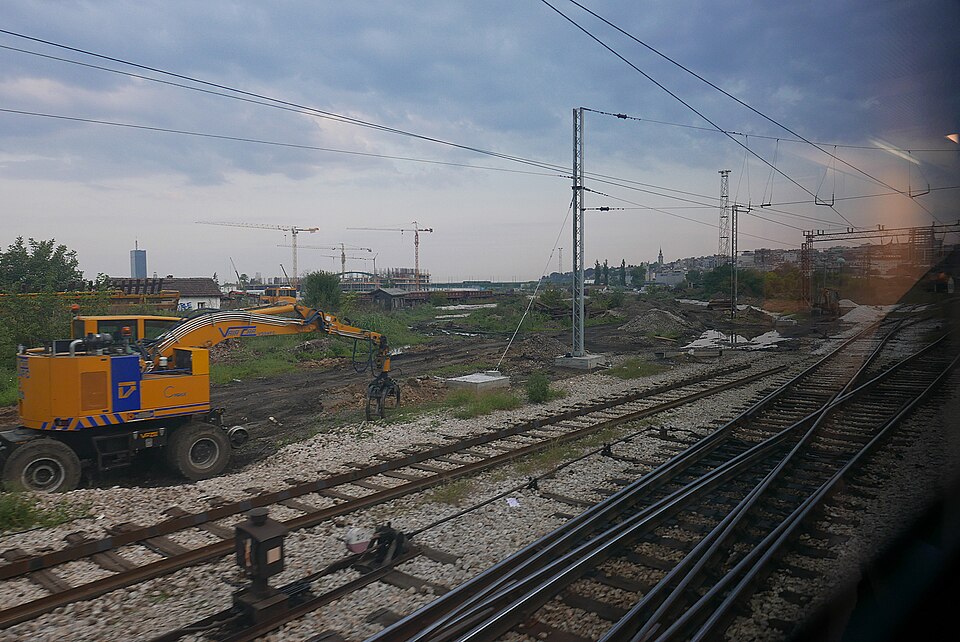
The building sits inside and beside an active construction zone: fenced perimeters, machinery access roads and shifting pedestrian routes are normal around the Waterfront site, and there is no public entrance to the station building itself. Treat it as a closed structure rather than a museum with restricted hours — there is no queue to join and no ticket desk to find, because there is nothing open to enter.
Photography of the exterior from the surrounding public street and promenade is unrestricted, but the construction site itself is fenced and off-limits, and going past a fence line for a closer photograph is trespassing on an active site rather than a museum precaution.
Checked 2026-08-23
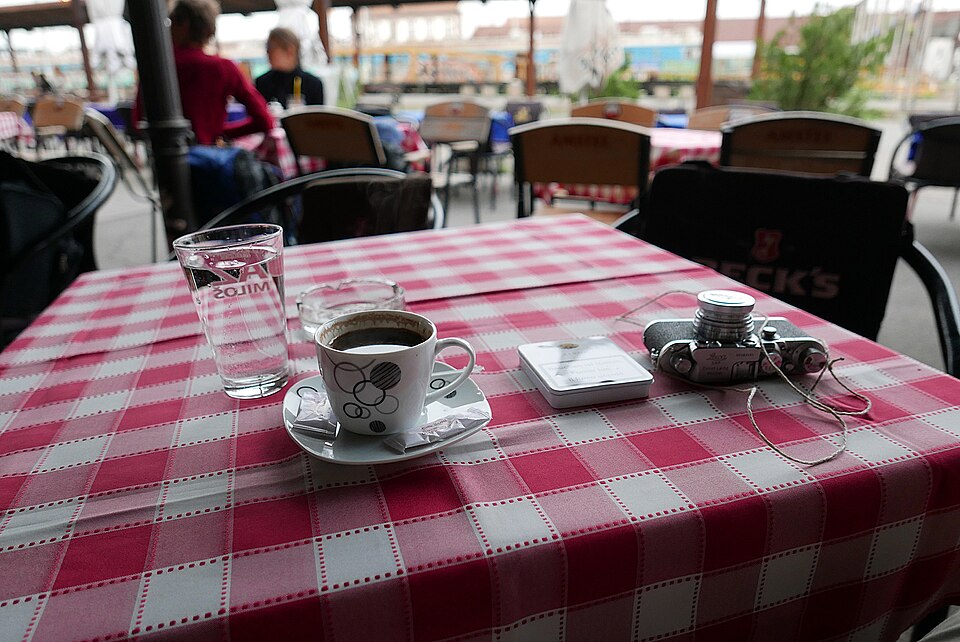
The façade along Savski trg, with its arched windows and the royal waiting-room wing, photographs well from the open square in front of it, particularly in late-afternoon light when the sun comes in low along the river. The building's contrast with the glass towers rising around it on the Waterfront site is itself the more contemporary picture, and it is best taken from across Savski trg or from the riverside promenade rather than close against the construction fencing.
Checked 2026-08-23
No. It closed to all rail traffic on 30 June 2018, when services moved to make way for the Belgrade Waterfront development; the last train, an international service to Budapest, left at 21:40 that day.
Not currently. The building is being adapted to house the Historical Museum of Serbia, and that conversion is not finished; it holds no public exhibition or visiting hours at present.
The Historical Museum of Serbia. Earlier plans over the years had proposed a railway museum, a Nikola Tesla museum or a Medieval Serbia museum for the same building before that decision was made.
It was built between 1882 and 1885, to a design begun by the Austrian architect Wilhelm von Flattich and elaborated by Dragiša Milutinović, and opened fully on 21 September 1885.
To free the site for the Belgrade Waterfront project, a large riverside redevelopment on the Sava; the station building itself was kept as a protected cultural monument rather than demolished.
Yes. It was declared a cultural monument in 1981 and a cultural monument of great importance in 1983, which is the legal basis for preserving the 1885 building inside the Waterfront redevelopment.
Loading the interactive map…
The interactive map could not be loaded.
Last updated:
Source: OpenStreetMap contributors, Wikidata ·