
4 min walk
Muzdalifah
- Must see
- Place of worship
Language · 11 published
Place of worship · Mecca
مسجد المشعر الحرام
Read from the OpenStreetMap access tags; anything not listed has no tag recorded.
Set the group type to family in the planner and the day window contracts to about three quarters of a solo day.
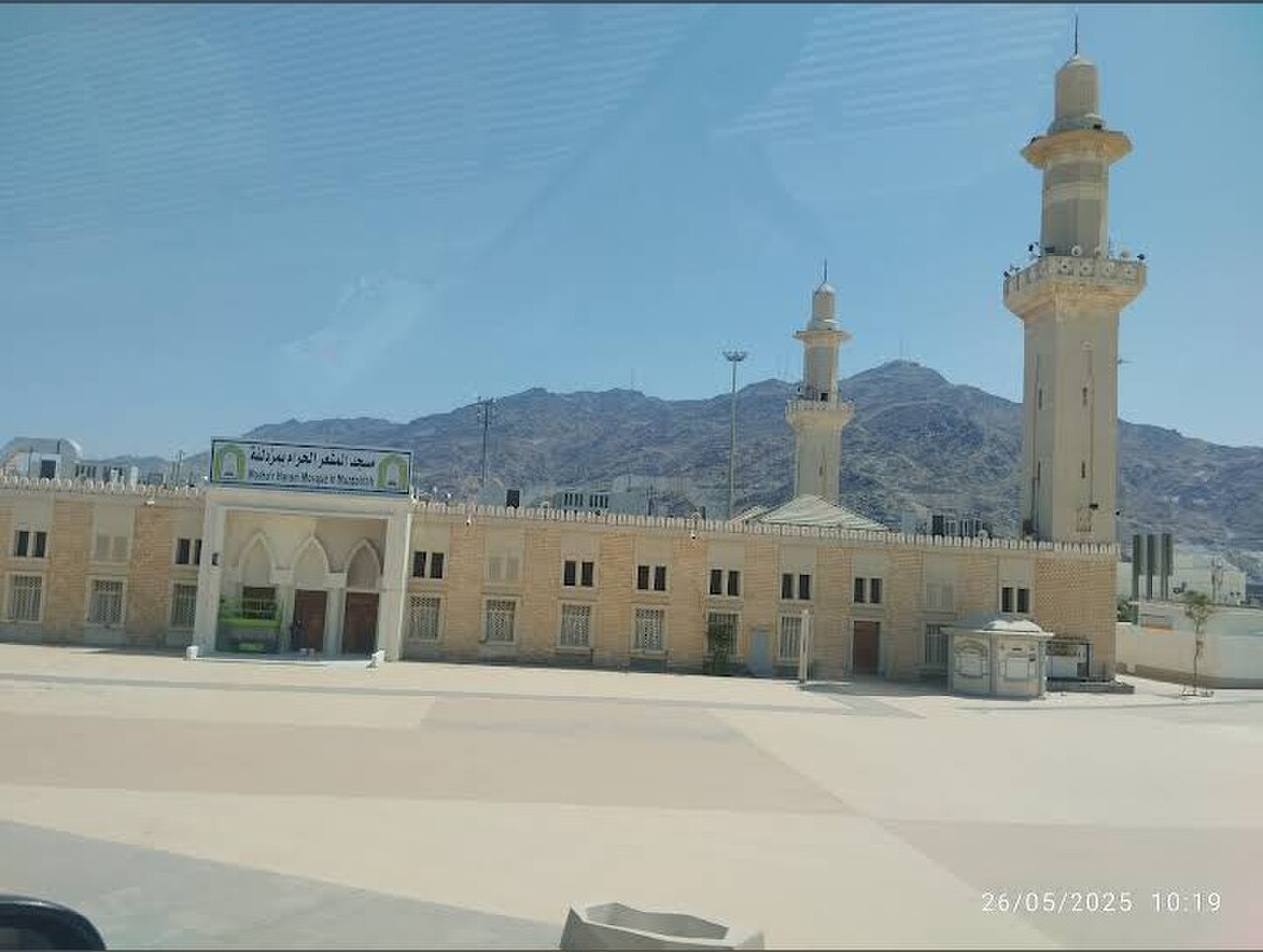
Masjid al-Mash'ar al-Haram, known as the Sacred Monument Mosque, stands among the most spiritually significant sites in Islam. Located in Muzdalifah, between Mina and Arafat near Mecca, it marks the place where pilgrims gather during the Hajj pilgrimage. The mosque occupies the area traditionally identified as al-Mash'ar al-Haram, referenced in the Quran. Pilgrims perform the Wuquf ritual here after sunset on the ninth day of Dhu al-Hijjah. The structure serves as an open prayer space and gathering point for millions of worshippers during the annual pilgrimage season. Its religious importance extends across all Islamic traditions.
Checked 2026-08-26
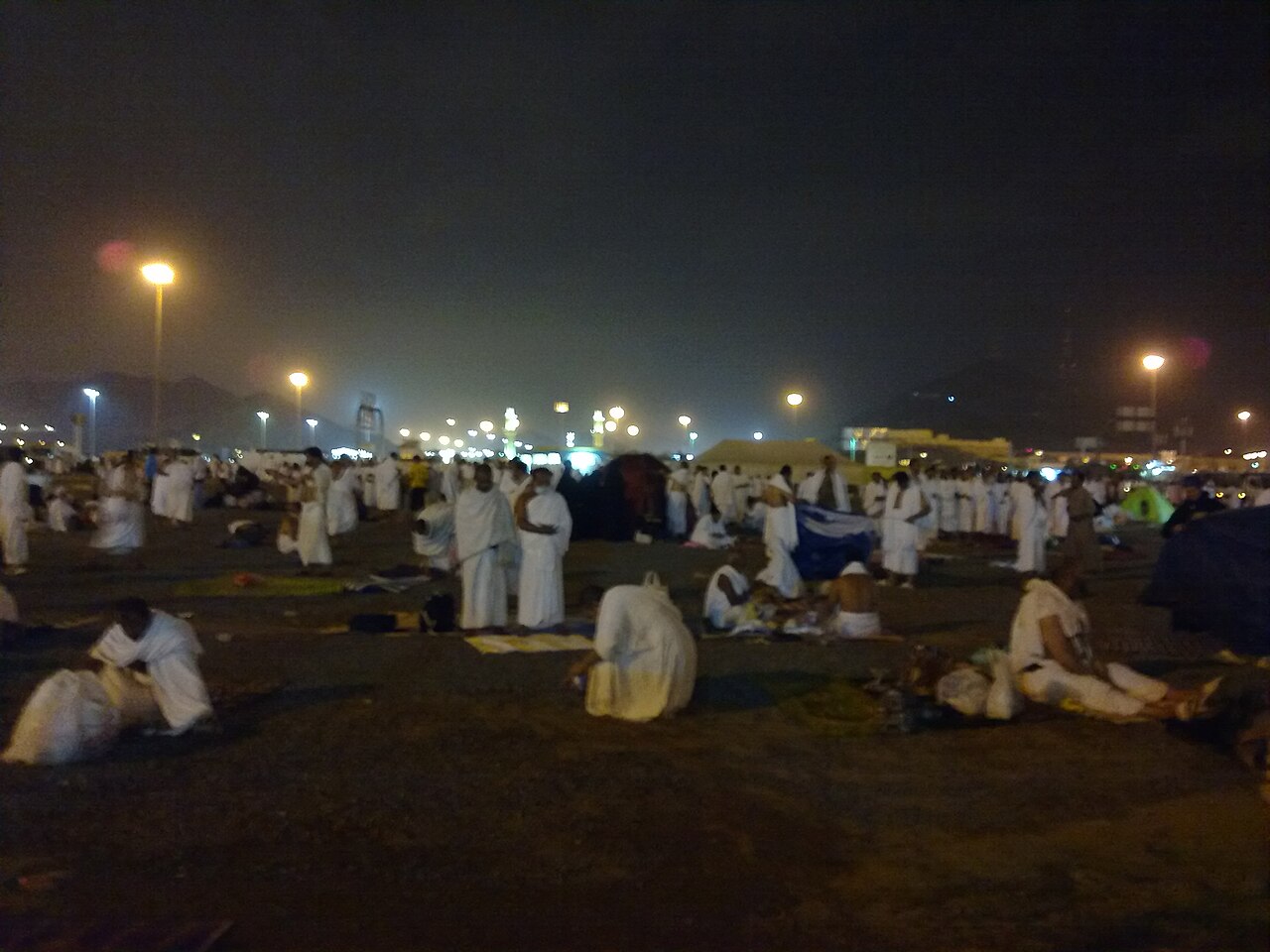
The mosque features a large open-air prayer area designed to accommodate vast crowds during Hajj. Multiple minarets rise from the structure, enabling the call to prayer across Muzdalifah. The building contains illuminated spaces for nighttime worship when pilgrims arrive after sunset from Arafat. Water and ablution facilities serve the needs of visitors. The interior lacks decorative elements typical of ornate mosques, prioritizing functional capacity over aesthetic complexity. Expansion projects have periodically increased the covered area. The surrounding grounds provide space for pilgrims to rest, collect pebbles for the Rami al-Jamarat ritual, and prepare for the journey onward to Mina.
Checked 2026-08-26
Visits to Masjid al-Mash'ar al-Haram follow the structured timeline of Hajj rituals rather than conventional sightseeing. Pilgrims typically arrive after sunset on the ninth of Dhu al-Hijjah and remain until dawn prayers conclude. This period spans approximately eight to ten hours of active worship, rest, and preparation. The Wuquf ritual itself constitutes the core obligation, performed between sunset and dawn. Many pilgrims choose to sleep briefly on the ground in the open area or within covered sections. The duration is not flexible; departure before dawn prayers would invalidate this essential Hajj component for those performing the pilgrimage.
Checked 2026-08-26
The mosque serves its primary function exclusively during the annual Hajj season, specifically on the ninth and tenth days of Dhu al-Hijjah in the Islamic calendar. Outside these dates, the site holds limited active religious programming. The Islamic calendar follows lunar cycles, shifting approximately eleven days earlier each Gregorian year. Pilgrims must coordinate arrival precisely with the Hajj schedule established by Saudi authorities. Weather conditions in Muzdalifah range from extreme summer heat to cooler winter nights. The nighttime arrival during Hajj often exposes visitors to temperature drops, requiring appropriate preparation for outdoor conditions. Check the operator's own site for the travel date before relying on a schedule or fare.
Checked 2026-08-26
Access to Masjid al-Mash'ar al-Haram is governed entirely by Hajj permit regulations issued by the Kingdom of Saudi Arabia. No independent visitor access exists outside authorized pilgrimage channels. Prospective pilgrims must secure Hajj visas through approved tour operators or national quotas administered by their countries of residence. Costs encompass comprehensive Hajj packages including accommodation, transport, and logistical support across all ritual sites. Saudi authorities periodically revise fees and quota systems. Unauthorized entry attempts carry serious legal consequences. The mosque itself charges no separate admission, functioning as an integral component of the regulated pilgrimage infrastructure rather than an individually ticketed attraction. Check the operator's own site for the travel date before relying on a schedule or fare.
Checked 2026-08-26
Masjid al-Mash'ar al-Haram lies in Muzdalifah, approximately halfway between the plain of Arafat and Mina, southeast of central Mecca. During Hajj, Saudi authorities organize mass transport systems moving pilgrims between ritual sites. Walking routes connect the mosque to surrounding areas, though distances are substantial. Special metro and bus services operate exclusively during pilgrimage periods. Private vehicles face strict restrictions near ritual sites during peak Hajj days. Pilgrims typically arrive from Arafat by foot or authorized transport after sunset on the ninth of Dhu al-Hijjah. The infrastructure undergoes intensive temporary expansion annually to manage pedestrian and vehicle flow across millions of participants.
Checked 2026-08-26
Extreme crowd density presents the foremost safety consideration, with millions converging simultaneously in confined spaces. Heat exhaustion and dehydration threaten during warmer pilgrimage years; adequate water consumption proves essential. Nighttime conditions may include uneven ground and limited visibility despite artificial lighting. Personal belongings require vigilant protection in dense gatherings. Medical facilities operate nearby but access may be delayed during peak congestion. Pilgrims should carry identification and emergency contact information. The transition from Arafat arrival creates psychological and physical fatigue. Rest periods matter for maintaining alertness. Following official guidance from Hajj organizers supersedes individual navigation decisions throughout the ritual sequence.
Checked 2026-08-26
Photography within and around Masjid al-Mash'ar al-Haram demands heightened sensitivity due to the sacred nature of Hajj rituals and the presence of millions of worshippers in vulnerable spiritual states. Saudi authorities maintain specific regulations regarding image capture at religious sites. Pilgrims should prioritize ritual observance over documentation. When photography is permitted, respect for fellow pilgrims' privacy and concentration remains paramount. Flash photography may disturb nighttime worshippers. Drone usage is strictly prohibited throughout Hajj zones. Commercial photography requires explicit authorization. Visitors must recognize that many pilgrims consider unsolicited imaging intrusive during intensely personal religious moments. Discretion and deference to worshippers outweigh photographic opportunities.
Checked 2026-08-26
No. Access to all sites in the Hajj zone, including Masjid al-Mash'ar al-Haram, is restricted to Muslims holding valid Hajj or Umrah permits. Saudi regulations prohibit non-Muslim entry to the holy city of Mecca and its surrounding ritual areas.
The mosque primarily functions during Hajj. While the physical structure exists year-round, organized religious programming and access infrastructure operate almost exclusively for the annual pilgrimage. Independent visitation outside authorized pilgrimage periods is not practical.
Pilgrims should prepare for outdoor conditions: lightweight bedding or sleeping mat, warm layers for nighttime temperature drops, personal water supply, essential medications, and minimal valuables. Hajj organizers typically provide additional guidance on permitted items.
The mosque emphasizes open floor space for prayer and rest. Fixed seating is limited or absent. Pilgrims generally sit and sleep on the ground, consistent with the humble spiritual character of the Wuquf ritual.
Saudi authorities implement comprehensive crowd control systems including designated walking routes, temporary barriers, security personnel deployment, and real-time monitoring. Pilgrims must follow official directions and avoid counter-flow movement.
Medical stations operate throughout Muzdalifah during Hajj. Emergency services maintain dedicated access corridors. Pilgrims should carry identification and any critical medical information. Severe cases may be evacuated to hospitals in Mecca or Mina.
Loading the interactive map…
The interactive map could not be loaded.

Last updated:
Source: OpenStreetMap contributors ·