


4 min walk
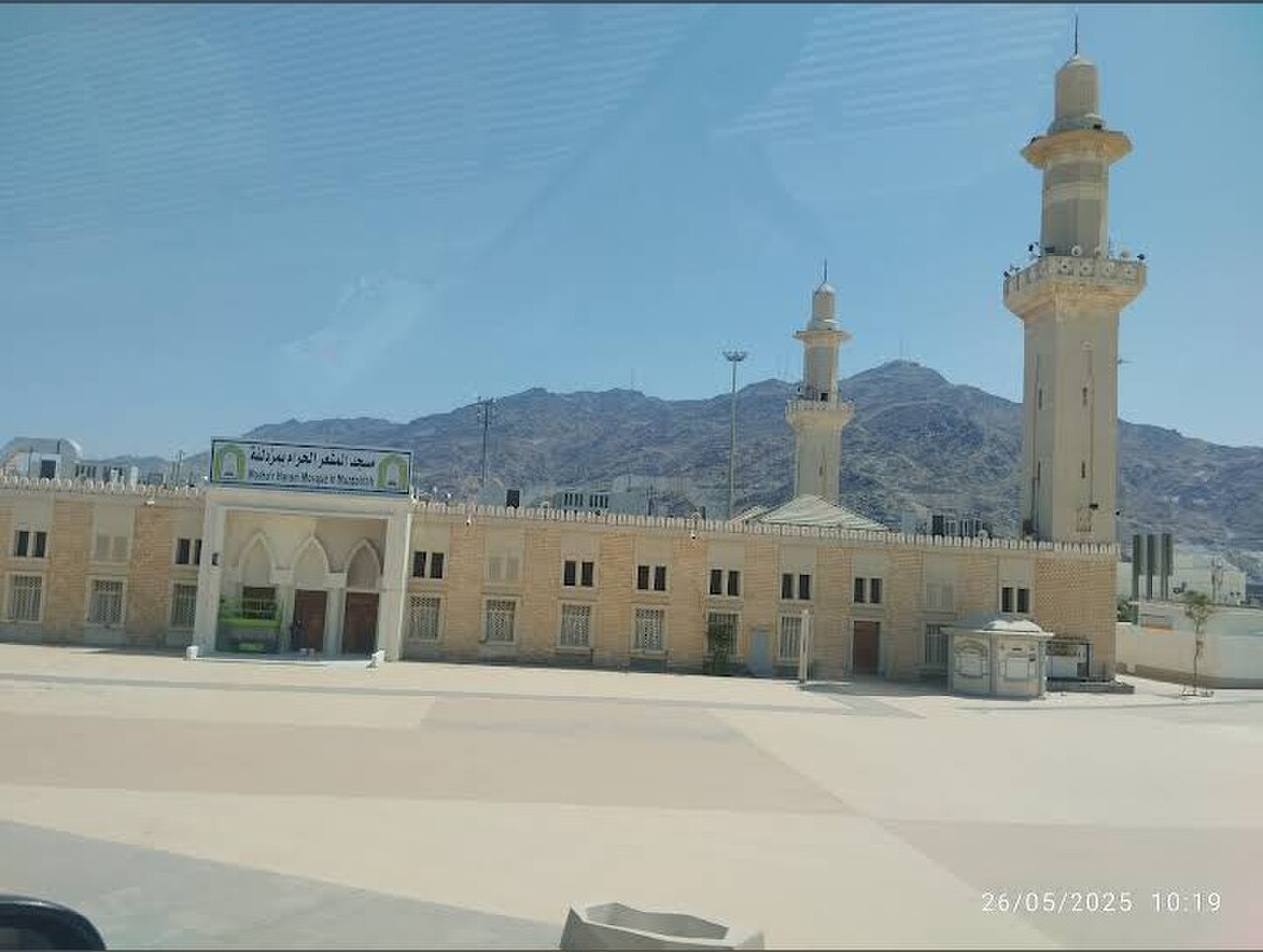
Al-Mash'ar al-Haram Mosque
- Must see
- Place of worship
Language · 11 published
Place of worship · Mecca
Read from the OpenStreetMap access tags; anything not listed has no tag recorded.
Set the group type to family in the planner and the day window contracts to about three quarters of a solo day.
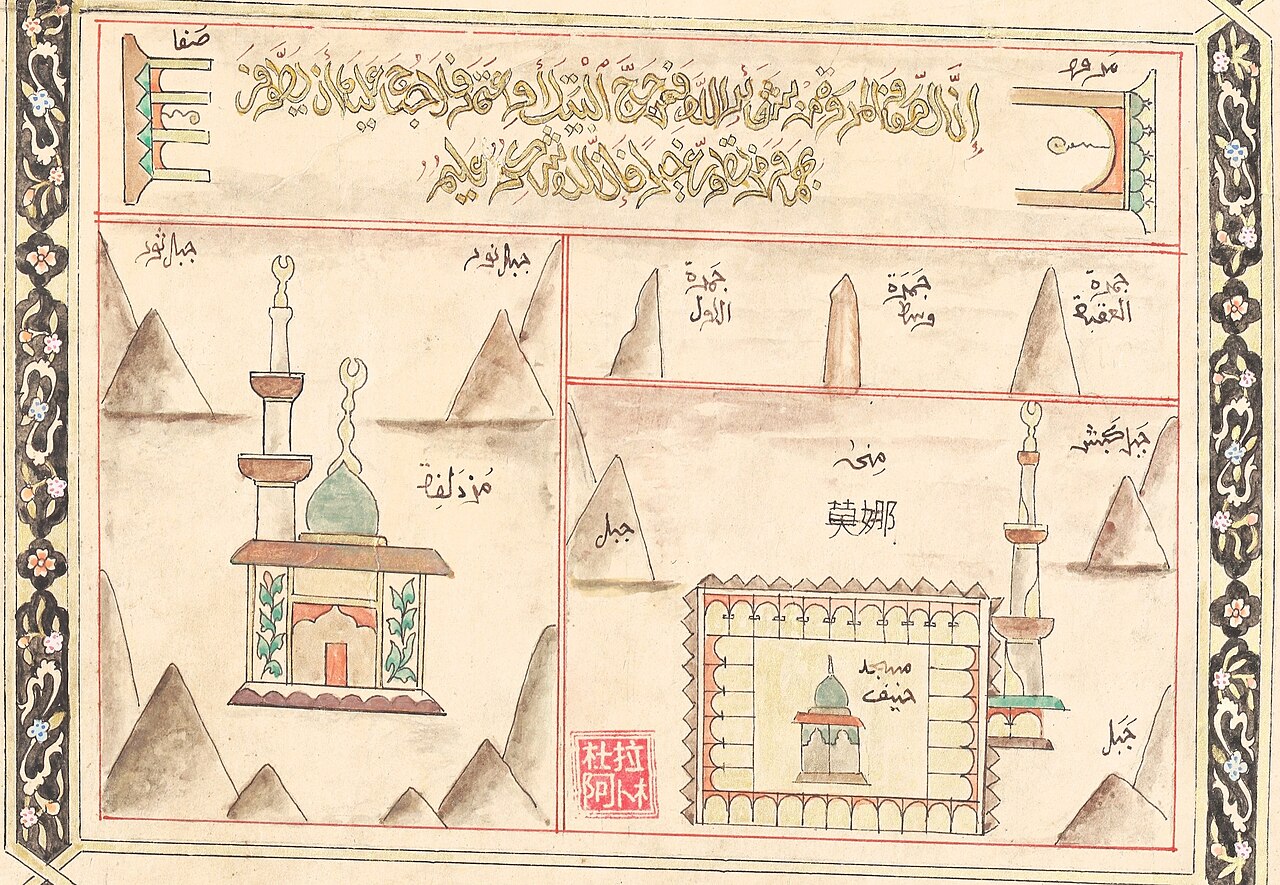
Muzdalifah is an open plain located between the holy sites of Arafat and Mina, approximately seven kilometres east of Mecca. It serves as the mandatory overnight station for Hajj pilgrims performing the Wuquf at Arafat, a central rite of the annual pilgrimage. The site holds profound religious significance in Islam, as pilgrims gather here to rest, pray, and collect pebbles for the symbolic stoning ritual at Jamarat. Its identity is almost entirely defined by this singular function during the Hajj season. Muzdalifah also earns time in a mecca itinerary because The obligatory overnight station between Arafat and Mina is retained despite its intensely seasonal Hajj access and activity. Its value becomes clearer when the stop is compared with the surrounding streets and the other ranked places nearby.
Checked 2026-08-26
The terrain of Muzdalifah consists largely of unimproved desert plain with minimal permanent infrastructure. Pilgrims typically sleep in the open air or within temporary tent accommodations erected for the Hajj period. The area contains the Mosque of Mashar al-Haram, where prayers are performed. Basic sanitary facilities and water distribution points are installed seasonally. No permanent commercial establishments, museums, or visitor centres operate at this location. The landscape is characterised by its stark simplicity, with pilgrims spread across a broad area during the overnight stay.
Checked 2026-08-26

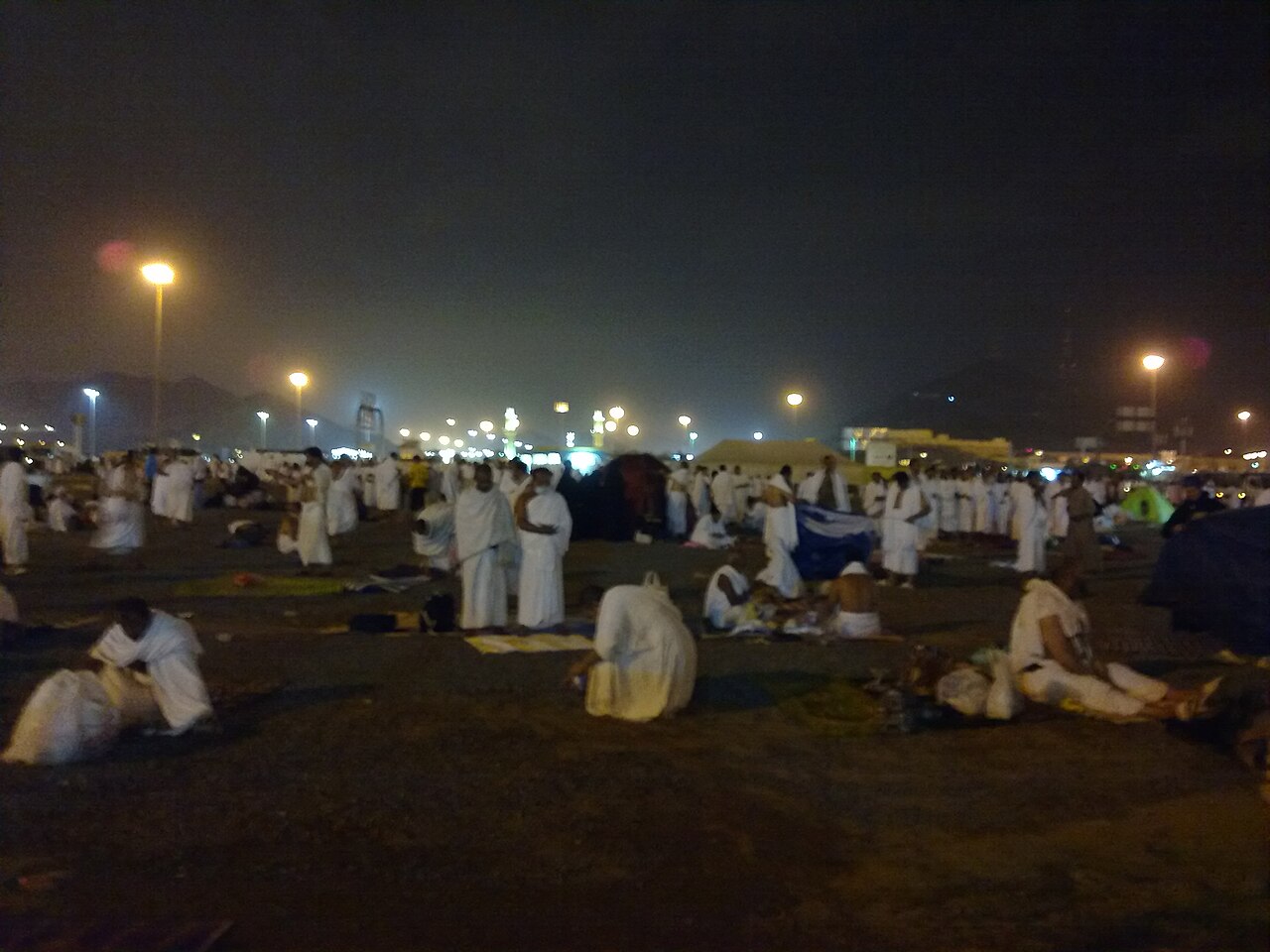
The stay at Muzdalifah is ritually prescribed rather than discretionary. Pilgrims arrive after sunset following the day at Arafat and remain until after dawn prayer, typically departing for Mina before sunrise. This constitutes an overnight stay of roughly eight to ten hours. Extensions beyond the minimum are permissible but uncommon due to the pressing schedule of subsequent rites. Non-pilgrims do not visit this site, as access is functionally restricted to those performing Hajj during the designated period. No recreational or extended visitation occurs.
Checked 2026-08-26
Muzdalifah is accessible exclusively during the annual Hajj pilgrimage, specifically on the evening of the ninth day of Dhu al-Hijjah through the early morning of the tenth day. This timing follows the Islamic lunar calendar and shifts approximately eleven days earlier each Gregorian year. The site remains inactive and effectively inaccessible for the remainder of the year. Prospective pilgrims must coordinate arrival through authorised Hajj operators, as independent access is not practicable. Check the operator's own site for the travel date before relying on a schedule or fare.
Checked 2026-08-26
No direct ticketing system exists for Muzdalifah itself. Participation is governed by the comprehensive Hajj package obtained through licensed Saudi operators or national Hajj authorities. Costs vary substantially by country of origin, package tier, and services included. These packages encompass transport, accommodation, and logistical coordination across all holy sites. Pilgrims should verify all arrangements exclusively through officially recognised channels, as unauthorised participation carries legal and logistical complications within Saudi Arabia's regulated pilgrimage framework.
Checked 2026-08-26
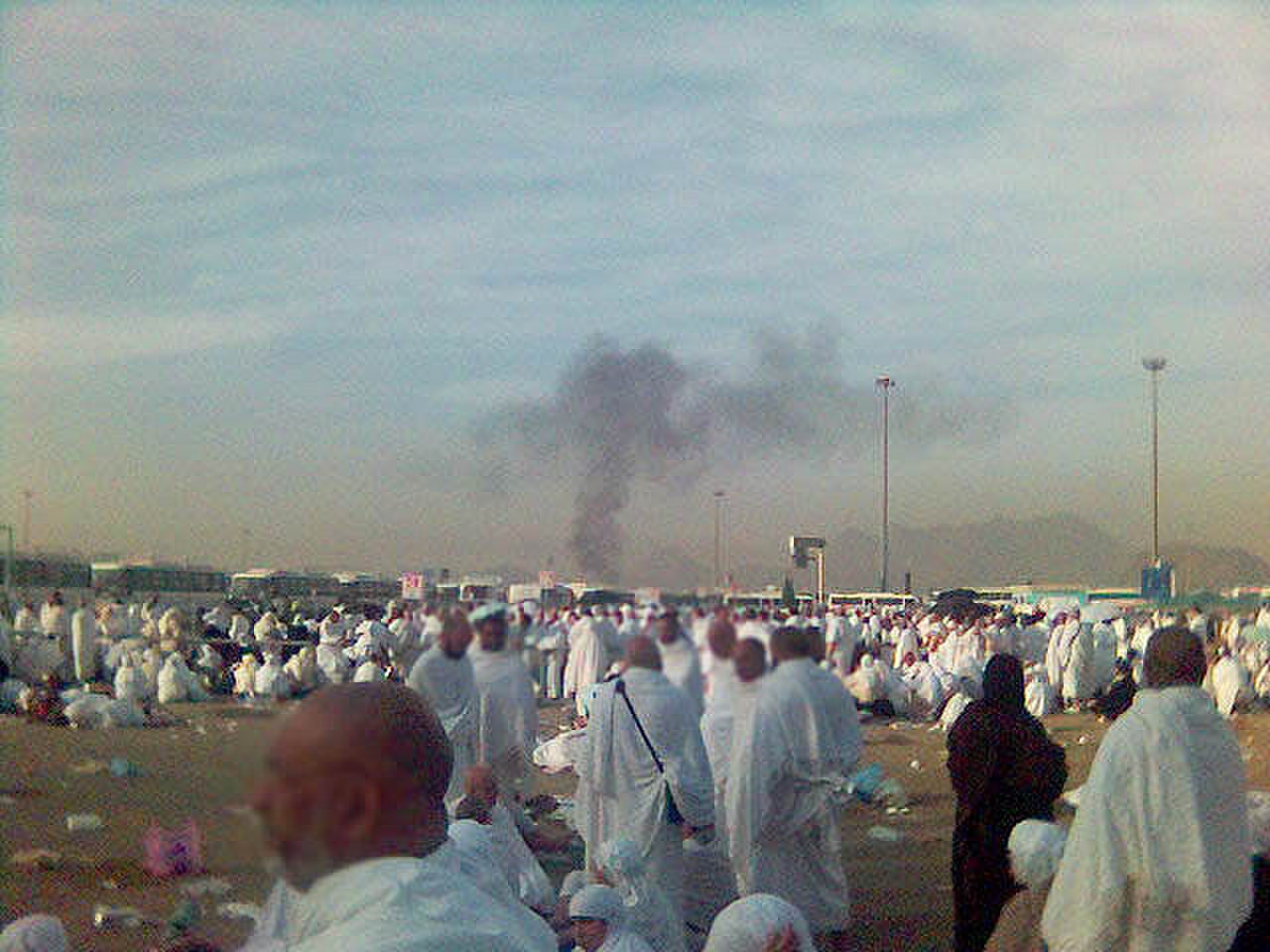
Transport to Muzdalifah is organised collectively as part of Hajj logistics. Pilgrims travel from Arafat by foot, bus, or other arranged transport after sunset on the ninth of Dhu al-Hijjah. Saudi authorities coordinate massive movement operations involving thousands of vehicles. The site lacks independent public transport access or personal vehicle entry during Hajj. Road infrastructure is heavily controlled. Departures to Mina occur in the pre-dawn hours, again through organised means. Self-directed travel is neither practical nor permitted within the managed pilgrimage flow.
Checked 2026-08-26
The primary challenges at Muzdalifah stem from scale and density. Hundreds of thousands of pilgrims converge in confined timing, creating risks of crowd pressure, heat exposure, and exhaustion. Night temperatures can drop significantly despite daytime heat. Basic facilities become overwhelmed. Pilgrims should secure personal belongings, maintain hydration, and remain with their designated group. Medical stations operate seasonally but may be distant. The terrain is uneven and dark. Those with mobility limitations require pre-arranged assistance, as spontaneous support cannot be guaranteed in the dispersed overnight conditions.
Checked 2026-08-26

Photography at Muzdalifah presents considerable practical and ethical complexities. The overnight stay occurs in darkness with limited artificial lighting, yielding challenging technical conditions. More significantly, the environment involves mass worship and rest in close quarters, where camera use may disturb fellow pilgrims or be perceived as intrusive. Many pilgrims regard this as a moment of spiritual concentration deserving privacy. No specific photography prohibitions are documented, but restrained, consensual practice aligned with the solemn atmosphere is prudent. Equipment security amid dense crowds warrants attention.
Checked 2026-08-26
Non-Muslims are not permitted to enter the sacred precincts of Mecca and its surrounding holy sites, which includes Muzdalifah. This restriction applies throughout the year, not merely during Hajj.
No. Muzdalifah has no functional infrastructure or purpose outside the Hajj period. The plain reverts to undeveloped desert terrain without services, transport links, or permitted access.
Pilgrims should carry minimal essentials: prayer items, personal identification, water, basic provisions, and warm covering for nighttime temperature drops. Heavy luggage is impractical given movement between sites.
No permanent hotels exist. Pilgrims sleep in the open, under temporary shelters, or in seasonal tents provided through Hajj operators. Facilities are rudimentary by design.
Seasonal medical and security posts operate during Hajj, though their distribution across the broad plain varies. Pilgrims should identify their group's designated support contacts before arrival.
No. Pilgrims collect pebbles at Muzdalifah for use at Jamarat in Mina, which follows the subsequent morning. The stoning itself occurs at the Jamarat pillars, not at Muzdalifah.
Loading the interactive map…
The interactive map could not be loaded.


Last updated:
Source: OpenStreetMap contributors ·