


.JPG)
.jpg)
.jpg)

5 min walk
Eglise des Saints Martyrs
- Must see
- Place of worship
Language · 11 published
Nature site · Marrakesh

Place du 16 Novembre is a central civic square in Gueliz, Marrakesh's modern new town. It functions as a key urban landmark and gathering point where the planned colonial-era grid meets contemporary city life. The square serves as a navigational reference for visitors moving between the historic medina and Gueliz's commercial and cultural zones. Its name commemorates the date in 1955 when Sultan Mohammed V returned from exile, preceding Moroccan independence. The space reflects the administrative and commercial character of Ville Nouvelle rather than the traditional aesthetics of the old city.
Checked 2026-08-26 · Source
The square itself is an open paved space with minimal permanent fixtures. Surrounding it are the tree-lined Jardin Harti to one side, offering shaded seating and greenery. Nearby streets contain commercial galleries, cafés, and restaurants serving both residents and visitors. The boulevards radiating from the square feature mid-20th-century architecture, banks, shops, and administrative buildings. The area functions as a practical hub rather than a destination with enclosed attractions. Visitors will find pedestrian crossings, traffic circulation, and urban furniture typical of a functioning North African city centre rather than a curated tourist environment.
Checked 2026-08-26 · Source

A brief transit through Place du 16 Novembre requires five to ten minutes. Visitors using it as a reference point for exploring Gueliz might incorporate thirty minutes to one hour for peripheral wandering, café stops, or photographing the urban scene. Those combining the square with Jardin Harti and nearby gallery visits could reasonably allocate half a day. The location suits integration into broader new-town itineraries rather than dedicated pilgrimage. Its value lies in connectivity and context rather than concentrated content demanding extended engagement. Most travellers encounter it incidentally while navigating between destinations.
Checked 2026-08-26 · Source

As an open public space, it remains accessible at all hours, though surrounding businesses observe conventional operating times. Morning hours offer cooler temperatures and calmer traffic for photography and pedestrian comfort. Midday brings intensified sun and commercial activity. Evening sees increased local presence as temperatures moderate and cafés fill. Seasonal considerations follow Marrakesh's broader climate: scorching summers, mild winters, and occasional rainfall in shoulder months. Visitors should anticipate no scheduled programming or seasonal events documented for this specific location.
Checked 2026-08-26 · Source
No admission fee applies to the open square itself. Surrounding attractions including Jardin Harti may have separate arrangements. Café and restaurant expenditures vary by establishment. Visitors should budget according to individual consumption patterns rather than predetermined site costs. The square's function as free public infrastructure means no ticketing infrastructure exists. Any future commercial events or temporary installations would require separate verification. Travellers should carry sufficient cash as not all surrounding vendors accept card payments, consistent with broader Marrakesh commercial practices.
Checked 2026-08-26 · Source
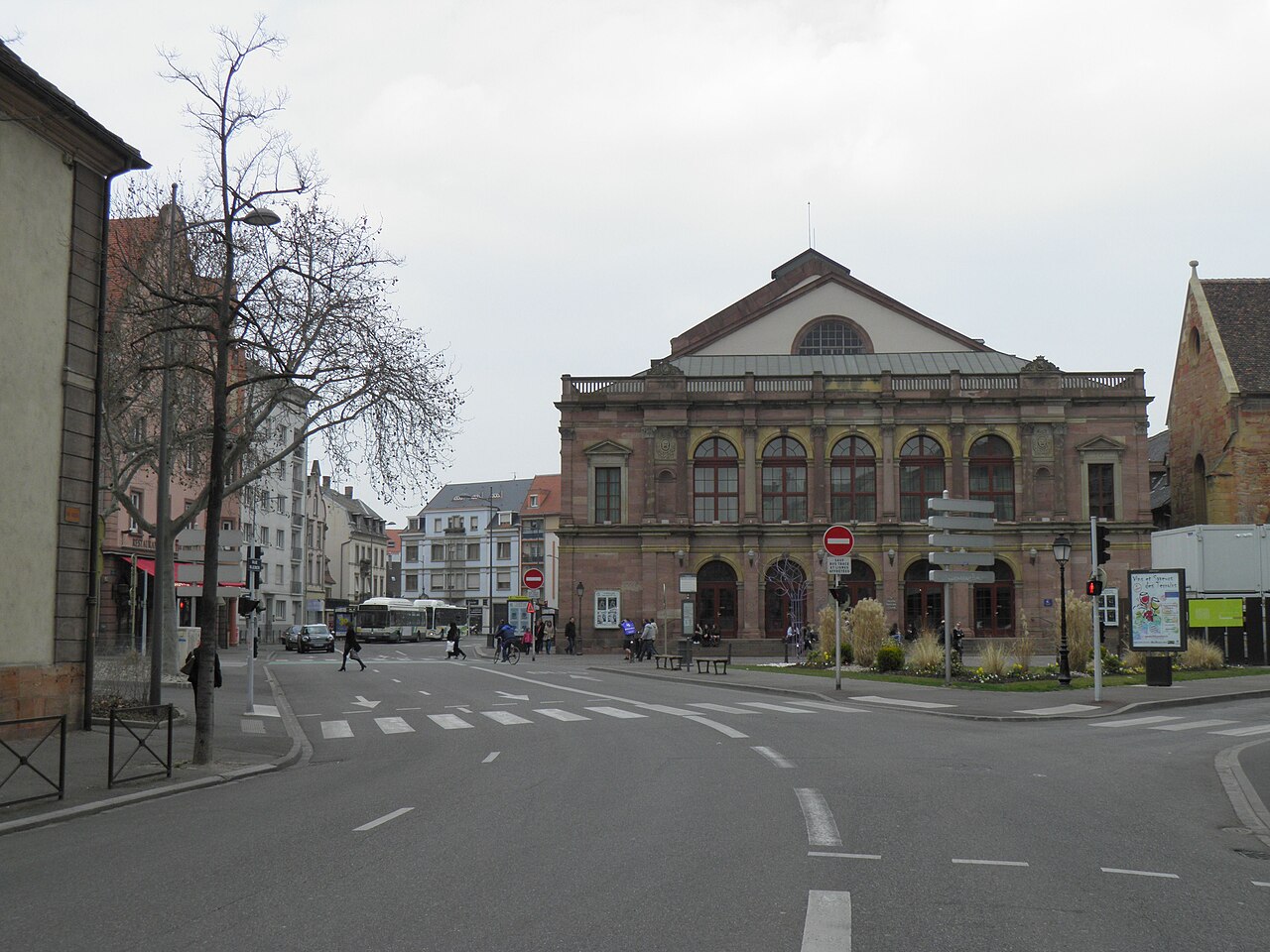
Place du 16 Novembre sits at the heart of Gueliz, accessible from the medina by taxi, bus, or extended walk. Petit taxis operate throughout Marrakesh with negotiated or metered fares; visitors should insist on meter use or agree prices beforehand. Bus lines serve the area from multiple directions though schedules require local verification. From Jemaa el-Fnaa, the walk spans approximately thirty to forty minutes through transitional neighbourhoods. The square's prominence on city maps and its position at major boulevard intersections facilitate orientation. Bicycle and pedestrian access is feasible though traffic demands caution.
Checked 2026-08-26 · Source

Traffic circulation through and around the square requires vigilant pedestrian behaviour; vehicles including buses, taxis, and motorcycles share space with walkers. Street crossing demands assertive judgement as formal signals may be absent or disregarded. Sun exposure is severe during summer months with limited natural shade within the square itself. Café and shop pricing may vary for visitors; confirming costs before ordering prevents disputes. Petty attention common to busy urban centres warrants standard precautions with valuables. Construction or maintenance activity may temporarily alter access patterns. The contrast between this modern space and the medina may disorient travellers expecting uniform traditional character.
Checked 2026-08-26 · Source
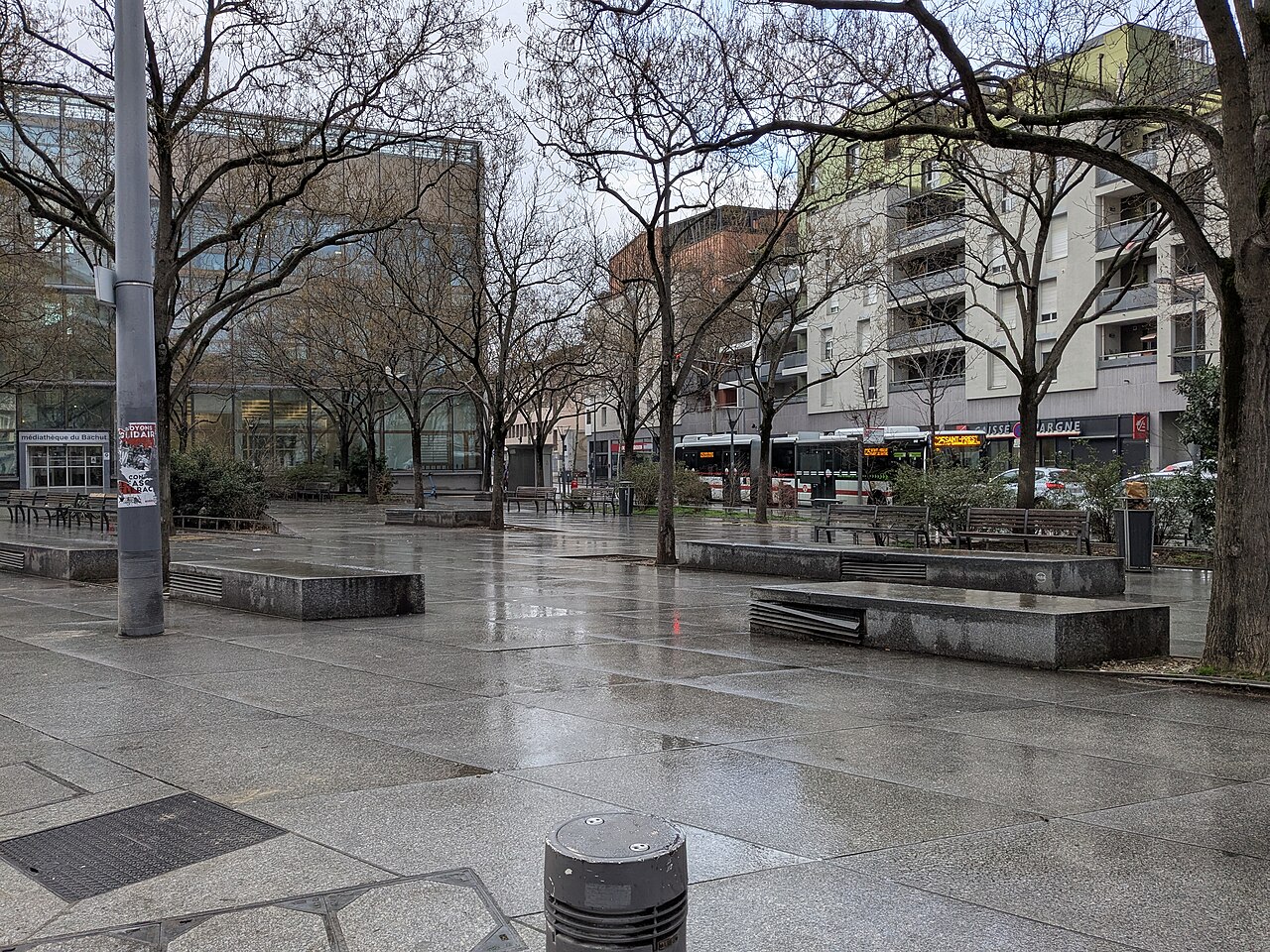
The square offers documentary and street photography potential capturing Marrakesh's contemporary urban layer. Mid-20th-century architectural elements, traffic patterns, and daily commercial life provide subject matter distinct from medina imagery. Morning and late afternoon light reduce harsh shadows and glare on pale surfaces. Jardin Harti's vegetation frames possible compositions. Respectful practice applies to individuals; explicit consent for close portraits aligns with local norms and ethical travel. Elevated positions in surrounding buildings may offer broader perspectives though access requires negotiation. Tripod use in active traffic areas is inadvisable. The site's ordinary character challenges photographers to find compelling angles in everyday urban function rather than monumental spectacle.
Checked 2026-08-26 · Source
It serves better as a navigational landmark and transit point within Gueliz than as a dedicated attraction.
No enclosed monuments or museums are documented within the square itself. Its significance is civic and commemorative rather than collections-based.
It may appear incidentally in broader Marrakesh or Gueliz itineraries.
Standard urban precautions apply. The area maintains activity through evening hours with surrounding businesses operating, though isolated travellers should remain alert as in any city centre.
No. The square and immediate surroundings feature modern commerce, banks, and cafés. Traditional crafts require travel to the medina or dedicated artisan zones.
Visitors should anticipate using facilities in surrounding cafés or commercial establishments, typically requiring patronage.
Loading the interactive map…
The interactive map could not be loaded.

Last updated:
Source: OpenStreetMap contributors ·