

31 min walk
Snake Monument
- Must see
- Historic monument
Language · 11 published
Place of worship · Wadi Musa
ضريح النبي هارون
| Monday | 06:30 – 17:00 |
|---|---|
| Tuesday | 06:30 – 17:00 |
| Wednesday | 06:30 – 17:00 |
| Thursday | 06:30 – 17:00 |
| Friday | 06:30 – 17:00 |
| Saturday | 06:30 – 17:00 |
| Sunday | 06:30 – 17:00 |
Checked 2026-08-31 · Source
Read from the OpenStreetMap access tags; anything not listed has no tag recorded.
Set the group type to family in the planner and the day window contracts to about three quarters of a solo day.
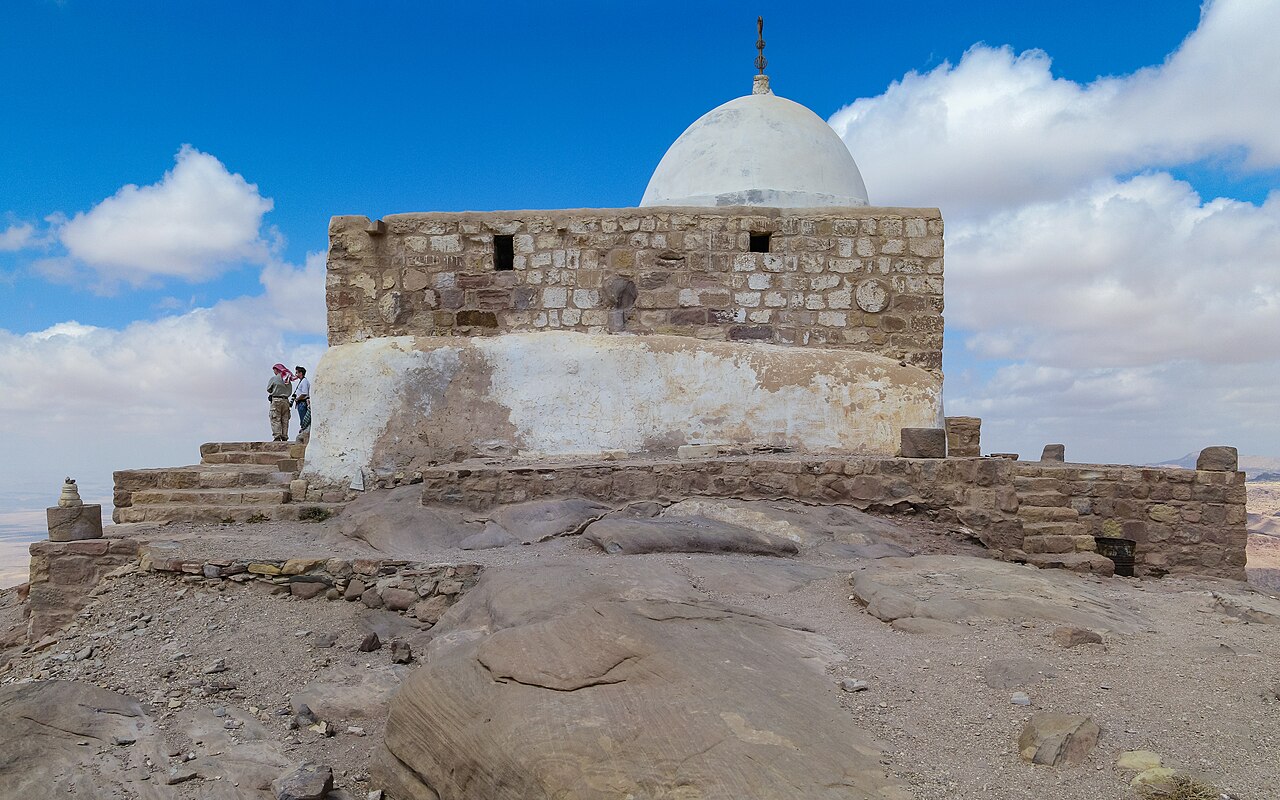
The Tomb of Aaron is a small shrine on Jabal Harun near Petra, traditionally associated with Aaron, the brother of Moses. The summit stands at about 1,350 metres above sea level and has religious importance for Jewish, Christian, and Muslim traditions. It lies apart from Petra’s central monuments, making the site a mountain pilgrimage and landscape experience as well as a religious destination. The Tomb of Aaron is a mausoleum located near Petra in Jordan, traditionally identified as the burial place of Aaron, the brother of Moses. The structure sits atop Jabal Harun, the highest peak in the Petra region at approximately 1,350 metres above sea level. The site holds significance for Jewish, Christian, and Muslim traditions. A small shrine structure marks the location, which has been a place of pilgrimage for centuries. The tomb is situated within the broader Petra archaeological landscape, though it stands apart from the main Nabataean city centre. The identification is traditional rather than archaeologically proven. Multiple sites in the region have been associated with Aaron's burial.
Checked 2026-08-26 · Source
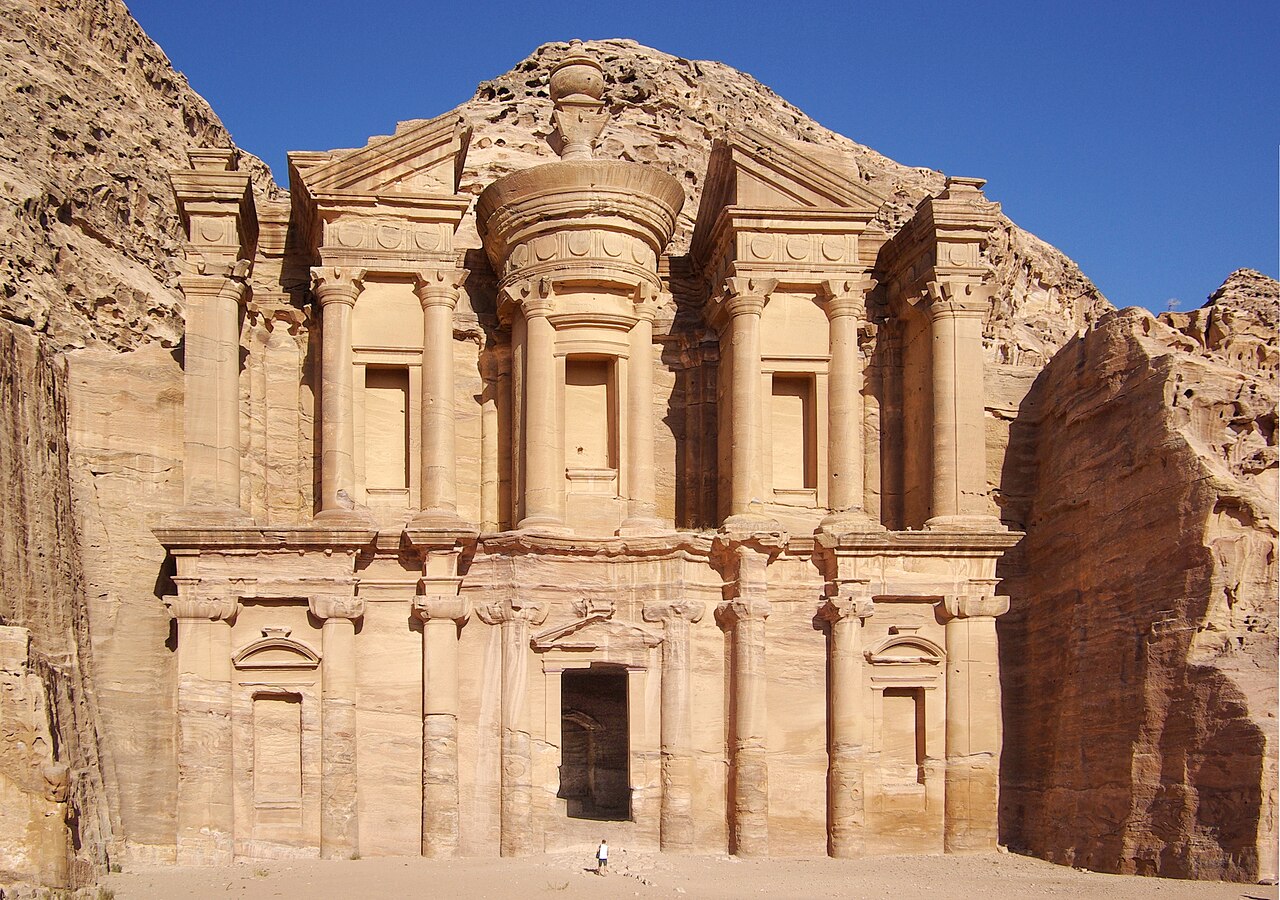
The shrine is modest compared with Petra’s elaborate rock-cut façades. A cenotaph or marker identifies the traditional tomb, while the mountain summit provides the main visual reward. From Jabal Harun, travelers can look across the Petra region and toward Wadi Araba. The contrast between the simple shrine and the expansive desert setting gives this excursion a character distinct from the central archaeological city. The tomb structure itself is relatively modest compared to Petra's elaborate rock-cut facades. The shrine contains a cenotaph or marker associated with Aaron. The building has undergone various modifications and restorations over centuries. The surrounding mountain top offers panoramic views across the Petra region and the Wadi Araba. Pilgrims and visitors typically come for the religious significance and the commanding vantage point rather than elaborate architectural features. The simplicity of the structure contrasts with Petra's more famous monuments.
Checked 2026-08-26 · Source
This is a full-day addition for most Petra visitors rather than a brief stop. The hike from the main Petra area takes several hours each way, and the ascent requires time for rests, navigation, and the summit visit. Travelers with a short Petra schedule may prefer to concentrate on the central archaeological zone. Those making the climb should reserve the whole day and return before fatigue becomes a problem. A visit to the Tomb of Aaron requires substantial time commitment due to its remote location.
Checked 2026-08-26 · Source
Start early, especially in summer, when exposed slopes become intensely hot by midday. Spring and autumn offer more comfortable conditions for the long climb. Winter can bring cold air and precipitation at elevation. The summit is exposed, and mountain weather can change quickly. An early departure also leaves more daylight for the return journey, which is important on a demanding route away from Petra’s busiest paths.
Checked 2026-08-26 · Source
The Tomb of Aaron is reached as an excursion from the Petra area. Travelers should include the Petra visit in their planning and treat the tomb as a separate, strenuous mountain route. The experience is not a conventional monument visit with a quick entrance queue; its principal investment is the long approach and climb. A local guide can add practical value because the route is remote and less clearly marked than central Petra trails.
Checked 2026-08-26 · Source
Reach the shrine by hiking from the Petra area toward the summit of Jabal Harun. The trail includes steep sections, loose surfaces, and exposed ground, with no paved road reaching the summit for ordinary visitor access. A knowledgeable local guide is valuable for navigation. Wear sturdy footwear, carry ample water, and use sun protection. The route demands more preparation than Petra’s central walking paths.
Checked 2026-08-26 · Source
Heat, dehydration, steep terrain, loose rock, and limited shade are the main challenges. The remote setting can make assistance difficult, and phone coverage may be unreliable. Tell someone your route and expected return time, and avoid setting out alone. Carry enough water for the entire excursion. Watch your footing on the ascent and descent, and turn back if weather, heat, or exhaustion makes the route unsafe.
Checked 2026-08-26 · Source
The summit is the photographic highlight, with broad views over Petra’s mountains, desert terrain, and Wadi Araba. The shrine’s simple form gains impact from its exposed setting. Early and late light can soften the strong desert contrast and reveal more texture in the landscape. Secure cameras against wind, carry only equipment you can manage on the climb, and photograph pilgrims respectfully at this religious site.
Checked 2026-08-26 · Source
It is traditionally identified as the burial place of Aaron, the brother of Moses, and is respected across Jewish, Christian, and Muslim traditions.
The shrine stands on Jabal Harun near Petra, at approximately 1,350 metres above sea level.
It is a demanding hike with steep, exposed sections, loose surfaces, limited shade, and several hours of walking each way from the Petra area.
Yes. A local guide is strongly useful because the route is remote and less clearly marked than the main Petra trails.
Carry ample water, sun protection, and sturdy footwear suitable for steep and uneven mountain ground.
The summit combines the traditional shrine with panoramic views across the Petra region and toward Wadi Araba.
Loading the interactive map…
The interactive map could not be loaded.
Last updated:
Source: OpenStreetMap contributors ·