.jpg)
.jpg)
.jpg)
.jpg)
4 min walk
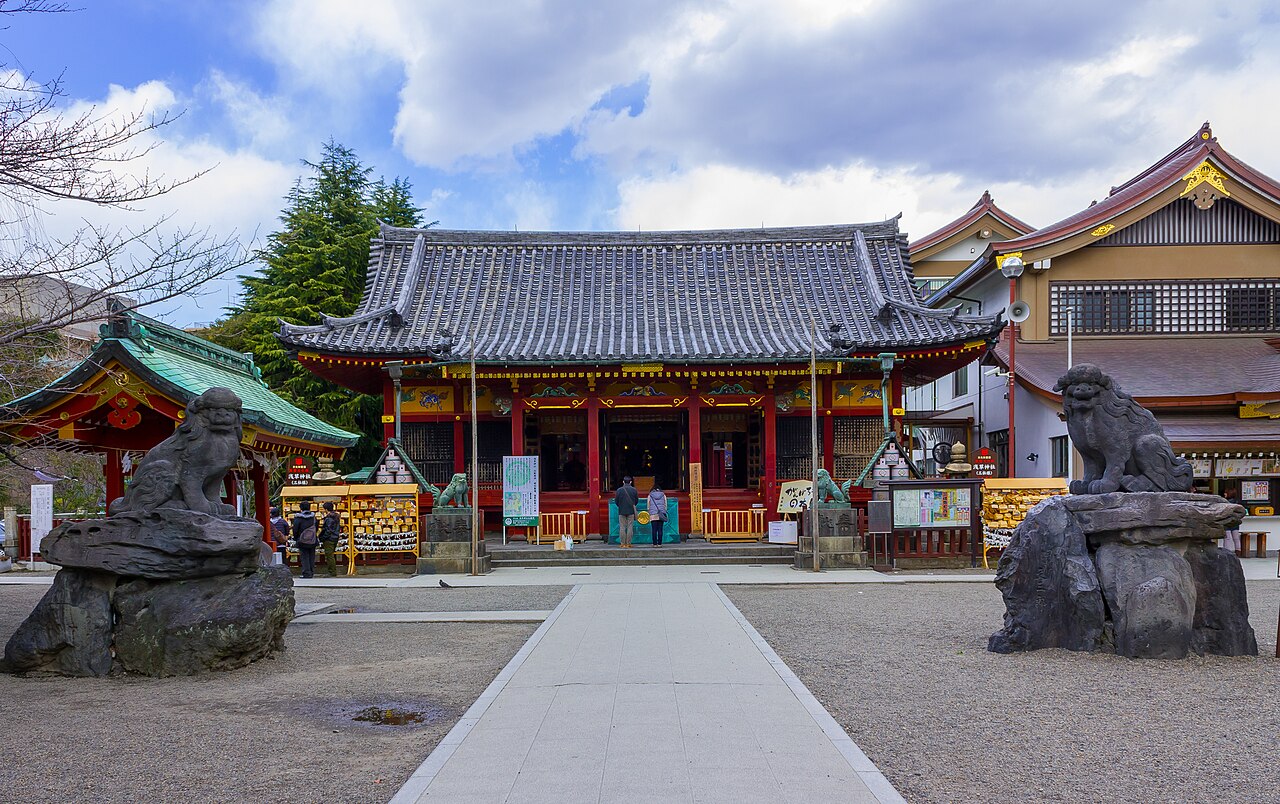
Asakusa Shrine
- Must see · Heritage site
- Place of worship
Language · 1 published
Historic monument · Tokyo
仲見世商店街

| Monday | 09:00 – 19:00 |
|---|---|
| Tuesday | 09:00 – 19:00 |
| Wednesday | 09:00 – 19:00 |
| Thursday | 09:00 – 19:00 |
| Friday | 09:00 – 19:00 |
| Saturday | 09:00 – 19:00 |
| Sunday | 09:00 – 19:00 |
Parsed from OpenStreetMap opening hours on 2026-08-26.
Nakamise Shopping Street is one of Tokyo's oldest and most visited shopping thoroughfares, stretching approximately 250 meters from Kaminarimon Gate to the second gate of Sensoji Temple in Asakusa. The street dates back to the early 18th century when neighbors of Sensoji were granted permission to open shops. Today it maintains traditional architecture and atmosphere while serving millions of visitors annually seeking souvenirs, snacks, and cultural experiences in this historic district. Nakamise Shopping Street also earns time in a tokyo itinerary because Tokyo production has zero POIs assigned through city_place_id, so no identifier or coordinate is inferred. Its value becomes clearer when the stop is compared with the surrounding streets and the other ranked places nearby.
Checked 2026-08-26
The street contains roughly 90 shops and stalls on both sides of the pedestrian walkway. Merchandise includes traditional Japanese souvenirs such as folding fans, wooden combs, kimono fabrics, and lacquerware. Food vendors sell regional specialties including ningyo-yaki doll-shaped cakes, age-manju fried buns, and kibi-dango millet dumplings. Some shops have operated for generations. The covered walkway provides shelter, with shops opening directly onto the narrow passage. Temple-related religious items are also available for visitors continuing to Sensoji.
Checked 2026-08-26
A casual walk through Nakamise Shopping Street without stopping requires approximately ten to fifteen minutes. Most visitors spend considerably longer browsing merchandise and sampling foods. Combined with Sensoji Temple and surrounding Asakusa district, visitors typically allocate half a day to a full day. The narrow passage can become congested during peak periods, slowing movement substantially. Early morning visits permit faster transit before shop openings, though the commercial experience requires shops to be operating. A flexible visit lets travellers connect Nakamise Shopping Street with the rest of the day without treating one room, viewpoint or photograph as the whole experience. The useful pace depends on personal interest and conditions on arrival.
Checked 2026-08-26

Operator-confirmed hours are Not recorded pending review. The street functions as a commercial passage with individual shop operating times varying. Generally, Japanese shopping streets open mid-morning and close evening. Seasonal considerations include heightened crowds during New Year temple visits, cherry blossom season, and summer festivals. Golden Week and Obon periods experience domestic tourism surges. Winter illumination and New Year decorations create distinct atmospheric conditions. Weather protection from the covered arcade offers advantage during precipitation. Visitors seeking reduced congestion should consider weekday mornings.
Checked 2026-08-26
Operator-confirmed prices are Not recorded pending review. No admission fee exists for the shopping street itself. Individual purchases vary by merchant and item. Food items typically range from inexpensive snack portions to moderate gift package prices. Souvenir costs depend on material quality and craftsmanship. Cash remains widely preferred though electronic payment acceptance has expanded. Bargaining is not customary practice. Budget-conscious visitors can experience the atmosphere through observation and minimal purchase. Temple donations at Sensoji are separate voluntary contributions.
Checked 2026-08-26

Asakusa Station serves the district through multiple rail lines including Tokyo Metro Ginza Line, Toei Asakusa Line, and Tobu Skytree Line. The station exits place visitors within walking distance of Kaminarimon Gate. The street begins immediately beyond this iconic entrance with its massive lantern. Signage in Japanese and English directs foot traffic. The area is navigable on foot from nearby accommodations. River access via Sumida River cruises connects to other Tokyo districts. Bus services operate in surrounding streets though walking proves most practical.
Checked 2026-08-26
Extreme crowding presents the primary challenge, with shoulder-to-shoulder conditions common during peak periods. Personal space diminishes significantly. Food consumption while walking requires awareness of surrounding pedestrians. The narrow passage complicates navigation with strollers or large luggage. Pickpocketing risk elevates in dense crowds necessitating secure bag positioning. Some merchandise quality varies; careful examination of goods before purchase is prudent. English language ability among shopkeepers is inconsistent. Restroom facilities are limited within the street itself. Heat and humidity during summer months intensify within the covered corridor.
Checked 2026-08-26

Kaminarimon Gate at the street entrance provides the most photographed landmark with its enormous red lantern. The street itself offers repetitive traditional facades suitable for atmospheric documentation. Shop interiors and specific merchandise may have photography restrictions; verbal confirmation with merchants is advisable. Crowd density complicates unobstructed composition. Tripod usage would impede pedestrian flow and is impractical. Early morning captures the architecture with minimal human presence though shops remain closed. Evening illumination creates different visual character. Respect for fellow pedestrians must supersede photographic positioning.
Checked 2026-08-26
Not recorded pending review. Individual shop operating schedules may vary.
Not recorded pending review. Costs depend entirely on individual selections and purchase decisions.
Weekday mornings typically experience reduced visitor density, though shop operations may be limited.
Cash remains widely preferred, though electronic payment acceptance has expanded among merchants.
Food consumption is common but requires awareness of dense pedestrian conditions and narrow passage width.
The flat pedestrian surface permits wheelchair passage though extreme crowding creates navigation difficulty during peak periods.
Loading the interactive map…
The interactive map could not be loaded.

Last updated:
Source: OpenStreetMap contributors, Wikidata ·