
.jpg)
.jpg)
.jpg)
.jpg)
.jpg)
2 min walk
上野恩賜公園
- Must see
- Historic monument
Language · 1 published
Market · Tokyo
アメヤ横丁

Ameya-Yokochō, known locally as アメヤ横丁, is an open-air market district situated near Ueno Station in Tokyo. The area occupies space beneath the elevated Yamanote Line tracks and extends across multiple streets and alleys. Historically associated with post-war black markets, the district evolved into a legitimate commercial zone. The name's origin remains debated, with theories linking it to candy vendors or American goods. Today it represents one of Tokyo's distinctive traditional market environments, contrasting with the surrounding modern retail developments and Ueno Park's cultural institutions.
Checked 2026-08-26
The market contains numerous stalls and small shops selling diverse merchandise. Vendors offer clothing, accessories, shoes, bags, and various household goods. Food stalls and small restaurants operate throughout the district, serving traditional snacks and prepared meals. Fresh produce and seafood sellers occupy portions of the market. Some vendors specialize in military surplus items and sporting goods. The commercial character emphasizes discount pricing and bargaining culture. The compact, dense arrangement creates a labyrinthine shopping experience distinct from conventional department stores or shopping malls found elsewhere in central Tokyo.
Checked 2026-08-26

Visitor duration varies considerably based on individual interests and shopping objectives. Casual pedestrians traversing the main thoroughfares might complete a basic exploration within thirty to sixty minutes. Shoppers intending to browse multiple stalls, compare merchandise across vendors, or seek specific items typically allocate two to three hours. Food enthusiasts exploring dining options add additional time. The market's irregular layout and crowded conditions during peak periods slow movement considerably. Most visitors incorporate Ameya-Yokochō into broader Ueno district itineraries rather than dedicating exclusive full-day visits to this single location.
Checked 2026-08-26

Operator-confirmed hours are Not recorded pending review. The market traditionally operates during daytime hours, with individual vendor schedules varying considerably. Early morning periods typically see fewer crowds and fresher merchandise, particularly at food stalls receiving daily deliveries. Late afternoon and evening hours experience increased congestion. Weekend visitation substantially exceeds weekday levels. Seasonal considerations include summer humidity affecting open-air comfort, winter chill requiring appropriate clothing, and year-end holiday periods when commercial activity intensifies. Rainy conditions reduce pedestrian comfort given limited covered areas. Visitors should verify current operational status before planning specific timing.
Checked 2026-08-26
Operator-confirmed prices are Not recorded pending review. Ameya-Yokochō functions as a public commercial district without entrance fees or admission charges. Individual transactions occur directly between visitors and vendors. Pricing reflects the market's discount-oriented character, though significant variation exists between stalls. Cash remains the predominant payment method, with credit card acceptance limited to specific establishments. Bargaining is customary for many goods but not universal. Visitors should carry sufficient cash denominations appropriate for small purchases. No advance booking or reservation systems apply to general market access.
Checked 2026-08-26
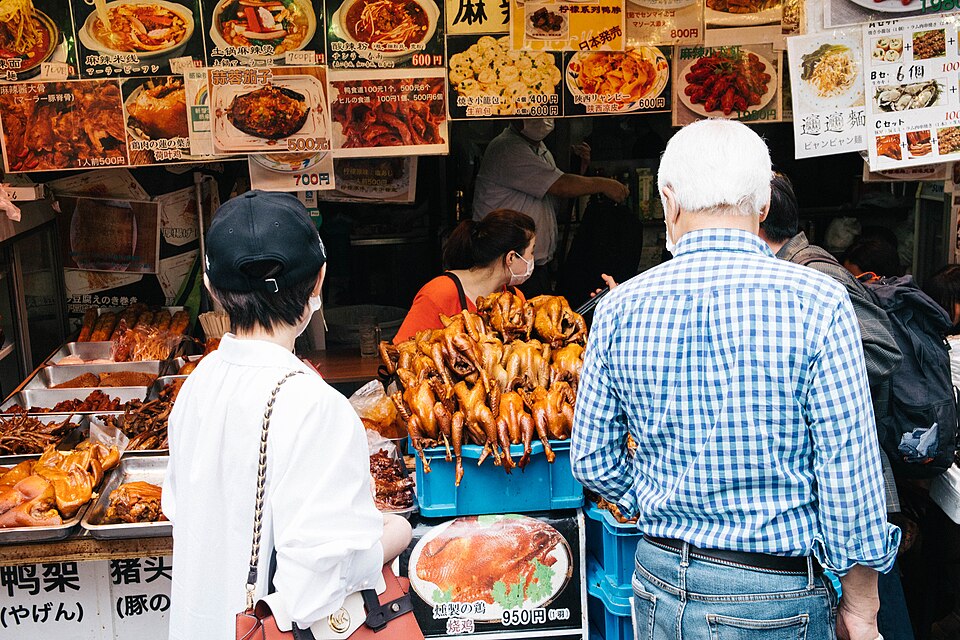
The market sits immediately adjacent to Ueno Station, served by multiple railway and subway lines including JR Yamanote Line, JR Keihin-Tohoku Line, Tokyo Metro Ginza Line, and Tokyo Metro Hibiya Line. Ueno Station's central exit provides the most direct pedestrian access. The location within northern Tokyo's major transit hub enables straightforward connections from across the metropolitan region. On-foot approaches from Ueno Park, the National Museum, and surrounding commercial areas require minimal time. The elevated train tracks overhead provide a consistent visual landmark for orientation within the district's irregular street pattern.
Checked 2026-08-26
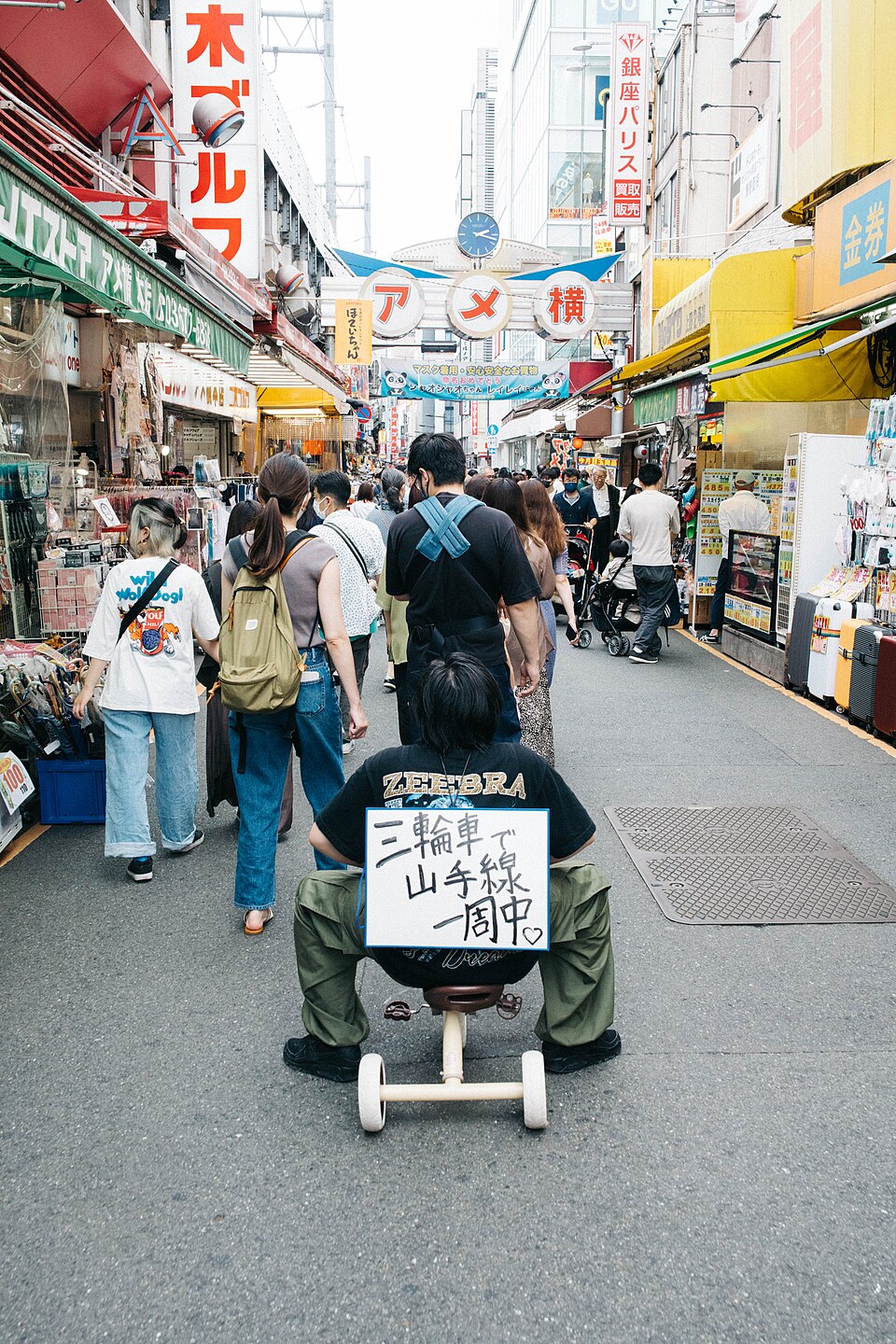
Crowded conditions demand awareness of personal belongings and spatial navigation. Narrow passages between stalls create congestion points where movement stalls completely. Merchandise quality varies significantly; careful inspection before purchase is advisable. Some vendors may not permit photography of goods or displays without explicit permission. Language barriers affect transactions at stalls without English-speaking staff. Return policies and warranty coverage differ from conventional retail standards. Food handling standards at informal stalls warrant visitor discretion. Weather exposure affects comfort given limited shelter. The area's commercial intensity may overwhelm visitors preferring orderly retail environments.
Checked 2026-08-26
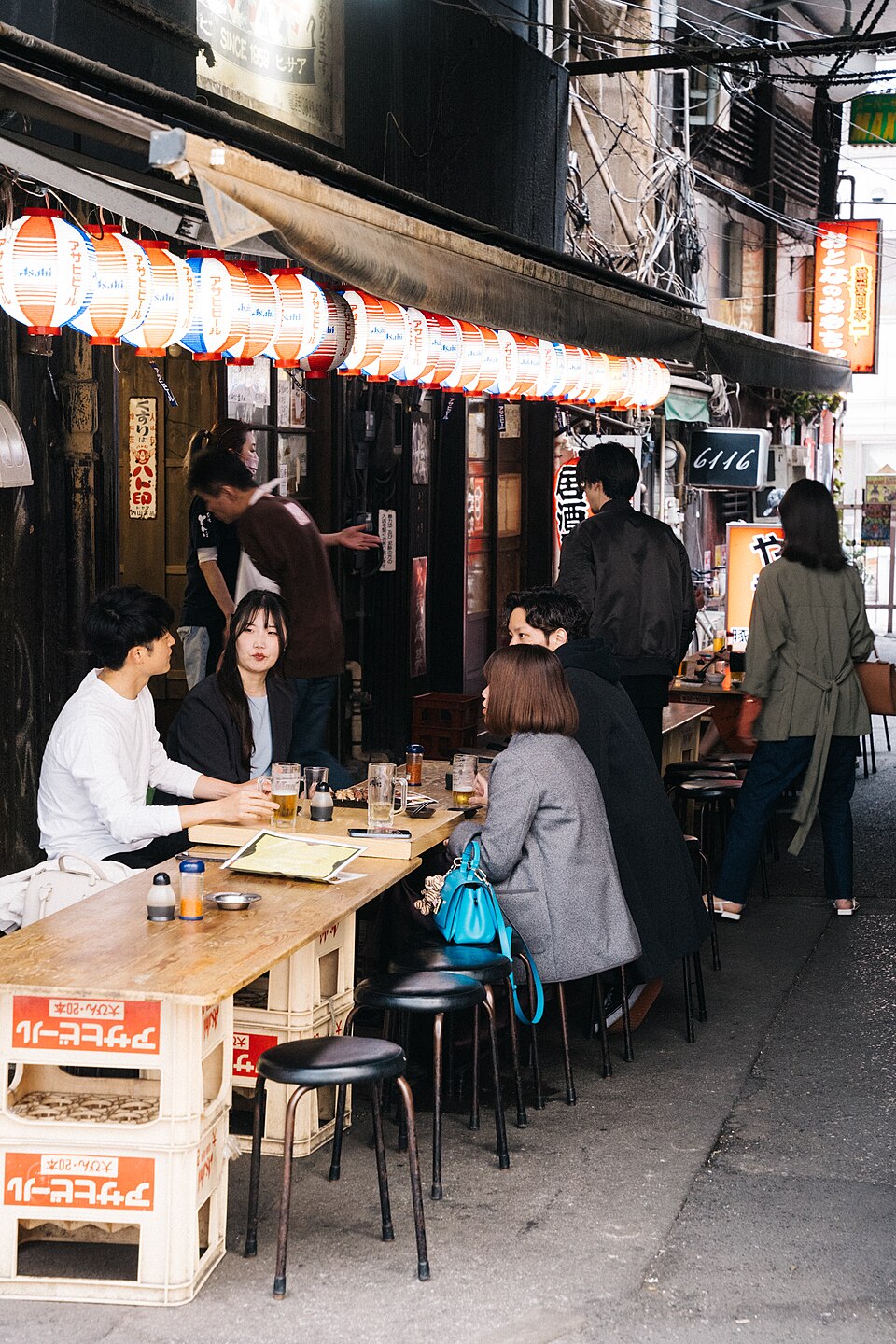
The dense visual environment offers substantial photographic interest including signage, vendor displays, crowd scenes, and architectural juxtapositions with the elevated railway. Respect for commercial operations and individual privacy requires caution. Some vendors explicitly prohibit photography of merchandise or stall interiors; compliance with displayed restrictions or verbal requests is essential. Crowded conditions complicate tripod use and deliberate composition. The overhead train tracks create distinctive structural elements but also variable lighting conditions. Early morning periods provide softer illumination and reduced pedestrian interference. Flash photography may disturb vendors and customers in confined spaces.
Checked 2026-08-26
The market is predominantly open-air with limited covered areas. Visitors should prepare for weather exposure including sun, rain, and seasonal temperature variations.
Cash remains the predominant payment method throughout the market. Credit card acceptance is limited to specific establishments and should not be assumed universally.
Bargaining is customary for many goods but not universal across all stalls or vendor categories. Visitors should observe local practices and respond appropriately to individual situations.
Food stalls and small restaurants operate throughout the district serving traditional snacks and prepared meals. Options range from quick consumption to more substantial dining.
The irregular layout, crowded narrow passages, and uneven surfaces present challenges. Peak congestion further complicates navigation for individuals using mobility aids or requiring unobstructed pathways.
Individual vendor schedules vary considerably. The market traditionally operates during daytime hours, but visitors should verify current operational status rather than assuming consistent schedules.
Loading the interactive map…
The interactive map could not be loaded.
Last updated:
Source: OpenStreetMap contributors, Wikidata ·