
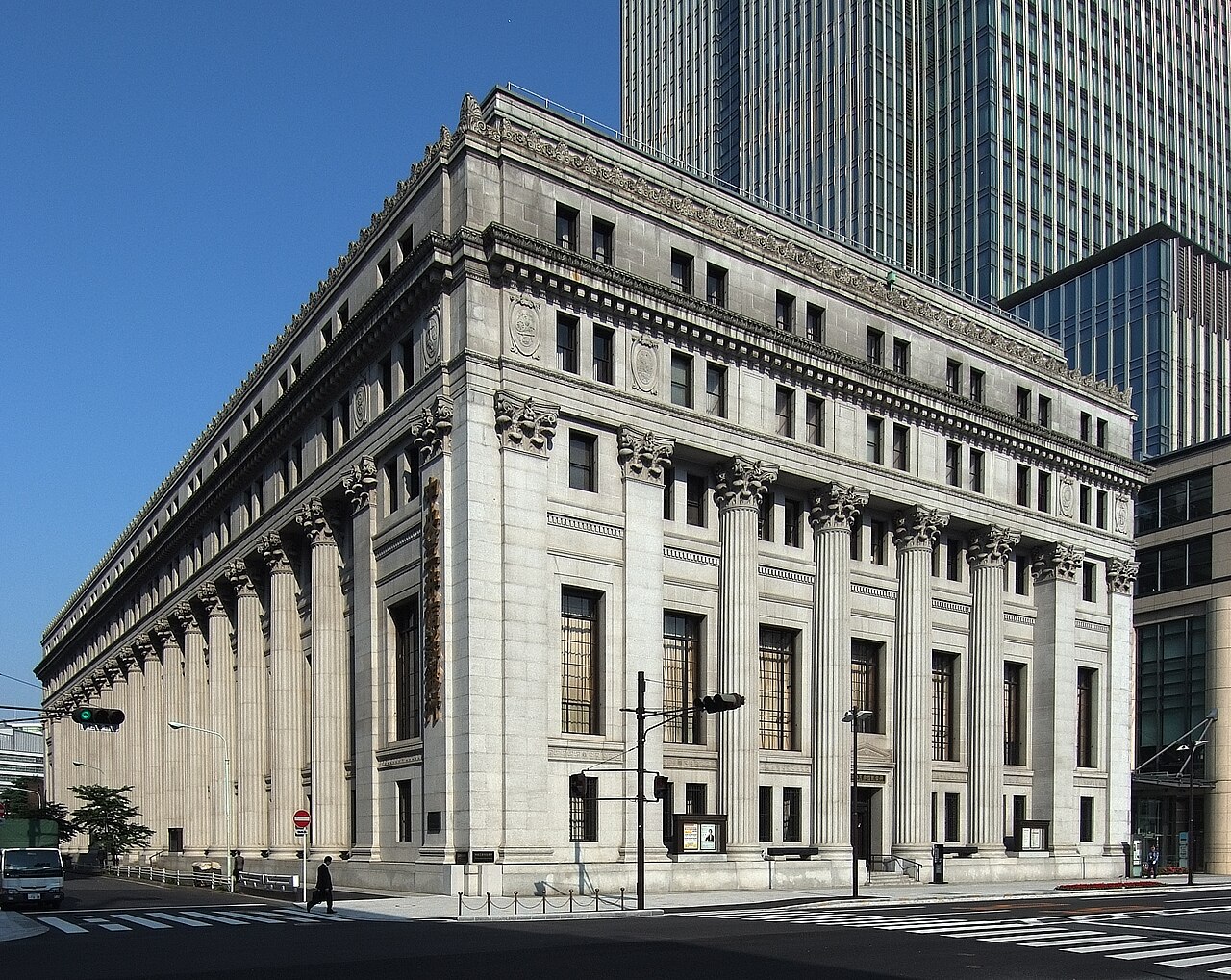
3 min walk
Mitsui Memorial Museum
- High
- Museum
Language · 11 published
Museum · Tokyo
日本銀行金融研究所貨幣博物館
Reviewed by Elena Voss · SSMTour Travel Editor
| Monday | Closed |
|---|---|
| Tuesday | 09:30 – 16:30 |
| Wednesday | 09:30 – 16:30 |
| Thursday | 09:30 – 16:30 |
| Friday | 09:30 – 16:30 |
| Saturday | 09:30 – 16:30 |
| Sunday | 09:30 – 16:30 |
Parsed from OpenStreetMap opening hours on 2026-09-09.
This place is a Museum. It opened in 1985. It is run by Institute for Monetary and Economic Studies.
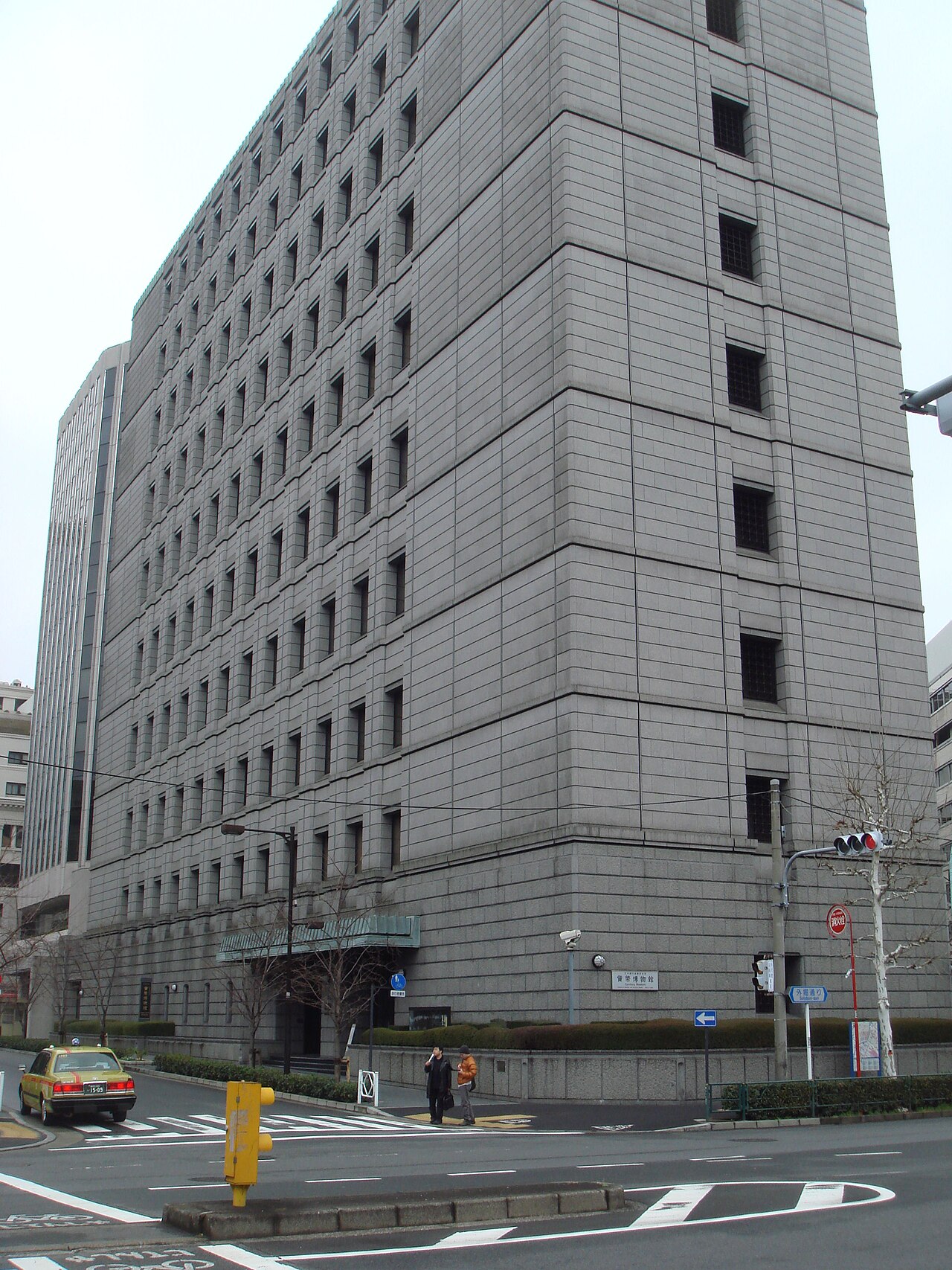
The Currency Museum of the Bank of Japan is a focused museum about money, collecting Japanese and international coins, banknotes, and related historical material. Its setting beside the Bank of Japan gives the visit a strong connection to Tokyo’s financial history. Rather than presenting a broad survey of Japanese culture, the museum concentrates on how people have represented value, exchanged goods, and developed monetary systems over time. The Currency Museum of the Bank of Japan is a specialized museum dedicated to the history of Japanese and world currency. Operated by the Bank of Japan, the country's central bank, it houses an extensive collection of monetary artifacts spanning ancient to modern periods. The museum serves as an educational institution preserving numismatic heritage. Its location in Tokyo's financial district reflects its institutional connection to Japan's monetary authority. The collection includes coins, banknotes, and related documents that illustrate the evolution of economic exchange systems in Japan and internationally. The specialized numismatic content appeals primarily to adults and older students with developed interest in history or economics. Young children may find limited interactive elements compared to general science or children's museums.
Checked 2026-08-26 · Source
Inside, visitors can compare early Japanese coins with currency from later periods, including feudal-era notes and modern yen banknotes. International examples place Japan’s monetary story in a wider context. Displays also explore the making of coins and banknotes, including design, printing, and security features intended to deter counterfeiting. Historical documents and explanatory panels connect individual objects with changes in trade, government, and economic life. The museum displays historical Japanese currency including ancient coins, feudal period notes, and modern yen banknotes. International currency collections showcase monetary systems from various civilizations worldwide. Exhibits cover the technical production processes of banknotes and coins, including security features and anti-counterfeiting measures. The Bank of Japan's own institutional history intertwines with national financial development. Display cases present archaeological finds alongside printed materials. Educational panels explain monetary policy concepts and economic functions of currency.
Checked 2026-08-26 · Source
Allow about one to two hours for a relaxed visit. A shorter route of roughly sixty to ninety minutes is enough for visitors who want the main story and representative objects. Collectors, history enthusiasts, and anyone interested in printing or anti-counterfeiting can spend longer studying individual cases and explanatory material. The museum’s compact subject makes it easy to combine with a wider walk around Nihonbashi or Otemachi.
Checked 2026-08-26 · Source
This museum suits a daytime Tokyo itinerary, especially when you want an indoor cultural stop in the central business district. Weekdays place the museum within an active financial area, while quieter periods may make it easier to study small objects closely. Spring and autumn are comfortable seasons for linking the visit with nearby streets and historic districts. Build the museum into a flexible half-day plan around Nihonbashi and Otemachi.
Checked 2026-08-26 · Source
The visit is centered on a public educational collection rather than a commercial entertainment venue. Its subject is accessible to travelers who want to understand Japanese money through original objects, from older coins to modern banknotes. Plan the museum as a compact cultural stop within central Tokyo, and leave room afterward for the surrounding financial district, where the Bank of Japan setting adds context to what you have seen.
Checked 2026-08-26 · Source
The museum is in central Tokyo, in the Nihonbashi and Otemachi area served by the city’s extensive rail and subway network. From a nearby station, allow time to identify the Bank of Japan complex and the museum entrance within the dense urban streetscape. The destination name in Japanese, 貨幣博物館, can help with wayfinding. A taxi is practical when carrying luggage or when station navigation feels tiring.
Checked 2026-08-26 · Source
The exhibits reward close looking: coins, notes, documents, and security details are often smaller than the large objects found in general museums. Read the panels alongside the cases so that individual pieces make sense within Japan’s changing economic history. The institution has a formal central-bank setting, so keep voices low and follow any entry, bag, or gallery instructions. Plan extra time if you want to examine technical details carefully.
Checked 2026-08-26 · Source
The museum’s banknotes, coins, documents, and anti-counterfeiting displays are best enjoyed through careful observation of their fine details. If photography is permitted in a particular gallery, avoid flash and keep the display cases clear for other visitors. Some objects may require different treatment because of conservation or institutional rules. The building’s financial setting also offers visual context, so photograph the surrounding streets as part of the wider Nihonbashi walk.
Checked 2026-08-26 · Source
Children can compare coins and banknotes from Japan and other countries while learning how money, exchange, printing, and security features changed over time.
Yes. The displays include modern yen banknotes alongside older Japanese currency, coins, and international examples.
Yes. The exhibitions explain production techniques and security features used for coins and banknotes, including measures intended to deter counterfeiting.
It is in central Tokyo’s financial district, in the Nihonbashi and Otemachi area beside the Bank of Japan setting.
Allow about one to two hours, with sixty to ninety minutes suitable for a focused overview and more time useful for detailed study.
The Currency Museum is known in Japanese as 貨幣博物館.
Loading the interactive map…
The interactive map could not be loaded.


Last updated:
Source: OpenStreetMap contributors, Wikidata ·