
4 min walk
Minami-za
- High · Heritage site
- Art and culture venue
Language · 11 published
Activity · Kyoto
Reviewed by Elena Voss · SSMTour Travel Editor
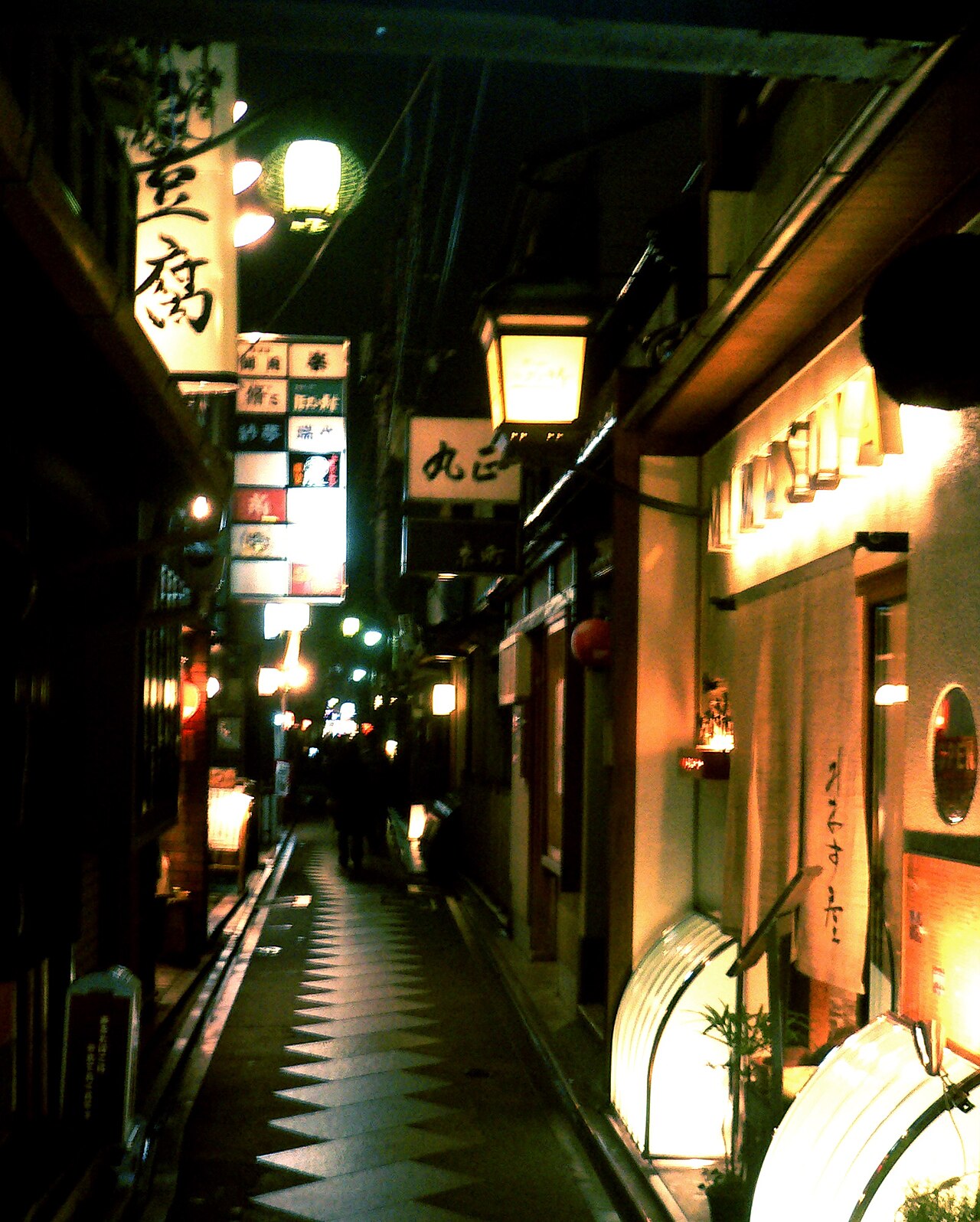
Pontocho Alley is a narrow pedestrian street in central Kyoto, running parallel to the Kamo River between Sanjo and Shijo streets. It is one of Kyoto's most atmospheric dining and entertainment districts, characterized by its tightly packed traditional wooden buildings. The alley dates back to the Edo period and has historically been associated with geisha culture and the traditional arts. Today it remains a prominent nightlife destination where visitors can experience Kyoto's refined evening atmosphere in a compact historic setting.
Checked 2026-08-26
The alley contains numerous restaurants, bars, and tea houses, many occupying traditional machiya townhouses. Establishments range from upscale kaiseki restaurants to casual izakaya and yakitori spots. Some venues offer outdoor dining platforms extending toward the river during warmer months. Geisha and maiko may occasionally be seen in the area during evening hours. The architecture preserves a pre-modern aesthetic with wooden facades, lanterns, and narrow passageways. Not all establishments welcome casual visitors; some operate on referral or membership systems. Pontocho Alley also earns time in a kyoto itinerary because NOMINATIM_EDITORIAL reconciliation for the ranked entry; identity and coordinates were verified without a nearby fallback. Its value becomes clearer when the stop is compared with the surrounding streets and the other ranked places nearby.
Checked 2026-08-26
A casual walk through Pontocho Alley takes approximately fifteen to twenty minutes one way. However, most visitors allocate one to three hours to absorb the atmosphere, particularly in the evening when lanterns illuminate the passageway. Those planning to dine should add ninety minutes to two hours for a standard meal, or three to four hours for a traditional multi-course kaiseki experience. The alley rewards slow exploration rather than hurried passage, with architectural details and ambient character revealing themselves at a measured pace.
Checked 2026-08-26
Evening hours provide the most atmospheric experience as lanterns and establishment lighting transform the alley's character. The summer months feature temporary outdoor dining platforms along the river. Spring and autumn offer comfortable temperatures for walking. Winter visits can be rewarding for the contrast of warm interior glow against cold evenings. Individual restaurants maintain their own schedules. Visitors should verify specific establishment hours directly, as many venues open only for dinner service and may require advance reservations. Check the operator's own site for the travel date before relying on a schedule or fare.
Checked 2026-08-26
There is no admission fee for walking through Pontocho Alley itself. Costs are incurred at individual establishments for food, drink, or entertainment. Dining prices vary substantially, from moderate izakaya spending to very expensive kaiseki meals. Some high-end restaurants set minimum charges or require course-menu commitments. Visitors should research specific venues in advance and confirm pricing when making reservations. Tipping is not customary in Japan. Cash remains important as not all establishments accept card payments.
Checked 2026-08-26
Pontocho Alley is centrally located and accessible by multiple public transportation options. The nearest train stations include Kawaramachi on the Hankyu Kyoto Line and Shijo on the Karasuma Subway Line, each requiring a short walk. Sanjo Keihan Station on the Keihan Main Line also provides convenient access to the northern end. The alley runs between the parallel streets of Kiyamachi-dori and the riverbank. Signage is limited; visitors should look for the narrow opening between buildings. Walking from Kyoto Station takes approximately twenty-five to thirty minutes.
Checked 2026-08-26
Photography of establishments, staff, or other patrons without permission is inappropriate and may provoke confrontation. Many venues are exclusive and do not accept walk-in customers. The alley becomes crowded during peak evening hours and navigation can be difficult. Some establishments employ touts who may be persistent. Visitors should avoid entering private or unmarked doorways. The narrow passage has minimal shelter from weather. High-end dining requires appropriate attire; casual dress may result in refusal of entry. Language barriers are common; translation applications are advisable for independent exploration.
Checked 2026-08-26
The alley's atmospheric narrowness and traditional architecture offer compelling photographic subjects, particularly during the blue hour and early evening when artificial lighting activates. However, visitors must exercise considerable restraint. Photography of individual establishments, their signage, staff, or patrons is frequently prohibited and may be enforced. Tripods and extended photography sessions obstruct the narrow passage and are inconsiderate to others. The best approach is to capture general alley atmosphere from the wider entrance areas or riverbank, respecting any posted restrictions or verbal requests to desist. Flash photography is inappropriate in all circumstances here.
Checked 2026-08-26
Yes, walking through the alley itself requires no admission fee. Costs apply only at individual restaurants and bars.
Geisha and maiko may occasionally be seen, particularly during evening hours, but sightings are not guaranteed and approaching or photographing them without permission is inappropriate.
Many upscale establishments require or strongly recommend advance reservations. Some venues do not accept walk-in customers at all.
Evening hours offer the most atmospheric experience with illuminated lanterns, though the alley can be visited during daytime as well.
Take the Karasuma Subway to Shijo Station or walk approximately twenty-five to thirty minutes. Hankyu and Keihan lines also serve nearby stations.
English proficiency varies considerably. High-end venues may have some English capability, but many smaller establishments have minimal or no English support.
Loading the interactive map…
The interactive map could not be loaded.

Last updated:
Source: OpenStreetMap contributors ·