City guide
Istanbul Itinerary: 1, 2, 3 Days and One Week


Plan one day, two days, three days or a week in Istanbul through compact neighbourhood routes, Bosphorus crossings, realistic breaks and clear priorities.
This guide is part of our Istanbul destination coverage. Istanbul
One day in Istanbul: stay within Sultanahmet
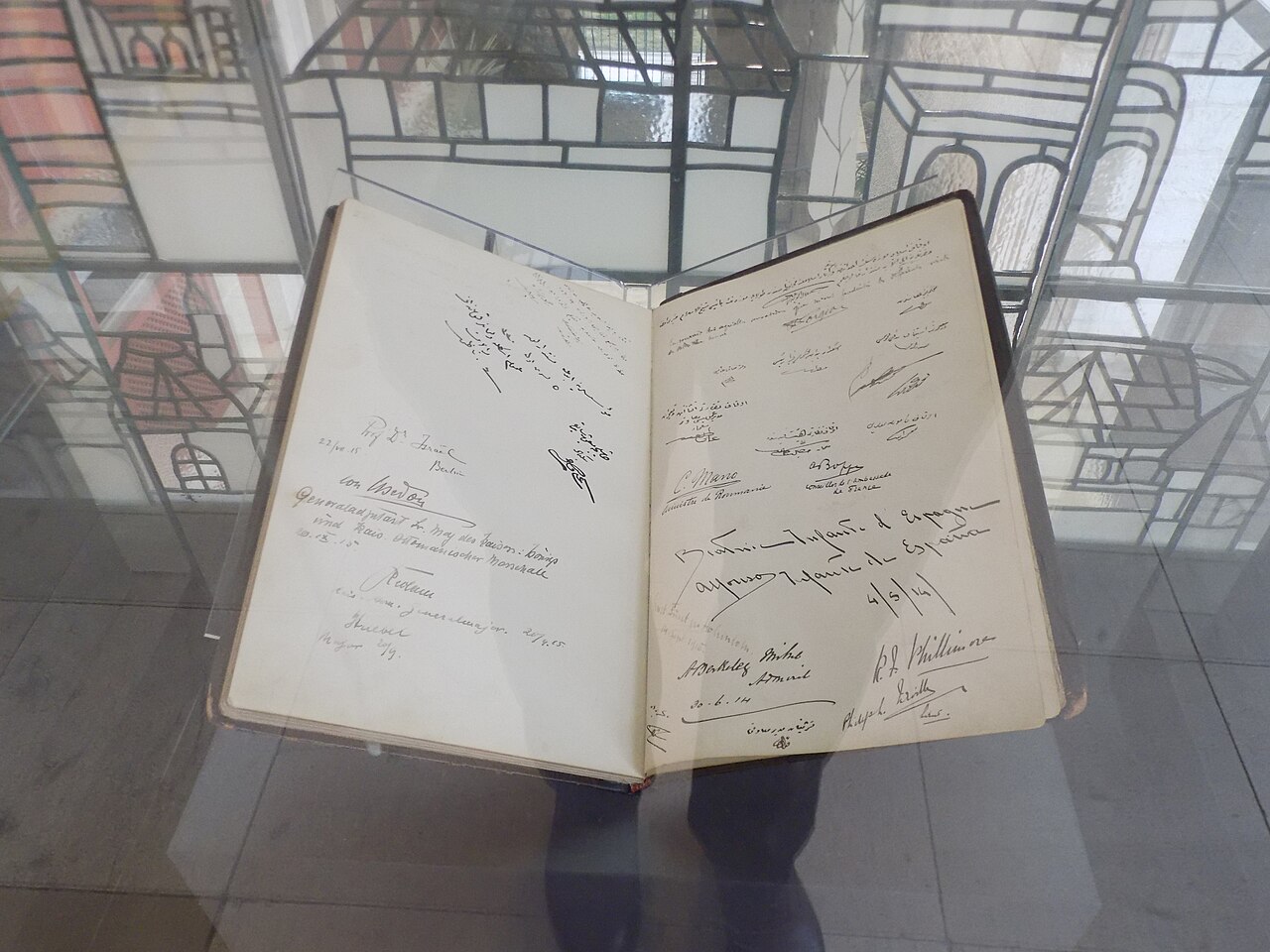

A good opening day in Istanbul stays within one compact part of the historic peninsula. Use the Istanbul city page for the wider picture, then keep this day inside Sultanahmet. The city stretches across water and steep ridges, so adding a ferry crossing or a second district could take time away from the places you came to see.
The Istanbul city page can help you decide what to save for another time. Compare candidates on things to do in Istanbul, then test the shortlist in the planner set to Istanbul. This outline leaves out Beyoğlu, the Golden Horn and the Asian side on purpose. It also leaves room for a proper midday meal and for admission plans to change. Review each attraction’s own official information on the day; this itinerary does not promise opening times, ticket availability or assured admission.
Start at the Turkish and Islamic Arts Museum. Pick the parts of the collection that interest you most instead of trying to cover each room. From the museum, cross the Hippodrome to the German Fountain. The fountain is a quick open-air pause, not a long experience, and it keeps you moving in the right direction. Use the Hippodrome as the day's spine: every turn should remain close enough to regain the same central space without transport.
Treat these four stops as a compact loop. The Turkish and Islamic Arts Museum stands southwest of the German Fountain; Hagia Sophia lies farther northeast; the mosaic museum sits south of the square. That shape is more useful than treating Sultanahmet as a straight avenue.
Hagia Sophia comes next. It functions as a mosque, so worship outranks tourism. When visitor entry is unavailable, examine the exterior and surrounding square, then proceed to lunch. An indefinite queue is unnecessary: the outdoor circuit preserves the Sultanahmet loop without sending anyone across the peninsula.
Eat once the Hagia Sophia visit is complete. A seated rest here is more useful than squeezing in an additional queue when everyone is tired or hungry. Once everyone has eaten, decide whether the party has the concentration for the Great Palace Mosaic Museum. Its focused collection makes a strong final stop for people who want more of the Byzantine palace story.
The mosaic museum is the first place to drop when the day runs long. Dropping it preserves the plan since each earlier stop remains in the same small area. Do not replace it with a faraway landmark. Three well-paced stops, the Hippodrome and the main meal make a fuller day than four rushed interiors followed by a difficult journey back. This order also keeps each decision reversible. The main meal can begin whenever Hagia Sophia finishes, and the mosaic museum can move to another day on the peninsula. Nothing depends on crossing a bridge or reaching a faraway pier. That flexibility matters in a district where a single interior may deserve more time than expected.
Checked 2026-09-05 · Official site · whc.unesco.org
Checked 2026-09-05 · Official site · www.muze.gov.tr
Checked 2026-09-05 · Official site · kulturportali.gov.tr
Checked 2026-09-05 · Official site · ayasofyacamii.gov.tr
Checked 2026-09-05 · Official site · muze.gov.tr
Two days in Istanbul: add Zeyrek and Kadıköy


Keep the Sultanahmet plan for day one. Begin the next day at Zeyrek Mosque, above the Golden Horn. Zeyrek belongs to the UNESCO-listed historic areas of Istanbul, and its position on the ridge offers this day a clear direction: start high, then work downhill towards the water. Treat the mosque as an active place of worship and make the surrounding streets part of the experience.
Descend towards the Golden Horn in stages, continuing in the direction of Eminönü. Do not add Pera on the way. That detour could send you down one slope, up another and back down again prior to the ferry. Eat near the pier, leaving enough time to choose a later sailing when the morning takes longer than expected.
Take the commuter ferry between Europe and Asia once you have checked the latest Şehir Hatları information. The crossing is not wasted travel time: it offers you a broad view of the Golden Horn mouth, the Bosphorus approaches and both city shores. This page does not assume a particular departure, service pattern or fare. Before leaving the landing area, identify the pier for the return crossing; Kadıköy's several transport signs are easier to read while nobody is tired.
Once in Kadıköy, use the Kadıköy Bull Statue as an orientation marker. Choose either the Bahariye direction or a move towards Moda according to energy, rather than treating both as compulsory. Continue through the local streets, stop for a drink and leave the evening open. The neighbourhood part of the day can expand when stamina is good or contract when the ferry crossing happens later than planned.
If you need to shorten the day, cut the outer part of the Kadıköy walk. Keep Zeyrek, the main meal and the ferry in place since they give the plan its shape. Avoid booking an evening commitment back on the European side; a deadline there could turn a relaxed cross-continent day into a rushed journey back.
Checked 2026-09-05 · Official site · whc.unesco.org
Checked 2026-09-05 · Official site · sehirhatlari.istanbul
Checked 2026-09-05 · Official site · kultursanat.kadikoy.bel.tr
Three days in Istanbul: spend a day in Beyoğlu


Use the third day for two very different museums in Beyoğlu. Start at Pera Museum once you have checked its latest programme. Pick one exhibition or part of the permanent collection and give it enough time. Several other galleries sit nearby, but adding them automatically could weaken the second half of the plan.
From Pera Museum, walk south or southwest towards the Galata Mevlevi Lodge Museum. This is the correct direction of travel: the lodge lies closer to Galata, not north of Pera. The pairing also changes the subject of the day, moving from an art museum to a historic Mevlevi lodge associated with Sufi culture. Read the museum’s own latest official notice on the day.
Tepebaşı, Şişhane, Tünel and Galata provide useful bearings. Seeing Taksim as the next destination after the lodge means the route has turned uphill and north. Keep Karaköy as the final bearing instead.
After the lodge, continue downhill towards Karaköy. Have the main meal there instead of breaking the two museum stops apart. The slope now works in your favour, and the waterfront offers the day a natural end. If either museum takes longer than expected, go directly to Karaköy instead of searching for an additional ticketed attraction. Reaching the water ends this route; climbing back towards İstiklal Avenue would undo its advantage.
Spend the remaining time by the water, take a local ferry when it suits your onward journey or stay in the area for dinner. No particular boat is required for this day. The purpose is to connect two local but contrasting museums, then leave the rest of the day open once you reach the waterfront.
When you need to shorten the route, drop the gallery that is easiest to remove or shorten the waterfront walk. Keep the Pera-to-lodge order and the downhill end. Reversing the plan could create an unnecessary climb, while adding a distant sunset viewpoint could undo the compact geography that makes the day work. Keep the transition itself simple: Pera first, the lodge second, Karaköy last. The two museums are close enough to share a day but different enough to need separate attention. The main meal at the bottom of the slope then becomes recovery instead of an interruption, and the waterfront remains useful even when the museums have used most of the available time.
Checked 2026-09-05 · Official site · www.peramuzesi.org.tr
Checked 2026-09-05 · Official site · muze.gov.tr
One week in Istanbul: alternate busy and easy days

For a week, keep the first three routes and add three area-based days. Leave the seventh day unassigned until you know how the first six feel. Istanbul’s hills, large interiors, security checks and water crossings create more fatigue than a list of distances suggests. The reserve absorbs shut doors, rain, late starts and accumulated fatigue.
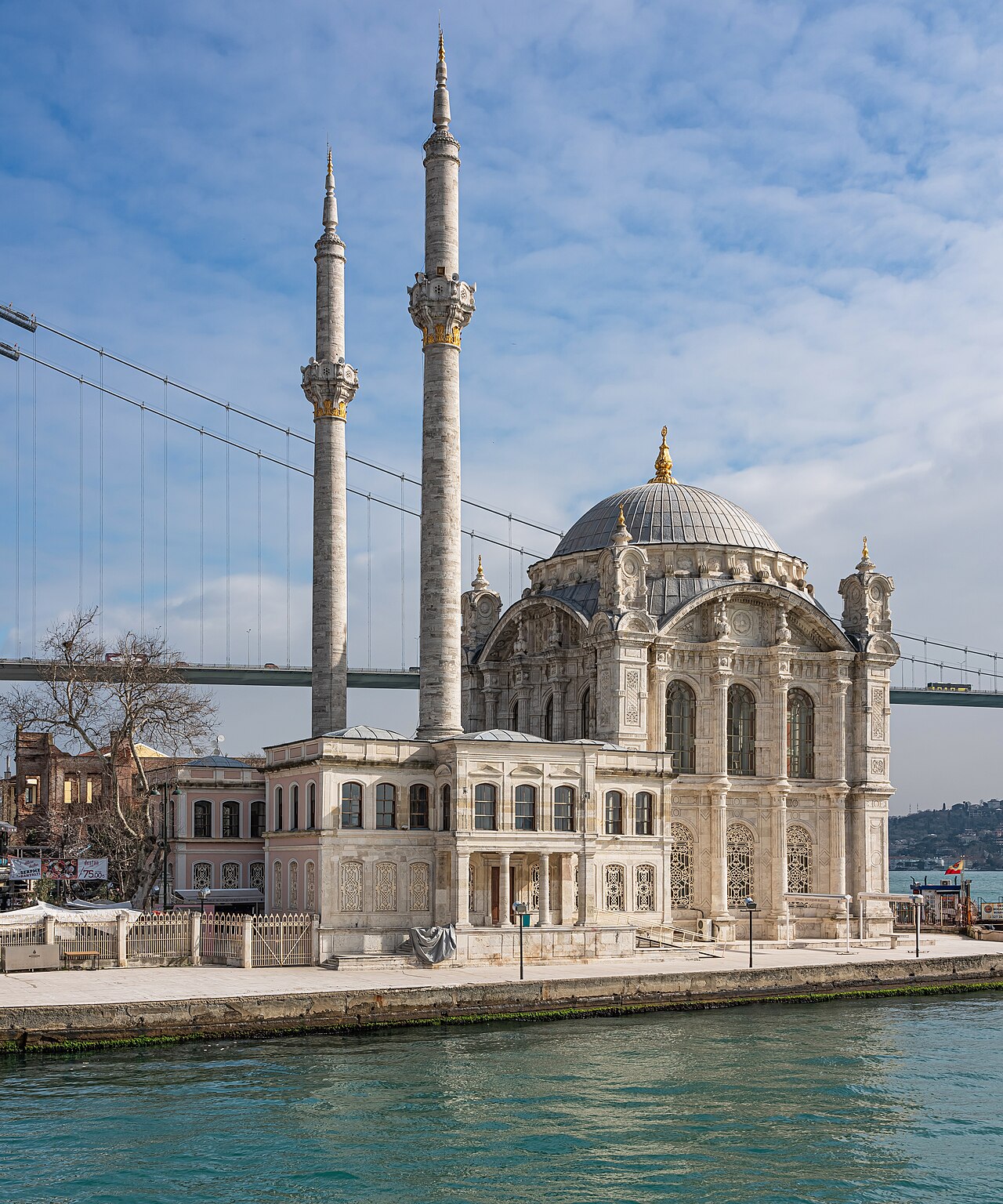
On day four, follow the European shore of the Bosphorus north. Begin outside Ortaköy Mosque and spend time on the waterfront. This stop is about the mosque’s position beside the water and the life of the surrounding area; it does not depend on going indoors. Eat nearby, then continue north.
Ortaköy, Kuruçeşme, Arnavutköy, Bebek and Rumelihisarı appear in that northbound order. They are bearings, not five required calls. Watching their sequence prevents an accidental reversal along the European shore.
Make Rumeli Hisarı the second half optional. The fortress stands on steep ground beside the narrow part of the Bosphorus, so it deserves time and energy rather than a hurried photo stop. Review the museum’s own latest official information. If the morning or the main meal has run long, stay on the lower waterfront and move the fortress to the spare day. Do not add an evening booking in Sultanahmet, which could force a long journey south.
Use day five for the Golden Horn. Give the main part of the day to the Rahmi M. Koç Museum in Hasköy. Its collections cover transport, industry and communications, so pick a theme—such as maritime history, rail or road vehicles—instead of trying to see everything. Take a full meal rest and keep any later walk close to the Golden Horn. A further large museum across the city could compete for the same attention.
Make day six a slower day on the Asian side. Cross by commuter ferry, then pick one simple aim in Kadıköy: food streets, the shoreline or more time in an area you passed quickly on day two. Keep the radius small and take a seated rest ahead of the journey back. There is no need to add a faraway hill or an additional major admission simply to fill the day.
Day seven is the reserve. Move Rumeli Hisarı here when the Bosphorus outing becomes too full, revisit a venue after access changes, or repeat a ferry crossing in better weather. If the first six days worked smoothly, rest or return to a favourite neighbourhood. That open date is deliberate breathing room.
Vary the week's texture: Sultanahmet stone and mosaics, a Bosphorus shore, Pera galleries, Hasköy machinery and Kadıköy streets. Separate palace-scale interiors, Rumeli Hisarı and the transport collections. When energy fades, remove the last cross-district addition. The remaining Istanbul sequence will still protect lunch, recovery and the return journey.
Checked 2026-09-05 · Official site · visit.istanbul
Checked 2026-09-05 · Official site · muze.gov.tr
Checked 2026-09-05 · Official site · rmk-museum.org.tr
Checked 2026-09-05 · Official site · sehirhatlari.istanbul
Visiting Istanbul with children


Children usually enjoy Istanbul more when every outing has one recognisable story and a simple return. In Sultanahmet, choose two interiors at most and use the Hippodrome between them for air, food and a decision about continuing. The square gives adults a clear place to pause without inventing a distant playground or dragging the group into another queue.
The Rahmi M. Koç Museum can support a transport-themed outing on the Golden Horn. Let each child select a subject—boats, railways, road vehicles or communications—then follow those choices rather than crossing every gallery. Read the museum's current visitor guidance for the specific facilities and access arrangements your household requires. A collection theme does not prove suitability for every age or mobility need.
Build another light outing around the commuter ferry between Europe and Asia. Wind, engine noise, gulls and the changing shoreline may be as memorable as a formal attraction. After landing, the Kadıköy Bull Statue supplies a shared landmark before food or a short neighbourhood walk. Turn back towards the pier while everyone can still recognise the route.
Watch for different kinds of fatigue. A quiet mosque asks for restraint; a stone museum may echo; the ferry deck can be windy; Kadıköy pavements can feel busy. Alternate concentration with sitting, eating and open air. An extra interchange rarely rescues a tired afternoon, even when a park looks close on a schematic transit map.
Never infer family facilities from a venue category. Contact the relevant operator and name every requirement: lift, step-free route, toilet or changing table. This page records none of them. Waterfront edges and old slopes call for an early turnaround when supervision becomes difficult. A focused collection, lunch and a Bosphorus crossing are already enough.
Checked 2026-09-05 · Official site · rmk-museum.org.tr
Checked 2026-09-05 · Official site · sehirhatlari.istanbul
Checked 2026-09-05 · Official site · kultursanat.kadikoy.bel.tr
Build an Istanbul itinerary for your own pace
Begin with things to do in Istanbul and name your priorities. Send that shortlist to the planner set to Istanbul with dates, group and pace. Inspect its geography. Sultanahmet must remain compact; Zeyrek descends towards the Golden Horn; Pera runs south or southwest through Galata before Karaköy; the European Bosphorus route advances north. Excellent names cannot redeem a doubled shore crossing or a reversed hill.
Rank your interests honestly. If palaces matter most, give one palace the best part of a day instead of adding a smaller palace stop to several days. If ferries and neighbourhoods matter more, keep the water crossings and reduce the number of ticketed interiors. The planner is most useful when the shortlist already reflects your interests.
Look at each planned day on the map. Circle each ferry crossing, major climb and isolated final stop. A day that changes shore twice or reverses the same hill needs editing.
Choose one main stop, one meal break and one optional final stop for every date. In Sultanahmet, Hagia Sophia can be the main stop and the mosaic museum the optional finish. On a cross-shore outing, pause for food before boarding the ferry. In Beyoğlu, end in Karaköy. When energy drops, skip the optional stop without rushing worship, missing food or stretching the evening.
Three local words make the map easier to read. Vapur means the everyday ferry, iskele is the boarding point and yokuş warns that a short-looking street climbs. Mark each iskele you expect to use and check which shore it serves. A ferry link can be efficient, but it is still a boundary in the day. Likewise, climbing from a waterfront to a ridge may be geographically close and physically tiring. In Istanbul, the shape of the ground often matters more than the number shown beside a walking line. Use those clues to spot an unnecessary crossing or climb while it is still easy to change the day.
Ferry boards add more useful vocabulary. Avrupa Yakası means the European side; Anadolu Yakası means the Asian side; Haliç identifies the Golden Horn. Eminönü, Karaköy, Beşiktaş, Üsküdar and Kadıköy are distinct landings, not interchangeable labels for one waterfront. Read the destination before entering the queue, then compare it with the district named in the next step. This small check catches a wrong-shore plan faster than tracing every transit line.
Treat this as a suggested sequence; it guarantees neither a booking nor admission. Latest official notices, ferry information, weather and the party’s real stamina can all change what is sensible. Confirm the facts that can change, keep the journey home straightforward and accept a shorter day when that is the better experience. The goal is not to cover Istanbul in one sweep; it is to create several clear days that fit the people taking the trip.
Checked 2026-09-05 · Official site · whc.unesco.org
Checked 2026-09-05 · Official site · sehirhatlari.istanbul
Checked 2026-09-05 · Official site · www.peramuzesi.org.tr
Turn this list into a plan
Set your days, your pace and the hours you actually want to be out. The planner works around closing days and travel time, and leaves room to eat.