.JPG)


9 min walk
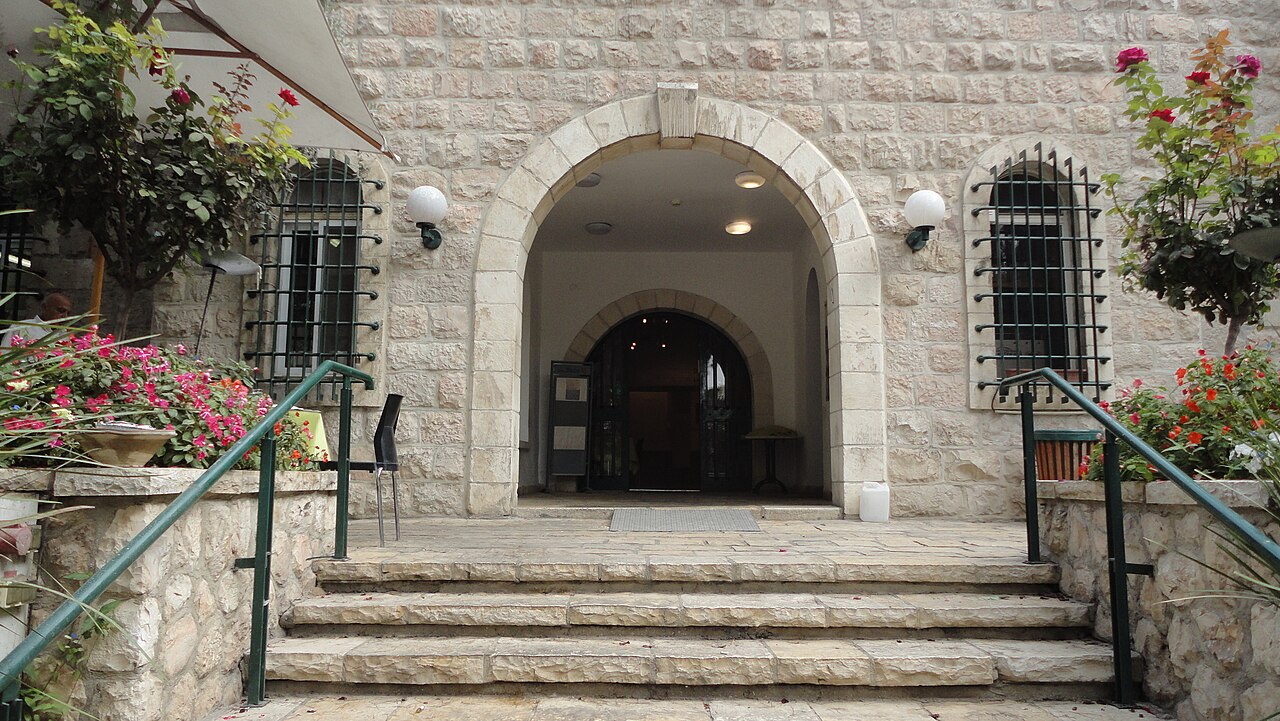
Ticho House
- Must see · Heritage site
- Museum
Language · 11 published
Market · Jerusalem
שוק מחנה יהודה
| Monday | 08:00 – 19:00 |
|---|---|
| Tuesday | 08:00 – 19:00 |
| Wednesday | 08:00 – 19:00 |
| Thursday | 08:00 – 19:00 |
| Friday | 08:00 – 15:00 |
| Saturday | Closed |
| Sunday | 08:00 – 19:00 |
Checked 2026-08-31 · Source
Read from the OpenStreetMap access tags; anything not listed has no tag recorded.
Set the group type to family in the planner and the day window contracts to about three quarters of a solo day.
Mahane Yehuda Market is Jerusalem's principal public market and a significant independent food and cultural destination. Operating for over a century, it functions as a traditional Middle Eastern shuk with covered alleyways and open-air sections. The market serves as both a wholesale hub for local residents and a retail destination for visitors seeking authentic culinary experiences. Its identity remains distinct from the Old City's religious tourism circuit, offering secular commercial and social activity in the western city centre. Mahane Yehuda Market also earns time in a jerusalem itinerary because Jerusalem’s principal visitor market is an independent food and cultural stop outside the Old City religious circuit. Its value becomes clearer when the stop is compared with the surrounding streets and the other ranked places nearby.
Checked 2026-08-26
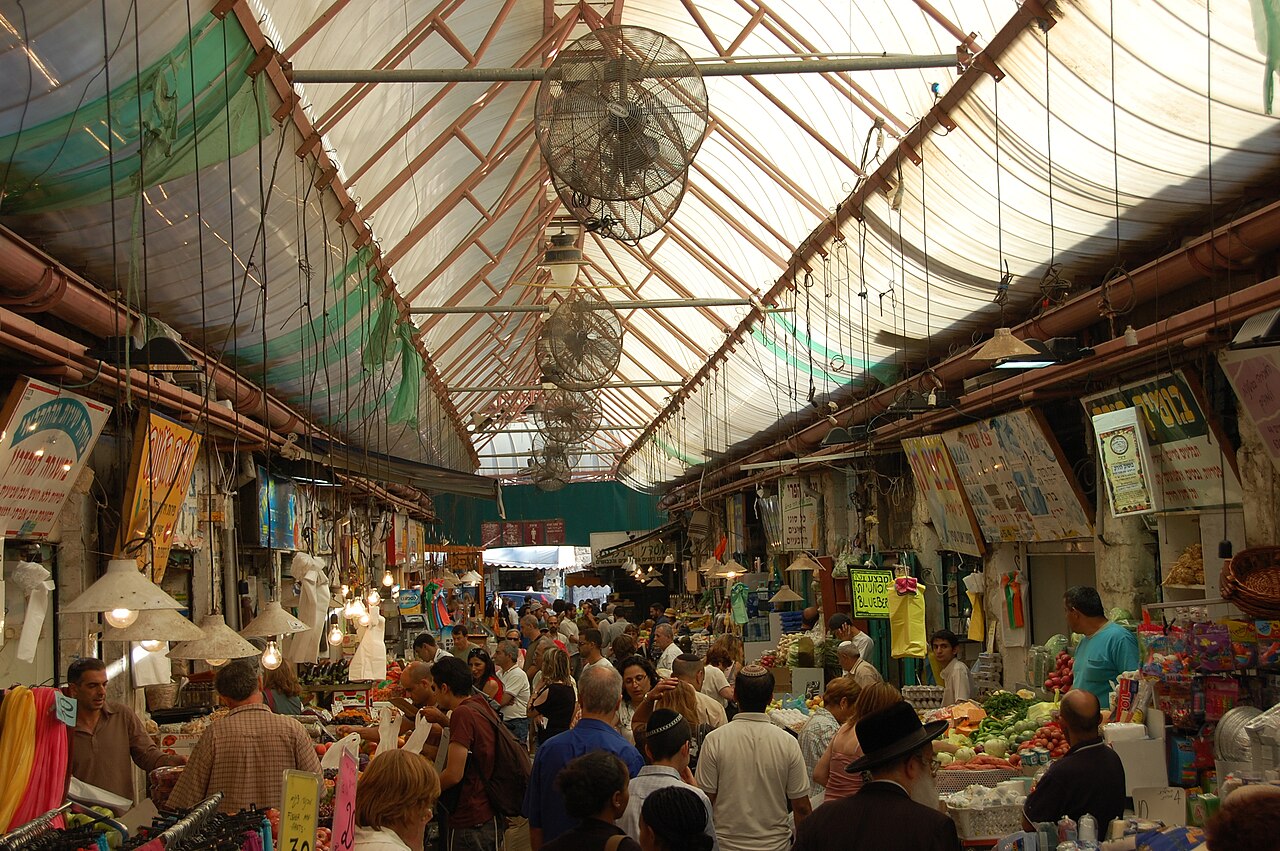
The market contains numerous stalls and small shops arranged in narrow lanes. Vendors sell fresh produce, spices, nuts, dried fruits, baked goods, cheeses, meats, and prepared foods. In recent decades, bars, restaurants, and cafes have established premises within and around the market perimeter. The mix preserves traditional market commerce alongside newer hospitality venues. Evening hours transform portions of the area into a nightlife district. The physical environment combines covered passages with uncovered sections between stone and metal structures. A flexible visit lets travellers connect Mahane Yehuda Market with the rest of the day without treating one room, viewpoint or photograph as the whole experience. The useful pace depends on personal interest and conditions on arrival.
Checked 2026-08-26
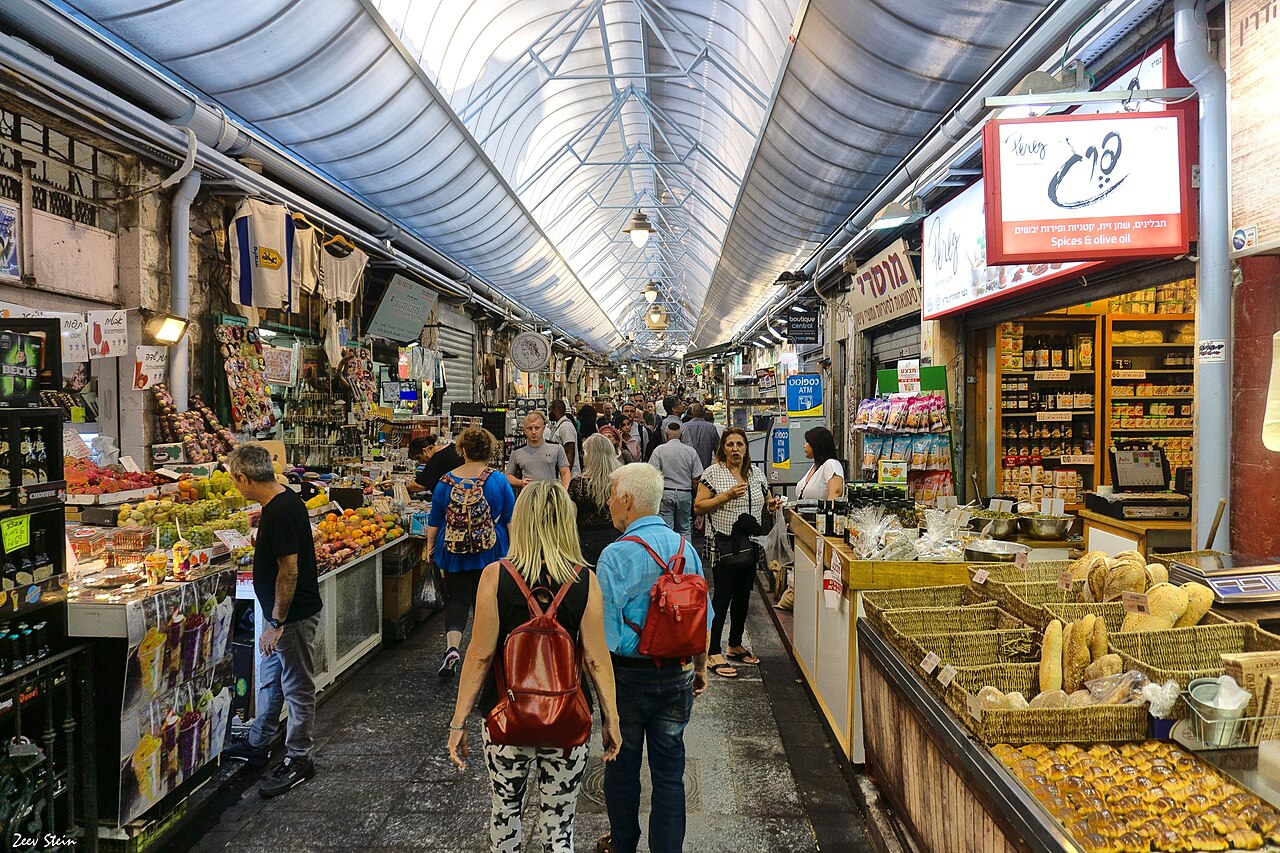
Visitor duration varies substantially by purpose. Casual browsing of the central lanes requires approximately one hour. Food-focused exploration with sampling at multiple stalls extends visits to two or three hours. Evening socialising at market-adjacent bars or restaurants may occupy additional time. The market's compact physical footprint permits efficient circulation, though congestion during peak periods slows movement. Repeat visits are common for those staying multiple days in Jerusalem, particularly to experience different times of day and varying vendor availability.
Checked 2026-08-26

The market operates across daytime and evening periods, with distinct atmospheres at different hours. Morning visits offer optimal conditions for observing wholesale activity and full vendor operations. Friday mornings preceding the Sabbath see intensified activity. Evening hours attract different demographics seeking dining and entertainment. Seasonal variations affect produce availability and outdoor comfort. Visitors should verify current schedules through direct inquiry or official channels before planning visits, as patterns may shift without broad notification. Check the operator's own site for the travel date before relying on a schedule or fare.
Checked 2026-08-26
Entry to Mahane Yehuda Market requires no admission fee. Individual purchases at vendor stalls operate on per-transaction pricing. Costs vary by product category, vendor, and negotiation practices applicable to certain goods. Prepared food and beverage prices at established stalls and surrounding restaurants reflect standard Jerusalem commercial rates. Visitors should carry sufficient cash, as not all vendors maintain card payment capability. ATM services are available in the immediate vicinity for currency access. Check the operator's own site for the travel date before relying on a schedule or fare.
Checked 2026-08-26

The market occupies a central western Jerusalem location between Jaffa Road and Agrippas Street, accessible from multiple directions. The Jerusalem Light Rail serves nearby stations along Jaffa Road. Multiple bus routes operate along surrounding streets. Walking from the Old City requires approximately thirty to forty minutes westward. Taxi and rideshare services provide direct access. The dense urban environment means parking availability is constrained; private vehicle use is generally inadvisable. The market's integration into regular city commerce makes it straightforward to locate without specialised navigation.
Checked 2026-08-26

Crowded conditions require awareness of personal belongings and spatial movement. Narrow lanes concentrate foot traffic during peak periods. Wet surfaces from produce handling and cleaning create slip hazards. Aggressive vendor solicitation occurs intermittently; calm refusal suffices. Food handling standards vary across informal stalls; visitors with sensitivity should select vendors with visible hygiene practices. Evening alcohol consumption in surrounding venues alters local atmosphere and requires standard urban precautions. The market's working commercial function means motorised delivery vehicles access certain lanes during operational hours.
Checked 2026-08-26

Photography is generally tolerated in the public market environment, though courteous practice warrants attention to context. Individual vendors may express preference against direct photography of their stalls or persons; verbal acknowledgment before shooting demonstrates respect. Crowded conditions complicate tripod use and extended stationary positioning. Evening lighting transitions from functional market illumination to atmospheric venue lighting, affecting technical requirements. Flash photography may disturb commerce and attract negative response. Drone operation would require appropriate regulatory compliance and is impractical in the dense urban airspace and crowded ground environment.
Checked 2026-08-26
No. The market is located in western Jerusalem, outside the Old City walls and separate from the religious tourism circuit concentrated around the historic gates and quarters.
Both options exist. The market contains food stalls for immediate consumption alongside establishments for seated meals. Bars and restaurants in the surrounding area expanded dining options in recent decades.
Sabbath observance affects Jewish commercial operations in Jerusalem generally. Friday afternoon through Saturday evening patterns differ from weekday operations. Specific schedule confirmation is advisable before visiting.
Practices vary by vendor and product category. Some goods operate with displayed prices; others permit or expect negotiation. Observing local customer interactions provides guidance on applicable customs for specific stalls.
The historic market infrastructure presents challenges. Narrow lanes, uneven surfaces, and crowded conditions complicate wheelchair and limited-mobility navigation. The environment predates modern accessibility standards.
The market contains diverse vendors. Many food products conform to kosher standards given Jerusalem's demographic context, but assortment varies by stall. Specific dietary requirements warrant direct vendor verification rather than assumption.
Loading the interactive map…
The interactive map could not be loaded.


Last updated:
Source: OpenStreetMap contributors, Wikidata ·