
1 min walk
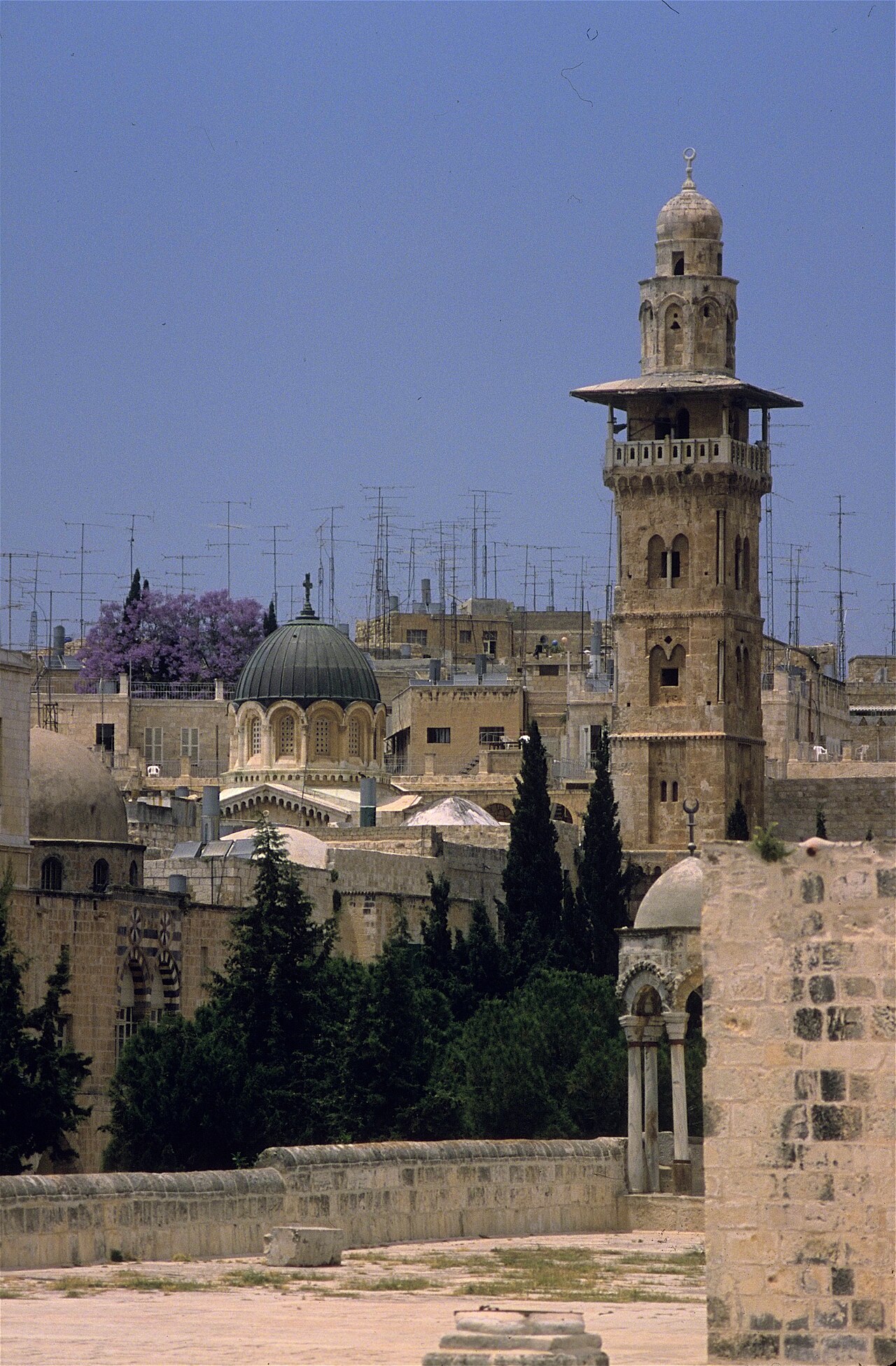
Ghawanima minaret
- High
- Historic monument
Language · 11 published
Place of worship · Jerusalem
Church of the Condemnation
Reviewed by Elena Voss · SSMTour Travel Editor

This place is a Place of worship. It was established in 1904. It was built in the Byzantine Revival architecture style. It was designed by Wendelin Hinterkeuser. It carries the heritage site in Israel heritage designation.
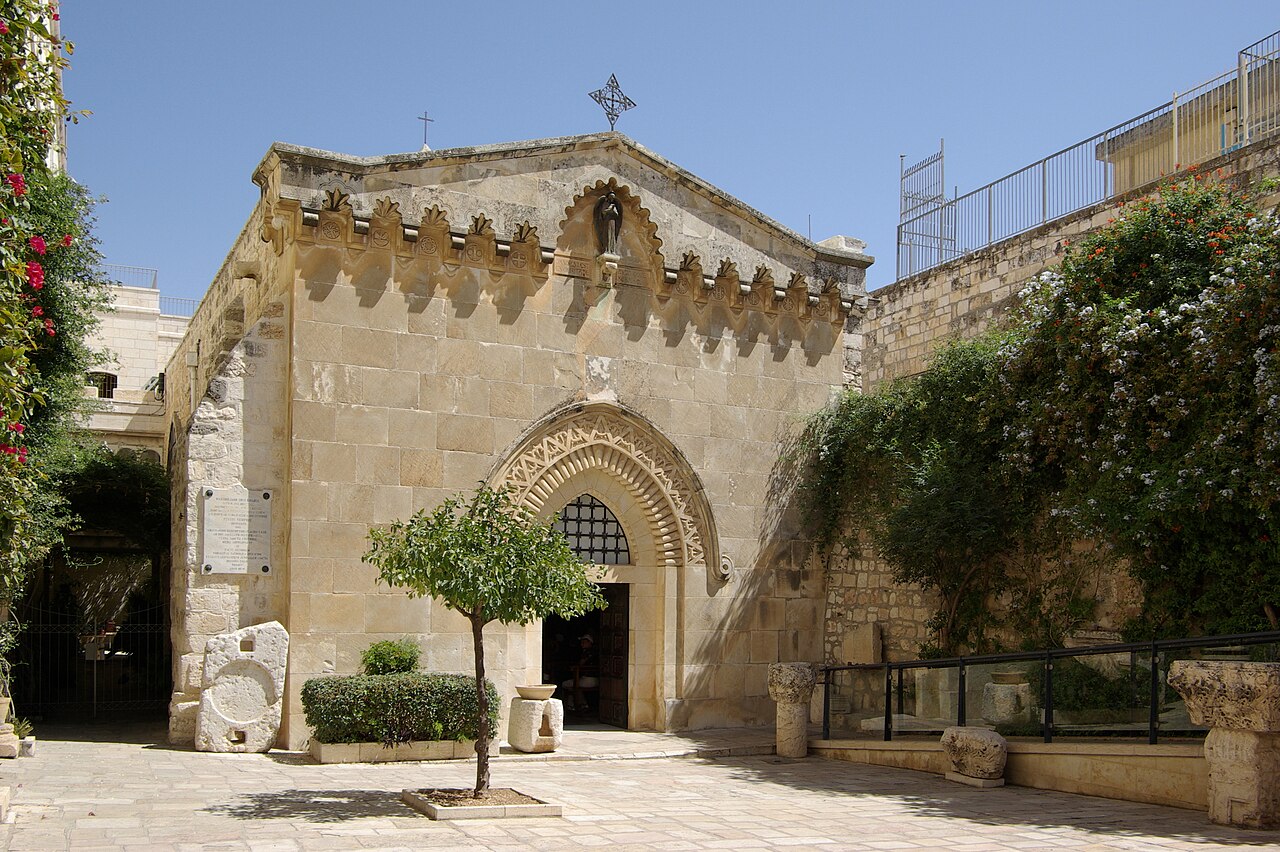
The Church of the Condemnation is a Roman Catholic chapel in Jerusalem's Old City, situated along the Via Dolorosa. It commemorates the traditional site where Jesus was condemned to death by Pontius Pilate. The church belongs to the Franciscan Custody of the Holy Land. Its location marks the second station of the cross in Catholic tradition. The present structure was built in the early twentieth century, though the site has held religious significance for centuries. Pilgrims and visitors traverse this route as part of the Passion path through Jerusalem's ancient streets.
Checked 2026-08-26
The interior contains modest religious furnishings typical of Franciscan chapels in the Holy Land. Visitors encounter stone pavement fragments displayed within the church, traditionally associated with the Lithostrotos or Gabbatha where Roman judgment occurred. The architectural design reflects early twentieth-century ecclesiastical construction with relevant iconography. Wall decorations and stations illustrate the biblical narrative of condemnation. The spatial arrangement accommodates small groups of pilgrims moving through the Via Dolorosa sequence. Sacred artifacts and devotional elements serve the liturgical functions of the site. The atmosphere remains contemplative given its position within the broader pilgrimage route.
Checked 2026-08-26
A visit to the Church of the Condemnation typically requires brief duration as part of a larger Via Dolorosa progression. Most visitors allocate approximately fifteen to twenty minutes for interior observation and reflection. The compact chapel dimensions preclude extended stays during busy pilgrimage periods. Devotional visitors may linger longer for prayer. The site functions as one station among fourteen, with total route traversal demanding substantially greater commitment. Individual pacing varies considerably based on religious observance, crowd density, and whether guided interpretation accompanies the visit. Seasonal fluctuations in pilgrim traffic affect available time for unhurried examination.
Checked 2026-08-26
Visitors should verify current accessibility before planning arrival, as religious sites in Jerusalem frequently maintain variable schedules influenced by liturgical calendars and custodial arrangements. The Franciscan Custody of the Holy Land administers this chapel; their published schedules would constitute authoritative guidance. Morning hours generally prove preferable for Old City navigation before peak congestion. Major Christian feast days attract substantial pilgrimage traffic that may alter normal access patterns. Seasonal considerations include Jerusalem's hot summers and cool winters, affecting pedestrian comfort along the Via Dolorosa's exposed stone passages. Check the operator's own site for the travel date before relying on a schedule or fare.
Checked 2026-08-26
The Church of the Condemnation typically does not charge admission as an active place of worship under Franciscan administration. However, visitors should confirm current policies directly with the Custody of the Holy Land or onsite personnel. Voluntary donations may support chapel maintenance. No advance booking appears necessary for individual visitors. Group pilgrimages occasionally arrange guided services through specialized tour operators with separate fee structures. Visitors carrying substantial photography or filming equipment should inquire whether special permissions apply, though standard devotional visitation generally encounters no financial barrier. Check the operator's own site for the travel date before relying on a schedule or fare.
Checked 2026-08-26
The church occupies the Via Dolorosa within Jerusalem's Old City walls, accessible through multiple gates. The Lion's Gate provides relatively direct approach from the east. Damascus Gate offers northern entry requiring navigation through winding lanes. Public transportation serves surrounding areas but not the pedestrianized core. Walking remains essential for final approach through narrow medieval streets. Signage marking the Via Dolorosa stations assists orientation, though the dense urban fabric challenges inexperienced visitors. Considerable uphill and downhill traversal characterizes Old City movement. Appropriate footwear proves advisable given uneven ancient paving and substantial distances between gates and destination.
Checked 2026-08-26
The surrounding Muslim Quarter presents complex cultural dynamics requiring respectful visitor conduct. Narrow passageways experience heavy pedestrian and occasional vehicular traffic creating congestion hazards. Steep stone steps and irregular surfaces demand careful footing, particularly in wet conditions. Religious sensitivities necessitate modest dress covering shoulders and knees. Political tensions occasionally manifest in this contested urban space; situational awareness benefits all visitors. Commercial pressures from adjacent vendors may accompany pilgrimage routes. Pickpocketing represents a documented risk in crowded Old City quarters. Photography of local residents requires discretion and often explicit permission to avoid confrontation.
Checked 2026-08-26
Interior photography policies are Not recorded pending review; visitors should observe posted restrictions or seek guidance from attending personnel. Flash photography may disturb devotional activities and potentially damage sensitive materials. The confined space complicates unobtrusive image capture during active worship. Exterior photography along the Via Dolorosa encounters fewer restrictions though cultural sensitivity remains essential. Morning light penetrating eastern windows potentially enhances interior imagery when permitted. Tripod use likely requires explicit authorization given spatial constraints and pedestrian flow. Respect for ongoing religious practice supersedes photographic objectives at all times within this functioning chapel environment.
Checked 2026-08-26
The church marks a traditional location venerated since medieval periods, though historical verification remains beyond available evidence. Archaeological and scholarly consensus does not confirm specific Gospel event locations.
The chapel generally permits respectful visitors regardless of religious affiliation, functioning as both pilgrimage destination and historical site within the Old City's accessible fabric.
Specific tour arrangements are Not recorded pending review. The site typically receives visitors through independent Via Dolorosa traversal or organized pilgrimage programs coordinated externally.
Modest attire covering shoulders and knees represents standard expectation for religious sites in Jerusalem, applicable to this chapel within the conservative cultural context of the Old City.
The Via Dolorosa's ancient stepped and uneven surfaces present substantial challenges. The church interior's configuration and access route are Not recorded pending review regarding specific accommodation provisions.
This chapel constitutes the second station in Catholic tradition, following Jesus's condemnation. The sequence continues through fourteen stations culminating at the Church of the Holy Sepulchre.
Loading the interactive map…
The interactive map could not be loaded.

Last updated:
Source: OpenStreetMap contributors, Wikidata ·