
3 min walk
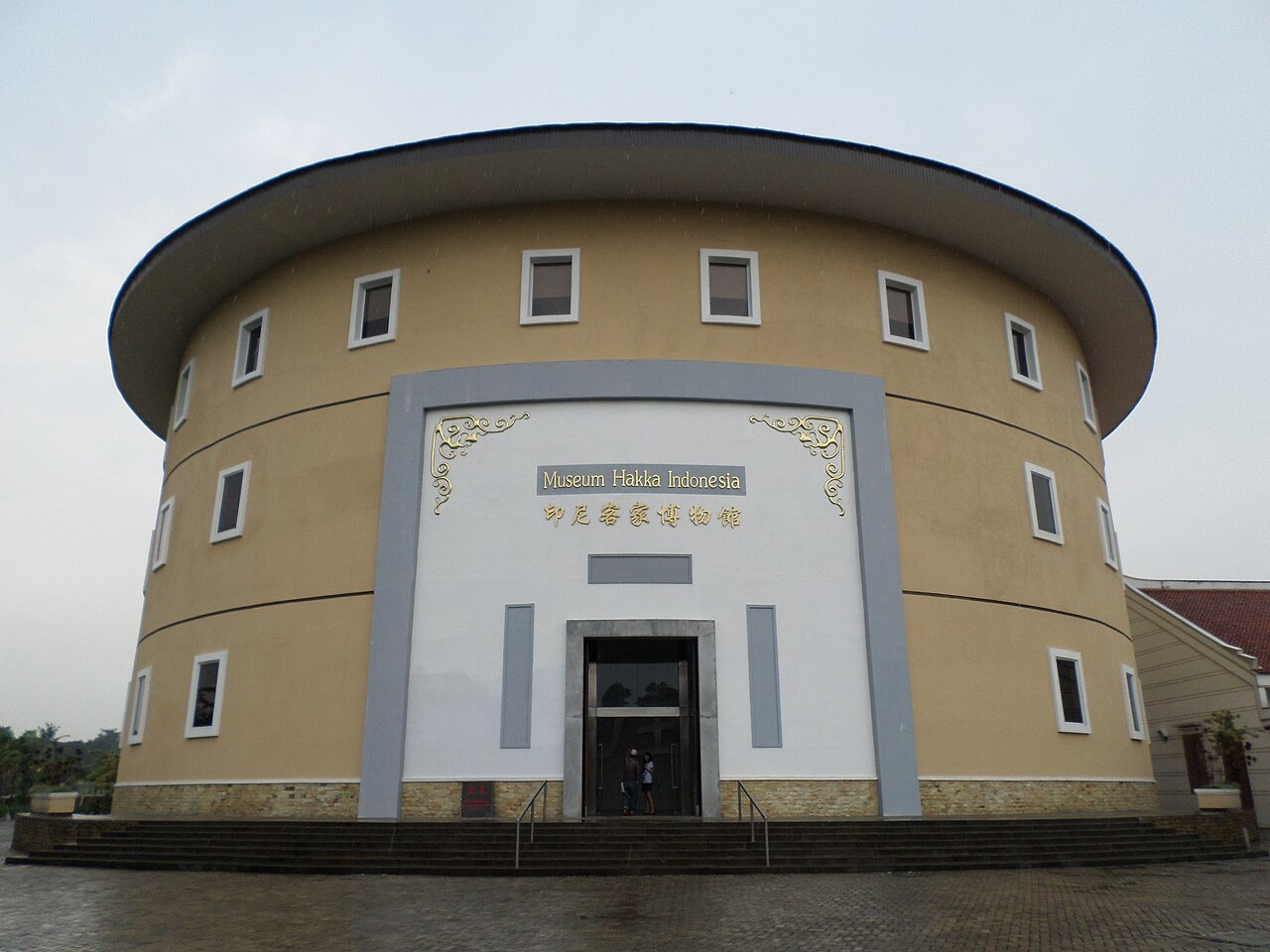
Indonesian Hakka Museum
- Must see
- Museum
Language · 11 published
Museum · Jakarta

The Electricity and New Energy Museum, locally called Museum Listrik dan Energi Baru, introduces visitors to electrical power and newer energy technologies in Jakarta. It is a focused educational attraction rather than an art gallery or general history museum. The subject makes the museum especially relevant for families, students, engineers, and anyone curious about how electricity supports modern life and Indonesia’s development. The Electricity and New Energy Museum, known locally as Museum Listrik dan Energi Baru, is a Jakarta visitor attraction ranked within the breadth-first top 100 places to visit in the city. It serves as an institution dedicated to showcasing aspects of electrical power generation and emerging energy technologies. The museum contributes to public education about Indonesia's energy infrastructure and development. Parental assessment of content appropriateness based on observed exhibits is advisable.
Checked 2026-08-26 · Source
Visitors encounter a technology-focused setting centred on electricity, energy production, and new energy ideas. Displays are intended to explain technical subjects in an accessible way, making the museum a useful stop for learning rather than passive sightseeing. Read the information panels carefully and give extra attention to demonstrations or models, since they help connect large infrastructure systems with everyday household electricity use. Museums of this category typically display historical electrical equipment, generators, transmission infrastructure models, and renewable energy demonstrations such as solar panels or wind turbines. Interactive educational components for visitors may be present. Collections might trace Indonesia's electrification history from colonial-era installations through national infrastructure development. Thematic sections could address conventional power generation alongside newer sustainable alternatives. Visitors should anticipate technology-focused displays rather than fine art or general historical collections.
Checked 2026-08-26 · Source
Plan a compact museum visit and allow enough time to read explanatory material instead of rushing from display to display. A shorter walk works for travelers adding one educational stop to a wider Jakarta day, while people interested in engineering, environmental science, or public infrastructure may want a slower exploration. Children usually benefit when adults turn the exhibits into simple questions about power and energy. Duration of visit to the Electricity and New Energy Museum depends on individual interest in energy technology and museum depth. Comparable technical museums typically require between sixty to ninety minutes for meaningful engagement with exhibits. Visitors with professional or academic backgrounds in engineering, environmental science, or energy policy may spend additional time examining technical specifications.
Checked 2026-08-26 · Source
Choose a time that leaves room for an unhurried indoor visit and manageable travel through Jakarta. A morning stop can fit comfortably into a day before traffic and heat become more tiring. Families may prefer a quieter period for discussing the displays together, while students and specialist visitors can benefit from setting aside additional reading time. The museum works well as a purposeful break from outdoor sightseeing.
Checked 2026-08-26 · Source
Treat the museum as a specialist educational stop within a Jakarta itinerary. Since the practical admission details are supplied separately from this guide, plan the visit around the experience rather than building a precise cost calculation into the day. Keep your schedule flexible for the time spent with technical displays, particularly if children or science-minded companions want to discuss what they have seen.
Checked 2026-08-26 · Source
The museum is in Jakarta, so build generous travel time into the itinerary and expect road conditions to influence the journey. Ride-hailing services, taxis, and city bus connections are useful ways to approach destinations across the capital. Share the museum’s exact map position with a driver, and avoid scheduling a tightly timed activity immediately afterward. The visit is easiest when treated as one flexible stop in a wider day.
Checked 2026-08-26 · Source
Jakarta’s heat, humidity, traffic, and uneven pedestrian conditions can make the journey more tiring than the museum visit itself. Carry water for outdoor travel and take care around busy roads. Inside, follow staff directions around equipment and demonstrations, and keep children close while they explore. The technical subject rewards patience: reading the explanations is more valuable than treating the museum as a quick photo stop.
Checked 2026-08-26 · Source
Use photography to record interesting equipment, diagrams, or educational moments when the museum permits it. Keep the camera from interrupting demonstrations or blocking other visitors, and avoid photographing people without permission. A few carefully framed images of technology and explanatory panels are more useful than constant shooting. Flash, tripods, or commercial recording may affect the experience, so follow the signs and staff instructions inside the museum.
Checked 2026-08-26 · Source
It suits families, students, and travelers interested in electricity, infrastructure, engineering, or sustainable energy. Children can engage with the subject when adults explain the displays in simple, practical terms.
The museum focuses on electrical power and new energy technologies, presenting a specialist educational perspective on the systems that support modern life and Indonesia’s development.
No. It is a technology and energy museum, so the experience centres on electricity, power systems, and educational explanations rather than paintings or general art collections.
Leave time to read the displays and discuss the subject with companions. It works well as a focused indoor stop within a flexible Jakarta sightseeing day.
Yes. Its focus on electricity, energy production, infrastructure, and newer technologies makes it relevant to students studying engineering, environmental science, or related subjects.
Move carefully around displays, follow staff directions, and give yourself time to read. The museum is most rewarding when approached as an educational experience rather than a rapid sightseeing stop.
Loading the interactive map…
The interactive map could not be loaded.
Last updated:
Source: OpenStreetMap contributors ·