_-_img_02.jpg)

_-_img_01.jpg)
_-_img_03.jpg)
_-_img_04.jpg)
_-_img_05.jpg)
2 min walk
Bank Mandiri Museum
- Must see
- Museum
Language · 1 published
Museum · Jakarta
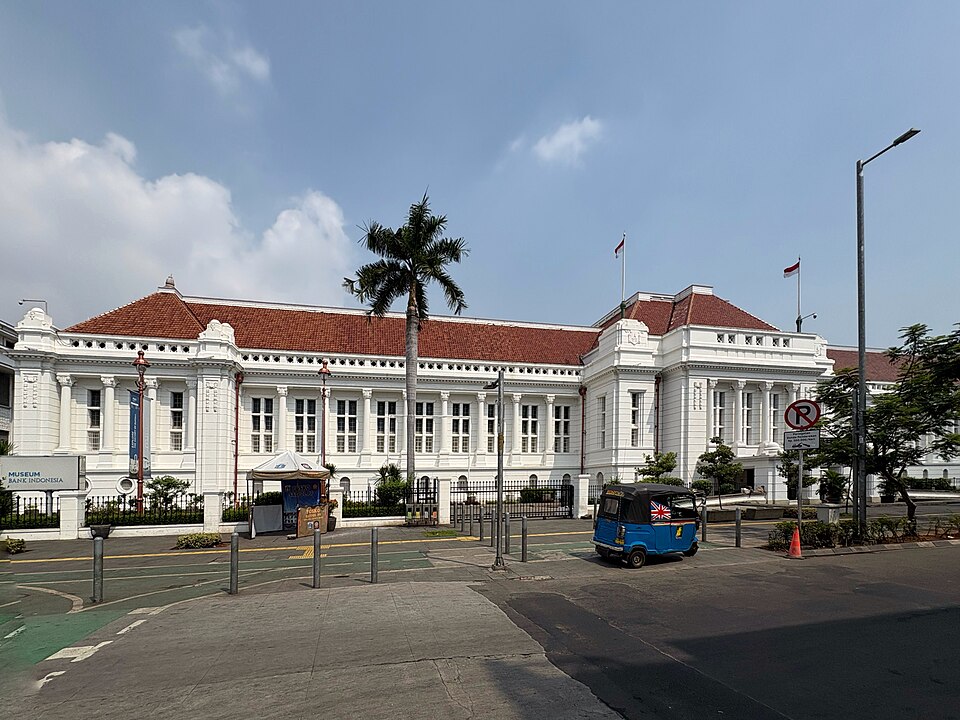
The Bank Indonesia Museum occupies a historic colonial building in Jakarta's Old Town area. It serves as a museum dedicated to the history of Indonesia's central bank and the broader narrative of banking and finance in the Indonesian archipelago. The building itself represents an important architectural heritage from the Dutch colonial period, when it originally functioned as the headquarters of De Javasche Bank. The institution now operates under Bank Indonesia, the country's central monetary authority, as part of its public education and heritage preservation mandate.
Checked 2026-08-26
The museum's collections trace Indonesia's monetary history from pre-colonial times through the present day. Exhibits include historical currency, banking instruments, and documents related to financial development across the archipelago. Visitors encounter displays on the evolution of payment systems, the role of banking during Indonesia's independence struggle, and the establishment of Bank Indonesia as the national central bank. The preserved colonial architecture provides an atmospheric setting, with period features maintained throughout the interior spaces. Interactive elements and dioramas supplement the physical collections.
Checked 2026-08-26

Visitors typically allocate between one and two hours for a comprehensive visit to the Bank Indonesia Museum. This duration allows adequate time to examine the historical currency displays, read explanatory panels on monetary policy evolution, and appreciate the architectural features of the colonial-era building. Those with specific interest in numismatics, economic history, or colonial architecture may wish to extend their stay. The museum's compact layout within a single historic structure prevents the fatigue associated with larger institutional complexes, permitting focused engagement with the material presented.
Checked 2026-08-26
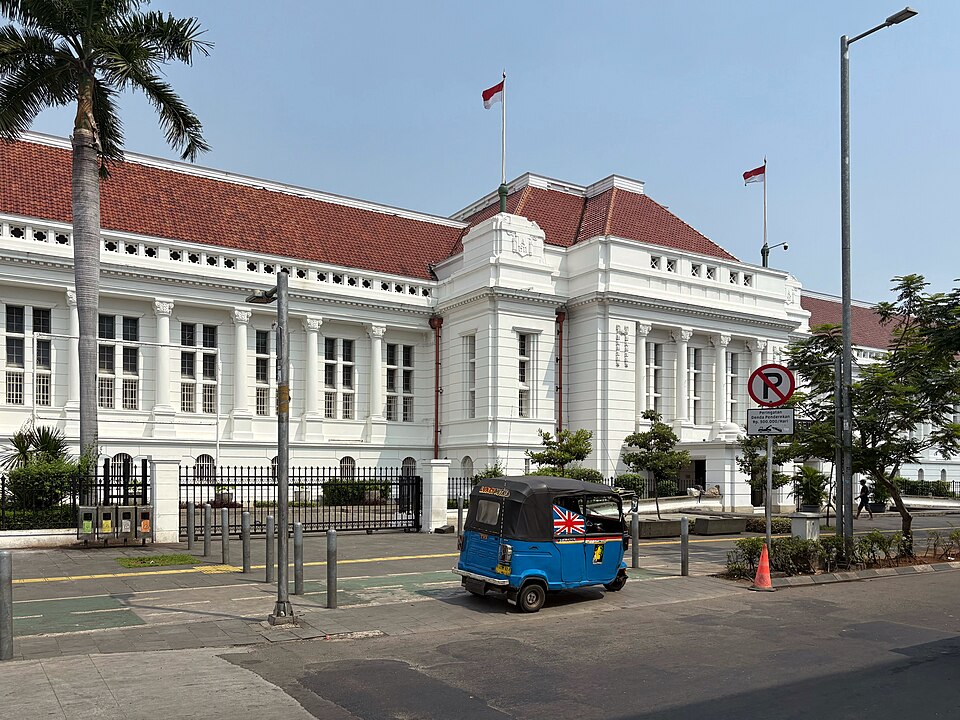
Operator-confirmed hours are Not recorded pending review. Visitors should verify current opening schedules directly with Bank Indonesia or official tourism channels before planning their visit. Jakarta's tropical climate means indoor attractions offer welcome respite from heat and humidity year-round. Morning visits to the Old Town area may coincide with reduced crowding at nearby attractions. Weekend and holiday periods typically draw increased domestic visitation to museums across the city. Advance confirmation remains essential given potential schedule modifications by the operating institution. Bank Indonesia Museum also earns time in a jakarta itinerary because A ranked jakarta visitor place retained in the breadth-first top 100; production has no exact city POI pool match. Its value becomes clearer when the stop is compared with the surrounding streets and the other ranked places nearby.
Checked 2026-08-26
Operator-confirmed prices are Not recorded pending review. The museum may operate with free admission or nominal entry fees as common with Indonesian state-run cultural institutions, though this requires direct verification. Visitors should consult official Bank Indonesia communications or on-site signage for current ticketing arrangements. Any special exhibition surcharges, group rates, or guided tour fees similarly require confirmation from authoritative sources. Carrying small denomination cash remains prudent for Jakarta museum visits generally, though electronic payment acceptance continues expanding across institutional venues in the capital.
Checked 2026-08-26
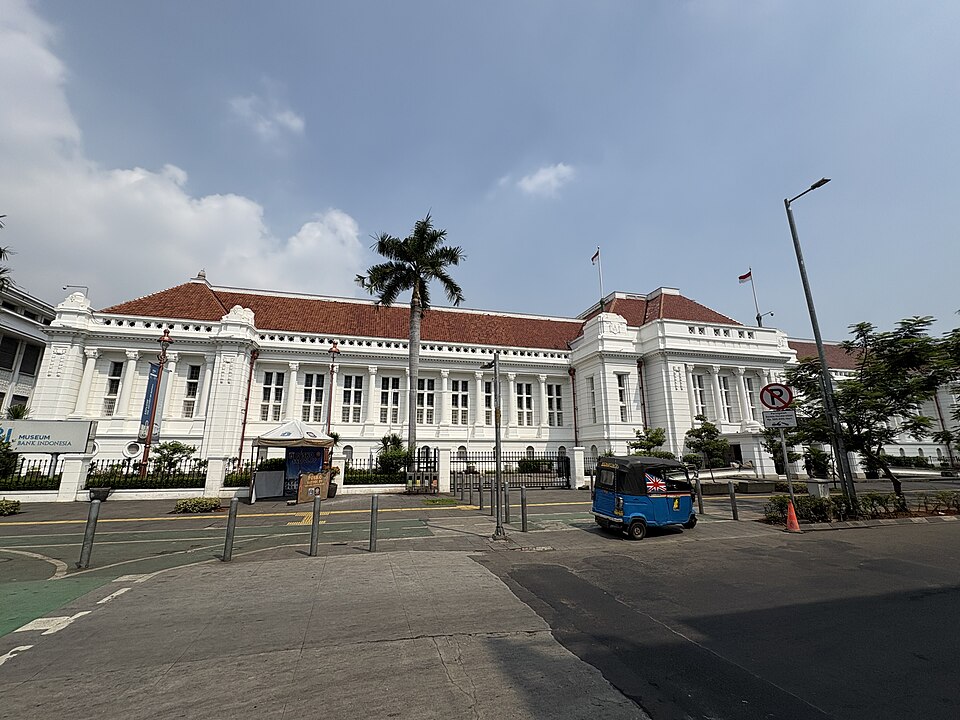
The museum sits within Jakarta's Kota Tua heritage precinct in West Jakarta. The Jakarta Kota railway station provides accessible rail connection to the broader metropolitan network. TransJakarta bus corridors serve the Old Town area with dedicated stops within reasonable walking distance. Ride-hailing applications operate extensively across Jakarta and offer convenient point-to-point service, though traffic congestion frequently affects travel times. Walking from nearby attractions within the compact Kota Tua district proves feasible. Visitors should anticipate heavy traffic conditions typical of central Jakarta, particularly during peak commuting periods on weekdays.
Checked 2026-08-26

The Old Town area experiences significant visitor congestion during weekends and public holidays, affecting comfort and movement between attractions. Street-level surroundings include active traffic and uneven pedestrian infrastructure requiring attention. Jakarta's tropical climate demands hydration and sun protection during outdoor segments of approach routes. The museum's historic building may present accessibility constraints including staircases without modern alternatives. Visitors should secure personal belongings against opportunistic theft common in crowded tourist zones. Air quality in central Jakarta occasionally reaches unhealthy levels, potentially affecting sensitive individuals during outdoor exposure periods.
Checked 2026-08-26
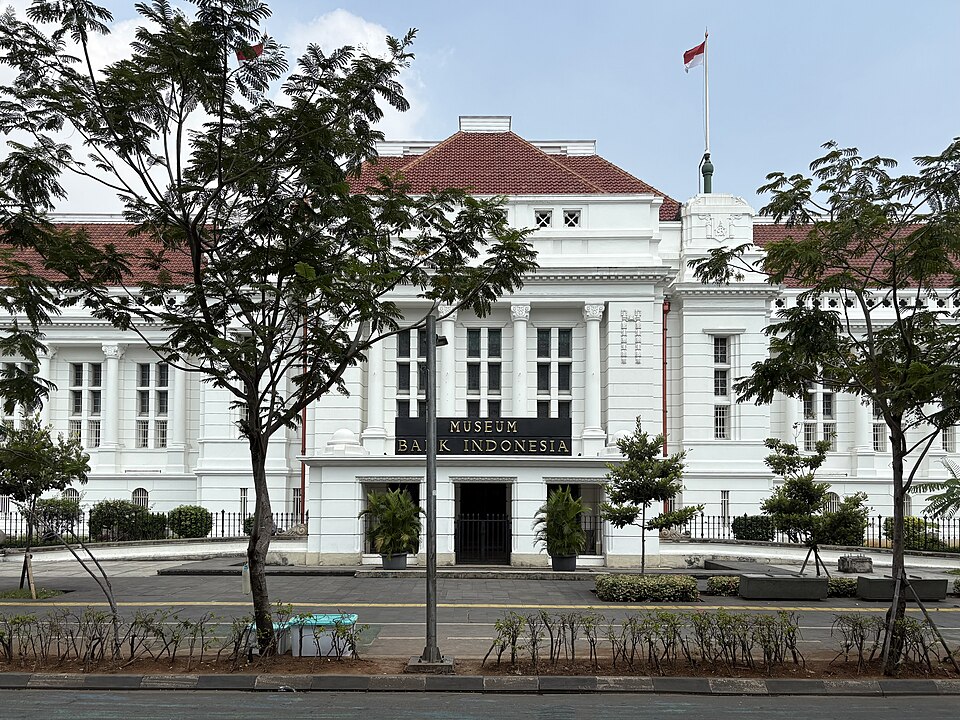
Photography policies within Indonesian state museums vary by institution and exhibit type. Visitors should observe posted signage regarding camera use and respect any restrictions on flash photography or tripod deployment that may protect sensitive historical materials. The colonial architecture and interior period details offer substantial visual interest for documentary photography where permitted. Currency displays behind glass present reflection challenges requiring patient positioning. Staff guidance on photography rules should be followed explicitly. Sharing images on social media platforms typically raises no concerns when conducted in permitted areas without disrupting other visitors' experience.
Checked 2026-08-26
The museum's focus on monetary history and banking development appeals most directly to visitors with established interest in these subjects. Children may find certain interactive displays engaging, though the predominant text-heavy exhibition approach suits older visitors better. Parental discretion advised based on individual child temperament.
Guided tour availability is Not recorded. Visitors seeking structured interpretation should inquire directly with museum staff upon arrival or contact Bank Indonesia's public information channels in advance. English-language tour provision cannot be assumed without verification.
Historic colonial buildings in Indonesia frequently present accessibility limitations. The original architectural fabric may include staircases without modern alternatives. Visitors requiring step-free access should contact the institution directly for current accessibility information before visiting.
Both institutions occupy colonial-era buildings within the Kota Tua heritage precinct and represent distinct thematic focuses. The Bank Indonesia Museum addresses monetary and banking history under central bank administration, while the Jakarta History Museum covers broader municipal history under city government. Complementary visits possible.
Standard museum protocols typically prohibit consumption within exhibition spaces to protect collections. Visitors should anticipate consuming refreshments outside the building or in designated areas if provided. Nearby Kota Tua offers various dining options for before or after visits.
Gift shop availability is Not recorded. Indonesian state museums inconsistently maintain retail operations. Visitors seeking numismatic souvenirs or Bank Indonesia publications should inquire on-site or consult official channels regarding current merchandise availability.
Loading the interactive map…
The interactive map could not be loaded.
Last updated:
Source: OpenStreetMap contributors, Wikidata ·