_-_img_01.jpg)


.jpg)
.jpg)
4 min walk
Museum Pusaka
- Must see
- Museum
Language · 1 published
Entertainment venue · Jakarta

Taman Mini Indonesia Indah is a large cultural park in East Jakarta that presents the diversity of Indonesian provinces through pavilions, architecture, and traditional displays. The name translates to Beautiful Indonesia Miniature Park. It was conceived as a project to showcase the nation's cultural heritage in one accessible location. The park covers substantial grounds and remains one of Jakarta's most prominent visitor attractions, drawing both domestic tourists and international travelers seeking to understand Indonesia's regional variety without extensive travel across the archipelago.
Checked 2026-08-26
The park contains provincial pavilions representing Indonesia's regions, each displaying traditional houses, costumes, and artifacts. Additional features include museums, religious buildings, gardens, and recreational areas. The Keong Emas IMAX theater and the Indonesian Archipelago Lake are notable landmarks within the complex. Cultural performances occur periodically. The site attempts comprehensive representation of the country's ethnic and cultural mosaic through built structures and curated exhibitions, though the completeness and current condition of individual pavilions varies based on maintenance levels and visitor traffic patterns. Taman Mini Indonesia Indah also earns time in a jakarta itinerary because A ranked jakarta visitor place retained in the breadth-first top 100; production has no exact city POI pool match. Its value becomes clearer when the stop is compared with the surrounding streets and the other ranked places nearby.
Checked 2026-08-26
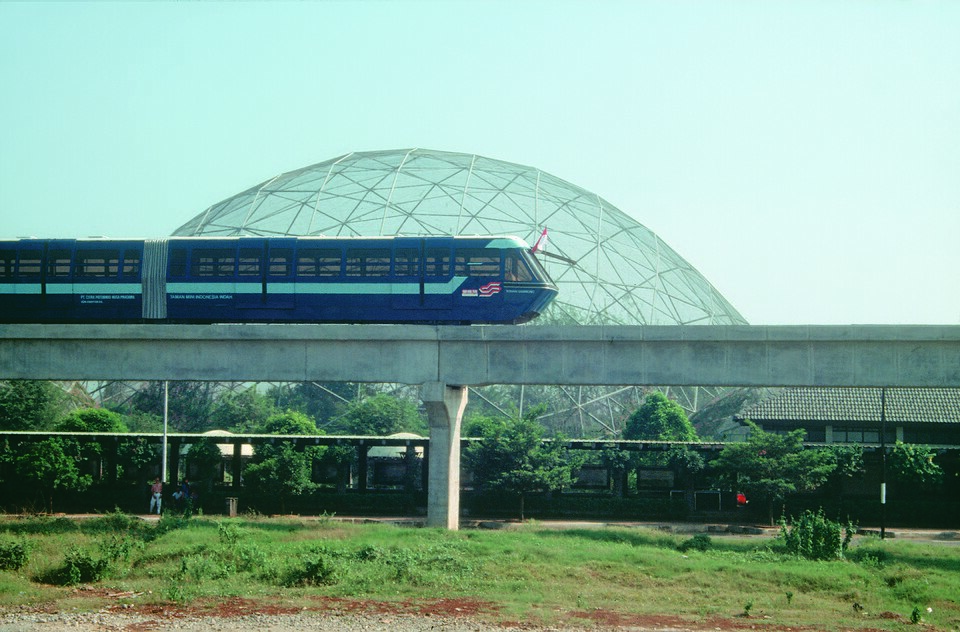
Visitors typically allocate a half-day to full-day for meaningful exploration given the park's extensive scale. Comprehensive coverage of all pavilions and attractions would require substantial time. Most visitors select specific zones of interest rather than attempting complete circumnavigation. The dispersed layout necessitates walking considerable distances or utilizing internal transportation options. Those with limited time should prioritize particular provincial pavilions or the central lake area. Repeat visits may be warranted for travelers seeking thorough engagement with the cultural presentations across the entire complex.
Checked 2026-08-26
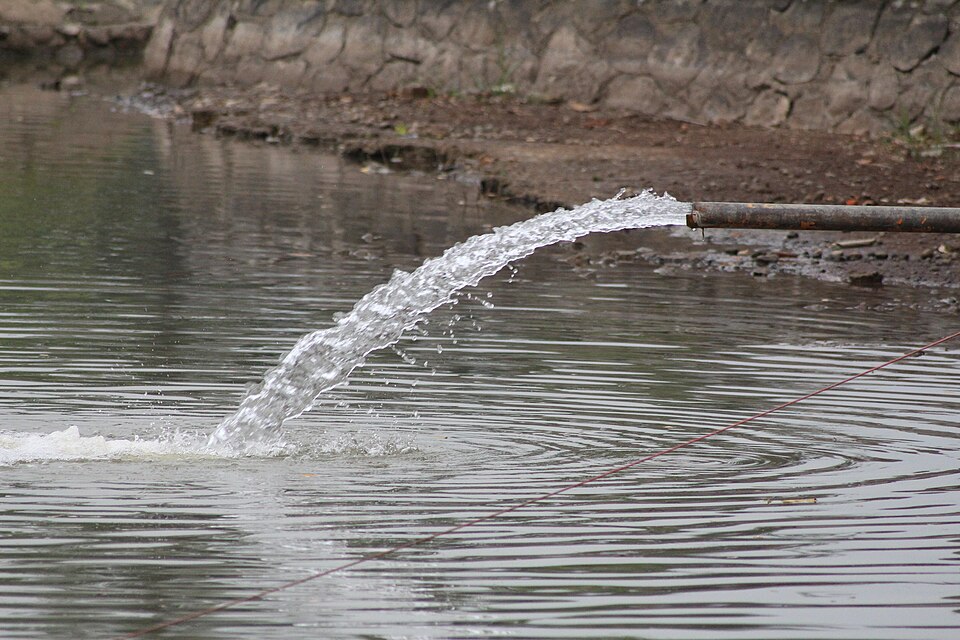
Jakarta's tropical climate means consistently warm temperatures year-round with distinct wet and dry seasons. Morning visits may offer marginally cooler conditions before midday heat accumulates. Weekend and holiday periods experience elevated domestic visitor numbers. Operator-confirmed hours are Not recorded pending review. Visitors should verify current opening schedules through official channels before planning. Rain preparedness is advisable regardless of season given the city's precipitation patterns. The expansive outdoor nature of much of the park makes weather conditions a relevant consideration for comfort during exploration.
Checked 2026-08-26
Admission requires purchased entry, with additional fees likely applicable for specific attractions, museums, or theaters within the complex. Pricing structures may differentiate between domestic and international visitors based on common Indonesian tourism practices. Operator-confirmed prices are Not recorded pending review. Visitors should consult official sources or authorized ticketing points for current rates. Budgeting for supplementary costs beyond base admission is prudent given the multiple paid components throughout the park. Payment methods and advance booking availability should be confirmed directly with management.
Checked 2026-08-26
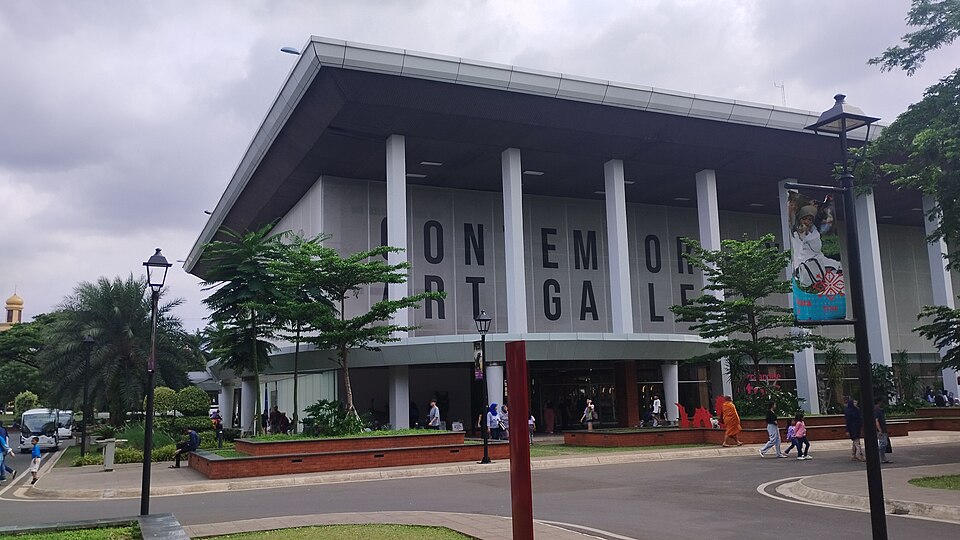
The park is located in East Jakarta, accessible by road from central Jakarta districts. Private vehicle or hired transportation represents the most direct approach given the park's substantial grounds with multiple entry points. Public transportation options include TransJakarta bus corridors with connecting segments. The distance from primary hotel concentrations necessitates planning for travel time, particularly during Jakarta's notorious peak traffic periods. Ride-hailing services operate in the area. Signage and local knowledge assist navigation to the specific entrance gates appropriate for intended destinations within the sprawling complex.
Checked 2026-08-26

The park's scale creates orientation challenges; visitors should obtain maps or utilize digital navigation. Heat and humidity demand hydration and sun protection given extensive outdoor exposure. Some pavilions may show aging infrastructure or inconsistent maintenance. Food and beverage availability varies by zone, with strategic planning advisable. Crowding concentrates at popular pavilions and during performances. Language barriers may arise outside main visitor areas. Security awareness applies as at any major tourist site. Verify operational status of specific attractions before traversing long distances within the complex to avoid disappointment from unannounced closures.
Checked 2026-08-26

The architectural variety and cultural displays provide extensive photographic subjects across the park. Traditional house structures offer distinctive backdrops. The central lake and its surrounding monuments present panoramic opportunities. Indoor museum photography may face restrictions requiring advance clarification. Morning and late afternoon light benefits exterior architectural shots. Respectful photography of cultural and religious elements is essential. Drone usage would require explicit authorization given the site's scale and proximity to sensitive installations. Crowd management in compositions proves necessary during peak visitation periods. Memory allocation and battery preparedness support extended photographic sessions across dispersed locations.
Checked 2026-08-26
The park offers open spaces and varied visual stimuli that generally engage younger visitors, though sustained interest depends on individual children. The scale may tire younger children without rest breaks.
Formal guided tour availability is Not recorded. Visitors may encounter informal guides or arrange services through Jakarta tourism providers. Self-guided exploration with maps is the standard approach.
The extensive grounds and distances between pavilions present challenges. Path conditions and specific facility accessibility vary. Direct inquiry to management regarding current accessibility provisions is advisable.
Food vendors and designated eating areas exist, though distribution across the large site is uneven. Strategic meal planning or carrying provisions may enhance the visitor experience.
The park attempts comprehensive provincial representation, though execution quality varies. Some pavilions receive more maintenance and visitor attention than others. The presentation reflects the historical period of construction.
English proficiency varies among staff. Informational signage may have English translations, though completeness is inconsistent. Basic Indonesian phrases assist navigation and basic interactions.
Loading the interactive map…
The interactive map could not be loaded.
Last updated:
Source: OpenStreetMap contributors, Wikidata ·