
2 min walk
Museum Pusaka
- Must see
- Museum
Language · 11 published
Museum · Jakarta
Reviewed by Elena Voss · SSMTour Travel Editor
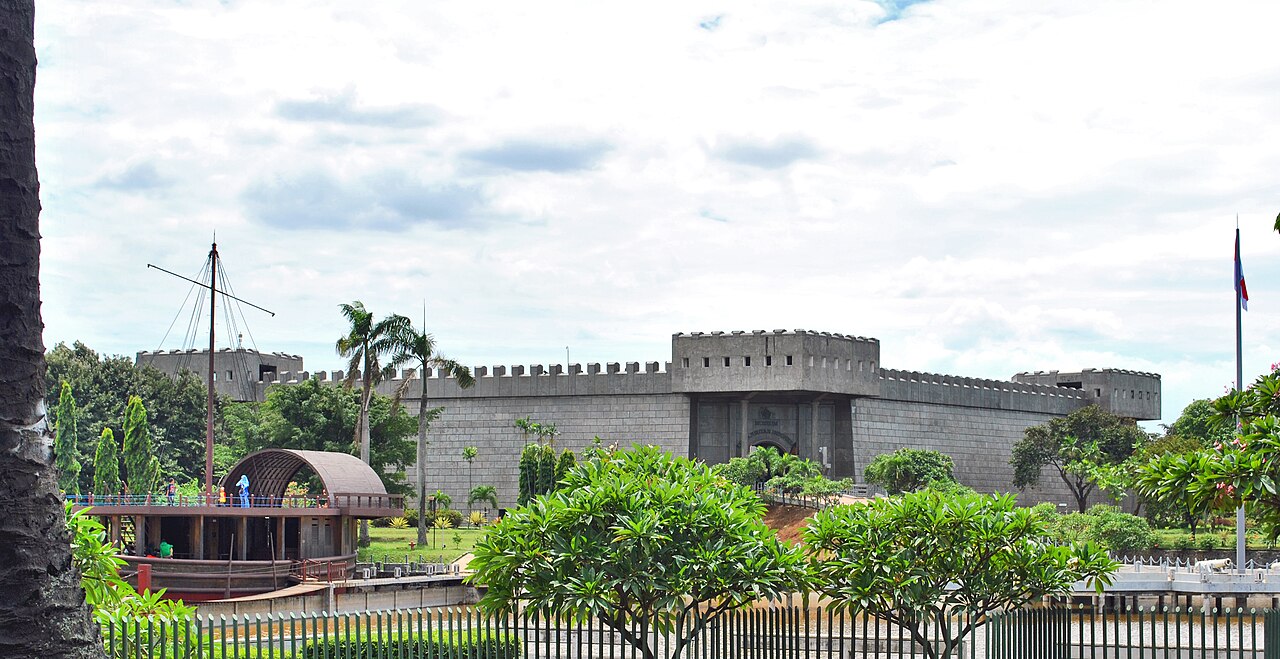
The Indonesian Soldiers Museum, locally called Museum Keprajuritan Indonesia, is a fortress-like museum within Taman Mini Indonesia Indah in Jakarta. Its subject is Indonesian military resistance before the twentieth century, presented as part of TMII’s broader work of preserving Indonesian heritage. The stronghold-inspired building reinforces the museum’s focus on defence, conflict and martial history. The Indonesian Soldiers Museum, locally named Museum Keprajuritan Indonesia, is a fortress-like museum located within Taman Mini Indonesia Indah (TMII) in Jakarta. It commemorates Indonesian military resistance before the twentieth century. The museum occupies a distinctive architectural structure resembling a stronghold, fitting its martial theme. As part of the larger TMII cultural complex, it contributes to the park's mission of preserving and presenting Indonesian heritage. The museum focuses specifically on pre-1900 military history rather than modern armed forces. Museum Keprajuritan Indonesia. Within Taman Mini Indonesia Indah (TMII) in Jakarta.
Checked 2026-08-26 · Source
Displays use dioramas, reliefs, replicas and traditional vessels to tell stories of Indonesian military resistance. Visitors see visual reconstructions of battles, sculpted historical scenes and representations of equipment connected with earlier struggles across the archipelago. The range of display formats makes the museum especially suitable for travellers who prefer historical narratives supported by three-dimensional scenes rather than text alone. The museum employs dioramas, reliefs, replicas, and traditional vessels to narrate stories of Indonesian military resistance. These interpretive displays trace indigenous struggles against colonial powers and other adversaries prior to the twentieth century. Visitors encounter visual reconstructions of historical battles, three-dimensional sculpted scenes, and scaled copies of weapons or equipment. The combination of media creates an immersive environment for understanding early Indonesian martial traditions and defensive efforts across the archipelago.
Checked 2026-08-26 · Source
Allow about sixty to ninety minutes for a focused visit. Reading every display and studying the dioramas closely can extend the stop, while a quicker walk-through takes less time. The museum’s contained route fits comfortably into a half-day or full-day visit to TMII, where travellers can combine several cultural attractions in one large Jakarta complex. A thorough visit to the Indonesian Soldiers Museum typically requires between sixty and ninety minutes, depending on individual reading pace and interest in detailed examination of dioramas and reliefs. Those with strong interest in military history or Indonesian resistance narratives may spend additional time studying individual displays. The museum's compact fortress structure suggests a contained visitor route without extensive walking distances. Combined with other TMII attractions, visitors often allocate a half-day or full day for the broader cultural complex, dedicating a focused hour to this specific museum.
Checked 2026-08-26 · Source
Morning is often the most comfortable period for moving between attractions at TMII, particularly in Jakarta’s warm and humid climate. Weekends and national holidays can make the wider cultural complex busier. During the wetter months, typically November through March, rain may complicate outdoor movement between zones, although this museum provides an indoor historical experience once reached. Visitors should consult the official TMII website or contact museum staff directly before planning their visit.
Checked 2026-08-26 · Source
The museum forms part of Taman Mini Indonesia Indah, so it belongs in a visit planned around the wider TMII cultural complex. Travellers interested in several museums and heritage displays can organise their day around the park’s collection of attractions. The Indonesian Soldiers Museum itself is a specialised stop for pre-twentieth-century military history and visual historical interpretation.
Checked 2026-08-26 · Source
The museum is in East Jakarta inside Taman Mini Indonesia Indah. Visitors can travel towards TMII by private vehicle, rideshare or TransJakarta routes serving the area. The park is extensive, and the distance from an entrance or parking area to the museum may add walking or internal travel time. Plan the museum as one stop within the larger complex rather than an isolated roadside visit.
Checked 2026-08-26 · Source
The fortress-like structure may include stairs, narrow passages and uneven flooring, so the building can be demanding for visitors who need level access. Dioramas and reliefs depict military conflict and may include scenes of violence. Supervise children around displays and follow museum directions. Moving between TMII attractions also involves outdoor walking in Jakarta’s heat and humidity.
Checked 2026-08-26 · Source
The museum’s dioramas, reliefs, replicas and fortress-like architecture offer varied subjects for photography. Dim display areas can make handheld images difficult, so work carefully without disturbing other visitors. Follow signs and staff directions concerning cameras, flash and video. Focus on the scenes and architectural details while keeping equipment clear of displays and maintaining a respectful museum atmosphere.
Checked 2026-08-26 · Source
Its local name is Museum Keprajuritan Indonesia.
It is within Taman Mini Indonesia Indah, commonly called TMII, in East Jakarta.
The museum focuses on Indonesian military resistance before the twentieth century.
The museum uses dioramas, reliefs, replicas and traditional vessels to present stories of Indonesian military resistance.
A focused visit generally takes about sixty to ninety minutes, depending on reading pace and interest in the historical displays.
The museum’s TMII page is https://tamanmini.com/taman_jelajah_indonesia/museum/museum-keprajuritan-indonesia/.
Loading the interactive map…
The interactive map could not be loaded.

Last updated:
Source: OpenStreetMap contributors ·