


180 min walk
Chronicle of Georgia
- Must see
- Historic monument
Language · 11 published
Nature site · Tbilisi
თბილისის ეროვნული პარკი
Read from the OpenStreetMap access tags; anything not listed has no tag recorded.
Set the group type to family in the planner and the day window contracts to about three quarters of a solo day.
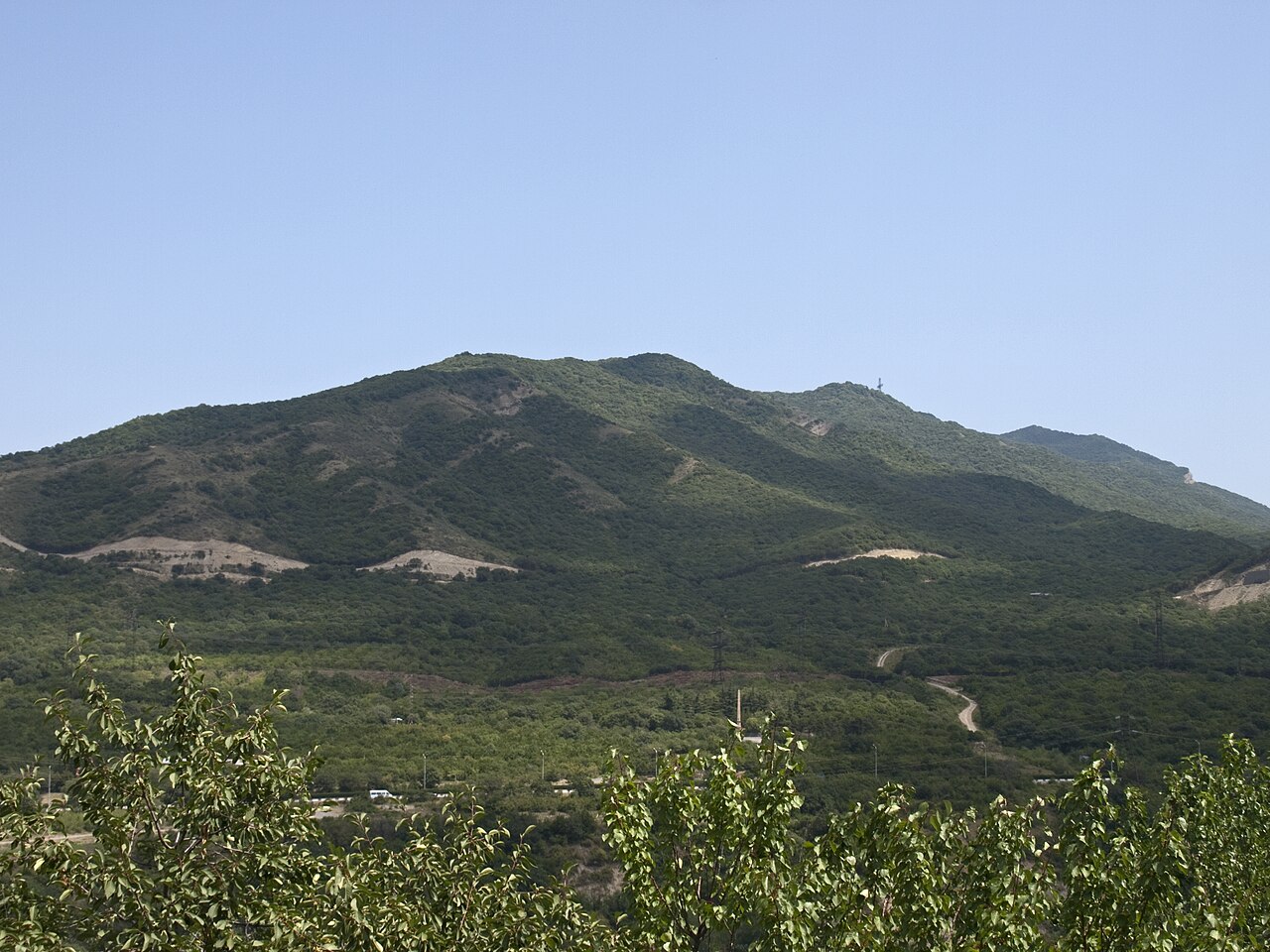
Tbilisi National Park is Georgia’s first national park, on forested mountain ridges immediately north of Tbilisi. It is the capital’s nearest large protected natural area and makes a strong contrast with the city’s dense streets, courtyards, and traffic. The park suits travelers who want a substantial landscape experience without committing to a long journey across Georgia. Its wooded slopes, changing elevation, and broad natural setting are especially attractive for hiking, cycling, quiet scenery, and views toward the capital. Treat it as an outdoor destination rather than a compact attraction with one central entrance or a single must-see object.
Checked 2026-08-26 · Source
The park is defined by protected forested ridges and mountain terrain rather than galleries, monuments, or enclosed visitor rooms. Vegetation changes with elevation, creating different textures between wooded slopes, open viewpoints, and more sheltered valleys. The landscape is suitable for walking and cycling, with the experience shaped by the route you choose and the amount of climbing involved. Because the park covers a large area, the atmosphere can shift from an easy urban escape to a remote-feeling mountain outing. Bring the essentials for an outdoor day, including food, water, suitable clothing, and a way to navigate your selected route.
Checked 2026-08-26 · Source
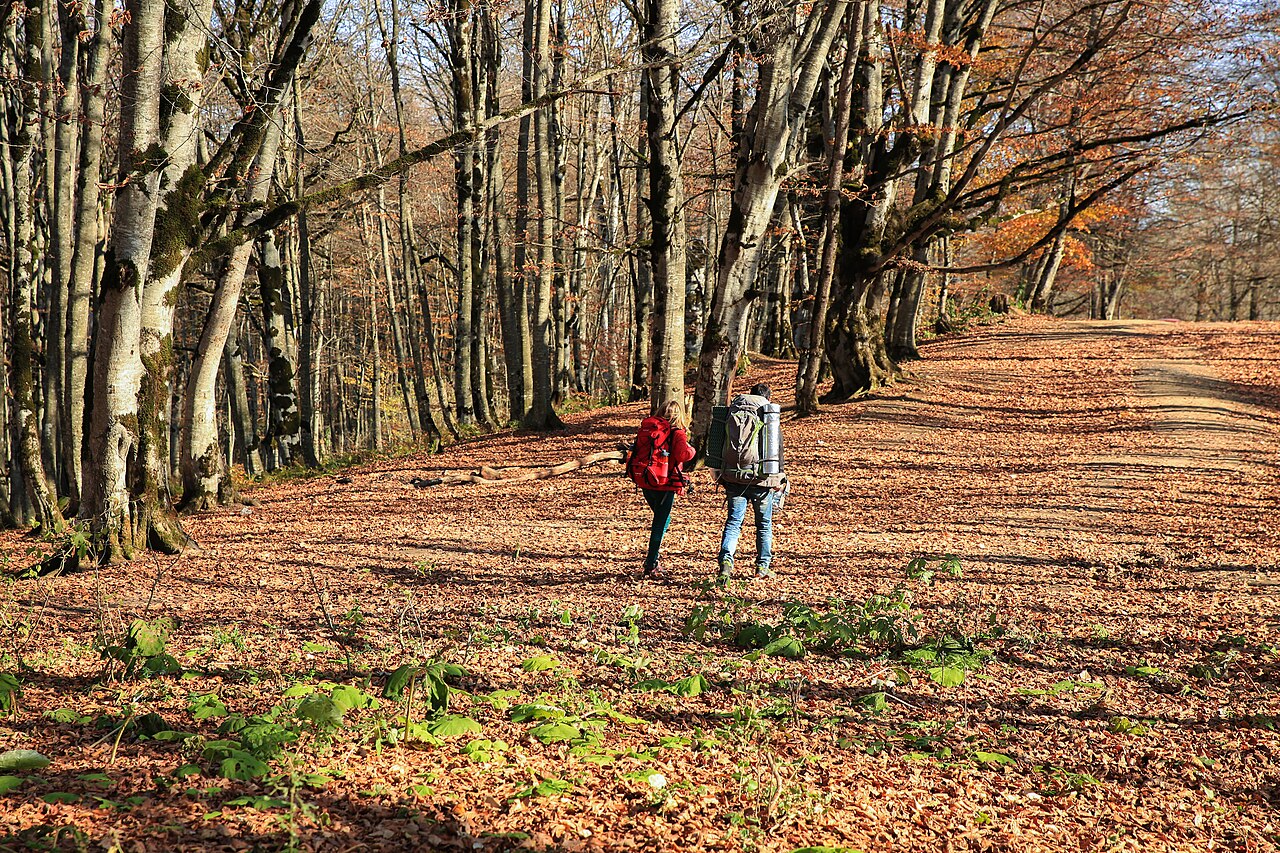
Plan the park around your chosen activity, not around a fixed museum-style visit. A short outing can focus on a forest walk and a few viewpoints, while a cycling or ridge excursion can occupy much of a day. The park’s northern position makes a day trip from Tbilisi practical, but travel to a particular trailhead and the time spent climbing can substantially change the schedule. Allow enough daylight for the return journey, especially if you are exploring beyond the easiest access areas. Travelers who want a deeper landscape experience may prefer to give the park most of one day rather than fitting it between several city sights.
Checked 2026-08-26 · Source
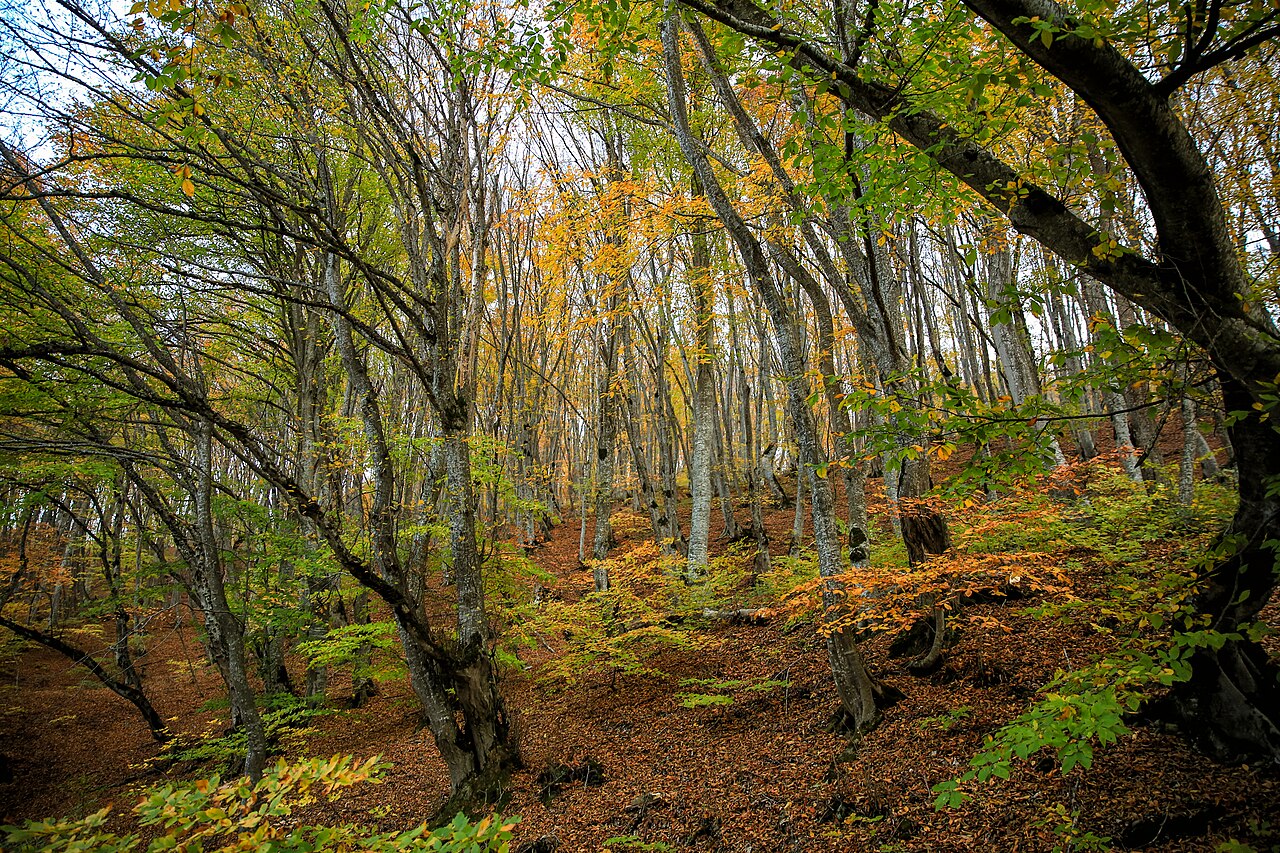
Spring and autumn are particularly comfortable seasons for walking and cycling because temperatures are generally milder than in midsummer. Summer can be pleasant at higher elevations, although mountain weather may change quickly and afternoon storms can affect exposed routes. Winter brings the possibility of snow, ice, and more difficult road or trail conditions, especially away from lower approaches. Start early when planning a longer outing so you have daylight for navigation and the return journey. Wear layers in every season, since forest shade, exposed ridges, and changing elevation can feel noticeably different during the same excursion.
Checked 2026-08-26 · Source
The park is a protected natural area rather than a conventional ticketed city attraction. A simple walk or ride through the landscape should be planned as an outdoor excursion, with costs shaped mainly by how you reach the northern ridges and what equipment or services you use. Do not build the visit around indoor facilities or a ticket counter. If your route involves a special activity, organized transport, or a commercial service, treat that arrangement separately from the park landscape itself. Carry the supplies you need for the time you intend to spend outdoors, since the park is much larger than a single urban viewpoint.
Checked 2026-08-26 · Source
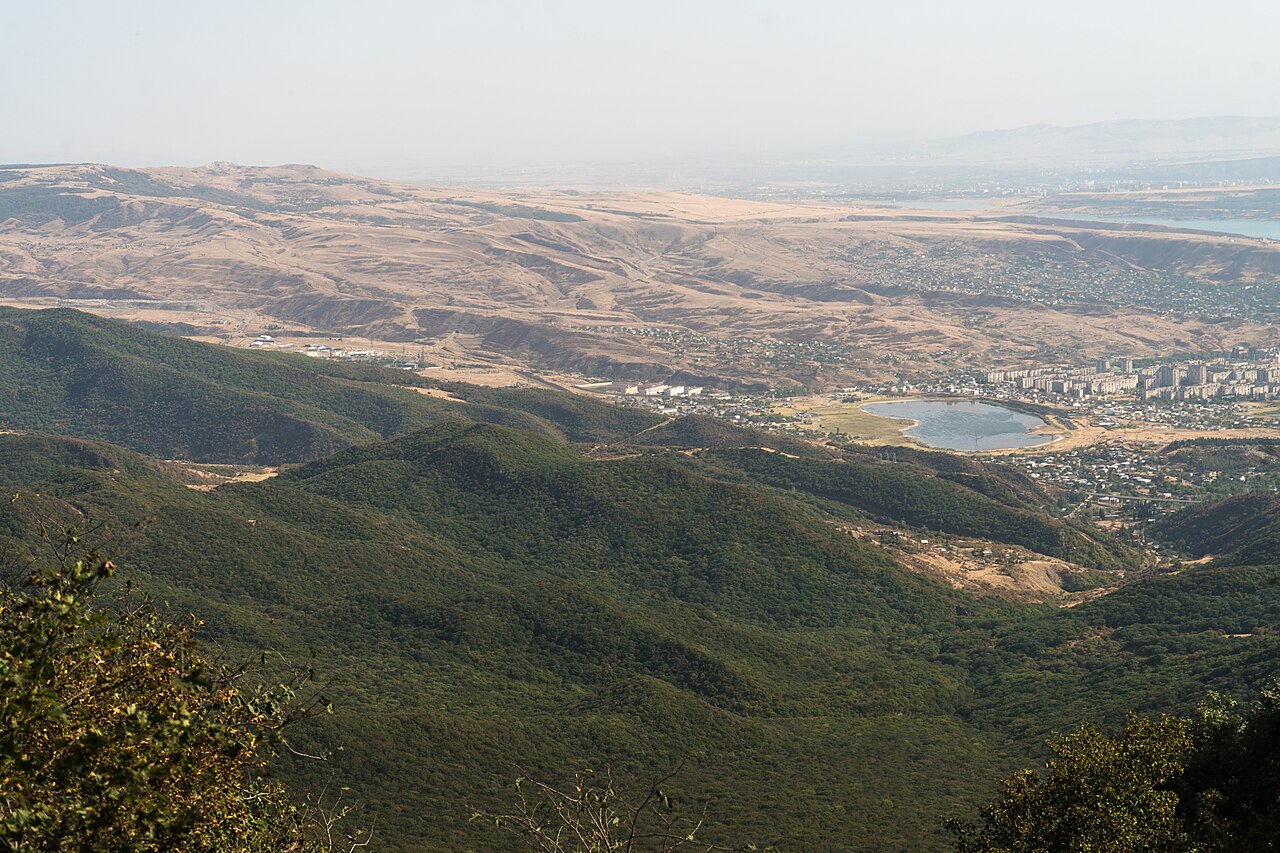
The park lies immediately north of Tbilisi, so it can be combined with a capital-city stay. The exact approach depends on the part of the park and the route selected. A private vehicle, taxi, or organized transfer is useful when reaching a distant starting point, while cycling from the city can turn the journey into part of the outing. Expect the final approach to feel more rural and mountainous than central Tbilisi. Pinpoint your intended starting area before leaving, allow extra time for the road, and avoid assuming that one access point serves the entire protected landscape.
Checked 2026-08-26 · Source
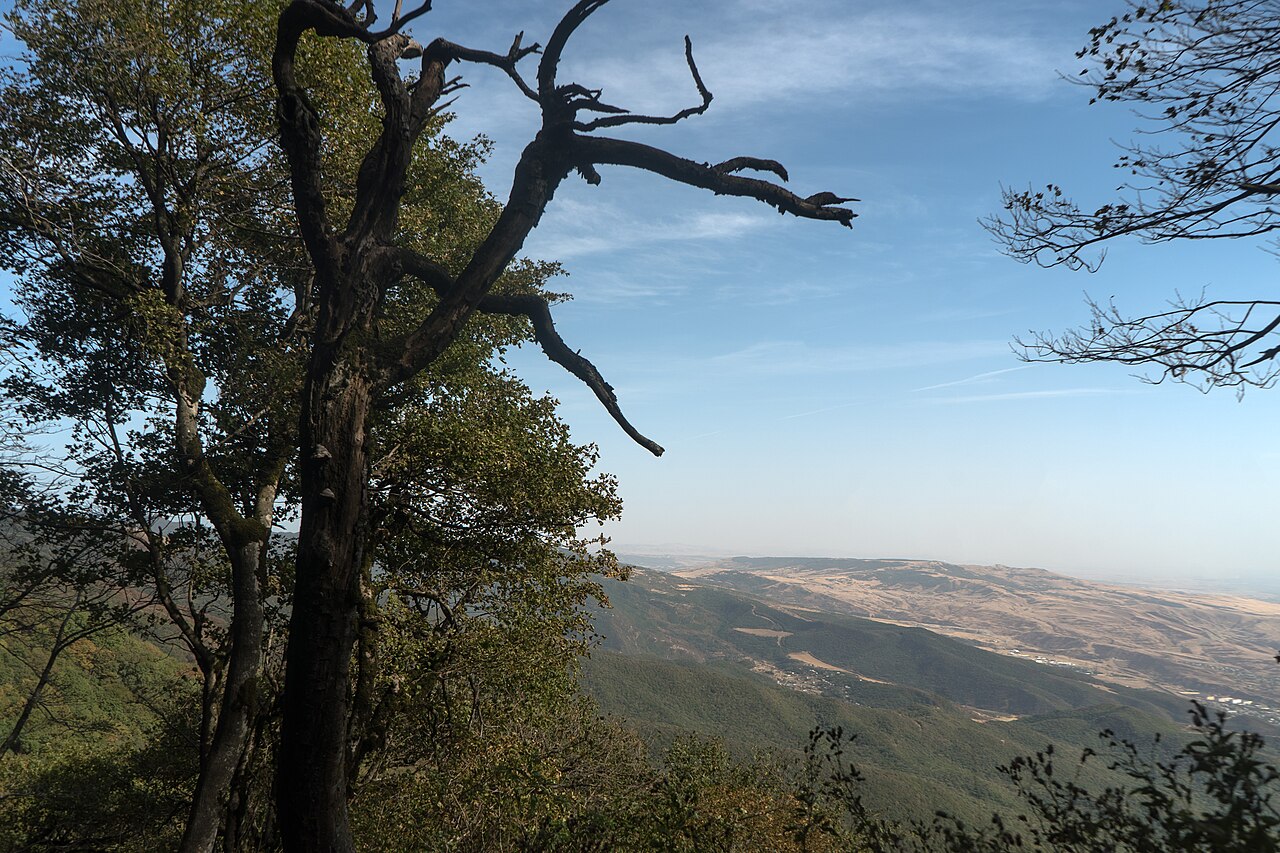
This is mountain countryside, so sturdy footwear, water, food, and weather protection are sensible even for a short walk. Forested valleys and ridges can make navigation harder than the distance suggests. Keep a charged phone and a backup navigation method, and tell someone your intended route when going beyond the easiest areas. Stay on a realistic itinerary for your fitness and daylight. Do not drink untreated stream water. Give wildlife plenty of space, keep noise low, and take rubbish back with you. A solo visit is safest when the route is conservative and the planned return time is clear.
Checked 2026-08-26 · Source
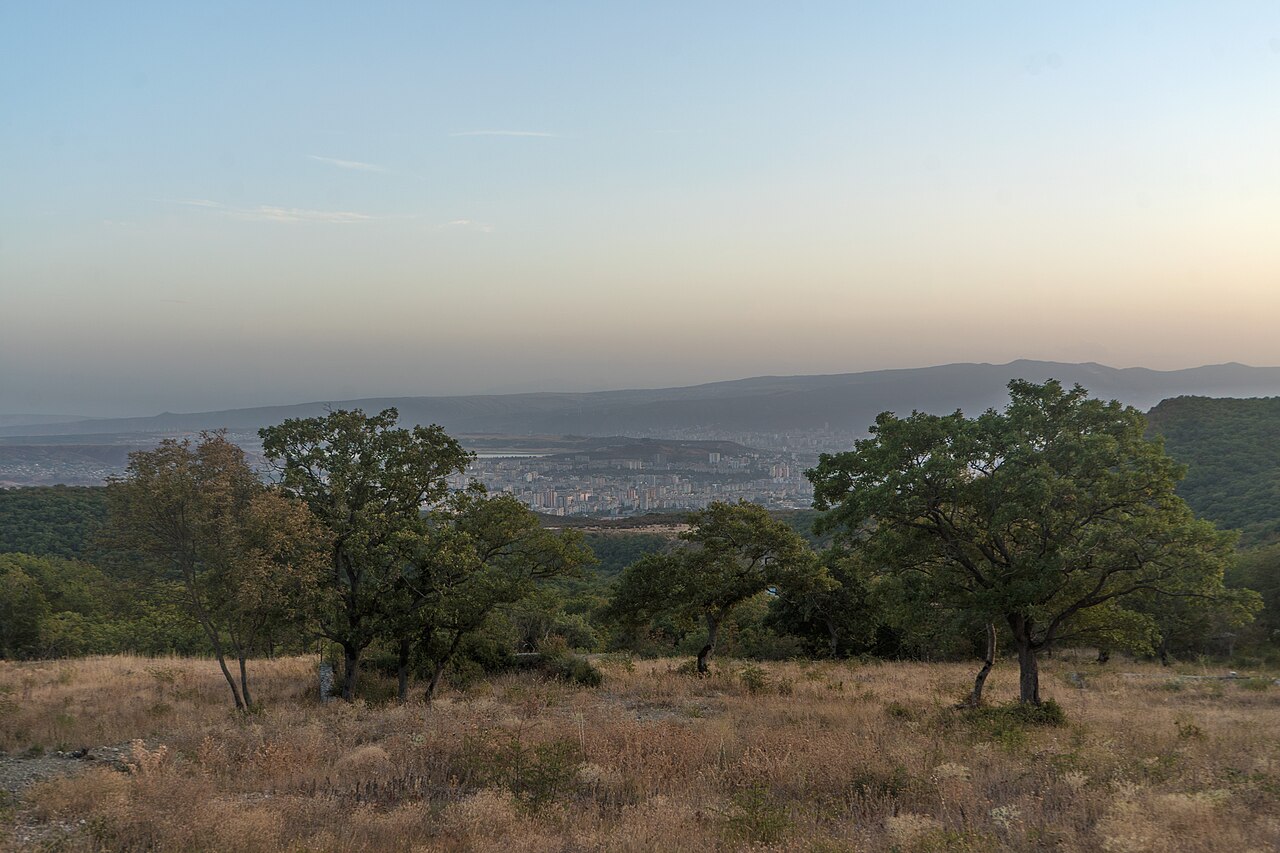
Tbilisi National Park offers a wide range of landscape subjects: layered wooded ridges, changing vegetation, open mountain horizons, and occasional views back toward the capital. Morning and late-afternoon light can reveal the relief of the slopes more clearly than the flat light of midday. In the forest, look for patterns of trunks, paths, shade, and filtered light; on higher ground, use the city and surrounding hills to establish scale. Protect cameras from sudden rain and dust, and keep equipment light if the route includes sustained climbing. Photograph wildlife from a respectful distance and leave the natural setting undisturbed.
Checked 2026-08-26 · Source
It offers a large-scale mountain and forest escape immediately north of Tbilisi, suited to hiking, cycling, landscape photography, and quiet time outdoors.
Cycling is one of the park’s characteristic outdoor uses. Choose a route that matches your fitness, equipment, daylight, and comfort with elevation changes.
Allow at least part of a day for a meaningful outing. Longer hikes, ridge traverses, and cycling excursions can occupy most of a day from Tbilisi.
Bring sturdy footwear, water, food, layers, weather protection, navigation support, and a charged phone. These basics matter because the park is a broad mountain landscape.
It is Georgia’s first national park and the closest large protected natural area to the capital, making a substantial forest and mountain outing possible from Tbilisi.
Spring and autumn are comfortable for walking and cycling. Summer can work at elevation, while winter may bring snow, ice, and harder access.
Loading the interactive map…
The interactive map could not be loaded.

Last updated:
Source: OpenStreetMap contributors, Wikidata ·