
5 min walk
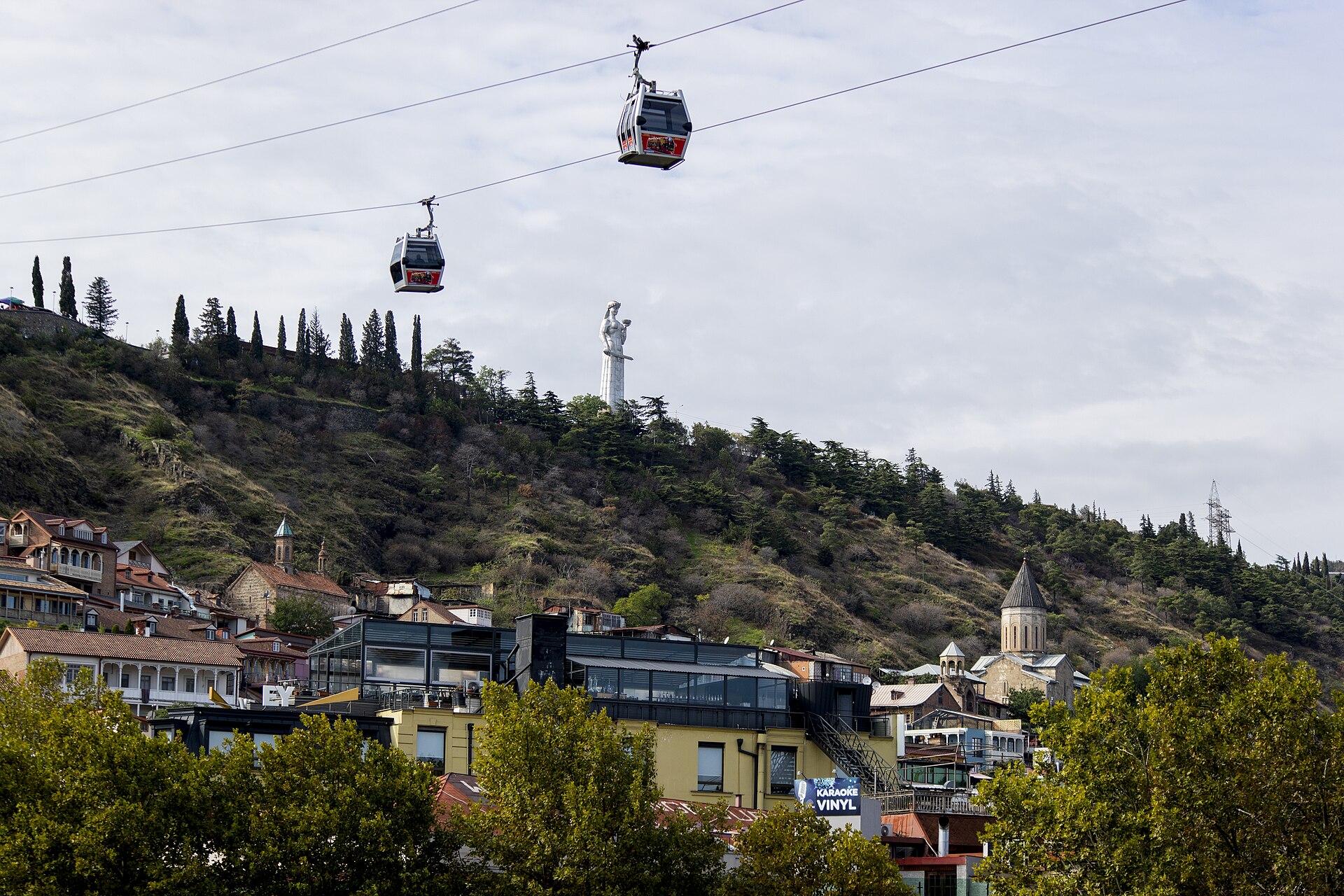
ქართლის დედა
- Must see
- Art and culture venue
Language · 11 published
Historic monument · Tbilisi
ეროვნული ბოტანიკური ბაღი
Reviewed by Elena Voss · SSMTour Travel Editor

| Monday | 09:00 – 17:30 |
|---|---|
| Tuesday | 09:00 – 17:30 |
| Wednesday | 09:00 – 17:30 |
| Thursday | 09:00 – 17:30 |
| Friday | 09:00 – 17:30 |
| Saturday | 09:00 – 17:30 |
| Sunday | 09:00 – 17:30 |
Checked 2026-08-31 · Source
Read from the OpenStreetMap access tags; anything not listed has no tag recorded.
Set the group type to family in the planner and the day window contracts to about three quarters of a solo day.
This place is a Attraction. It was established in 1845. It carries the Cultural heritage in Georgia heritage designation.
National Botanical Garden of Georgia occupies a deep gorge behind Narikala Fortress in central Tbilisi. The garden follows the Tsavkisistskali River valley, combining steep terrain, historic paths, cultivated botanical collections, and more naturalistic vegetation. Its origins reach back to the seventeenth century, while the present site developed during the nineteenth century. It remains both a public garden and a scientific institution, giving this Tbilisi stop a character that is greener and quieter than the surrounding historic streets. The National Botanical Garden of Georgia occupies a deep gorge behind Narikala Fortress in central Tbilisi. Established on its present site in the mid-19th century, though with origins tracing to the 17th century, it functions as a scientific research institution and public garden. The garden stretches across the Tsavkisistskali River valley, incorporating steep terrain, historical paths, and diverse vegetation zones. Its location within the urban fabric makes it a significant green space for the capital. The steep gorge terrain with historic paths and significant elevation changes presents substantial challenges. Cautious visitor judgement suggests verifying specific route accessibility directly with operators before visiting, as general accessibility cannot be assumed given the topography described.
Checked 2026-08-26 · Source
Paths and bridges cross the gorge between thematic plant areas and geographic collections. A waterfall is one of the garden's clearest landscape features, while historic structures and infrastructure remain part of the setting. Narikala Fortress rises above the garden, creating a strong contrast between stone walls, wooded slopes, and planted areas. The visit is as much about moving through the valley as viewing individual specimens, so allow time for changing scenery, inclines, and viewpoints. The garden contains major plant collections arranged across thematic sections and geographic zones. Visitors encounter paths and bridges traversing the gorge, with a waterfall as a notable landscape feature. The terrain includes both cultivated botanical collections and more naturalistic valley vegetation. Historic structures and infrastructure from various periods of development remain integrated into the landscape.
Checked 2026-08-26 · Source
A thorough walk through the garden takes several hours because the valley is extensive and the paths rise and fall. A shorter visit can focus on the sections near an entrance, the bridges, the waterfall, and views beneath Narikala Fortress. Botanists and photographers may linger among the collections, while casual walkers can keep moving through the gorge. Build in pauses for the terrain; the garden rewards an unhurried pace more than a quick checklist stop.
Checked 2026-08-26 · Source
Spring is especially attractive for flowering displays, and autumn brings changing foliage across the valley. Summer offers shade from the canopy in several sections, although the exposed approaches can feel hot. Winter changes the appearance of the garden and can make higher paths less comfortable. Choose a clear, mild day if you want to combine walking with photography. Weather has a direct effect on the steep paths, bridges, and surfaces around the waterfall.
Checked 2026-08-26 · Source
The garden is a paid attraction, with admission supporting the upkeep of its collections and landscape. Entry charges can vary by visitor category, and separate charges may apply to special exhibitions, guided services, or events. Plan this as a ticketed stop rather than a freely accessible city park. Carry a payment method suitable for an attraction visit, and treat the garden entrance as the point where admission arrangements are handled.
Checked 2026-08-26 · Source
The garden lies immediately behind Narikala Fortress in Tbilisi's historic core. Old Town walking routes reach the garden from several directions, but the gorge setting means that approaches involve elevation change. Entrances sit at different levels, so the route you choose affects the effort required before the garden walk begins. The surrounding central districts are served by public transport, while taxis and ride services can bring visitors closer to the historic-core approaches.
Checked 2026-08-26 · Source
Expect steep gradients, uneven historic paths, and slippery surfaces near water features after wet weather. Wear shoes with secure grip and bring drinking water for the climb through the gorge. Children need close supervision near bridges, the waterfall, and exposed drops. The valley can feel different from the city streets above, and emergency access is constrained by the terrain. Keep your route flexible and take breaks before descents become tiring.
Checked 2026-08-26 · Source
The waterfall, bridges, plant collections, and Narikala Fortress provide varied subjects within one walk. Elevated sections create landscape views, while shaded paths suit close images of leaves, flowers, and tree trunks. Morning and late afternoon light can work well in the gorge, though the valley falls into shadow earlier than open parts of Tbilisi. Protect equipment from damp conditions, and choose stable positions carefully on the inclined paths.
Checked 2026-08-26 · Source
It is in a deep gorge behind Narikala Fortress in central Tbilisi, following the Tsavkisistskali River valley.
A waterfall is a notable feature, reached along paths and bridges within the gorge.
Yes. The garden is directly behind Narikala Fortress, so the two places form a natural historic-and-landscape combination.
No. The garden occupies a steep gorge with climbing, descending, and uneven historic paths.
Bring secure walking shoes, drinking water, and clothing suited to changing weather in the shaded valley.
Spring highlights flowering displays, autumn brings foliage colour, and summer provides canopy shade through parts of the valley.
Loading the interactive map…
The interactive map could not be loaded.


Last updated:
Source: OpenStreetMap contributors, Wikidata ·