
01
45 min
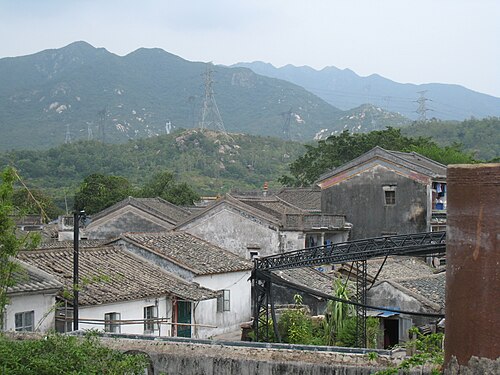
Dapeng Fortress
Dapeng Fortress, known locally as 大鹏所城, is a historic military fortification in Shenzhen's Dapeng New District.
- Must see
- Historic monument
Language · 11 published
City guide · China
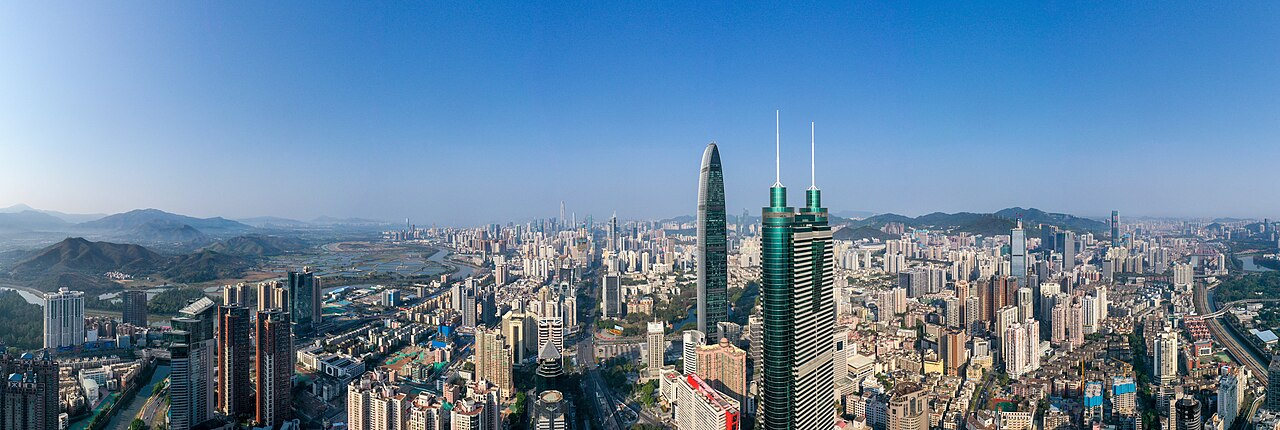
Shenzhen is a polycentric city stretching along the coast and the Hong Kong border. Futian forms the civic and business centre, Luohu combines an older commercial core with a major border crossing, and Nanshan holds many museums, theme parks and technology districts. Eastern beaches and mountain areas sit far beyond the central urban sequence.
Ranked by importance — sitelinks, pageviews and heritage status, not editor preference.
25 places match
Category
Typical visit duration
Dapeng Fortress, known locally as 大鹏所城, is a historic military fortification in Shenzhen's Dapeng New District.
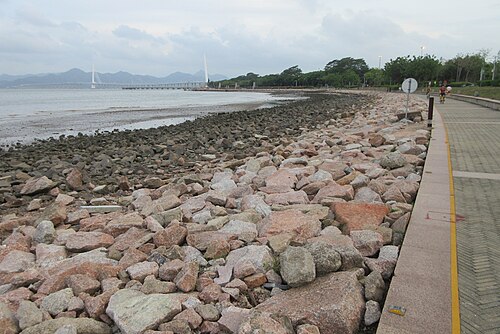
Shenzhen Bay Park is a coastal linear park stretching along Shenzhen Bay in southern Shenzhen, Guangdong Province, China. The park forms part of the city's waterfront green corridor, facing Hong Kong across the bay.

Huaqiangbei is a major commercial district in Shenzhen, Guangdong Province, China. Known widely as one of the world's largest electronics markets, it occupies a significant area in the Futian District.
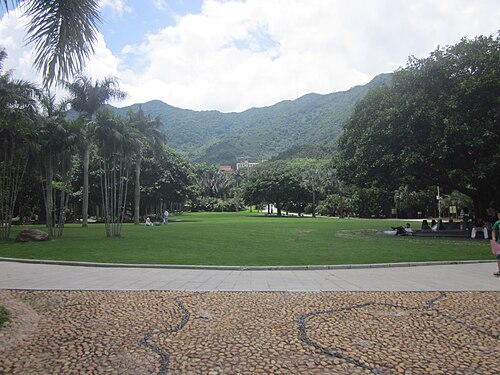
Fairy Lake Botanical Garden, known locally as 仙湖植物园, is a botanical garden in Shenzhen. It occupies a scenic area with hills and a lake, serving as both a research institution and public garden.
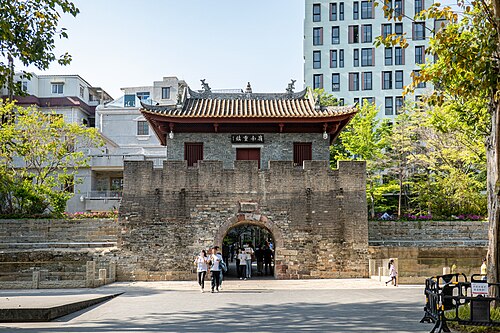
Nantou Ancient City, known locally as 南头古城, is a historic fortified settlement in Shenzhen. The site represents one of the area's oldest urban foundations, with origins tracing to administrative and military functions in the region's past.
Futian Mangrove Ecological Park is a protected wetland area in Shenzhen's Futian District, preserving coastal mangrove ecosystems along the Pearl River estuary. The local name is 福田红树林生态公园.

Dafen Oil Painting Village is a renowned art production and trading hub in Shenzhen, China. Originally a small village, it transformed into a global center for oil painting reproduction and original art creation.

KK100, known locally as 京基100, is a supertall skyscraper in Shenzhen, Guangdong Province, China. It stands as one of the city's most prominent landmarks and was among the tallest buildings globally upon completion.

Shun Hing Square, known locally as 信兴广场, stands as a prominent commercial and architectural landmark in Shenzhen. The complex features one of the city's most recognizable skyscrapers, contributing to the distinctive skyline of this rapidly developed metropolis.
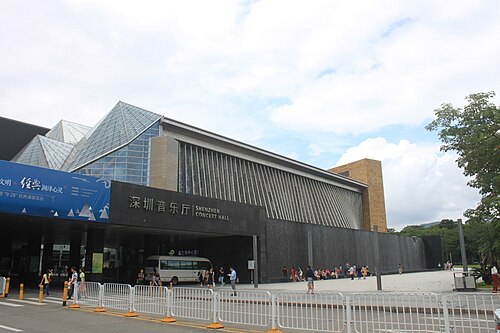
Shenzhen Concert Hall is a major performing arts venue in Shenzhen, China. Its local name is 深圳音乐厅. The building serves as a cultural landmark within the city, contributing to Shenzhen's growing reputation as a destination for arts and entertainment.
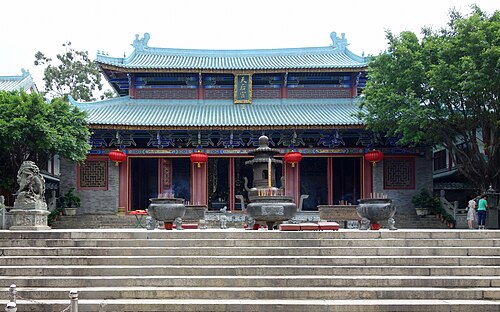
Chiwan Tianhou Temple, known locally as 赤湾天后宫, is a historic temple in Shenzhen dedicated to Tianhou, the Chinese sea goddess Mazu. The temple holds significance as a cultural and religious site along the southern Chinese coast.

Chiwan Left Fort, known locally as 赤湾左炮台, is a historic military fortification located in Shenzhen's Nanshan District near Chiwan Port. The site represents remnants of coastal defense installations that once guarded the Pearl River estuary.
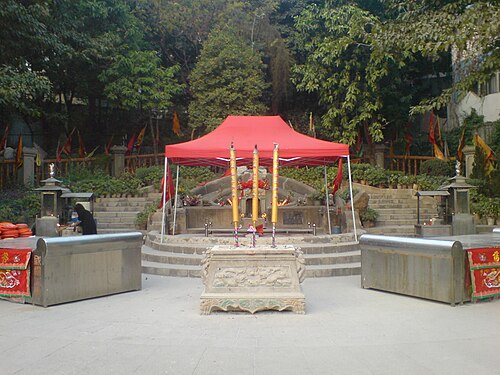
The Tomb of the Young Song Emperor, known locally as 宋少帝陵, stands as a memorial site in Shenzhen connected to the final chapter of the Southern Song dynasty.
Judiaosha Beach, known locally as 桔钓沙, is a coastal area in Shenzhen situated on the Dapeng Peninsula in the eastern part of the city. The beach forms part of Shenzhen's extensive shoreline along the South China Sea.

Qiniang Mountain, known locally as 七娘山, is a natural landmark in Shenzhen. The mountain forms part of the city's broader landscape and offers visitors a destination for outdoor recreation.
Baguang Heritiera Wetland Park is a coastal wetland reserve in eastern Shenzhen, located in the Dapeng New District. The park protects a significant mangrove ecosystem centered on Heritiera littoralis, known locally as silver-leaf trees.
Phoenix Mountain Forest Park is a natural recreational area in Shenzhen, known locally as 凤凰山森林公园.

Honghu Park is a public urban park in Shenzhen, known locally as 洪湖公园. The park centers on Honghu Lake and serves as a recreational green space within the dense metropolitan environment.
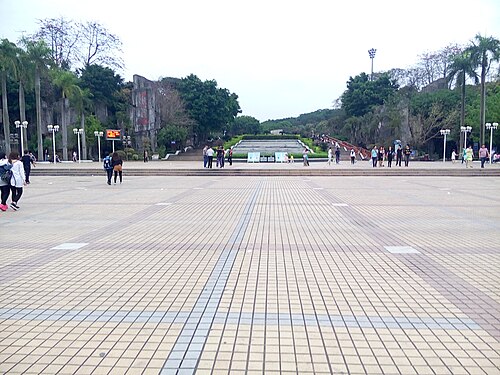
Zhongshan Park is a public urban park located in Shenzhen, China. Its local name is 中山公园. The park occupies a notable green space within the dense metropolitan environment of Shenzhen, one of China's major special economic zones.
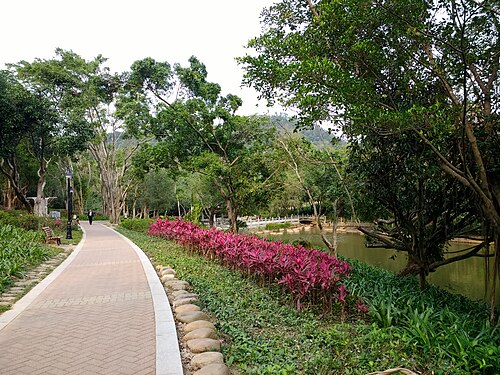
Bijia Mountain Park, known locally as 笔架山公园, is a municipal park situated in Shenzhen. The park takes its name from its distinctive mountain formation resembling a traditional Chinese writing brush rest.

Shenzhen International Garden and Flower Expo Park is a landscaped exhibition ground in Shenzhen, established following a major horticultural exposition. The site preserves garden displays and architectural features from that event, serving now as a public leisure destination.
Shenzhen Talent Park is a waterfront public park in Shenzhen, China. Its local name is 深圳人才公园. The park is situated in the Nanshan District near Shenzhen Bay, forming part of the city's coastal park network.
Qianhai Stone Park is a public park located in Shenzhen's Qianhai area, a zone designated for economic cooperation and development. The park takes its name from a prominent stone monument that serves as a symbolic landmark within the space.

He Xiangning Art Museum is a public art museum in Shenzhen dedicated to the work and legacy of He Xiangning, a prominent revolutionary and artist in modern Chinese history.

Gankeng Hakka Town is a cultural heritage destination in Shenzhen, Guangdong Province, China. The site preserves Hakka architectural traditions and folk culture within an urbanizing region.
Source: OpenStreetMap contributors, Wikidata ·
Treat Futian, Luohu and Nanshan as separate day clusters linked by metro. Civic Centre, Lianhuashan and the central skyline fit together in Futian; Dongmen and the border area define Luohu; OCT, Shekou and the bayfront spread across Nanshan. Dapeng Peninsula and eastern coastal sites require a dedicated outward journey.
Checked 2026-08-26
Shenzhen Government Online describes a broad rail-transit network and four high-speed railway stations, including a direct rail connection to Hong Kong. Use rail for movement between the city's widely separated districts and walk within one selected cluster at a time. The official guide does not provide a single universal route for every attraction, so consult current station and service information separately before a cross-city journey or onward travel to Hong Kong.
Checked 2026-08-26
A fixed stay length is not recorded. Build the visit around Futian, Luohu and Nanshan, then add Dapeng and the eastern coast only when the available time supports a separate journey.
Group places by district instead of crossing the city repeatedly. Start with Futian, Luohu and Nanshan; treat Dapeng and the eastern coast as separate routes with their own travel allowance.
Walk within one district cluster and use the metro or rail network for longer journeys. Consult current official station and service information before relying on a particular connection.
Only within individual neighbourhood clusters. The main visitor areas are separated by distances, waterways, major roads or regional approaches, so longer links normally need public transport or a licensed vehicle.
Plan Dapeng and the eastern coast separately from Futian, Luohu and Nanshan. Check the current route, return connection and any access requirements on the official source before departure.
Set your days, your pace and the hours you actually want to be out. The planner works around closing days and travel time, and leaves room to eat.