


8 min walk
Tomb of Emperor Shao of Song
- Must see
- Historic monument
Language · 1 published
Place of worship · Shenzhen
赤湾天后宫
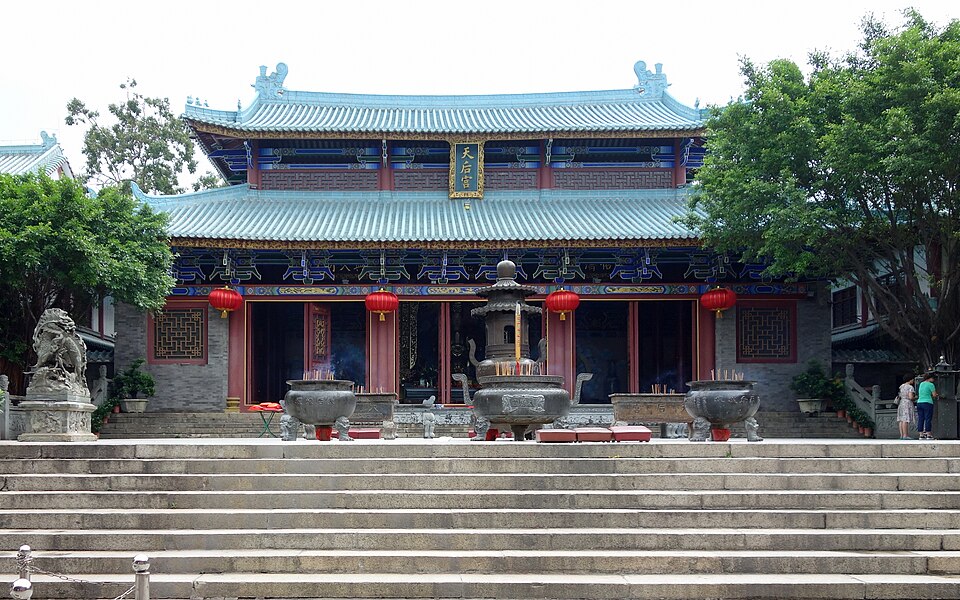
Chiwan Tianhou Temple, known locally as 赤湾天后宫, is a historic temple in Shenzhen dedicated to Tianhou, the Chinese sea goddess Mazu. The temple holds significance as a cultural and religious site along the southern Chinese coast. It represents traditional Lingnan architectural styles and serves as a place of worship for fishermen and maritime communities. The temple's location at Chiwan reflects Shenzhen's coastal heritage before the city's rapid modern development transformed the region into a major metropolitan area. Chiwan Tianhou Temple also earns time in a shenzhen itinerary because A ranked shenzhen visitor place retained in the breadth-first top 100; production has no exact city POI pool match. Its value becomes clearer when the stop is compared with the surrounding streets and the other ranked places nearby.
Checked 2026-08-26
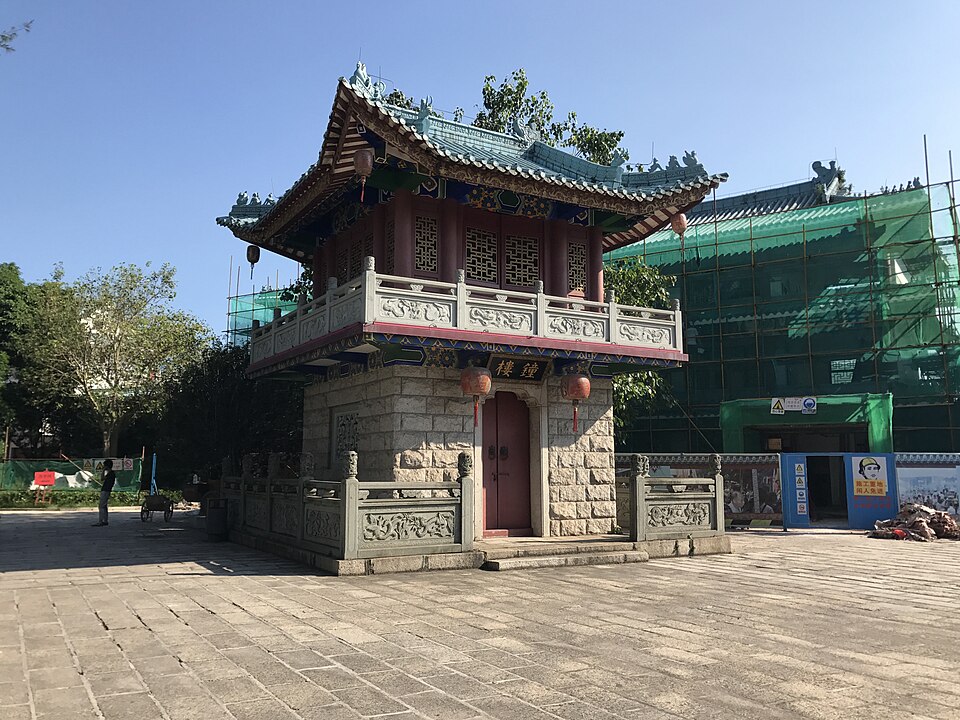
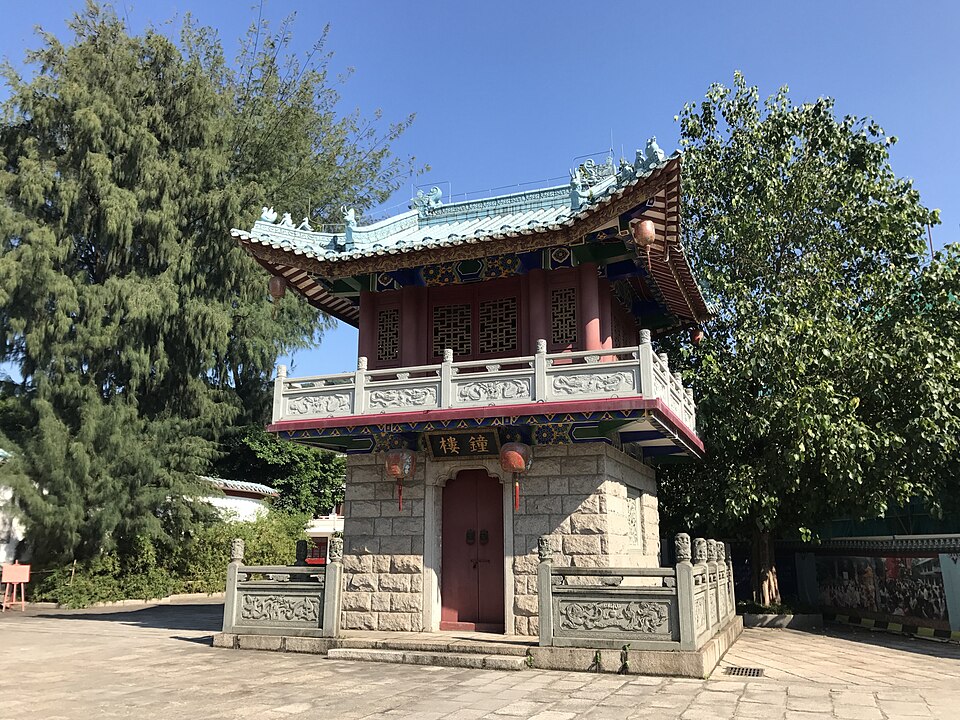
The temple complex contains traditional halls, courtyards, and religious statuary dedicated to Mazu worship. Architectural elements typically found in southern Chinese temples are present, including incense burners and decorative carvings. The main worship hall houses the principal deity statue. Auxiliary structures support temple functions and visitor circulation. Gardens and open spaces provide contemplative areas within the compound. Specific interior details, artifact inventories, and exact spatial configurations are Not recorded pending review. Visitors should expect a functioning religious site rather than a museum presentation.
Checked 2026-08-26
Visitors typically allocate between one and two hours for exploring the temple grounds at a measured pace. This duration allows for circuiting the main halls, observing architectural details, and brief participation in devotional activities if desired. Photography and quiet contemplation extend visits slightly. The compact nature of traditional temple compounds means extensive walking is not required. Those with deep interest in religious art, architecture, or Mazu culture may wish to stay longer. Combine with nearby coastal attractions for a half-day itinerary in the Chiwan area.
Checked 2026-08-26
Operator-confirmed hours are Not recorded pending review. Visitors should verify current opening times before travelling. Traditional Chinese temples typically open during daylight hours, with possible closure during private religious ceremonies. Major festivals, particularly Mazu birthday celebrations on the 23rd day of the third lunar month, draw larger crowds and may alter regular access. Early morning visits offer quieter atmosphere and potential observation of worshippers. Weekends and public holidays see increased visitor numbers. Weather considerations include Shenzhen's subtropical climate with hot humid summers and mild winters.
Checked 2026-08-26
Operator-confirmed prices are Not recorded pending review. Many Chinese temples operate with free admission or nominal voluntary donations, though some heritage-managed sites charge modest entry fees. Visitors should carry small denomination cash for donation boxes, incense purchases, or any applicable entrance fees. No advance booking requirements are documented. Budget-conscious travellers should note that ancillary costs may include transportation to the Chiwan area, which lies outside Shenzhen's dense central core. Verify current financial arrangements through official channels before visiting.
Checked 2026-08-26
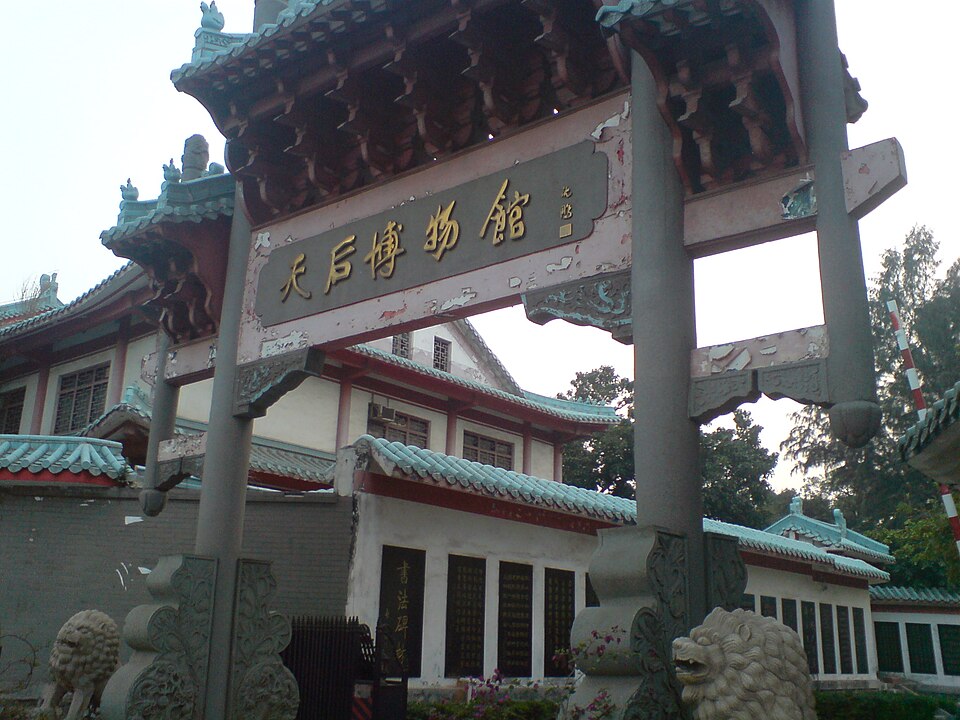
Chiwan Tianhou Temple occupies a coastal position in Shenzhen's Nanshan District, west of the central urban area. Public transportation options include Shenzhen Metro connections followed by bus or taxi for final approach. The Chiwan area is served by road networks accessible by private vehicle or ride-hailing services. Signage in Chinese assists navigation. The temple's specific location relative to Chiwan Port and surrounding development requires careful journey planning. Visitors should consult current transit applications for route optimisation, as Shenzhen's transportation infrastructure undergoes continuous expansion and modification.
Checked 2026-08-26
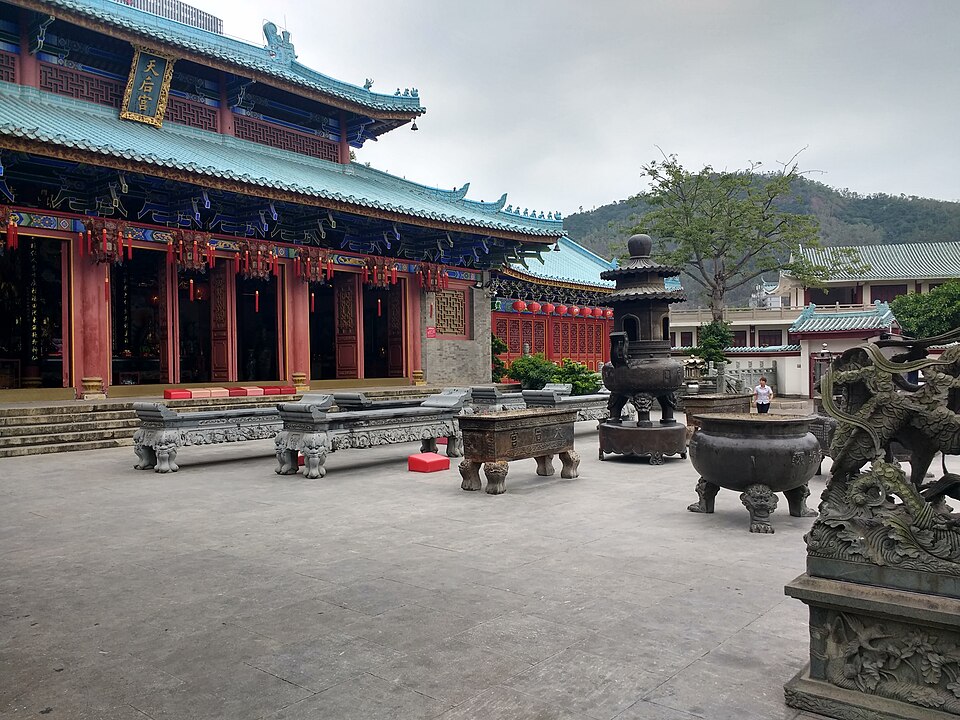
Active religious sites demand respectful behaviour regardless of personal beliefs. Photography restrictions may apply in certain halls; observe posted notices and worshipper sensitivities. Incense smoke concentration can affect respiratory conditions. Stepped entrances and uneven stone surfaces present accessibility challenges. Crowding during festivals requires personal belongings vigilance. Limited English signage necessitates preparation for navigation assistance. Coastal weather patterns including sudden rainfall warrant appropriate clothing. The temple's operational status as a living religious institution means areas may close unexpectedly for ceremonies. Maintain quiet demeanour throughout the compound.
Checked 2026-08-26
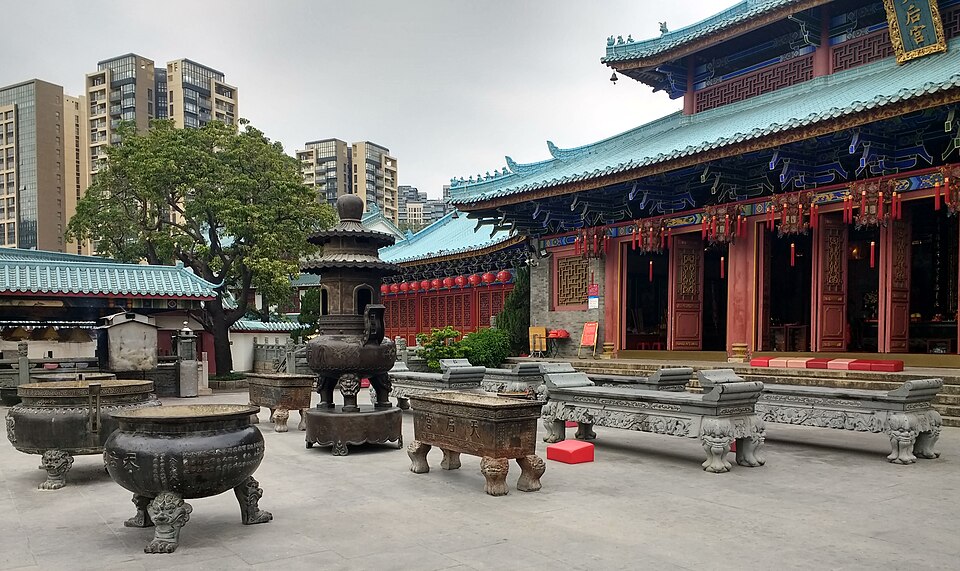
Exterior architectural photography is generally permissible and rewarding given traditional rooflines against contemporary Shenzhen backdrops. Interior photography requires discretion; some spaces may prohibit cameras entirely. Natural lighting conditions vary significantly across seasons and times of day. Early morning provides softer illumination on east-facing structures. Incense offerings create atmospheric haze useful for mood documentation but challenging for technical clarity. Tripod use likely restricted in confined spaces. Respect worshippers by avoiding intrusive angles or flash in active prayer areas. Drone operation would require regulatory compliance and site permission.
Checked 2026-08-26
Not recorded. Many southern Chinese temples have undergone restoration or rebuilding; specific construction chronology for this site is not documented in available sources.
Not recorded. Visitors should anticipate predominantly Chinese-language environments and plan accordingly with translation applications or bilingual companions.
Not recorded. Traditional temples rarely incorporate commercial food service; visitors should consider dining options in broader Chiwan or Nanshan areas.
Participation is typically permitted at functioning Chinese temples with appropriate respectful conduct, though specific protocols at this site are Not recorded pending review.
Not recorded. Traditional architecture with steps and uneven surfaces presents likely challenges; specific accessibility provisions are undocumented.
Not recorded. Regional Mazu temples vary in scale, age, and pilgrimage significance; comparative assessment requires additional documentation beyond available sources.
Loading the interactive map…
The interactive map could not be loaded.
Last updated:
Source: OpenStreetMap contributors, Wikidata ·