Smart Self-Managed Tours

City guide · China

Shanghai

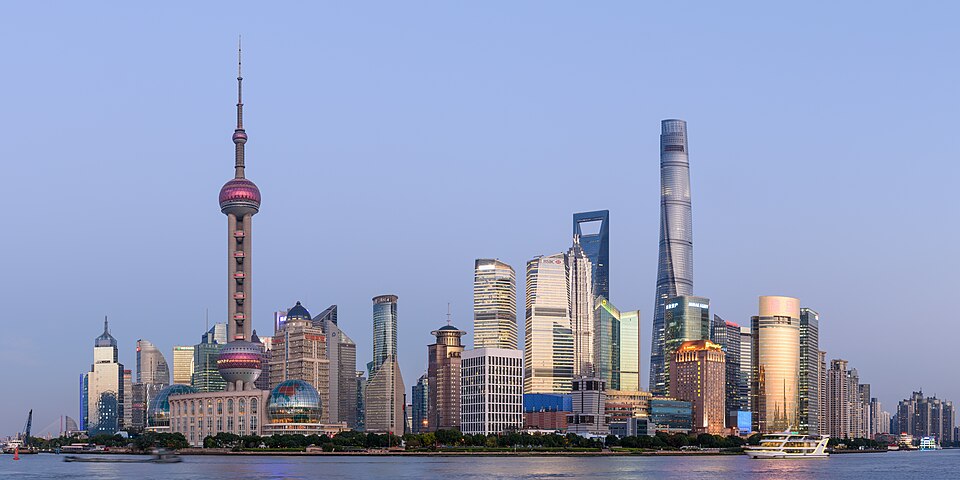
A photograph of Shanghai
Photograph · King of Hearts · CC BY-SA 4.0

Shanghai’s visitor core spans both sides of the Huangpu River. The Bund, People’s Square and Nanjing Road anchor Puxi, while Lujiazui’s towers rise directly opposite in Pudong. The former French Concession spreads southwest through tree-lined neighbourhoods, and older water towns or distant cultural sites require journeys beyond the central metro grid.

Practical information

Language spoken
Standard Chinese; regional languages are widely used
National practical orientation; regional and minority languages may also be used
Dialling code
+86 mainland · +852 Hong Kong · +853 Macao
International calling code; local area and mobile prefixes still apply
Currency
Renminbi (CNY); HKD and MOP in the SARs
Use the official local currency; card acceptance varies by place
Emergency number
110 police · 120 medical on the mainland
Use only for an emergency; tourist assistance may use a separate number
Plug type
Type A, C and I · 220 V
Check that chargers support the recorded voltage before using an adapter
Tap water
Not recorded
No single verified statement covers mainland China and both SARs

Planning a visit

Suggested stay
Not recorded
Getting around
Walking, metro, bus and ferry
  1. January: no seasonality data recorded
  2. February: no seasonality data recorded
  3. March: no seasonality data recorded
  4. April: no seasonality data recorded
  5. May: no seasonality data recorded
  6. June: no seasonality data recorded
  7. July: no seasonality data recorded
  8. August: no seasonality data recorded — this month
  9. September: no seasonality data recorded
  10. October: no seasonality data recorded
  11. November: no seasonality data recorded
  12. December: no seasonality data recorded

Top things to see

Ranked by importance — sitelinks, pageviews and heritage status, not editor preference.

  1. Jin Mao Tower Jin Mao Tower
    02 20 min

    Jin Mao Tower

    Jin Mao Tower is a landmark skyscraper in the Lujiazui financial district of Shanghai's Pudong area. The building stands among the tallest structures in the city and has become an identifiable element of the skyline.

    • Must see
    • Viewpoint
  2. 陆家嘴环形天桥
    03 20 min

    陆家嘴环形天桥

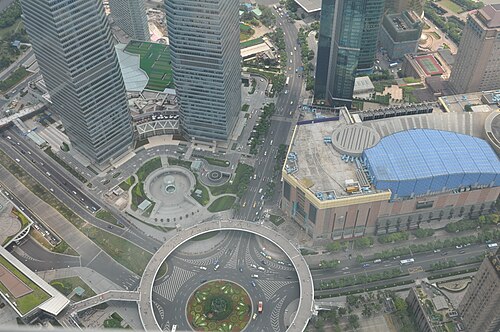
    Lujiazui Circular Pedestrian Bridge is an elevated circular walkway in Shanghai's Lujiazui financial district. The structure provides pedestrian access across multiple roads converging near the base of the Oriental Pearl Tower.

    • Must see
    • Viewpoint
  3. dragon
    16 20 min

    dragon

    • Notable
    • Viewpoint
  4. ji
    18 20 min

    ji

    • Notable
    • Viewpoint
  5. X驿站
    31 20 min

    X驿站

    • Notable
    • Viewpoint
  6. 丁山
    34 20 min

    丁山

    • Notable
    • Viewpoint
  7. 三山
    41 20 min

    三山

    • Notable
    • Viewpoint

Source: OpenStreetMap contributors, Wikidata ·

How the city is laid out

Walk the Bund and Nanjing Road as one Puxi route, with People’s Square and its museums nearby. Cross by metro or ferry for Lujiazui rather than treating it as the same walking cluster. Yu Garden and the old city form another compact zone, while the former French Concession rewards a separate route through several neighbourhoods.

Checked 2026-08-26

Getting around

The municipal guide describes the metro as an efficient way to cross Shanghai’s large urban area. Use it between Puxi, Pudong and the former French Concession, then walk locally. Single tickets, transport cards and supported contactless options are available under current rules. Ferries can make useful river crossings, while suburban water towns need additional rail or road planning.

Checked 2026-08-26

Common questions

How many days should I spend in Shanghai?

A fixed stay length is not recorded. Build the visit around the Bund, People’s Square, Lujiazui and the former French Concession, then add water towns and suburban districts only when the available time supports a separate journey.

What is the best way to organise sightseeing in Shanghai?

Group places by district instead of crossing the city repeatedly. Start with the Bund, People’s Square, Lujiazui and the former French Concession; treat water towns and suburban districts as separate routes with their own travel allowance.

How do I get around Shanghai?

Use Walking, metro, bus and ferry. Walk within compact clusters and consult the linked official transport information before making longer transfers or relying on a particular route.

Can I explore Shanghai mainly on foot?

Only within individual neighbourhood clusters. The main visitor areas are separated by distances, waterways, major roads or regional approaches, so longer links normally need public transport or a licensed vehicle.

Which Shanghai sights need separate transport planning?

Plan water towns and suburban districts separately from the Bund, People’s Square, Lujiazui and the former French Concession. Check the current route, return connection and any access requirements on the official source before departure.

Turn this list into a plan

Set your days, your pace and the hours you actually want to be out. The planner works around closing days and travel time, and leaves room to eat.

Plan Shanghai