

1 min walk
Ruins of St. Paul's
- Must see · Heritage site
- Historic monument
Language · 11 published
Museum · Macau
天主教藝術博物館 Museu de Arte Sacra e Cripta
Reviewed by Elena Voss · SSMTour Travel Editor
| Monday | 09:00 – 18:00 |
|---|---|
| Tuesday | 09:00 – 14:00 |
| Wednesday | 09:00 – 18:00 |
| Thursday | 09:00 – 18:00 |
| Friday | 09:00 – 18:00 |
| Saturday | 09:00 – 18:00 |
| Sunday | 09:00 – 18:00 |
Checked 2026-08-31 · Source
Read from the OpenStreetMap access tags; anything not listed has no tag recorded.
Set the group type to family in the planner and the day window contracts to about three quarters of a solo day.
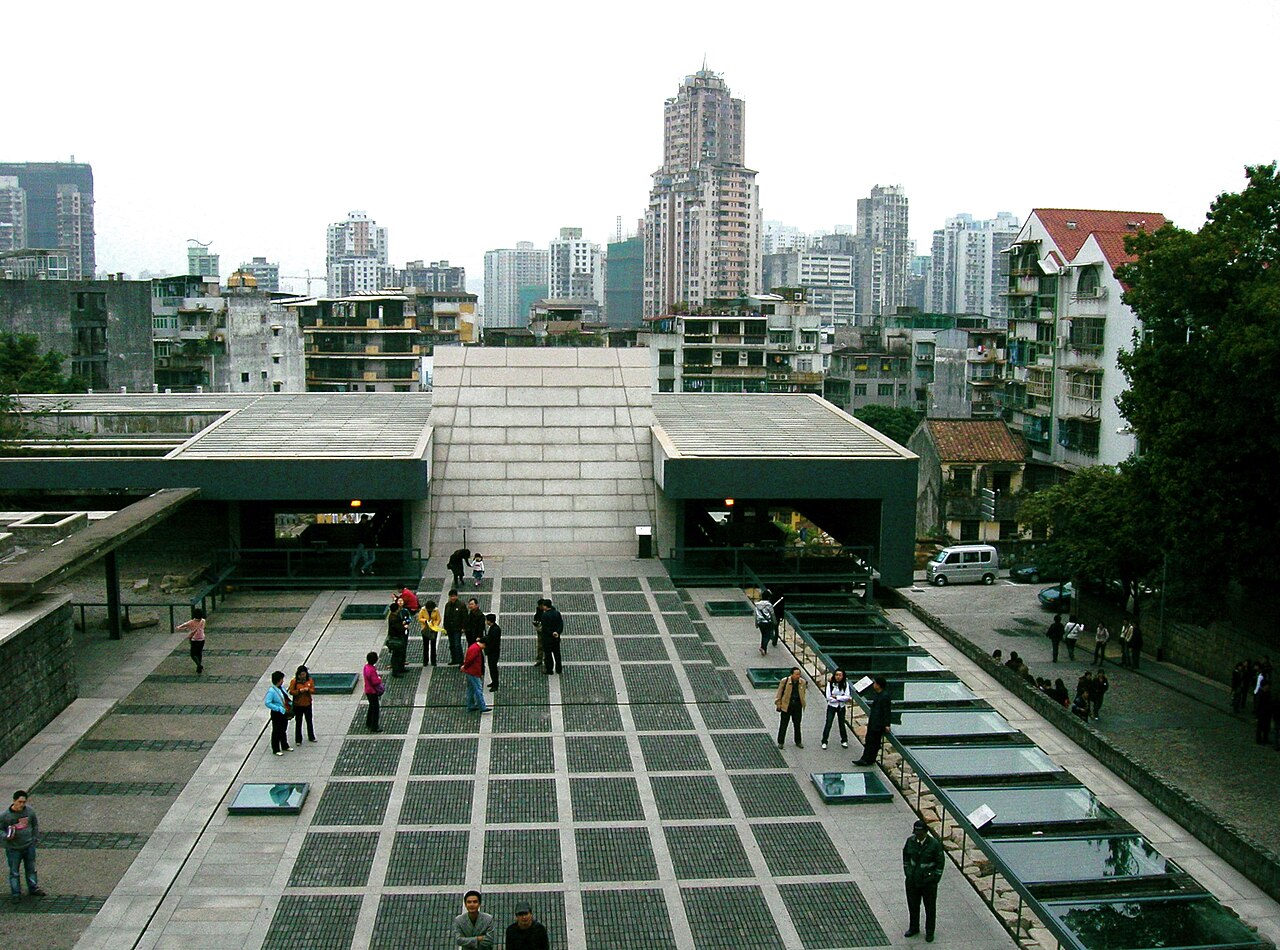
Museum of Sacred Art and Crypt occupies the lower level of the Ruins of St. Paul’s in Macao’s historic center. It preserves religious art and architectural remains connected with the former Church of Mater Dei and College of St. Paul, destroyed by fire in 1835. The museum and crypt add historical depth to the famous stone facade above. Together they show how Catholic institutions shaped Macao’s role as a meeting point between Europe and Asia. The Museum of Sacred Art and Crypt occupies the lower level of the Ruins of St. Paul's, Macau's most iconic landmark. The complex preserves religious artefacts recovered from the former Church of Mater Dei and the College of St. Paul, which were destroyed by fire in 1835. The crypt contains remnants of the original Jesuit foundation, including stone carvings and architectural fragments. The museum and crypt form an integral part of the UNESCO World Heritage-listed Historic Centre of Macau, representing the territory's role as a centre of Catholic missionary activity in East Asia during the sixteenth and seventeenth centuries. The museum and crypt occupy the lower level beneath the famous stone facade, forming part of the same historical complex but representing distinct interior spaces separate from the ruins above.
Checked 2026-08-26 · Source
Inside, travelers encounter sacred paintings, sculptures, and liturgical objects associated with the former church and college. Polychrome wooden saints, religious paintings, and ornate vessels reveal the artistic richness of Catholic worship in Macao. The crypt preserves foundations, stonework, and burial remains beneath the complex. Look for the meeting of European religious imagery and Asian workmanship: the collection reflects the way Jesuit activity adapted Western traditions within the cultural setting of East Asia.
Checked 2026-08-26 · Source
Allow roughly thirty to forty-five minutes for the museum and crypt. The spaces are compact, so a focused visit can cover the principal artworks, foundations, and burial remains without taking a large part of the day. Add extra time if you enjoy sacred art, Jesuit history, archaeological details, or close photography. The Ruins facade above deserves a separate pause for its monumental carvings and views, so include both the interior and exterior when planning this historic quarter visit.
Checked 2026-08-26 · Source
The interior museum and crypt provide shelter from Macao’s heat and rain, making them useful in any season. The Ruins of St. Paul’s are among the city’s best-known sights, and weekends or public holidays can bring dense pedestrian traffic around the facade and approach. Early morning or late afternoon can make the surrounding historic quarter more comfortable for slow looking. Combine the visit with nearby heritage landmarks to turn a short museum stop into a coherent walking route.
Checked 2026-08-26 · Source
The museum is best understood as part of the Ruins of St. Paul’s heritage experience rather than as an isolated destination. Set aside time for both the interior collection and the facade above, whose surviving stonework is one of Macao’s defining images. The compact layout makes the visit easy to add to a historic-center itinerary. Its strongest appeal is cultural and historical: sacred objects, archaeological remains, and the story of Jesuit activity meet in one concentrated site.
Checked 2026-08-26 · Source
The museum sits at the base of the Ruins of St. Paul’s on Rua de São Paulo, within Macao’s pedestrian-oriented historic core. Reach the surrounding area by bus or taxi, then continue on foot through compact streets and lanes. Senado Square, the Cathedral, and other heritage attractions lie within the same broader walking district. Expect a final pedestrian approach and include time for steps, busy passages, and pauses at the facade before entering the lower-level museum spaces.
Checked 2026-08-26 · Source
The crypt is below ground and requires a descent, with subdued light and a historical surface that may feel uneven. Move carefully, particularly when the area is busy. Underground humidity can make the space feel different from the open plaza outside. The displayed religious objects and burial remains call for quiet, respectful behavior. The steps and elevated approach around the Ruins facade create additional physical demands, so pace the visit according to the conditions of the historic site.
Checked 2026-08-26 · Source
The facade of the Ruins of St. Paul’s offers the clearest photographic opportunity, with its layered stone carvings and dramatic position above the historic quarter. In the museum and crypt, work with the available low light and avoid disturbing visitors who are studying the objects. Frame details of sculptures, paintings, stone foundations, and the relationship between the underground remains and the surviving facade. Quiet, restrained photography suits the religious and archaeological character of the site.
Checked 2026-08-26 · Source
Yes. It occupies the lower level beneath the famous facade and forms part of the same historic complex.
The collection includes sacred paintings, sculptures, liturgical objects, church foundations, stonework, and burial remains.
Most travelers can see the museum and crypt in about thirty to forty-five minutes, excluding time at the facade above.
The crypt preserves remains connected with the former Church of Mater Dei and the Jesuit College of St. Paul.
Yes. It is in the historic center near the Cathedral, Senado Square, and the Ruins of St. Paul’s facade.
It shows the interaction of European Catholic traditions, Jesuit history, and Asian craftsmanship in Macao.
Loading the interactive map…
The interactive map could not be loaded.


Last updated:
Source: OpenStreetMap contributors, Wikidata ·