
.jpg)


.jpg)

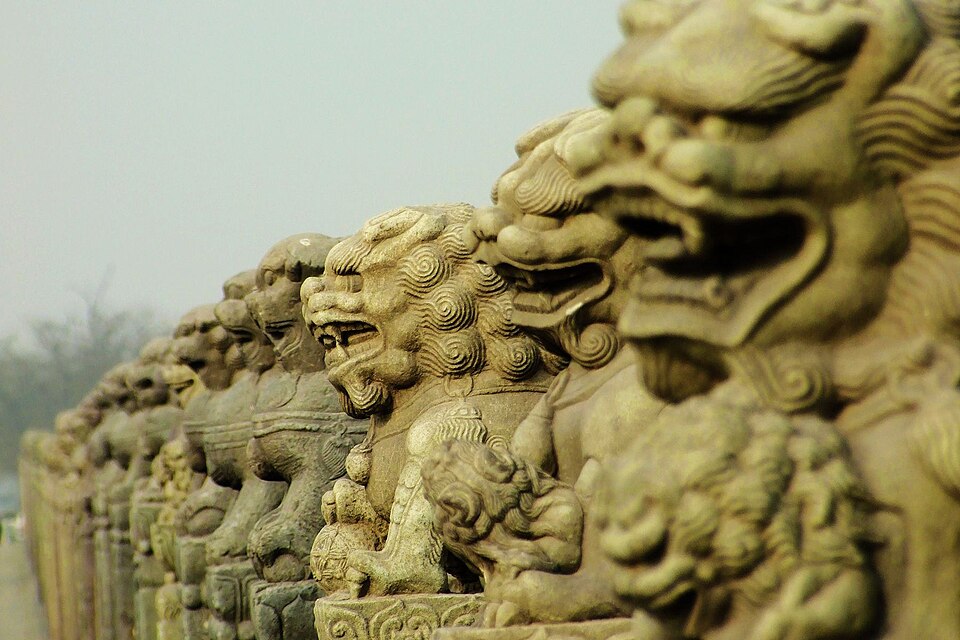
8 min walk
卢沟桥
- Must see
- Viewpoint
Language · 11 published
Historic monument · Beijing
宛平城
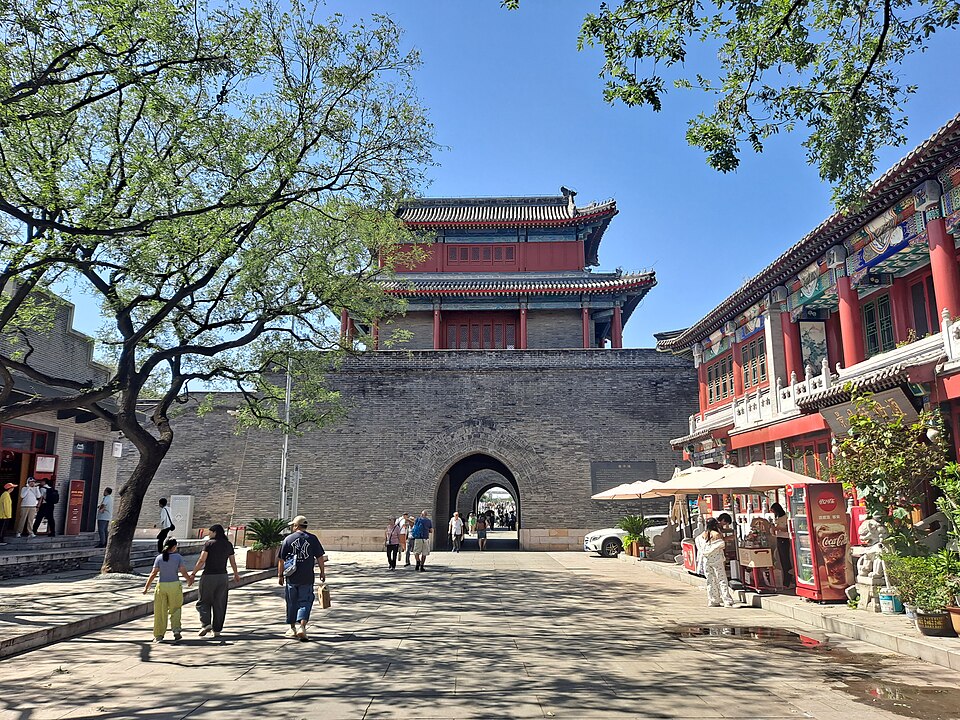
Wanping Fortress, known locally as Wanping Cheng, is a historic walled settlement in Beijing's Fengtai District. Constructed during the Ming Dynasty as a military garrison, it served as a strategic defensive position guarding the western approaches to the capital. The fortress is rectangular in plan with substantial stone walls and gates. Its historical significance is profoundly marked by the Marco Polo Bridge Incident of July 1937, which occurred nearby and precipitated full-scale war between China and Japan. The site stands as a tangible monument to both Ming military architecture and twentieth-century national trauma.
Checked 2026-08-26
The fortress enclosure contains preserved sections of original Ming Dynasty wall fabric, gate structures, and narrow streets lined with traditional courtyard buildings. The Wanping City Wall Museum occupies part of the complex, displaying archaeological finds and historical materials related to the site's military function. Memorial elements connected to the 1937 conflict are present, including exhibition spaces documenting the Marco Polo Bridge Incident. The interior preserves a distinctive urban grain distinct from Beijing's hutong areas, with architecture reflecting its garrison origins rather than civilian residential patterns. Religious and commercial structures from later periods also occupy the walled area.
Checked 2026-08-26

Visitors typically allocate between ninety minutes and two and a half hours for Wanping Fortress, depending on engagement with museum content and wall circuits. A cursory examination of the gates, brief wall walk, and central street traverse requires approximately one hour. Those examining museum displays thoroughly, reading exhibition texts, and circumambulating the complete accessible wall perimeter should plan for the longer duration. The compact dimensions of the fortified area permit comprehensive coverage without excessive walking distances. Combination with the adjacent Marco Polo Bridge extends any visit substantially.
Checked 2026-08-26
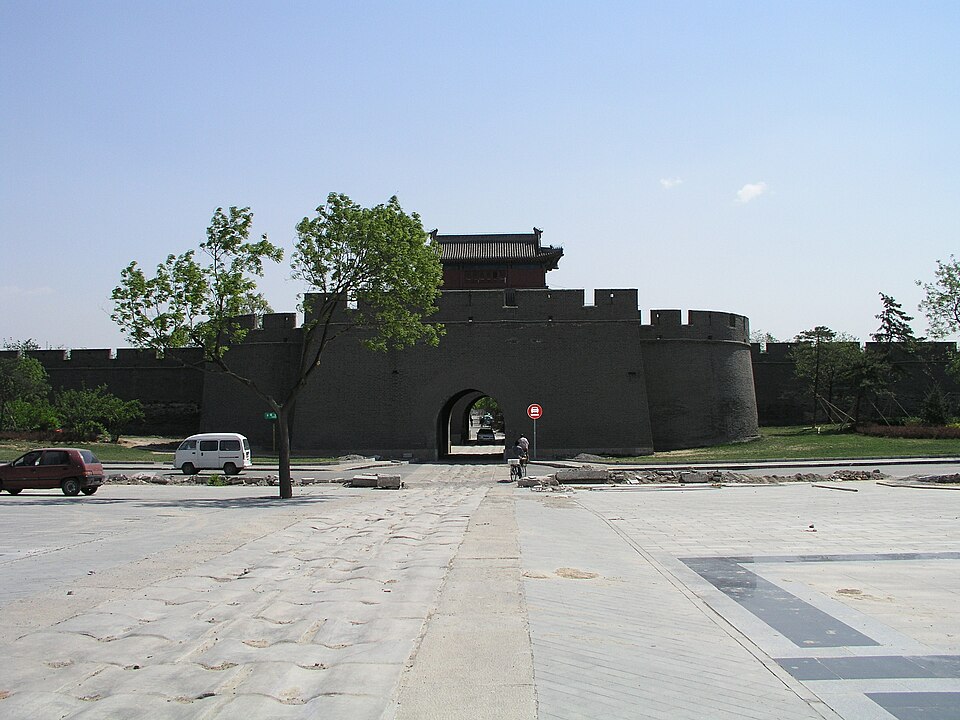
Operator-confirmed hours are Not recorded pending review. Visitors should verify current opening schedules through official municipal channels before planning arrival. The outdoor wall sections and gate structures are observable from public thoroughfares regardless of formal opening status, though interior museum access requires operational hours. Seasonal considerations for Beijing apply: summer brings high temperatures and humidity, winter delivers cold conditions with possible snow affecting wall footing. Spring and autumn generally offer more temperate conditions for walking the exposed wall surfaces. Morning visits may provide softer light for visual appreciation of the masonry.
Checked 2026-08-26
Operator-confirmed prices are Not recorded pending review. Any admission charges for the walled area, museum components, or special exhibitions require verification from official sources. Historical precedent suggests Chinese historic sites often employ tiered pricing with reduced rates for students, seniors, and other eligible categories, though this cannot be assumed for Wanping Fortress specifically. Some memorial museums in China operate without admission charges. Visitors should carry identification documents as these are frequently required for ticket purchase or entry registration at state-administered cultural sites in Beijing.
Checked 2026-08-26
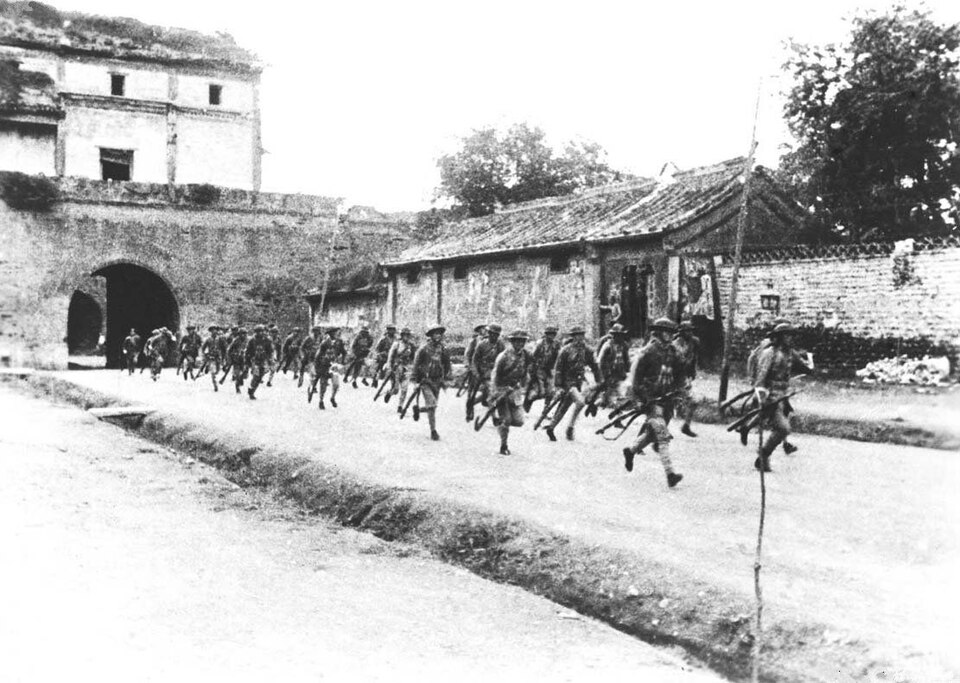
Wanping Fortress occupies a position in Fengtai District, southwestern Beijing, accessible via public transportation connections to the broader metropolitan network. The site lies in reasonable proximity to the Marco Polo Bridge, with which it shares historical association. Beijing subway and bus systems serve the general district, though specific routing requires consultation of current transit schedules. Private vehicle access involves navigating Beijing's traffic restriction policies, including license plate limitations and parking availability near historic districts. The location is sufficiently peripheral that visitors should anticipate substantial transit time from central Beijing accommodations.
Checked 2026-08-26

Wall surfaces and gate steps may present trip hazards, particularly in adverse weather conditions; appropriate footwear is essential. The site's dual identity as both ancient monument and war memorial demands respectful conduct, particularly in exhibition spaces. Crowding patterns are unpredictable given the site's variable visitor volume. Information signage may be predominantly in Chinese, potentially limiting comprehension for non-reading visitors. The surrounding urban area has undergone significant development, creating contrasts between historic fabric and modern construction that affect the atmospheric integrity of the approach. Photography restrictions may apply within museum interiors.
Checked 2026-08-26

The fortress walls and gate towers offer substantial photographic interest, particularly for documenting Ming military construction techniques and the contrast between preserved historic fabric and contemporary Beijing. The rectangular plan permits axial compositions through the gate openings. Exterior wall photography is possible from public spaces without site entry. Interior museum displays may be subject to photography prohibitions or flash restrictions that visitors must observe. Morning and late afternoon light angles enhance the texture of the stone masonry. The juxtaposition with nearby modern development creates documentary opportunities regarding urban preservation challenges in rapidly developing Chinese cities.
Checked 2026-08-26
No. Wanping Fortress and the Marco Polo Bridge are distinct but adjacent sites with connected historical significance. The 1937 incident occurred at the bridge, while the fortress is the walled settlement nearby.
The fortress was constructed during the Ming Dynasty. Exact completion dates are Not recorded pending review from authoritative sources.
Sections of wall appear accessible, but current operational status and any safety restrictions are Not recorded pending review from site operators.
The historical and memorial content, particularly regarding the 1937 conflict, may require parental discretion. Physical accessibility of wall sections may limit younger children's participation.
Availability of English signage, audio guides, or printed materials is Not recorded pending review. Visitors should anticipate predominantly Chinese-language presentation.
Specific routing via Beijing's transit network requires consultation of current schedules. The general direction is southwest toward Fengtai District.
Loading the interactive map…
The interactive map could not be loaded.

Last updated:
Source: OpenStreetMap contributors, Wikidata ·