
.jpg)


.jpg)
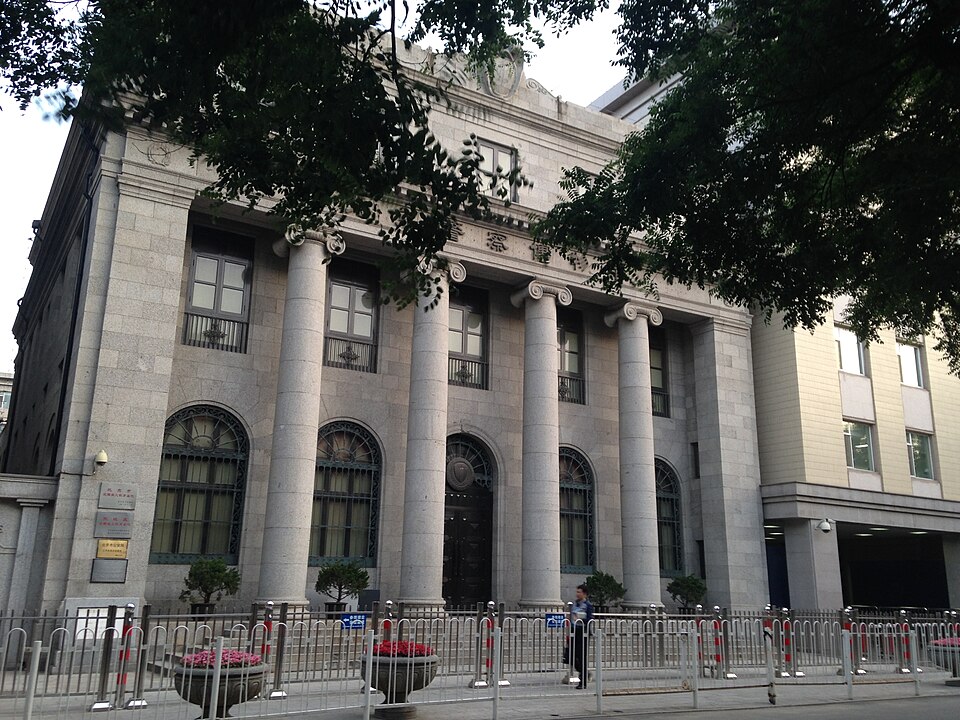
5 min walk
Beijing Police Museum
- Must see
- Museum
Language · 11 published
Museum · Beijing
北京市规划展览馆
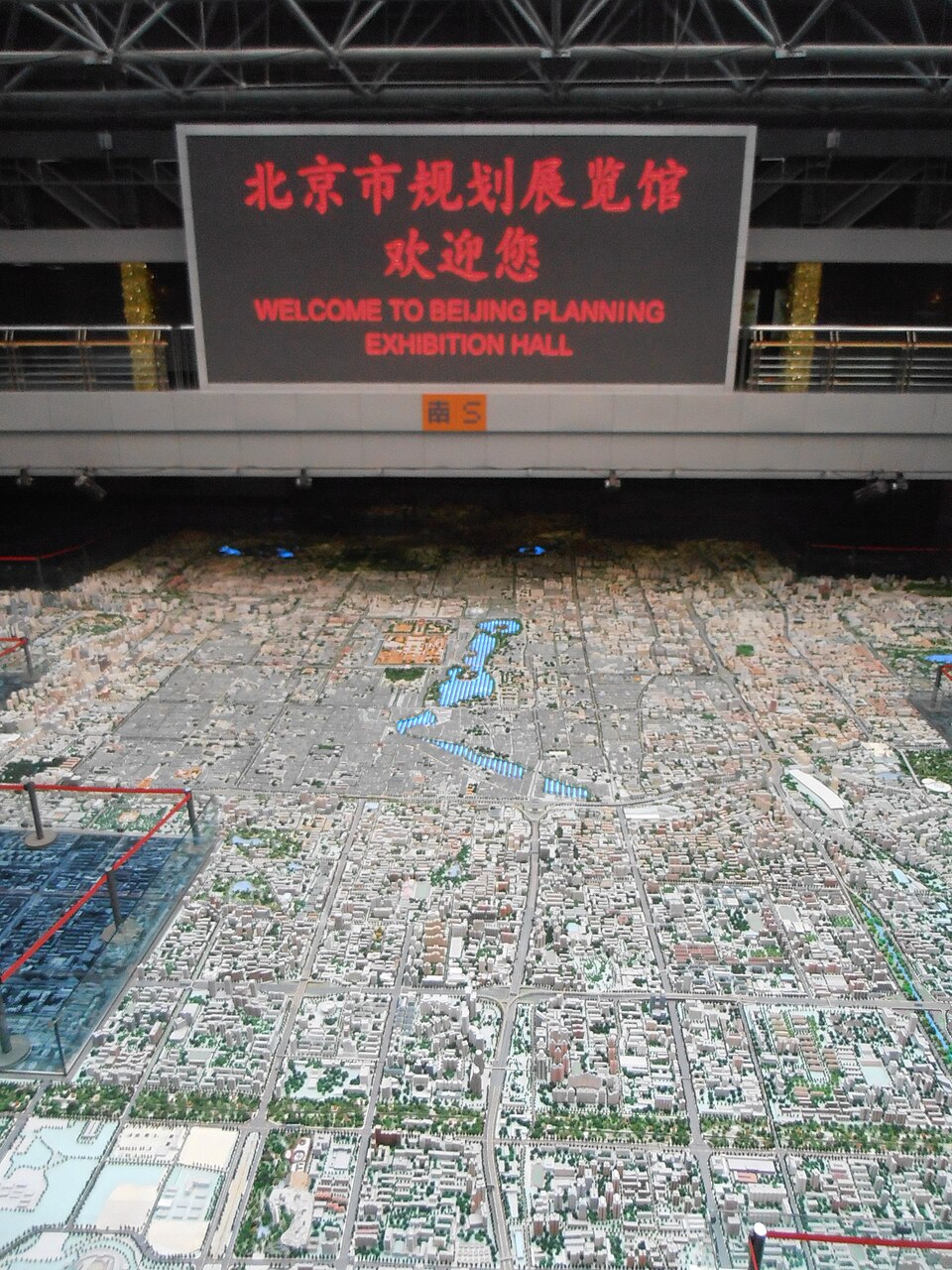
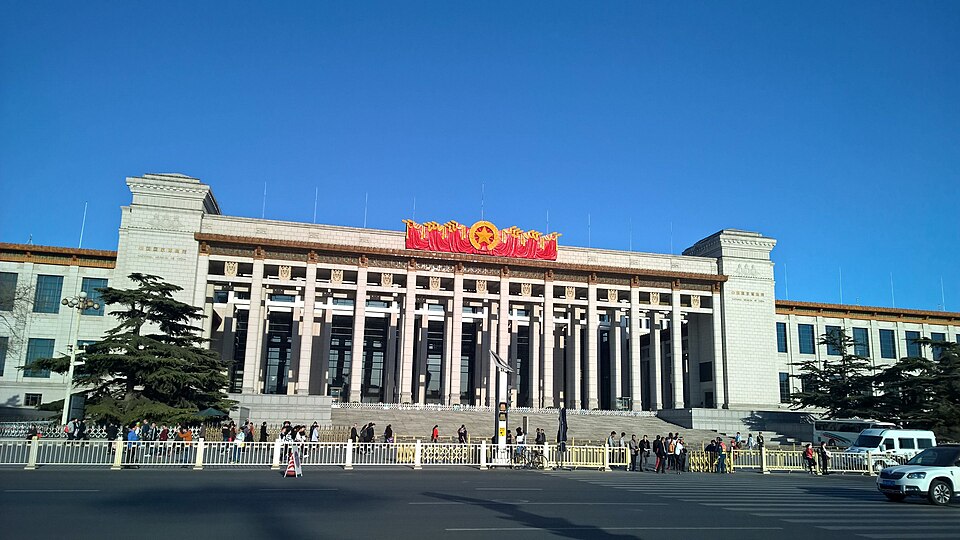
The Beijing Planning Exhibition Hall is a municipal exhibition space dedicated to urban planning and development. Located in central Beijing near Qianmen, it occupies a prominent position in the historic city core. The institution presents the capital's architectural evolution, master plans, and future vision through physical models and displays. Its local name is 北京市规划展览馆. The venue serves as an official platform for communicating Beijing's urban transformation to residents and visitors. It reflects state-level planning priorities and the capital's role as a political and cultural center. The exhibition hall contributes to public understanding of spatial governance in China's largest city.
Checked 2026-08-26
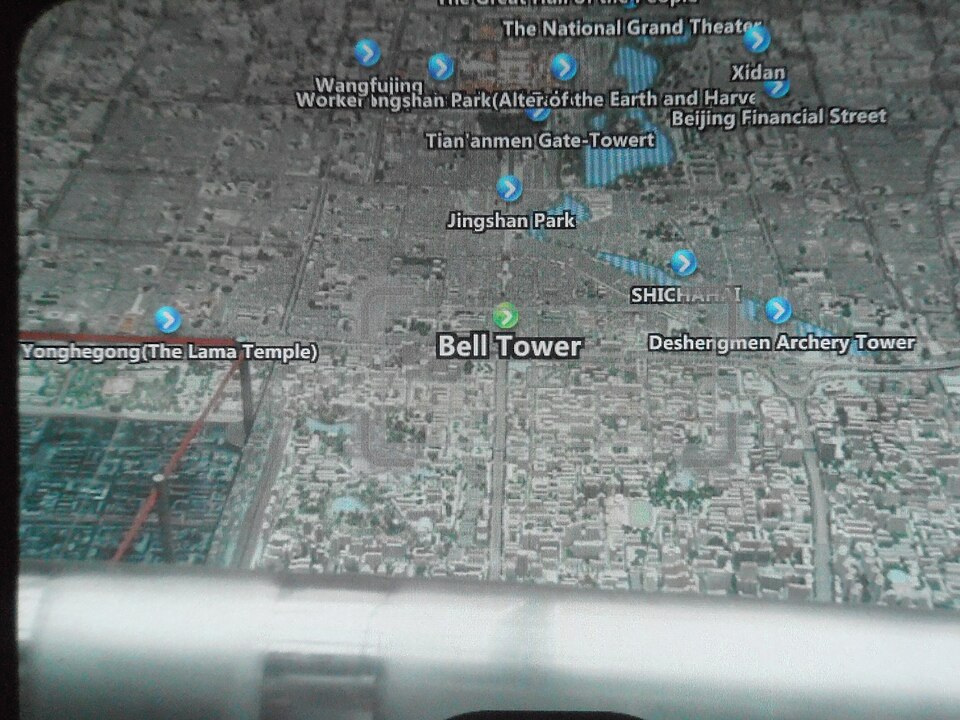
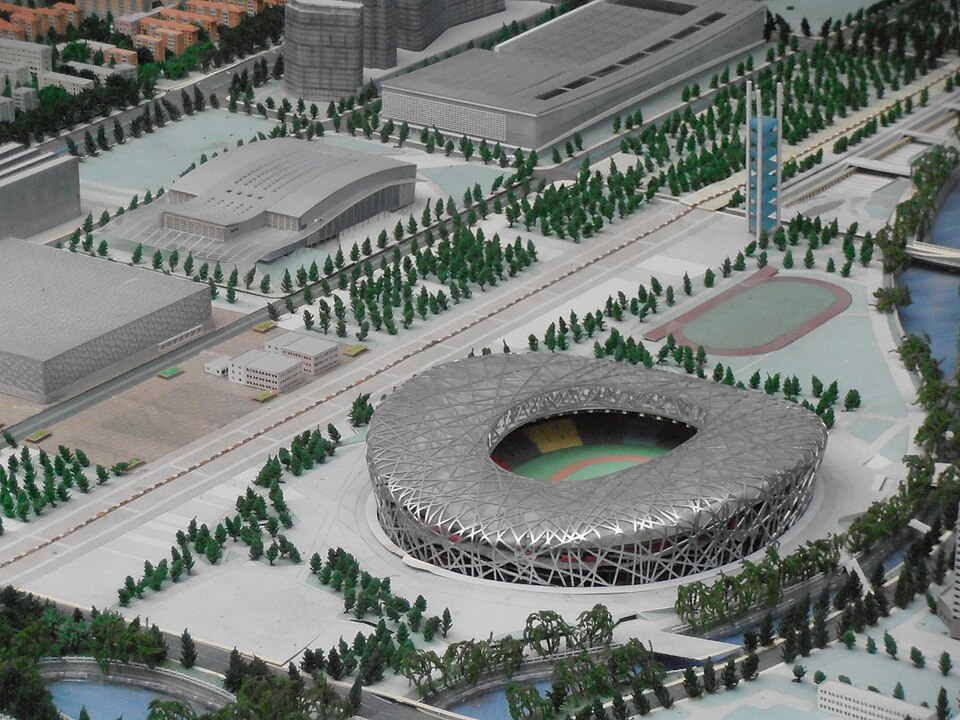
The exhibition hall contains large-scale architectural models of Beijing, including a substantial representation of the central city area. Displays cover historical development, current infrastructure, and proposed future projects. Visitors encounter maps, diagrams, and visual materials explaining zoning, transportation networks, and heritage preservation strategies. The ground floor typically features the most prominent model installations. Upper levels may include thematic exhibitions on districts, environmental initiatives, or specific construction programs. Interactive elements and multimedia presentations supplement physical exhibits. The collection emphasizes official narratives of orderly growth and modernization. Content reflects government-approved planning documents rather than critical or alternative perspectives on urban change.
Checked 2026-08-26

A thorough visit requires approximately ninety minutes to two hours for visitors engaging with all display levels. Casual observers examining only the central model and main floor may complete their visit in forty-five to sixty minutes. The building spans multiple floors with escalator and stair access between levels. Visitors with strong interest in urban planning, architecture, or Beijing's geographic evolution should allocate additional time for detailed examination of district-specific displays and documentary materials. School groups and organized tours may follow structured itineraries of predetermined duration. Individual pacing varies considerably based on language comprehension and prior familiarity with Beijing's urban structure. Photography and reading extended captions extend visit length.
Checked 2026-08-26
Operator-confirmed hours are Not recorded pending review. Visitors should verify current opening schedules through official channels before planning their trip. The exhibition hall likely maintains reduced hours on national holidays and may close for government functions or exhibit changes without extensive advance notice. Morning visits typically offer quieter conditions and better opportunities for unobstructed viewing of popular model displays. Weekends and Chinese public holidays generally attract larger crowds including domestic tourists and family groups. Summer months bring increased visitor volume overall. Winter visits may provide more contemplative experience but coincide with heating-season air quality challenges that affect Beijing. Advance telephone confirmation remains advisable for all prospective visitors.
Checked 2026-08-26
Operator-confirmed prices are Not recorded pending review. The Beijing Planning Exhibition Hall has historically operated with nominal admission fees or free entry for certain visitor categories, reflecting its semi-public educational function. Visitors should consult official sources for current pricing, group rates, and any available concessions for students, seniors, or children. Identification requirements may apply for discounted admission. Some special exhibitions within the hall may impose separate charges. Payment methods accepted at the venue are not documented in available sources. Budget-conscious travelers should prepare for possible cash requirements as backup even where electronic payment predominates in Beijing. Receipts or tickets should be retained for any multi-section access validation.
Checked 2026-08-26
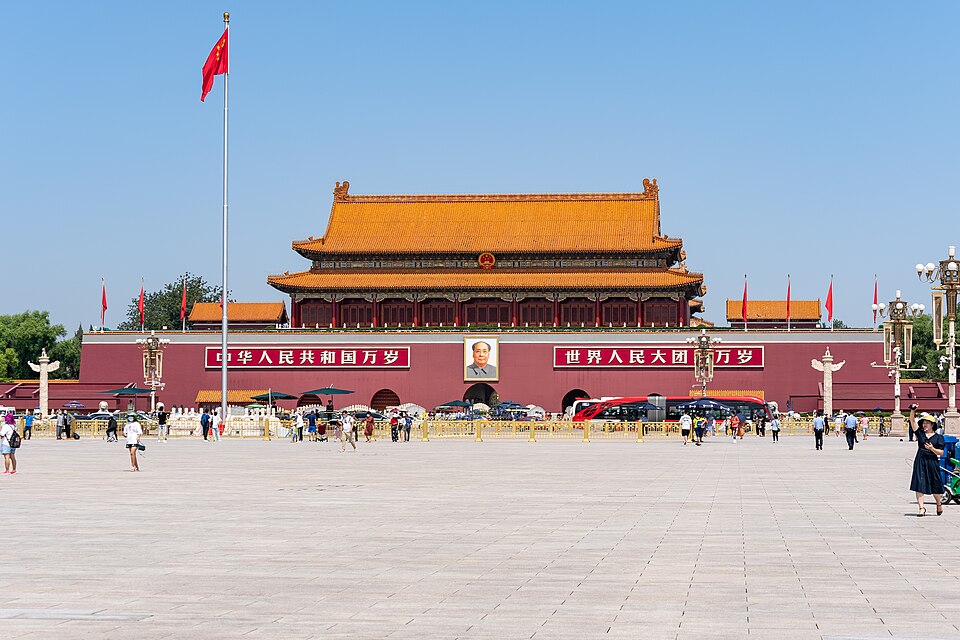
The exhibition hall occupies a location accessible via Beijing's extensive public transportation network. The nearest subway stations include Qianmen on Line 2, positioned at a walkable distance south of Tiananmen Square. Bus routes serve the broader Qianmen and Dashilar district with multiple stops in the vicinity. The area experiences significant pedestrian traffic and vehicle restrictions typical of central Beijing's historic core. Visitors approaching from the Forbidden City or Tiananmen Square can proceed south on foot along pedestrianized commercial streets. Taxis and ride-hailing services face dropping restrictions near major political landmarks. Cycling presents viable option for confident riders familiar with Beijing traffic patterns and bike-sharing systems operating throughout the municipality.
Checked 2026-08-26
Security screening comparable to other central Beijing institutions applies at entry, with bag checks and metal detector passage required. Valid identification should be carried as standard practice throughout the capital. The surrounding Qianmen area contains aggressive commercial solicitation from souvenir vendors and rickshaw operators targeting tourists. Exhibition content reflects official government positions exclusively; visitors seeking critical urban analysis will find none. English-language materials may be limited or absent from some displays, reducing comprehension for non-Chinese readers. Climate control varies seasonally; summer humidity and winter heating create comfort fluctuations. Emergency exit routes deserve attention given multi-level structure. Photography restrictions may apply to specific models or documents without clear signage indicating boundaries.
Checked 2026-08-26

The central architectural model constitutes the primary photographic subject, though lighting conditions and reflective display cases may challenge amateur equipment. Tripods and professional lighting equipment likely require advance permission or face prohibition as standard museum policy. Flash photography may disturb other visitors in confined gallery spaces and should be used judiciously. Overhead lighting on large models produces glare that affects image quality from certain angles. The building's exterior offers limited distinctive architectural features for photography compared to neighboring historic structures. Visitors should respect any staff instructions regarding camera use near sensitive planning documents or unreleased project displays. Social media sharing of exhibition content appears generally tolerated given the institution's public communication purpose.
Checked 2026-08-26
Visitors with strong interest in urban planning or architecture will find value; others with brief Beijing stays may prioritize UNESCO sites.
English materials are not consistently available across all displays; comprehension varies by visitor's prior knowledge of Beijing geography.
Qianmen station on Line 2 serves the area; walking distance from exit to venue entrance applies.
On-site dining is Not recorded; the surrounding Qianmen commercial district contains numerous restaurants at various price levels.
Multi-level structure with escalator access suggests basic accessibility; specific facilities for disabled visitors are Not recorded.
Displays reflect officially approved plans at time of installation; update schedules for models and projections are Not recorded.
Loading the interactive map…
The interactive map could not be loaded.
Last updated:
Source: OpenStreetMap contributors, Wikidata ·