


7 min walk
Houhai
- Must see
- Nature site
Language · 1 published
Museum · Beijing
恭王府
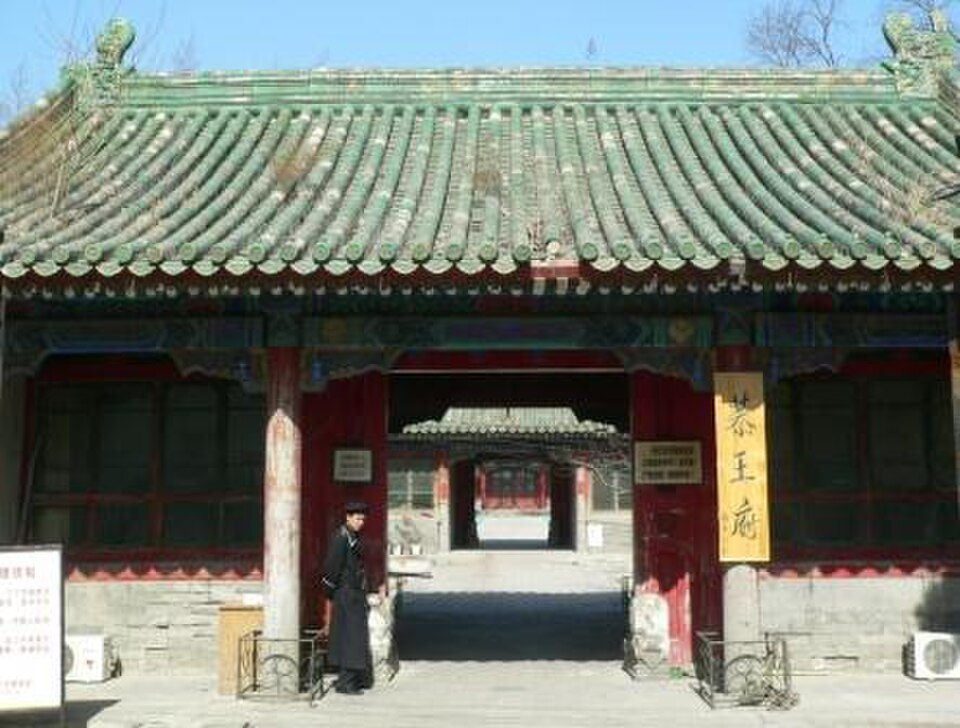
Prince Gong Mansion, known locally as 恭王府, stands as one of Beijing's most significant surviving aristocratic residences from the Qing dynasty era. The complex represents a prime example of traditional Chinese princely architecture and garden design. Located in the historic Shichahai area, this extensive compound served as the private residence of several imperial princes, most notably Prince Gong. The mansion encompasses both residential quarters and elaborate gardens, reflecting the hierarchical structure of Qing nobility. Its preservation offers visitors insight into the lifestyle and cultural practices of China's late imperial aristocracy.
Checked 2026-08-26
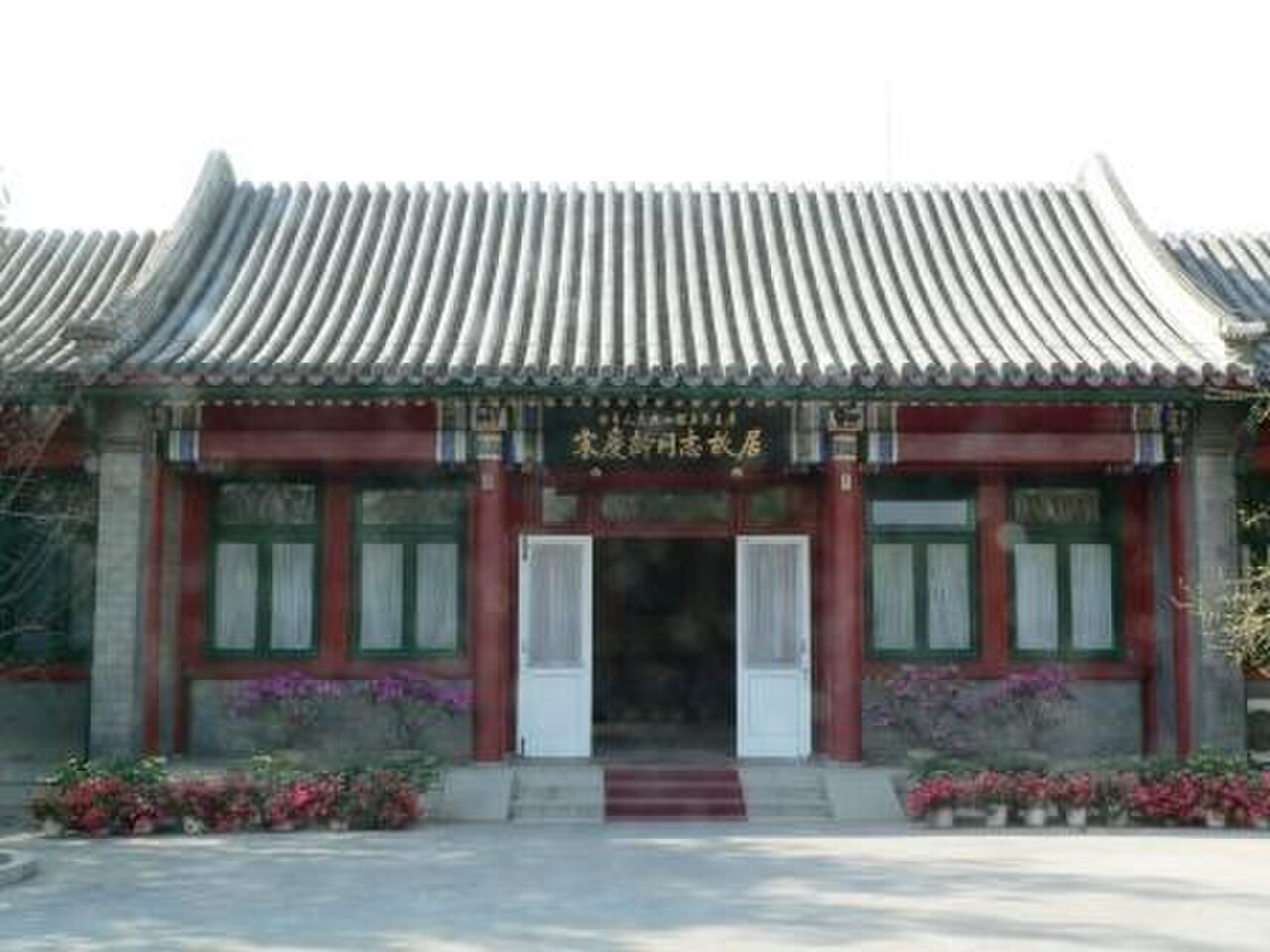
The mansion complex divides into two principal zones: the residential buildings and the garden areas. The residential portion contains multiple courtyards arranged along a central axis, following classical Chinese architectural principles. These spaces include ceremonial halls, living quarters, and auxiliary structures. The garden section features artificial rockeries, ponds, pavilions, and covered walkways. Notable architectural elements include traditional timber framing, decorative roof tiles, and painted corridors. The compound also contains various carved stone features and ornamental gateways that demonstrate craftsmanship from the period. Vegetation within the gardens provides seasonal variation to the landscape.
Checked 2026-08-26
Visitors typically allocate between one and a half to three hours for exploring Prince Gong Mansion thoroughly. The duration depends on individual pacing and depth of interest in architectural details. A cursory walk through main courtyards and garden paths may require approximately sixty to ninety minutes. Those examining decorative elements, reading informational displays, and photographing extensively should plan for longer visits. The garden areas particularly invite slower progression. Crowd conditions vary significantly by season and time of day, potentially affecting movement speed through narrower passages and popular viewing spots within the complex.
Checked 2026-08-26

Operator-confirmed hours are Not recorded pending review. Visitors should verify current opening schedules through official channels before planning their visit. Seasonal considerations for Beijing generally apply: spring and autumn typically offer moderate temperatures favorable for outdoor garden exploration. Summer brings heat and humidity that may affect comfort during extended walking. Winter visits encounter cold conditions but potentially reduced crowding. Weekend and holiday periods generally experience higher visitor volumes regardless of season. Morning arrival often provides calmer conditions for appreciating architectural details before peak visitation hours accumulate throughout the day.
Checked 2026-08-26
Operator-confirmed prices are Not recorded pending review. Visitors must consult official sources for current admission fees and any available concession categories. The site may implement variable pricing structures or require advance reservation during peak periods. Group rates, if offered, would require direct inquiry. Payment methods accepted at the entrance should be verified beforehand, as cashless systems increasingly dominate Chinese tourist attractions. Some visitors may qualify for reduced or complimentary entry based on age or other status categories defined by site policy. Annual passes or combination tickets with nearby attractions may exist.
Checked 2026-08-26

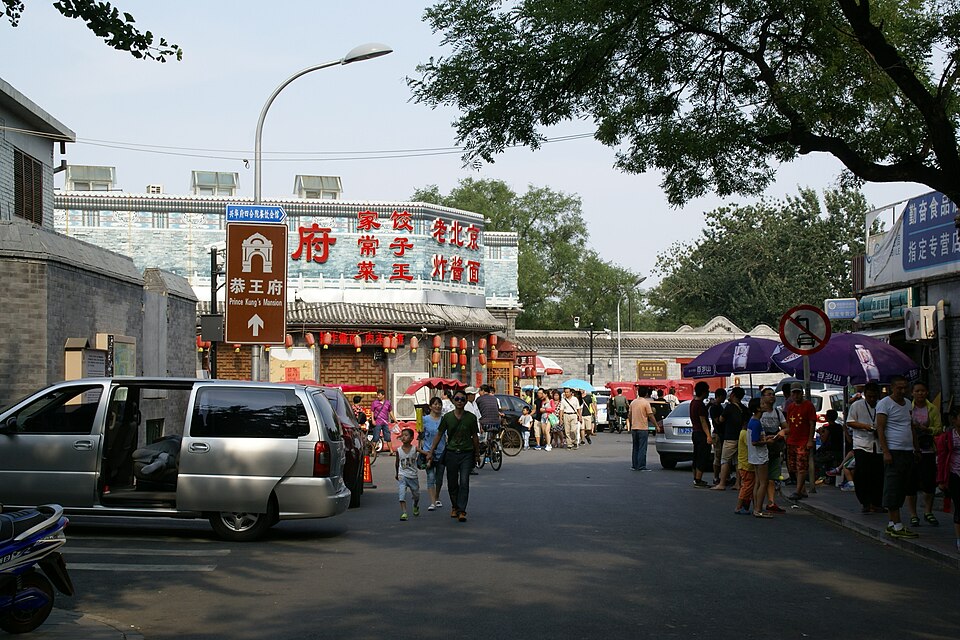
Prince Gong Mansion occupies a position within Beijing's Shichahai historic district, accessible through multiple transportation options. The nearest subway stations include Shichahai on Line 8 and Beihai North on Line 6, each requiring additional walking through hutong alleyways. Public buses serve stops in the broader vicinity. Taxis and ride-hailing services can approach nearby though final access may involve pedestrian segments through narrow traditional lanes. Cycling represents another viable option given Beijing's bike-sharing infrastructure. Visitors should prepare for walking portions regardless of primary transport mode, as the immediate surroundings preserve historic street patterns unsuited to vehicular traffic.
Checked 2026-08-26
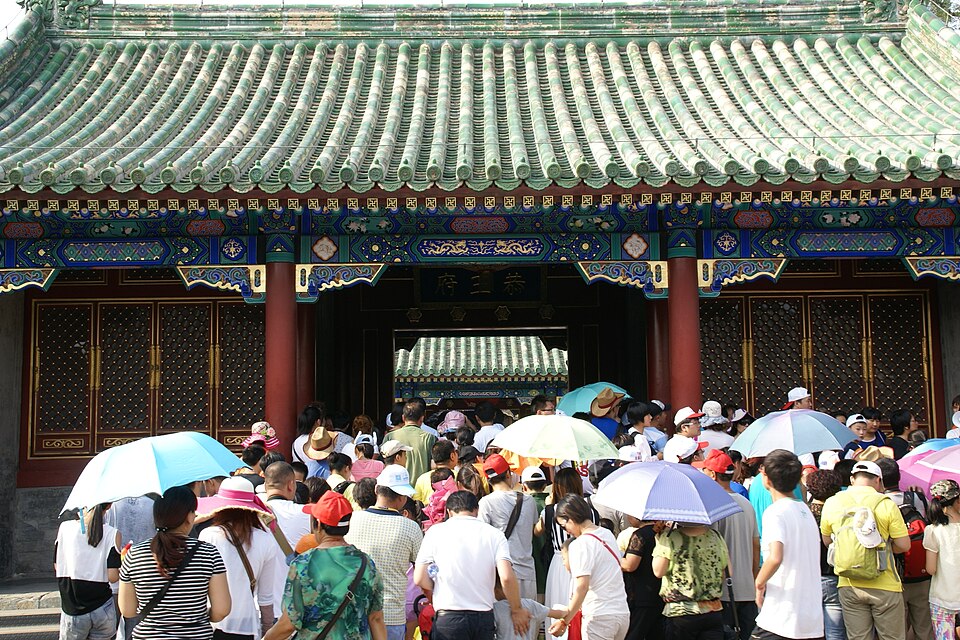
The historic nature of Prince Gong Mansion presents certain visitor considerations. Uneven paving stones and threshold steps between courtyards require attention to footing, particularly in dimly lit interior spaces or during wet conditions. Narrow doorways and passages may create bottlenecks when crowded. Some areas may lack climate control, exposing visitors to outdoor temperature conditions. Protective barriers restrict access to certain rooms or artifacts; visitors should observe these boundaries. Photography restrictions may apply in specific zones. The surrounding hutong neighborhood contains additional pedestrian and cycle traffic that demands awareness when arriving or departing through narrow lanes.
Checked 2026-08-26
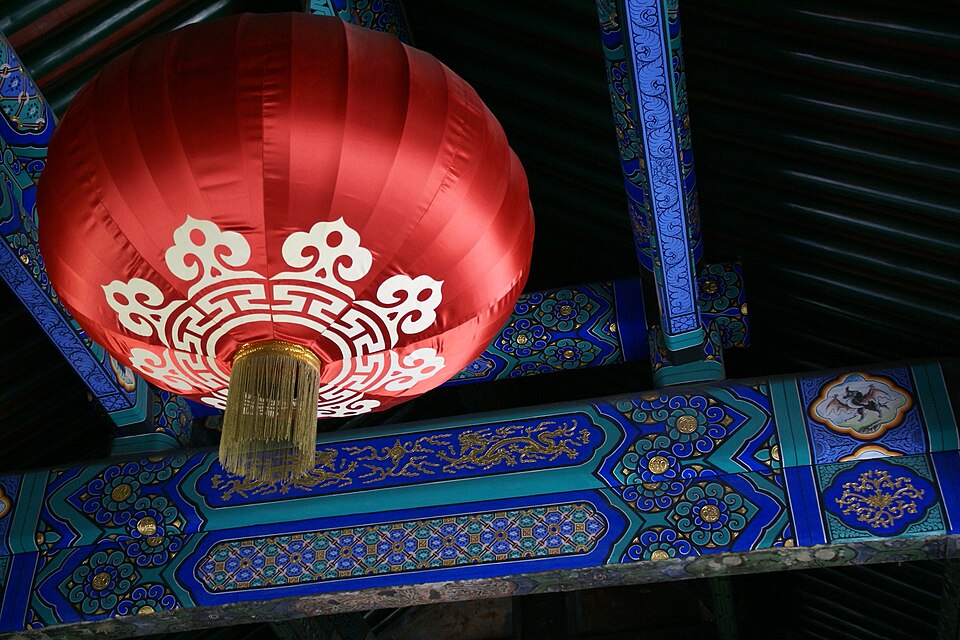
The architectural and garden features of Prince Gong Mansion offer substantial photographic interest throughout the compound. Traditional courtyards provide framed compositions of rooflines and sky. Garden elements including rockeries, water features, and pavilion structures create varied subject matter. Interior spaces present challenges due to lighting conditions and potential restrictions. Visitors should observe any posted guidelines regarding camera use, tripods, or flash photography. Morning and late afternoon light generally produces favorable conditions for exterior photography. Peak visitation periods complicate clean compositions without crowd elements. The contrast between grey brick architecture and seasonal vegetation colors provides additional visual opportunities.
Checked 2026-08-26
Yes, 恭王府 translates to Prince Gong Mansion and refers to this specific historic compound associated with Prince Gong of the Qing dynasty.
The physical site can be navigated independently, though interpretive materials in English may be limited. Visitor judgment suggests preparing translation tools or guided tour options.
Not recorded. Visitors should not assume on-site dining availability and may wish to explore the surrounding Shichahai area for food options.
Not recorded. Historic Chinese courtyard architecture typically involves multiple steps and uneven surfaces, suggesting visitors with mobility considerations should verify accessibility directly with operators.
Both are Qing-era complexes, but the Forbidden City served as the imperial palace while Prince Gong Mansion represents princely residence architecture at a different scale and with garden emphasis.
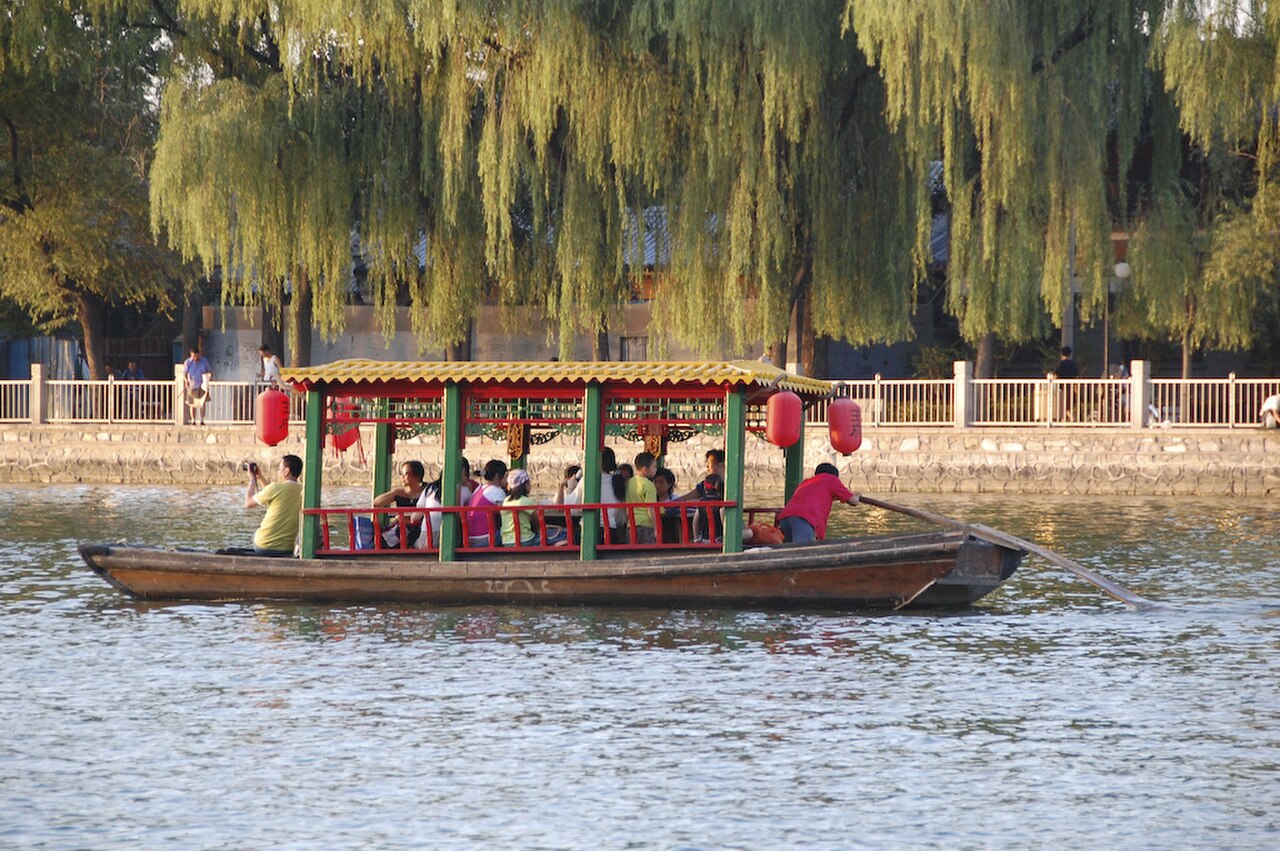
The Shichahai location places it near hutong areas, lakes, and other historic sites. Visitor judgment supports planning extended exploration of this district, though specific routing depends on individual stamina and interests.
Loading the interactive map…
The interactive map could not be loaded.
Last updated:
Source: OpenStreetMap contributors, Wikidata ·