
5 min walk
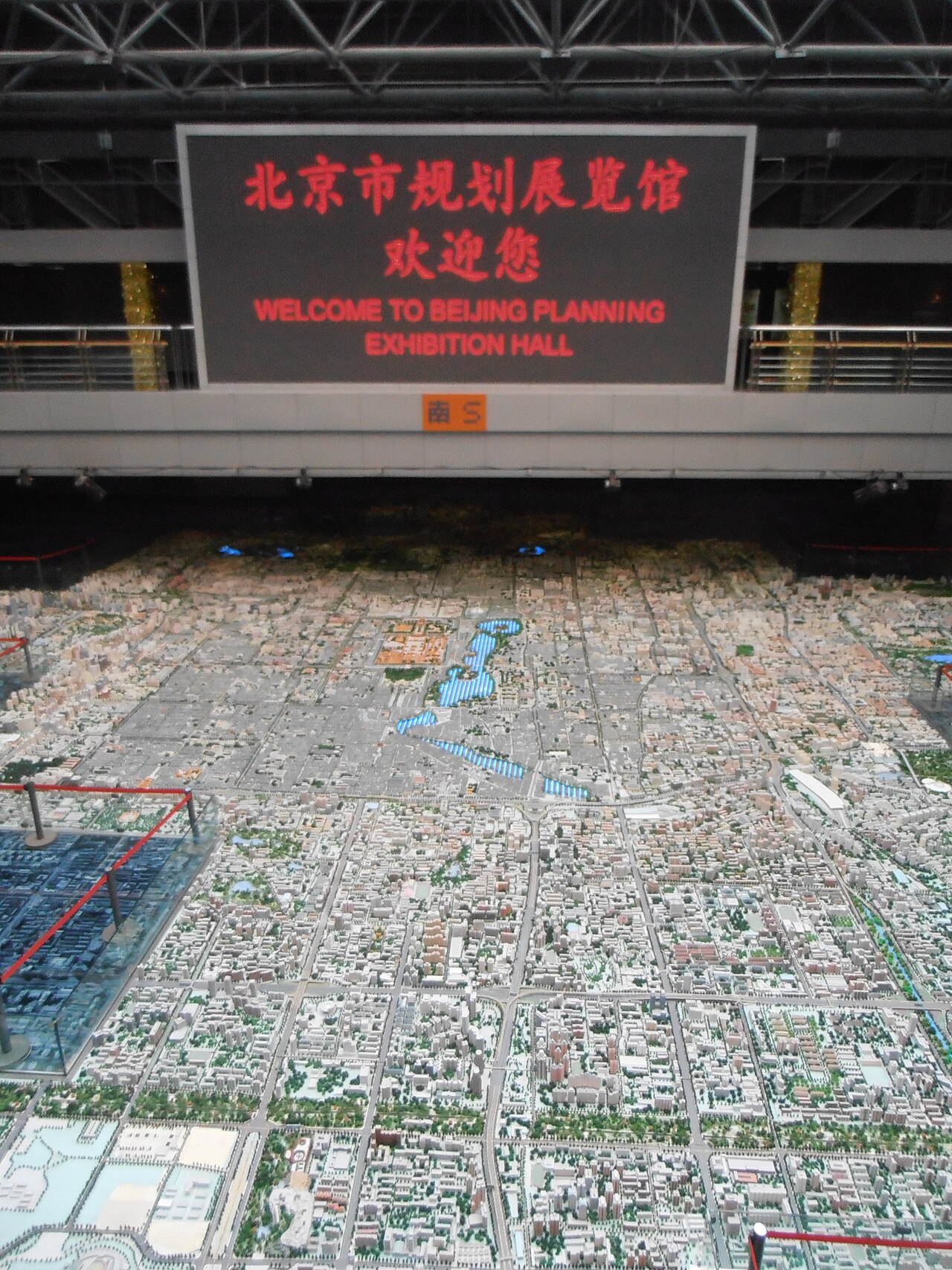
Beijing Planning Exhibition Hall
- High
- Museum
Language · 11 published
Museum · Beijing
北京警察博物馆
| Monday | Closed |
|---|---|
| Tuesday | 09:00 – 16:00 |
| Wednesday | 09:00 – 16:00 |
| Thursday | 09:00 – 16:00 |
| Friday | 09:00 – 16:00 |
| Saturday | 09:00 – 16:00 |
| Sunday | 09:00 – 16:00 |
Parsed from OpenStreetMap opening hours on 2026-08-26.
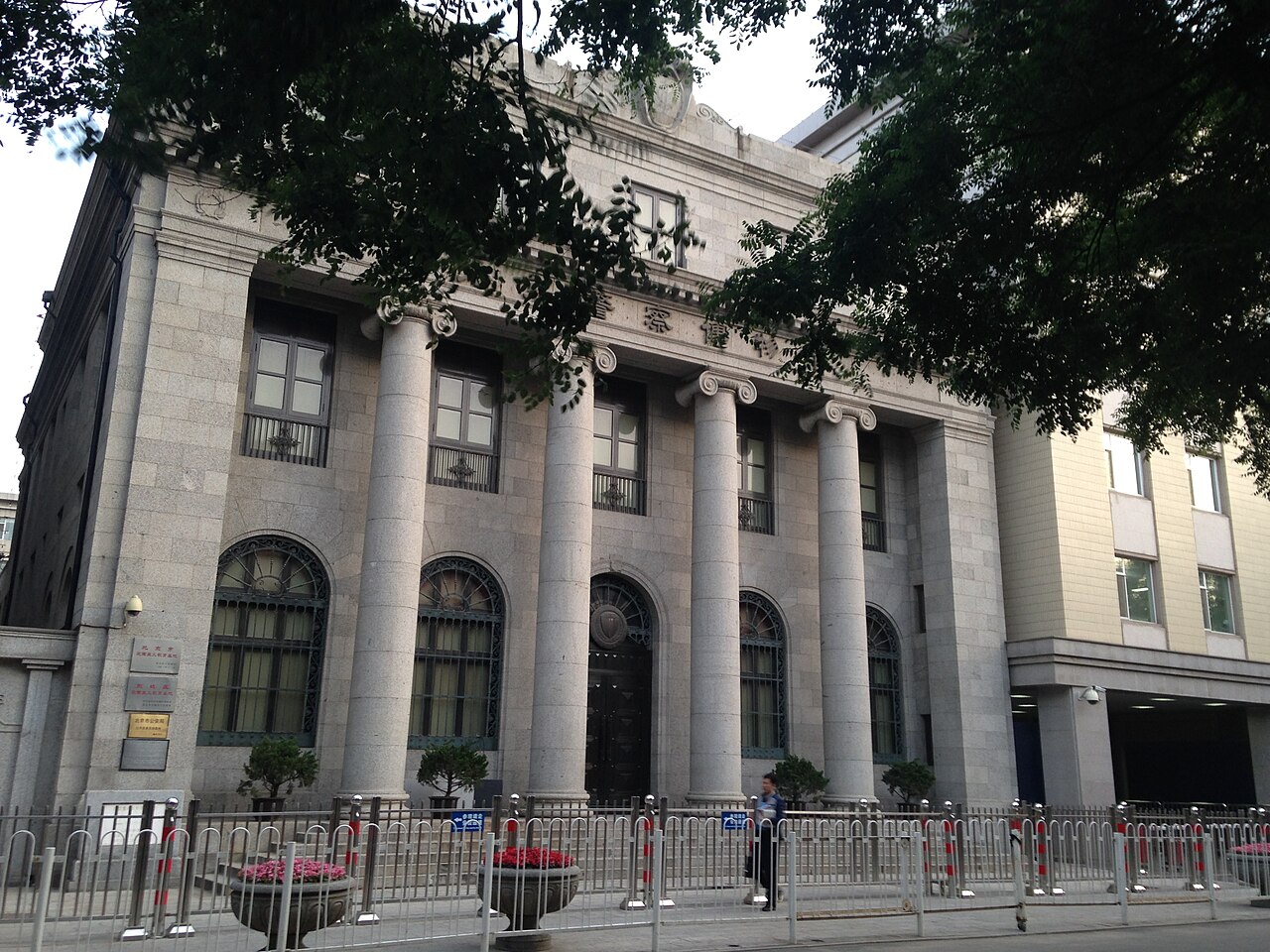
Beijing Police Museum is a municipal museum in central Beijing devoted to the history and development of policing in China’s capital. The museum presents policing as an institution shaped by changing governments, technologies, and urban needs. Its subject is narrower than a general history museum, making it most relevant to travellers interested in public institutions, criminal investigation, civic administration, and the way official museums explain Beijing’s social order. The Beijing Police Museum is a municipal museum dedicated to the history and development of policing in China's capital. Located in central Beijing, it occupies a historic building and presents institutional narratives of law enforcement evolution from imperial times through the Republican era to the contemporary People's Republic. The museum serves as both a public exhibition space and a venue for police education and patriotic display, reflecting the dual function common to Chinese professional museums. Interest depends on specialization in Chinese institutional history or policing evolution. General tourists may find limited appeal compared to major cultural sites.
Checked 2026-08-26 · Source
The displays cover police history, criminal investigation, equipment, uniforms, weapons, documents, and the development of forensic methods. Other themes include traffic management, counter-terrorism, and notable cases connected with law enforcement. The museum’s presentation is institutional and public-facing, so visitors encounter official explanations of police work and service. Give extra attention to the objects themselves: uniforms, instruments, written records, and changing technology show how policing moved from traditional methods toward modern scientific investigation. Exhibition areas typically cover police history, criminal investigation techniques, equipment evolution, and notable cases. Displays may include historical uniforms, weapons, documents, and technological apparatus. Sections often highlight counter-terrorism efforts, traffic management, and forensic science development. Visitors should expect a state-curated narrative emphasizing social order and institutional achievement rather than critical perspectives.
Checked 2026-08-26 · Source
Plan roughly one to two hours for Beijing Police Museum. That is enough time to move through the galleries and read the principal displays without turning the visit into a rushed pass. Visitors who enjoy institutional history, forensic equipment, or Chinese public museums can spend longer with individual cases and objects. The museum also fits naturally into a wider central-Beijing day, especially when paired with the historic streets and civic landmarks around Dongcheng.
Checked 2026-08-26 · Source
A morning visit gives you the clearest structure for a museum-focused day and leaves time for central Beijing afterwards. The museum’s subject suits travellers who want an indoor cultural stop between visits to historic districts and major civic sights. Crowded national-holiday periods can make central Beijing slower to navigate, so build flexibility into the surrounding day. The experience is strongest when you can read the displays patiently rather than treating the museum as a brief photo stop.
Checked 2026-08-26 · Source
Carry your passport when visiting Beijing Police Museum, because foreign visitors may need identification for museum registration or entry procedures. The available guide information does not establish a ticket price, reservation channel, discount category, or payment method. Treat the museum as a focused cultural visit rather than part of a combined attraction ticket. Keep your identification accessible, and allow time for any entrance procedure before planning a tightly timed central-Beijing itinerary.
Checked 2026-08-26 · Source
Beijing Police Museum is in central Beijing’s Dongcheng district, within reach of the city’s extensive subway, bus, taxi, and ride-hailing network. Give the Chinese name 北京警察博物馆 to a driver or enter it into a map when navigating. The museum’s central position makes it practical to combine with Dongjiaominxiang, Qianmen, Tiananmen Square, or other central districts, but central traffic and security controls can lengthen short journeys.
Checked 2026-08-26 · Source
Expect security-conscious entry at a police museum and keep your passport ready. Follow signs and staff directions around displays connected with weapons, forensic work, security equipment, or operational history. Some crime-related material may be uncomfortable for children or sensitive visitors. English interpretation may be limited, so a translation application can help with Chinese labels. The museum offers a state-centred institutional narrative; read it as an official account of policing rather than as a broad social history of Beijing.
Checked 2026-08-26 · Source
Treat photography as controlled inside Beijing Police Museum. Follow every sign and staff instruction, especially around forensic displays, police equipment, officer portraits, documents, and security-related objects. Avoid flash, tripods, and selfie sticks unless the museum explicitly permits them. The building can be photographed from public streets where local restrictions permit, but interior photography remains a matter of museum rules. A respectful, unobtrusive approach lets other visitors examine the displays without disruption.
Checked 2026-08-26 · Source
Beijing Police Museum focuses on the history and development of policing in China’s capital, including criminal investigation, equipment, uniforms, documents, traffic management, counter-terrorism, and notable cases.
The museum presents police uniforms, weapons, documents, investigative equipment, forensic technology, and displays explaining the development of law enforcement in Beijing.
Allow roughly one to two hours for the main galleries. Visitors with a strong interest in policing history, forensic methods, or institutional museums can spend longer with individual displays.
The museum is in central Beijing’s Dongcheng district. Its location makes it possible to combine the visit with Dongjiaominxiang, Qianmen, Tiananmen Square, and other central-Beijing sights.
Use 北京警察博物馆 when speaking with a driver or entering the destination into a Chinese-language map application.
Carry your passport and keep it accessible for entrance or registration procedures. A translation application is also useful for reading Chinese exhibition labels and instructions.
Loading the interactive map…
The interactive map could not be loaded.

Last updated:
Source: OpenStreetMap contributors, Wikidata ·