
54 min walk
Quebrada de Macul
- High
- Nature site
Language · 11 published
Nature site · Santiago
Parque Natural Aguas de Ramón
| Monday | 08:00 – 18:00 |
|---|---|
| Tuesday | 08:00 – 18:00 |
| Wednesday | 08:00 – 18:00 |
| Thursday | 08:00 – 18:00 |
| Friday | 08:00 – 18:00 |
| Saturday | 08:00 – 18:00 |
| Sunday | 08:00 – 18:00 |
Parsed from OpenStreetMap opening hours on 2026-08-26.
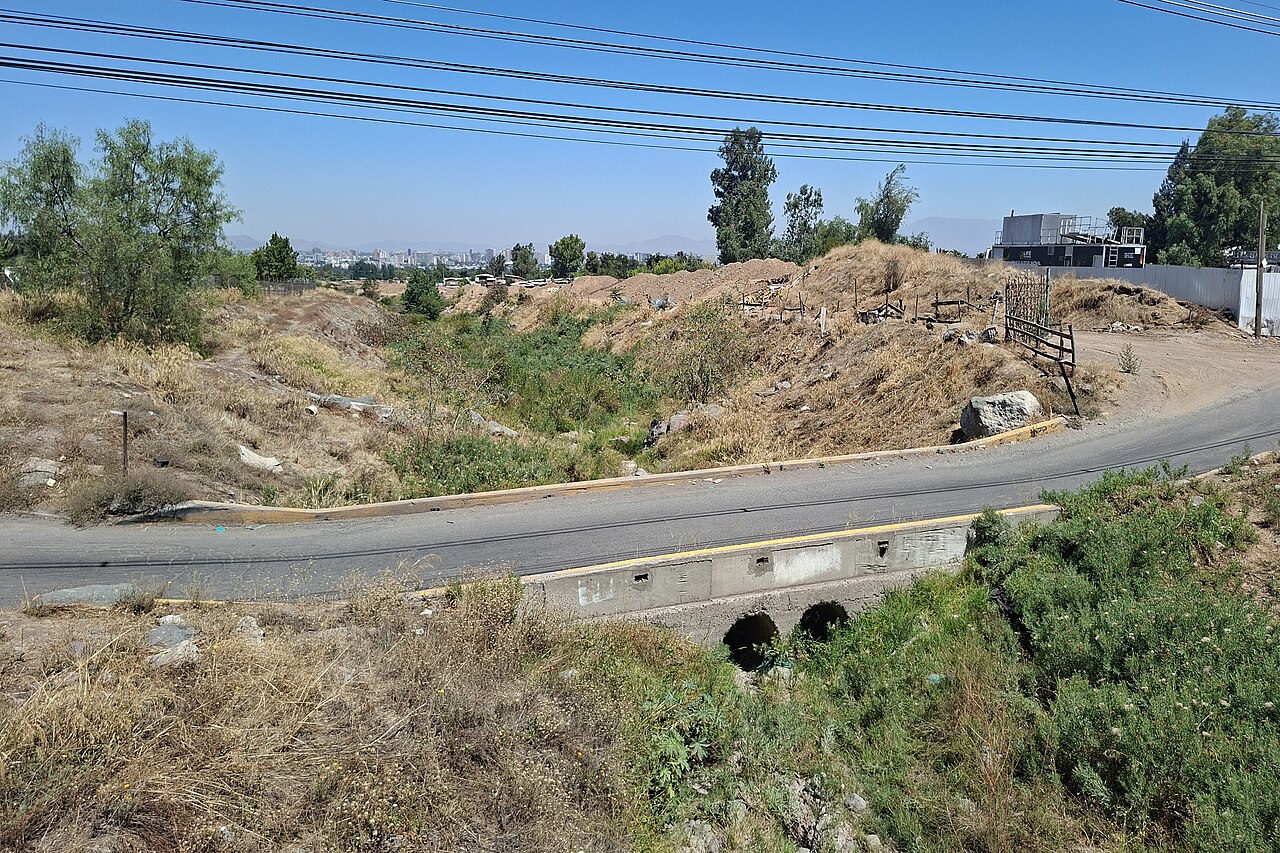
Parque Natural Aguas de Ramón is a protected natural area on Santiago’s eastern foothills. The park offers a reachable mountain escape within the metropolitan region, with trails entering Mediterranean sclerophyll forest and following creek drainages toward the Andean piedmont. The landscape combines dry slopes, shaded watercourses, canyon scenery, and waterfalls whose strength changes with rainfall. Aguas de Ramón suits travellers who want a substantial outdoor experience without leaving Santiago for an overnight mountain trip. Its value comes from the contrast between the capital’s urban scale and the forested foothill terrain reached within the same day.
Checked 2026-08-26 · Source
The park’s main character is its Mediterranean forest, shaped by hot dry summers and milder wet winters. Trails follow seasonal streams through canyon terrain, with denser vegetation near water and tougher scrub on exposed ground. Waterfalls form a major visual destination, although their flow responds to rainfall rather than staying constant through the year. The park also provides elevation gain and changing surfaces, so the experience is more than a flat city walk. Look for the way vegetation changes between riparian shade and open slopes, and treat the creek corridors as the natural structure guiding the trails.
Checked 2026-08-26 · Source
Plan Aguas de Ramón as a half-day or full-day outing. Reaching the principal waterfall and returning requires several hours of steady walking, while additional routes, viewpoints, rests, and photography extend the day. Start with enough daylight for the chosen route and the return journey, particularly when visiting in winter. The park is close enough to Santiago for a day trip without accommodation, but it is not a quick viewpoint stop. Allow time for uneven ground, elevation changes, pauses beside the watercourses, and a slower pace in the canyon sections.
Checked 2026-08-26 · Source
Spring and autumn are comfortable seasons for hiking in Aguas de Ramón because temperatures are generally moderate for sustained exertion. Summer brings dry heat, especially on exposed slopes, so an early start protects the most demanding walking from the strongest afternoon sun. Winter brings cooler conditions and rain that can change trail surfaces and stream crossings; daylight is also shorter. Seasonal rainfall influences the waterfalls, with wetter periods offering stronger water features than the dry summer months. Choose the season according to whether your priority is comfortable walking, greener scenery, or fuller streams.
Checked 2026-08-26 · Source
Aguas de Ramón is best planned as a managed nature outing rather than an informal walk into open countryside. The destination is recognised as a Santiago nature attraction, and the visit centres on marked recreational trails, forest, creek corridors, and waterfalls. Organise the day around reaching the trail area with sufficient daylight for the return. Carry the supplies needed for a self-contained hike, especially water and food for several hours outdoors. The park’s foothill setting makes preparation part of the experience: a short urban journey leads to terrain where services are less immediate.
Checked 2026-08-26 · Source
The park lies on Santiago’s eastern metropolitan edge, where the city gives way to foothill terrain. Private vehicle access is practical for reaching the park area, while the exact public transport journey depends on your starting point and the service available that day. Use the park’s mapped location to plan the final approach, and leave a daylight margin for the return from the trailhead. The distance from central Santiago is affected by traffic, so a morning departure is useful even when the walking route itself is the main focus. Once inside the park, plan around the trail rather than urban connections.
Checked 2026-08-26 · Source
Wear sturdy footwear for uneven and sometimes loose surfaces, and carry abundant water for the dry foothill climate. Exposed sections can become hot, while canyon shade can make conditions feel cooler. Rain can make stream crossings and rocks more difficult, so turn back from water levels or surfaces that feel unsafe. Phone coverage may be weaker in canyon terrain than in the city. Share your route and expected return with someone before setting out. Keep distance from wildlife, stay on the intended trail, and leave the forest, streams, and waterfall areas clean for other visitors.
Checked 2026-08-26 · Source
Aguas de Ramón offers varied subjects: dark sclerophyll forest, bright exposed slopes, creek corridors, canyon walls, and waterfalls. Overcast conditions or canyon shade can soften the contrast around water, while morning light can reveal texture on the eastern-facing terrain. A tripod can help with longer waterfall exposures, but wet rocks and spray create hazards for both people and equipment. Keep a secure footing before composing a photograph, and avoid blocking narrow paths. Include the surrounding vegetation and rock formations to show the park as a complete foothill landscape rather than photographing the waterfall alone.
Checked 2026-08-26 · Source
The park offers accessible foothill terrain, but canyon trails include uneven surfaces and elevation gain. Beginners should choose a shorter route, use sturdy footwear, and carry water.
Expect Mediterranean sclerophyll forest, creek drainages, canyon sections, exposed slopes, uneven ground, and waterfall areas shaped by seasonal rainfall.
Yes. The park is on Santiago’s eastern foothills and can be visited during the day without an overnight mountain stay.
Bring sturdy hiking footwear, abundant water, food or snacks, sun protection, suitable layers, and a fully charged phone.
Waterfall flow follows seasonal rainfall. Wetter periods generally provide stronger water features, while dry summer conditions can reduce the flow substantially.
An early start provides cooler walking conditions, more daylight for the return, and better time for rests, photography, and longer trail options.
Loading the interactive map…
The interactive map could not be loaded.


Last updated:
Source: OpenStreetMap contributors, Wikidata ·