


54 min walk
Parque natural Aguas de Ramón
- Must see
- Nature site
Language · 1 published
Nature site · Santiago
Parque Natural Quebrada de Macul
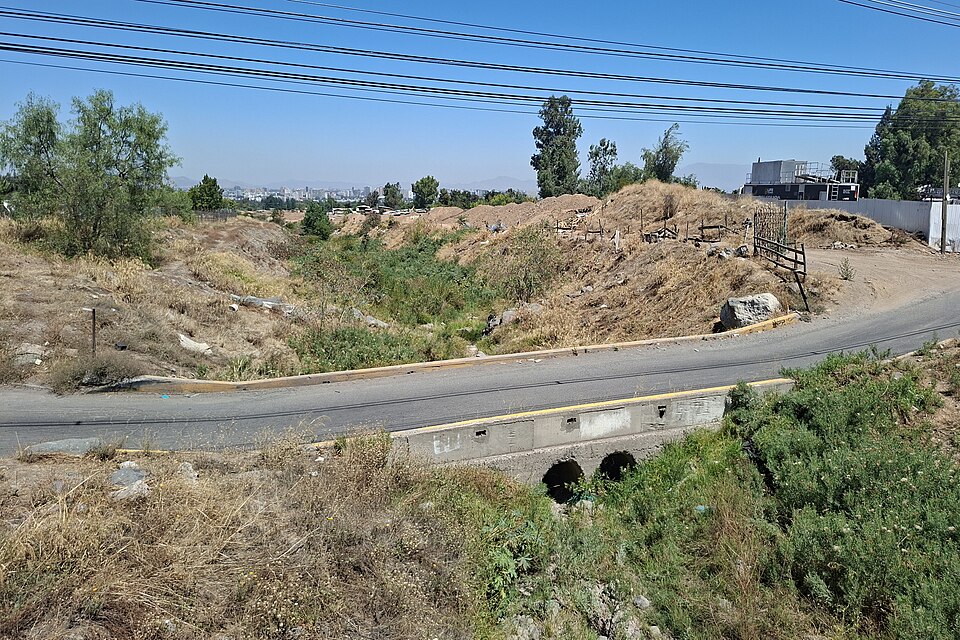
Parque Natural Quebrada de Macul is a natural park located in the eastern foothills of Santiago, Chile. The area forms part of the pre-Andean mountain range and serves as a protected green space within the urban sprawl of the Santiago Metropolitan Region. The park encompasses a ravine system that channels seasonal water flows down from the higher elevations. It represents one of the remaining pockets of native vegetation in the eastern sector of the capital, offering visitors access to Chile's central Mediterranean landscape without traveling far from the city center.
Checked 2026-08-26
The park contains a network of hiking trails that wind through terrain featuring native vegetation characteristic of central Chile's matorral ecosystem. Mountain views are visible from various points along the trail system, providing perspectives of the Andean foothills. Seasonal waterfalls appear during periods of sufficient rainfall, particularly in the winter and spring months when snowmelt and precipitation increase water flow through the ravine. The trail network accommodates walkers of varying abilities, though conditions vary with weather. The natural setting supports birdwatching and quiet observation of the local environment away from dense urban development.
Checked 2026-08-26

The duration of a visit to Parque Natural Quebrada de Macul depends on individual hiking pace and which trails are selected from the network. Visitors typically allocate between two and four hours for a meaningful exploration of the main routes. Those seeking only a brief walk might complete shorter sections in approximately one hour, while more thorough exploration of the trail system could extend beyond half a day. Physical condition, weather conditions, and the desire to pause for rest or observation all influence total time spent. Seasonal waterfall viewing may extend visits during periods of active flow.
Checked 2026-08-26

The park can be visited throughout the year, though experiences vary by season. Spring and early summer generally offer favorable conditions with green vegetation and potential waterfall activity from winter rains. Autumn provides mild temperatures. Summer days can become hot in the exposed foothill environment. Winter visits may encounter muddy trail conditions following rain. Operator-confirmed hours are Not recorded pending review. Visitors should verify current accessibility before traveling, as trail conditions may be affected by weather events including heavy rain or high temperatures. Early morning starts are advisable during warmer months to avoid peak heat.
Checked 2026-08-26
Operator-confirmed prices are Not recorded pending review. The park's access arrangements are not specified in available sources. Visitors should anticipate that some natural areas in the Santiago region operate with free public access, while others may require nominal fees or permits. It is prudent to carry sufficient cash in Chilean pesos when visiting parks and natural areas in case on-site payment is required. Any fee structures, reservation requirements, or permit systems should be verified through official channels before departure. Group visits or special activities may involve different arrangements than individual casual access.
Checked 2026-08-26
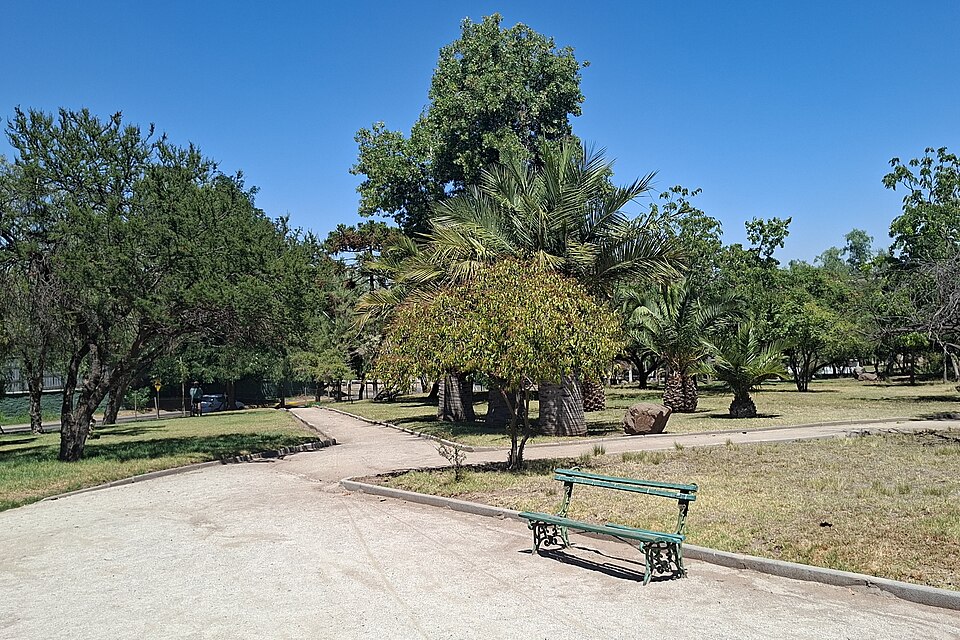
The park is situated in the eastern sector of Santiago, accessible from the metropolitan area. Public transportation options include Santiago's bus and metro systems, with connections requiring onward travel by bus, taxi, or rideshare to reach the park vicinity. Private vehicle access involves navigating toward the Macul or La Florida communes in the eastern foothills. Road conditions in the final approach may vary. Parking availability at or near the trailhead is not documented in sources. Visitors should plan for potential walking from the nearest public transit stop. Traffic congestion affects eastern Santiago routes during peak commuting hours.
Checked 2026-08-26
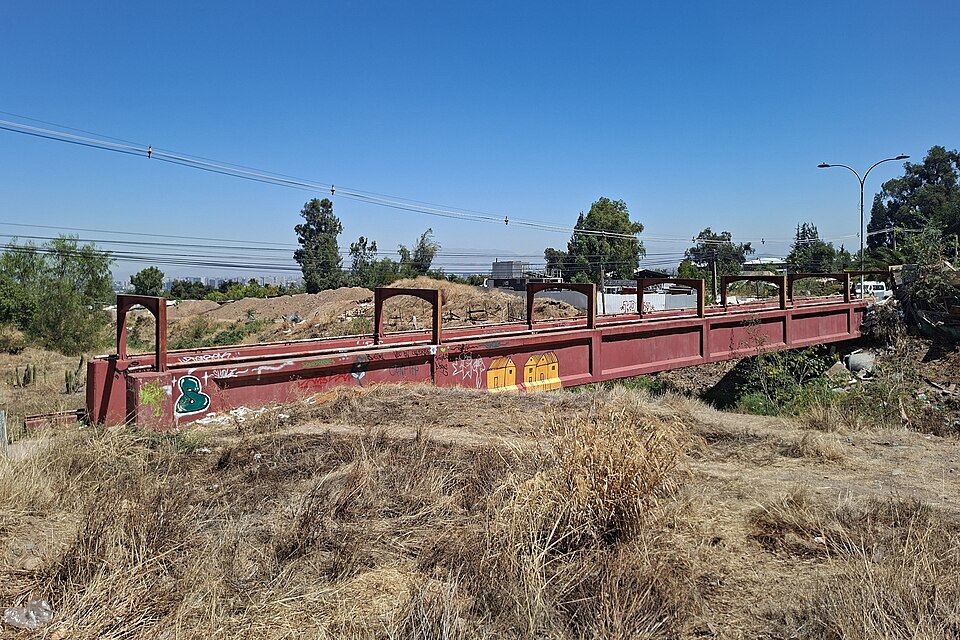
Trail conditions in natural ravine environments can deteriorate rapidly following rainfall, creating slippery surfaces and muddy sections. Steep terrain in portions of the trail network requires appropriate footwear with traction. Summer heat exposure poses dehydration and sunburn risks due to limited shade in some areas. Variable weather in the foothills may bring unexpected changes. Waterfall areas warrant caution regarding wet rocks and sudden flow increases. Visitors should carry adequate water, sun protection, and basic first aid supplies. Mobile phone coverage may be inconsistent in the ravine terrain. Informing others of intended route and expected return time represents prudent practice.
Checked 2026-08-26

The park offers photographic subjects including native vegetation, mountain vistas, and seasonal waterfalls. Morning and late afternoon light typically provides favorable conditions for landscape photography in the foothill environment. The contrast between urban Santiago and natural terrain may offer compositional interest from elevated viewpoints. Waterfall photography requires attention to safety when positioning near flowing water. Overcast conditions can reduce harsh shadows for vegetation detail work. Tripod use on uneven terrain demands stable footing. Seasonal variations significantly affect the visual character of the landscape, with spring growth and active waterfalls contrasting with drier summer conditions. Respecting trail boundaries preserves both safety and vegetation.
Checked 2026-08-26
The trail network accommodates various ability levels, though parents should assess individual trail conditions and children's hiking experience. Steep sections and seasonal mud may challenge younger visitors. Appropriate supervision is essential near waterfall areas.
Pet policies are Not recorded pending review. Visitors should verify current regulations before bringing animals, as Chilean natural areas vary in their approach to domestic animal access.
On-site water sources are Not recorded pending review. Visitors should carry sufficient water for their intended duration, particularly during warmer months when dehydration risk increases.
Post-rain visits are possible but require caution. Trails become slippery and muddy, waterfall flow increases, and access roads may be affected. Visitors should assess conditions and their own preparedness before proceeding.
Formal guided tour availability is Not recorded pending review. The park appears to function primarily as a self-guided hiking destination. Visitors seeking guided experiences should inquire with Santiago tourism services.
Sturdy hiking footwear with good traction is essential. Layered clothing accommodates variable foothill temperatures. Sun protection including hat and sunscreen is advisable year-round. Rain gear is prudent during wetter seasons.
Loading the interactive map…
The interactive map could not be loaded.
Last updated:
Source: OpenStreetMap contributors, Wikidata ·