
101 min walk
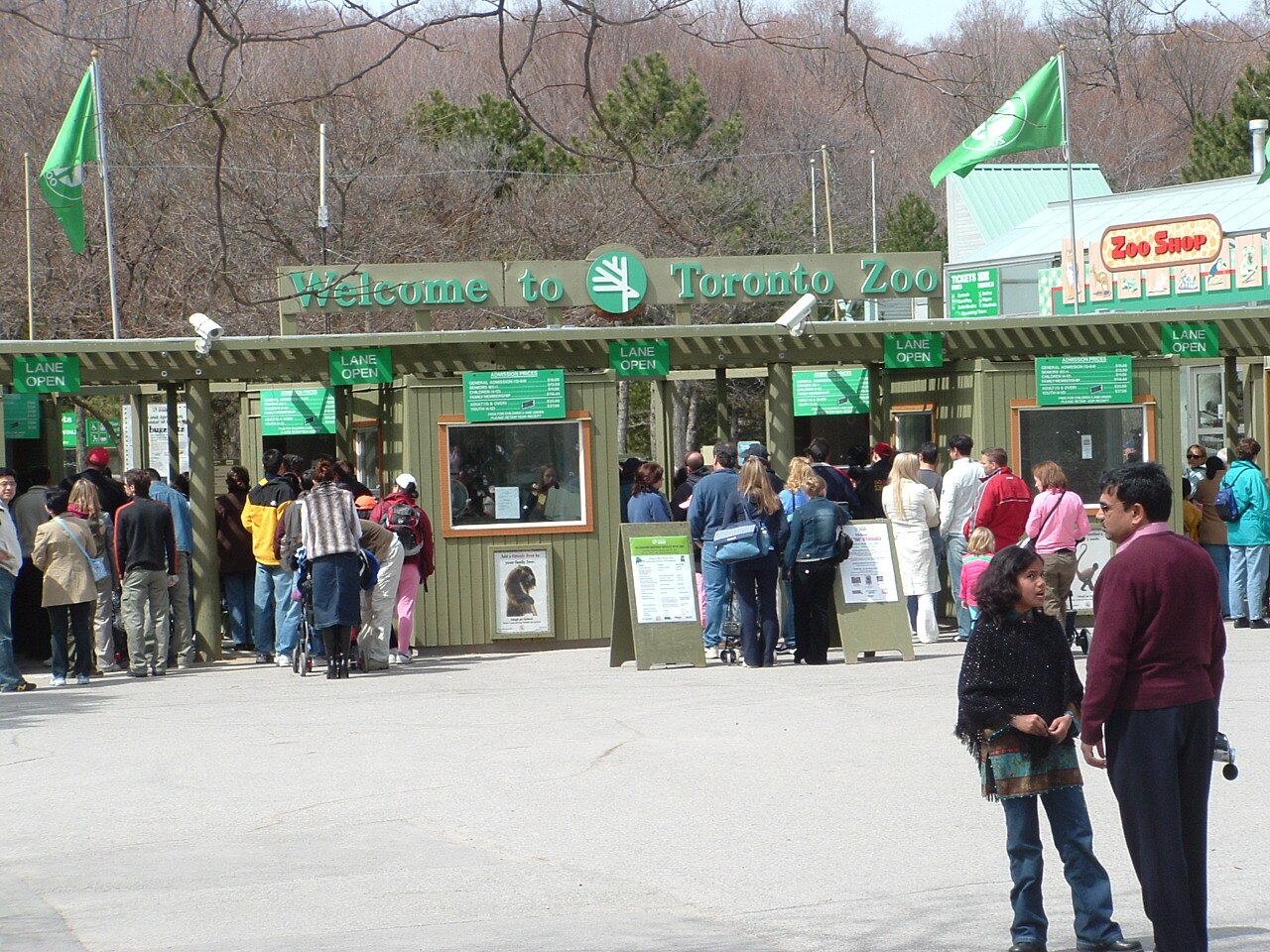
Toronto Zoo
- Must see
- Family attraction
Language · 11 published
Nature site · Toronto
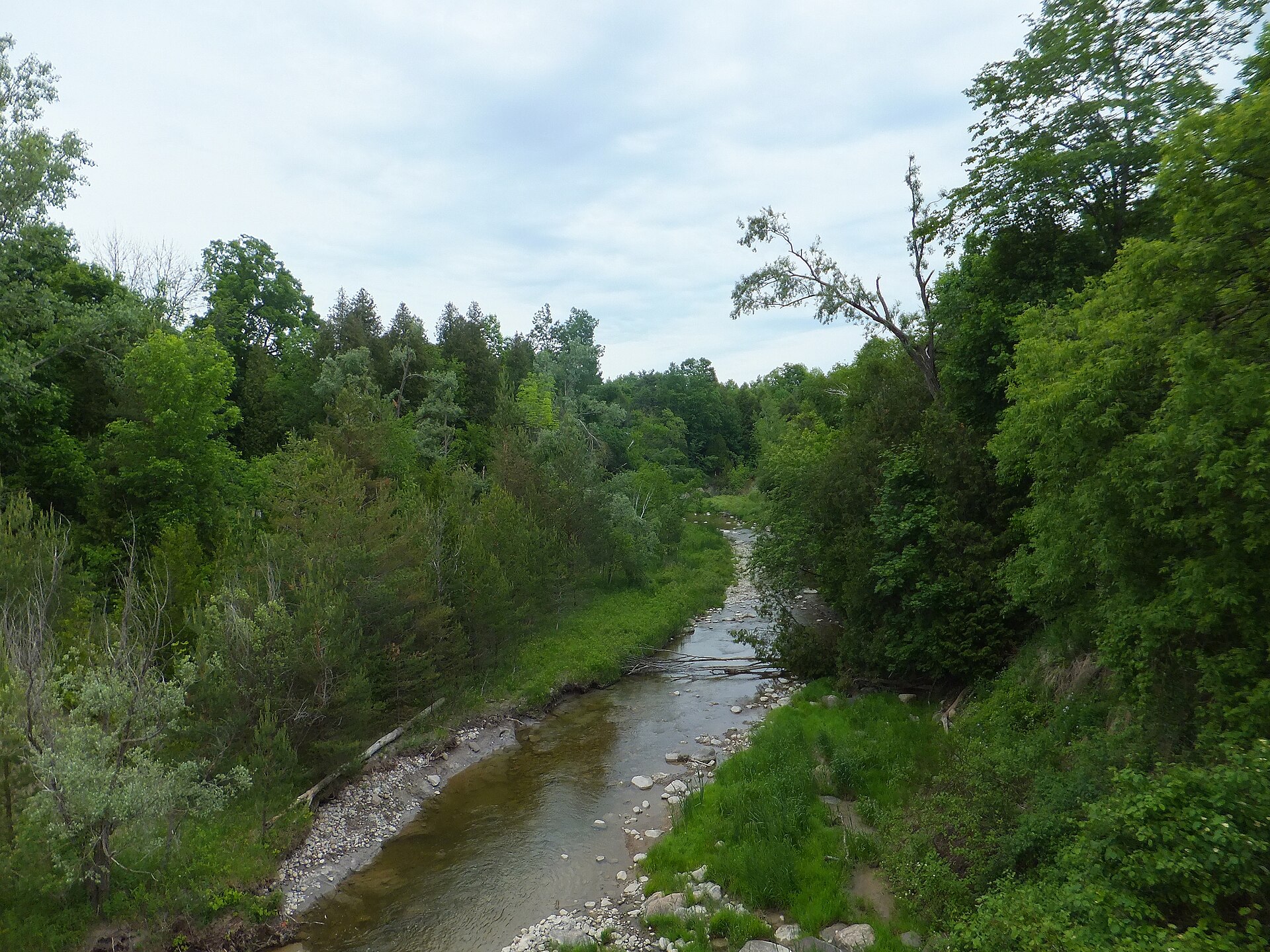
Rouge National Urban Park is Canada's first national urban park, established to protect natural, cultural, and agricultural landscapes within a major metropolitan area. It encompasses diverse ecosystems along the Rouge River watershed at Toronto's eastern edge, extending into neighbouring municipalities. The park represents a unique conservation model, integrating wilderness preservation with working farmland and recreational access. It is managed by Parks Canada. The area holds significance for Indigenous peoples, with archaeological evidence of human presence dating back thousands of years. The park's creation involved extensive land assembly and remains subject to ongoing boundary discussions.
Checked 2026-08-26
The park contains multiple distinct zones: the Rouge River and its tributaries, marshlands, forested areas, meadows, and Lake Ontario shoreline including a sandy beach. Agricultural lands remain active with farm operations. An extensive trail network provides pedestrian and cycling routes through varied terrain. The Rouge Marsh represents one of the largest remaining coastal wetlands in the region. Cultural heritage elements include historic farmsteads and Indigenous archaeological sites. Wildlife populations include deer, coyote, numerous bird species, and various fish in the river system. Seasonal wildflower displays and autumn foliage attract visitors. The landscape transitions between Carolinian forest and Great Lakes-St. Lawrence forest types.
Checked 2026-08-26
Visit duration depends entirely on chosen activities and access points. The park spans approximately 79 square kilometres with multiple non-contiguous sections. Casual exploration of a single trailhead or beach area may occupy one to two hours. Hiking a substantial trail section typically requires half a day. Multi-day exploration would be necessary to experience diverse zones. The Waterfront Trail and other routes permit extended cycling excursions. Beach visits are weather-dependent. Agricultural area access is limited to designated routes. No visitor centre with comprehensive orientation exists; self-directed exploration requires advance planning. Seasonal conditions significantly affect accessibility and travel times within the park.
Checked 2026-08-26
The park operates year-round with seasonal variations in accessibility and conditions. Spring brings migratory bird activity and wildflower emergence. Summer offers beach access and full trail usability. Autumn provides foliage colour and comfortable hiking temperatures. Winter permits snowshoeing and cross-country skiing where conditions allow, though some areas become inaccessible. Weather conditions on Lake Ontario affect shoreline activities. Mosquito populations are notable in marsh areas during warm months. Visitors should verify current conditions before travel, as flooding, agricultural operations, or maintenance may restrict specific areas without centralized notification system. Check the operator's own site for the travel date before relying on a schedule or fare.
Checked 2026-08-26
As a national park, entry to Rouge National Urban Park is generally without charge, consistent with Parks Canada policy for this category of protected area. No admission gates or fee stations operate at standard access points. Special programs or events may involve separate arrangements. Parking at some locations may be subject to municipal regulations rather than park fees. Visitors should not assume fee structures identical to other Parks Canada sites with entry charges. Donations to park-supporting organizations are voluntary. Commercial tour operators require permits. Backcountry camping, if available, would require specific authorization and possible fees. Check the operator's own site for the travel date before relying on a schedule or fare.
Checked 2026-08-26
The park occupies Toronto's eastern edge and extends into Pickering and Markham in Durham Region and York Region respectively. Multiple access points exist without centralized arrival infrastructure. Public transit reaches some peripheral locations; Toronto Transit Commission and GO Transit serve areas near park boundaries, though connections to specific trailheads require additional walking or cycling. Private vehicle access depends on destination within the park's dispersed geography. Major roads including Highway 401 and Kingston Road pass near portions of the park. Rouge Beach is accessible via Lawrence Avenue East and Waterfront Road. Detailed route planning to specific access points is essential given the park's non-contiguous nature.
Checked 2026-08-26
Tick populations exist in grassy and wooded areas; appropriate precautions are advisable. Poison ivy occurs throughout natural zones. Lake Ontario water quality for swimming varies; beach postings should be observed. River currents and shoreline conditions require respect. Agricultural equipment may operate on working farms with public access routes nearby. Unpaved trails become muddy after precipitation. Wildlife encounters, while generally benign, require appropriate distance maintenance. Cellular coverage is inconsistent across the large area. No comprehensive emergency services presence exists within park boundaries. Weather changes rapidly near the lake. Visitors should carry supplies as facilities are minimal and widely separated.
Checked 2026-08-26
The park offers diverse photographic subjects: river valley vistas, marsh landscapes, Lake Ontario shoreline and beach scenes, agricultural settings, forest interiors, and wildlife. Early morning and late evening provide optimal lighting for landscape work. Bird photography opportunities concentrate near wetlands during migration periods. Seasonal variations present distinct visual character. The Toronto skyline is visible from certain elevated positions, offering urban-nature juxtaposition. Farm buildings and heritage structures require respectful distance. Tripod use on trails should not obstruct passage. Drone operation falls under Parks Canada regulations and requires permit. Commercial photography requires authorization. No dedicated viewing platforms exist; photographers work from trails and designated access points.
Checked 2026-08-26
No. While it borders Toronto's eastern edge, the park extends into Pickering and Markham in neighbouring Durham Region and York Region respectively.
Check the operator's own site for the travel date before relying on a schedule or fare.
A sandy beach exists on Lake Ontario, but water quality conditions vary and any postings should be observed.
Not recorded. The park's status as an urban park with working agricultural lands suggests limited or no traditional camping infrastructure.
The park is non-contiguous with multiple separate zones. Visitors must identify their desired activity and plan routes to specific access points accordingly.
Partially. Transit serves areas near some boundaries, but reaching specific trailheads typically requires additional walking or cycling from stops.
Loading the interactive map…
The interactive map could not be loaded.

Last updated:
Source: OpenStreetMap contributors, Wikidata ·