.jpg)

.jpg)


4 min walk
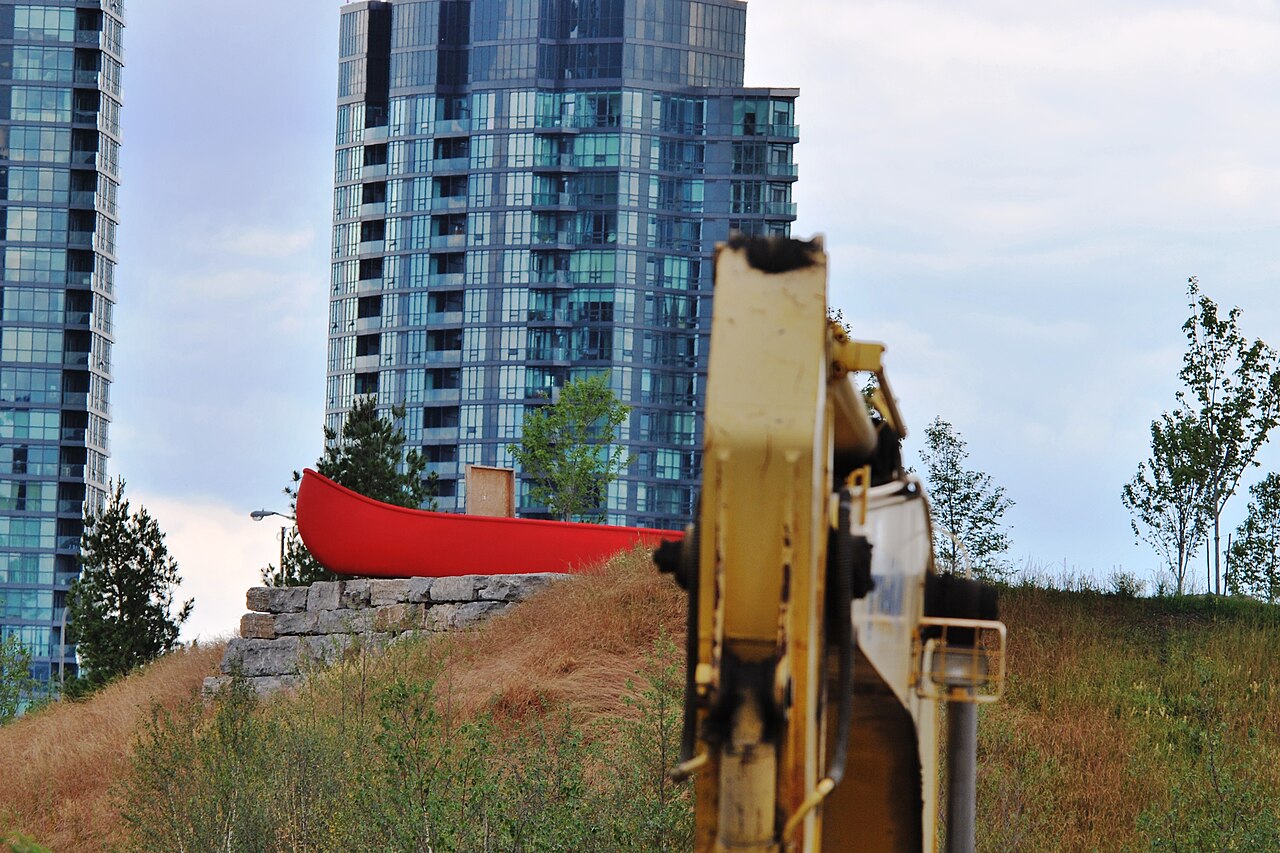
Canoe Landing Park
- Must see
- Nature site
Language · 1 published
Nature site · Toronto
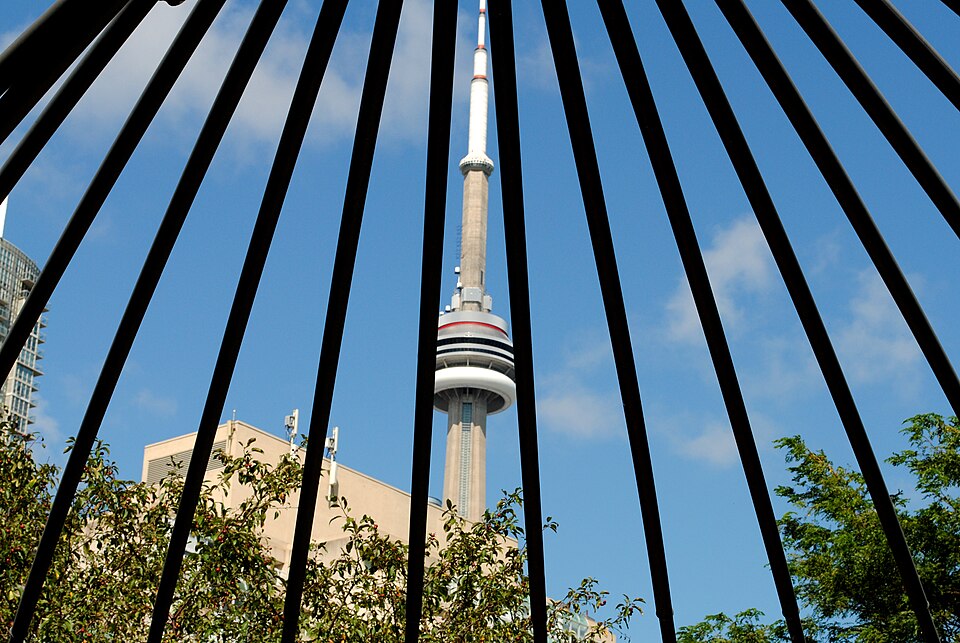
Toronto Music Garden is a waterfront public garden on the shores of Lake Ontario. It was designed in collaboration with cellist Yo-Yo Ma to interpret Johann Sebastian Bach's First Cello Suite through landscape architecture. The garden translates musical movements into physical spaces, creating six distinct sections that correspond to the suite's six movements. It represents an unusual fusion of classical music and horticultural design, offering visitors an experiential connection between sound and nature in an urban waterfront setting.
Checked 2026-08-26
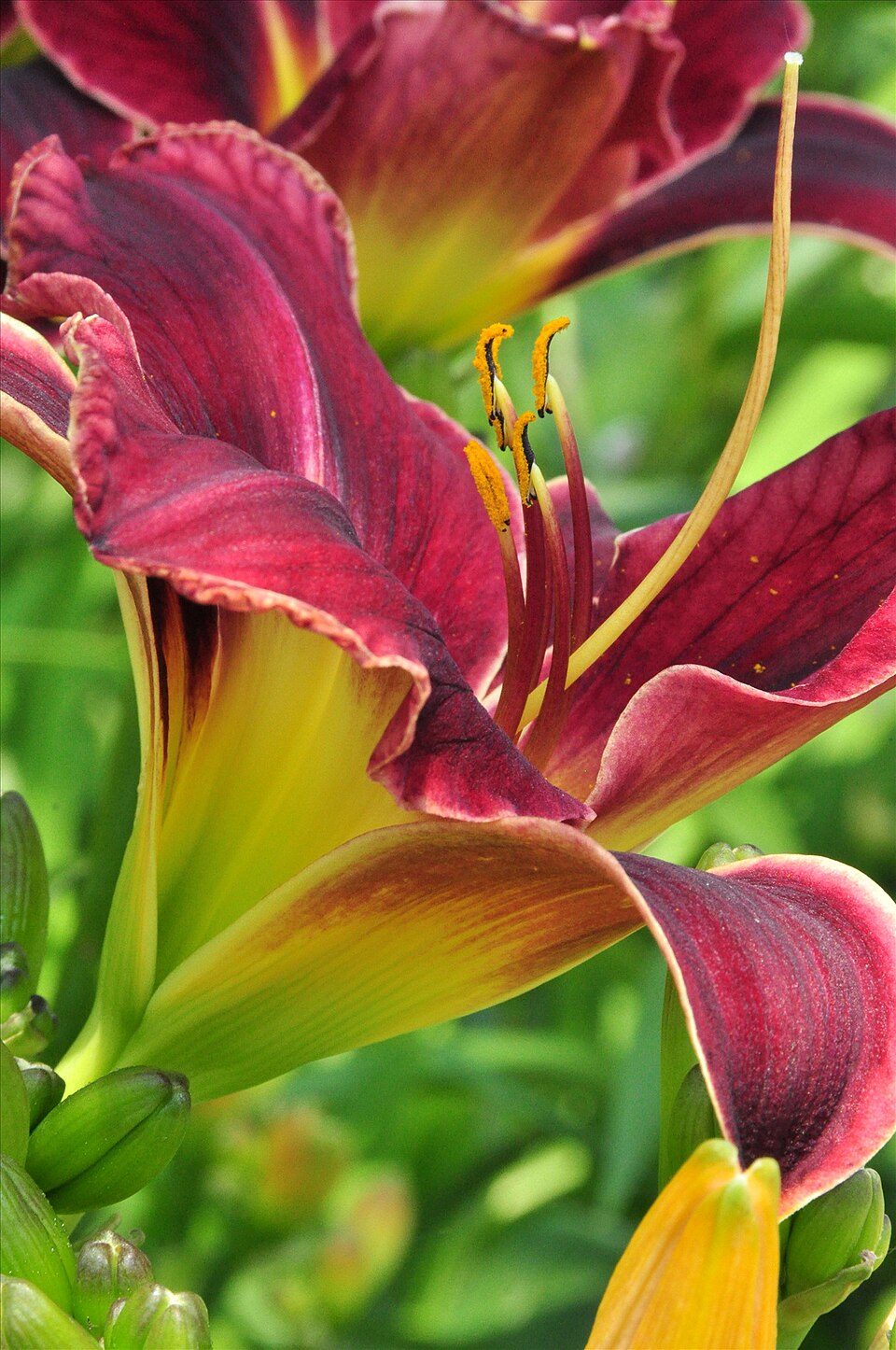
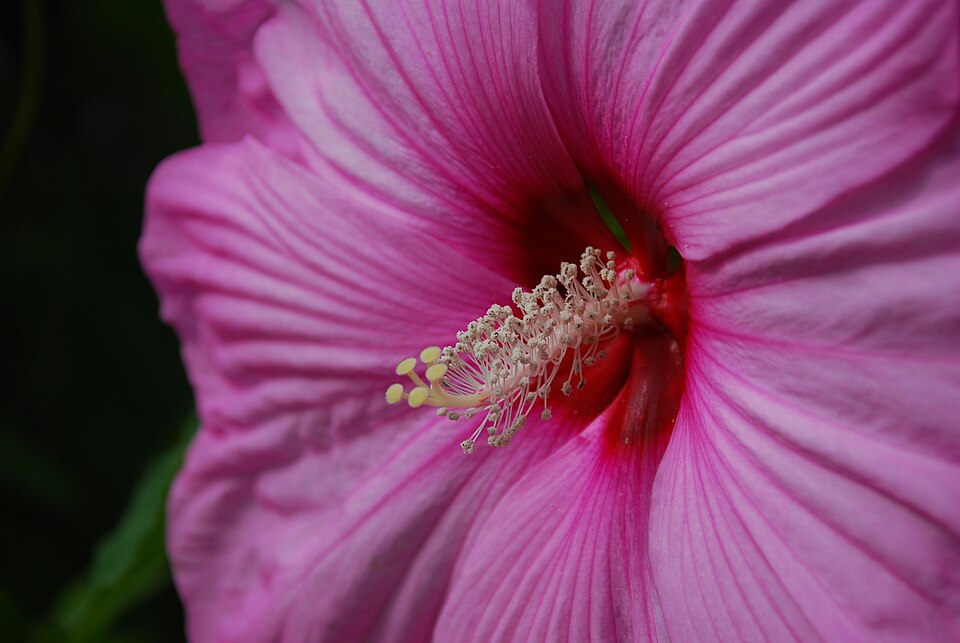
The garden contains six sections named after movements of Bach's suite: Prelude, Allemande, Courante, Sarabande, Menuett, and Gigue. Each section features distinct landscaping, plantings, and terrain reflecting its musical counterpart. The Prelude contains swirling paths through silver-leafed plants. The Allemande offers a birch forest. The Courante holds an upward path through wildflowers. The Sarabande provides an evergreen grove. The Menuett presents a formal flower garden. The Gigue contains giant grass steps in amphitheatre form. Toronto Music Garden also earns time in a toronto itinerary because Waterfront garden designed from Bach's First Cello Suite, combining landscape and music interpretation; no production Toronto POI exists for exact matching. Its value becomes clearer when the stop is compared with the surrounding streets and the other ranked places nearby.
Checked 2026-08-26

Visitors typically spend between thirty minutes and one hour exploring the garden's full length. The experience varies considerably depending on interest in the musical-landscape concept, photography, and simple relaxation by the waterfront. Those wishing to contemplate each section's design connection to Bach's composition may stay longer. The garden suits brief stops during waterfront walks as well as dedicated visits. Picnicking and leisurely reading extend typical durations. Seasonal changes in plantings encourage repeat visits throughout the year.
Checked 2026-08-26
Operator-confirmed hours are Not recorded pending review. The garden operates as a public park space, generally accessible during daylight periods. Summer months offer fullest plant displays and most comfortable waterfront conditions. Spring and autumn provide milder temperatures with variable flowering. Winter accessibility depends on snow conditions and maintenance practices not specified in available sources. Visitors should verify current status before planning dedicated trips. Summer concert programming historically occurs but specific schedules are Not recorded pending review. Weather protection is minimal throughout the garden.
Checked 2026-08-26
Operator-confirmed prices are Not recorded pending review. As a municipal public garden, access is typically free of charge. No admission infrastructure is visible in available documentation. Special events or concerts may occasionally involve ticketing through separate presenters, but regular garden visitation requires no payment. Visitors should confirm current policies before visiting, as municipal funding changes could theoretically alter access models. No membership or advance booking systems are documented for standard garden entry. Donation mechanisms, if present, are voluntary rather than required.
Checked 2026-08-26

The garden sits on Toronto's central waterfront, south of the Queens Quay thoroughfare. It lies west of Bathurst Street and east of Spadina Avenue. Public transit access includes streetcar routes along Queens Quay with walking connections southward. The Waterfront Trail passes directly through the site, accommodating pedestrians and cyclists. Nearby parking exists in surface lots and underground facilities serving the harbourfront district. The garden's specific location within the broader waterfront park system requires attention to avoid confusion with adjacent green spaces. Signage directs visitors from major pathways.
Checked 2026-08-26
The garden lacks substantial shelter from weather exposure along the lakeshore. Wind conditions can exceed inland expectations significantly. Amphitheatre grass steps may become slippery when wet. Water access points require caution with children. Evening lighting appears limited based on park character. Winter ice and snow management practices are not documented. The musical design concept may disappoint visitors expecting active sound rather than landscape interpretation. Nearby construction or event infrastructure occasionally impacts access routes. Personal belongings warrant attention in this open public space without dedicated security presence.
Checked 2026-08-26
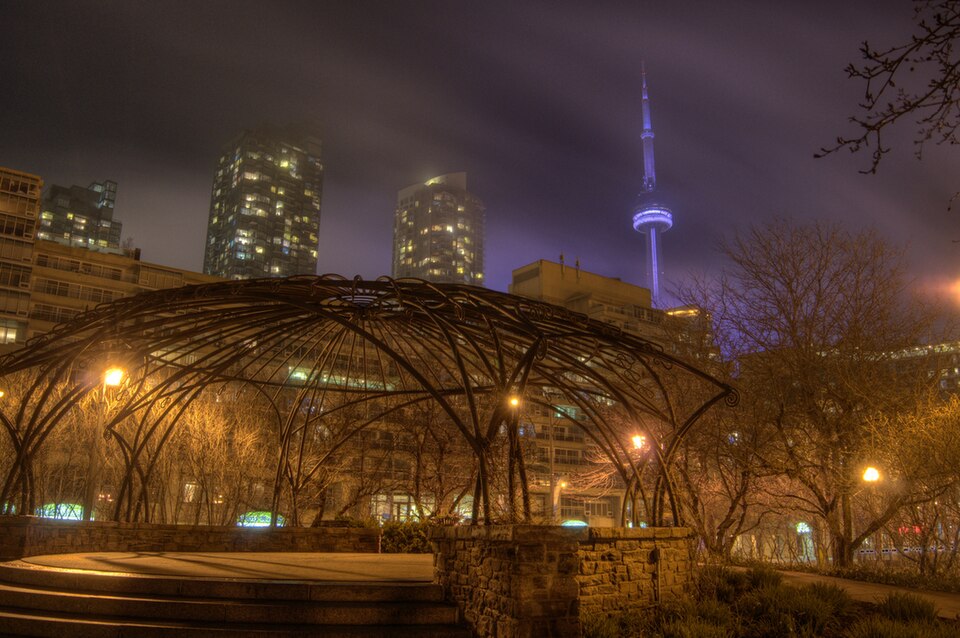
The garden permits photography as a public outdoor space. The amphitheatre steps and curved pathways offer strong geometric compositions. Lake Ontario provides backdrop possibilities to the south. Morning and evening light creates shadows that emphasise the designed terrain. The six distinct sections yield varied photographic subjects across seasons. Tripod use may attract attention in this public space though no specific restrictions are documented. Drone operation would require compliance with municipal and Transport Canada regulations beyond garden-specific rules. Commercial photography permits, if required for organised shoots, are Not recorded pending review.
Checked 2026-08-26
Not recorded. The garden interprets Bach's First Cello Suite through landscape design rather than continuous audio playback. Historical summer concert programming has occurred but current schedules are not documented.
The garden's public park character suggests picnicking is permissible, but specific regulations are Not recorded pending review. Visitors should observe posted restrictions and maintain cleanliness.
Not recorded. The terrain includes grass steps and winding paths with varied elevation. Visitors requiring level surfaces should inspect route options upon arrival or seek updated accessibility information.
Not recorded. As municipal parkland, standard Toronto leash laws likely apply, but specific garden policies are not documented. Visitors should observe posted signage.
Not recorded. No dedicated facilities are mentioned in available sources. Nearby waterfront infrastructure may offer alternatives, but locations and hours are Not recorded pending review.
Not recorded. Municipal permit requirements for private events in Toronto parks apply generally, but specific garden policies and reservation procedures are not documented in available sources.
Loading the interactive map…
The interactive map could not be loaded.


Last updated:
Source: OpenStreetMap contributors, Wikidata ·