.jpg)
.jpg)
.jpg)

52 min walk
Scarborough Bluffs
- Must see
- Viewpoint
Language · 11 published
Nature site · Toronto
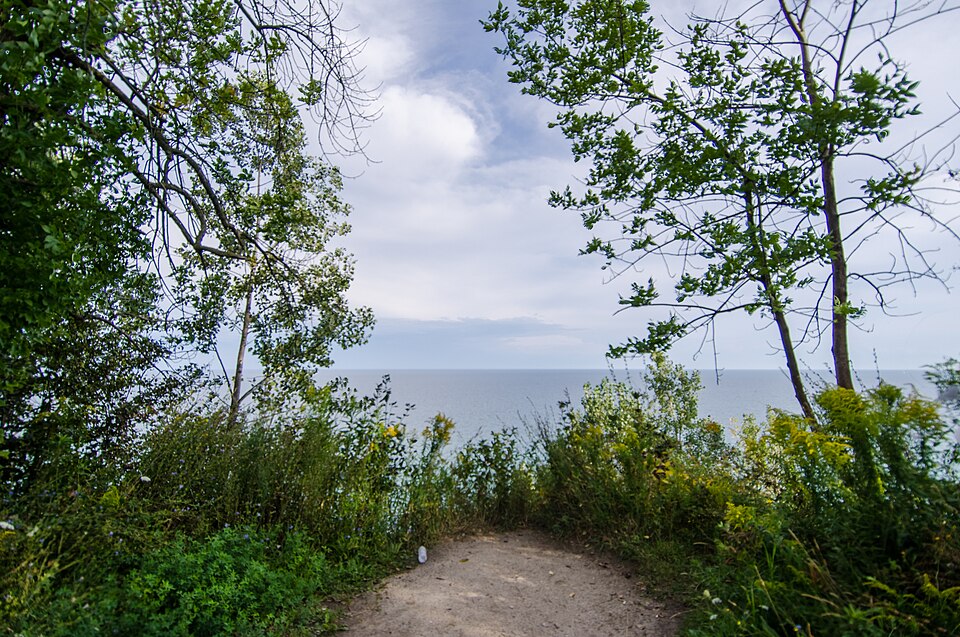
Guild Park and Gardens is a public park in the Scarborough district of Toronto, Ontario. The park occupies the grounds of the former Guild Inn, a historic artists' colony and hotel that operated from the 1930s until 2001. The property is notable for preserving architectural fragments salvaged from demolished Toronto buildings, which were incorporated into the landscape as decorative elements. The park offers green space, walking trails, and views of Lake Ontario from the Scarborough Bluffs area.
Checked 2026-08-26
The park contains numerous architectural fragments and sculptures arranged throughout its grounds, including columns, facades, and decorative stonework from demolished nineteenth and early twentieth-century Toronto structures. The remaining portions of the Guild Inn building complex stand on the site. Gardens and landscaped areas surround these features. Lake Ontario shoreline access and bluff-top vantage points provide scenic overlooks. Walking paths connect the various elements. The collection of architectural remnants constitutes an open-air museum of salvaged heritage material. Guild Park and Gardens also earns time in a toronto itinerary because Scarborough park retaining architectural fragments from the former Guild Inn; no production Toronto POI exists for exact matching. Its value becomes clearer when the stop is compared with the surrounding streets and the other ranked places nearby.
Checked 2026-08-26
A thorough visit to Guild Park and Gardens typically requires between one and two hours. This duration allows visitors to walk the grounds, examine the architectural fragments at a measured pace, and appreciate the lakeside setting. Those with particular interest in architectural history or photography may wish to extend their stay. The park's terrain includes some elevation changes near the bluff edge. Visitors should wear appropriate footwear for unpaved and potentially uneven pathways throughout the property.
Checked 2026-08-26

The park operates as public green space. Operator-confirmed hours are Not recorded pending review. Visitors should verify current accessibility before travelling, as municipal park hours may vary seasonally or be subject to unannounced changes. Daylight hours offer optimal conditions for viewing the architectural fragments and lake views. Weather conditions affect trail conditions, particularly after precipitation. Winter visits may encounter snow-covered or icy paths. Spring through autumn generally provides the most comfortable conditions for extended outdoor exploration of the grounds.
Checked 2026-08-26
Guild Park and Gardens functions as a public park. Operator-confirmed prices are Not recorded pending review. Municipal parks in Toronto typically do not charge admission fees, though visitors should confirm current status independently. Any special event programming or facility rentals may involve separate arrangements. Parking availability and associated regulations should be verified through official Toronto sources. Visitors are advised to check the City of Toronto website or contact relevant municipal departments for authoritative information regarding any fees, permits, or access restrictions that may apply.
Checked 2026-08-26
The park is located in the Scarborough district of Toronto. Public transit access involves Toronto Transit Commission bus routes serving the area, with walking required from stops to the park entrance. Private vehicle access uses local roads; parking situation should be verified through official sources. The park's specific address and precise entrance locations should be confirmed before departure. Cyclists may find routes challenging due to distance from central Toronto and topography. Visitors from outside the immediate area should plan transit connections carefully, as Scarborough lies east of Toronto's downtown core.
Checked 2026-08-26
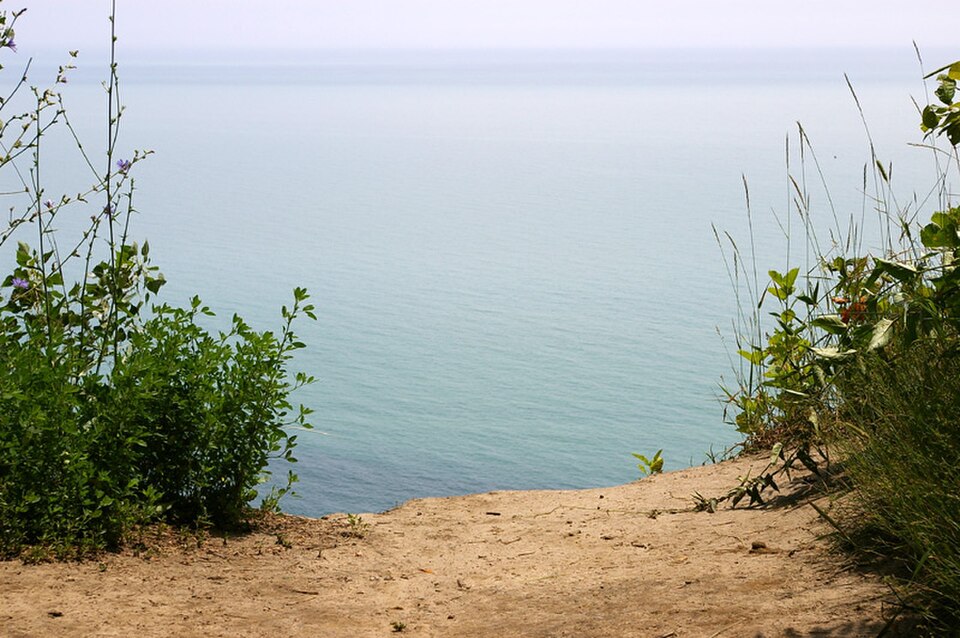
The Scarborough Bluffs present inherent geological hazards; visitors should remain on designated paths and observe any posted warnings regarding edge proximity. Uneven ground and unpaved surfaces require attention to footing. Architectural fragments may have aged or weathered conditions; climbing or handling is inadvisable. Weather exposure is significant given lakeside location and limited shelter. Seasonal conditions including ice, mud, or overgrown vegetation may affect accessibility. Wildlife encounters are possible in this naturalized setting. Visitors should carry water and basic supplies, as commercial services are not available within the park grounds.
Checked 2026-08-26
The architectural fragments provide distinctive subjects for photography, with varied textures, historical character, and garden integration. Lake Ontario and bluff-top perspectives offer landscape opportunities, particularly during clear conditions. Morning and late afternoon light may enhance dimensional qualities of the stonework. The juxtaposition of heritage material against natural surroundings creates compositional interest. Tripod use should respect pathway access for other visitors. Drone operation would require compliance with municipal regulations and Transport Canada requirements. Weather-protective equipment is advisable given exposed conditions near the waterfront.
Checked 2026-08-26
No. The Guild Inn ceased operating as a hotel in 2001. Remaining portions of the building complex stand on the site, but the property functions as a public park rather than hospitality accommodation.
Climbing or handling the architectural fragments is inadvisable. These elements have aged and weathered conditions, and preservation of the collection depends on respectful visitor conduct.
Not recorded. Visitors should not rely on commercial services or facilities being available within the park grounds and should plan accordingly.
The park contains unpaved paths and elevation changes near the bluff area. Accessibility conditions are variable, and visitors with mobility considerations should assess current path conditions independently.
Some fragments originate from specific demolished Toronto buildings, though comprehensive on-site identification signage is not confirmed. Visitors interested in detailed provenance should consult historical documentation or specialized architectural history resources.
Not recorded. Water access conditions, safety provisions, and permitted activities at the shoreline should be verified through official Toronto sources before attempting any water entry.
Loading the interactive map…
The interactive map could not be loaded.
Last updated:
Source: OpenStreetMap contributors ·