
.jpeg)


3 min walk
St. Bonaventure Catholic School
- Notable
- Place of worship
Language · 11 published
Nature site · Toronto
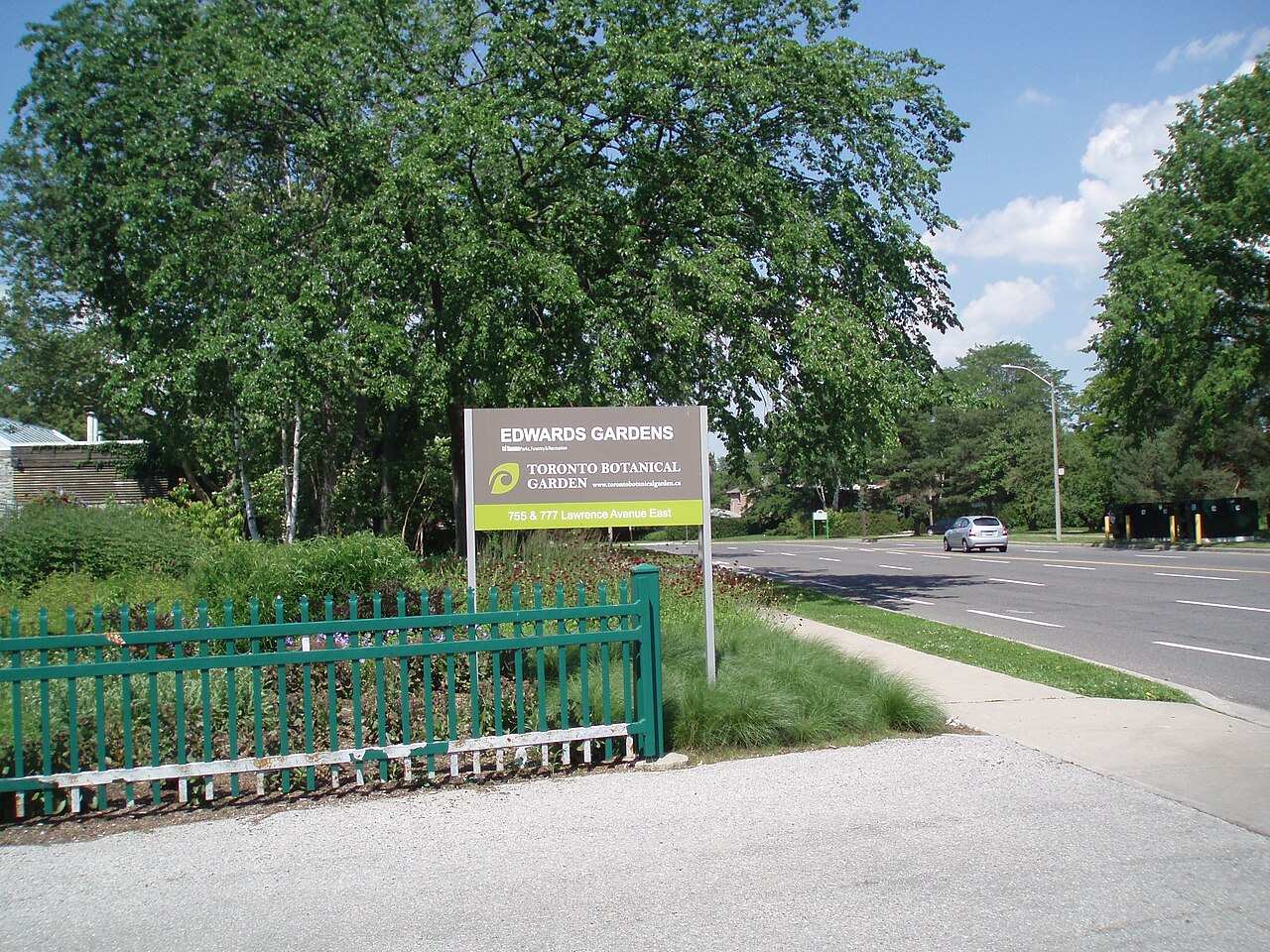
The Toronto Botanical Garden is a major public garden complex located in Toronto, Ontario, Canada. It occupies a significant site beside Edwards Gardens, forming part of an important horticultural destination in the city's northeastern area. The garden serves as a cultural and educational institution focused on plant knowledge, conservation, and public enjoyment. Its position adjacent to Edwards Gardens creates an extended green space experience for visitors. The botanical garden operates as a nonprofit organization dedicated to connecting people with plants and the natural world through diverse programming and garden displays.
Checked 2026-08-26
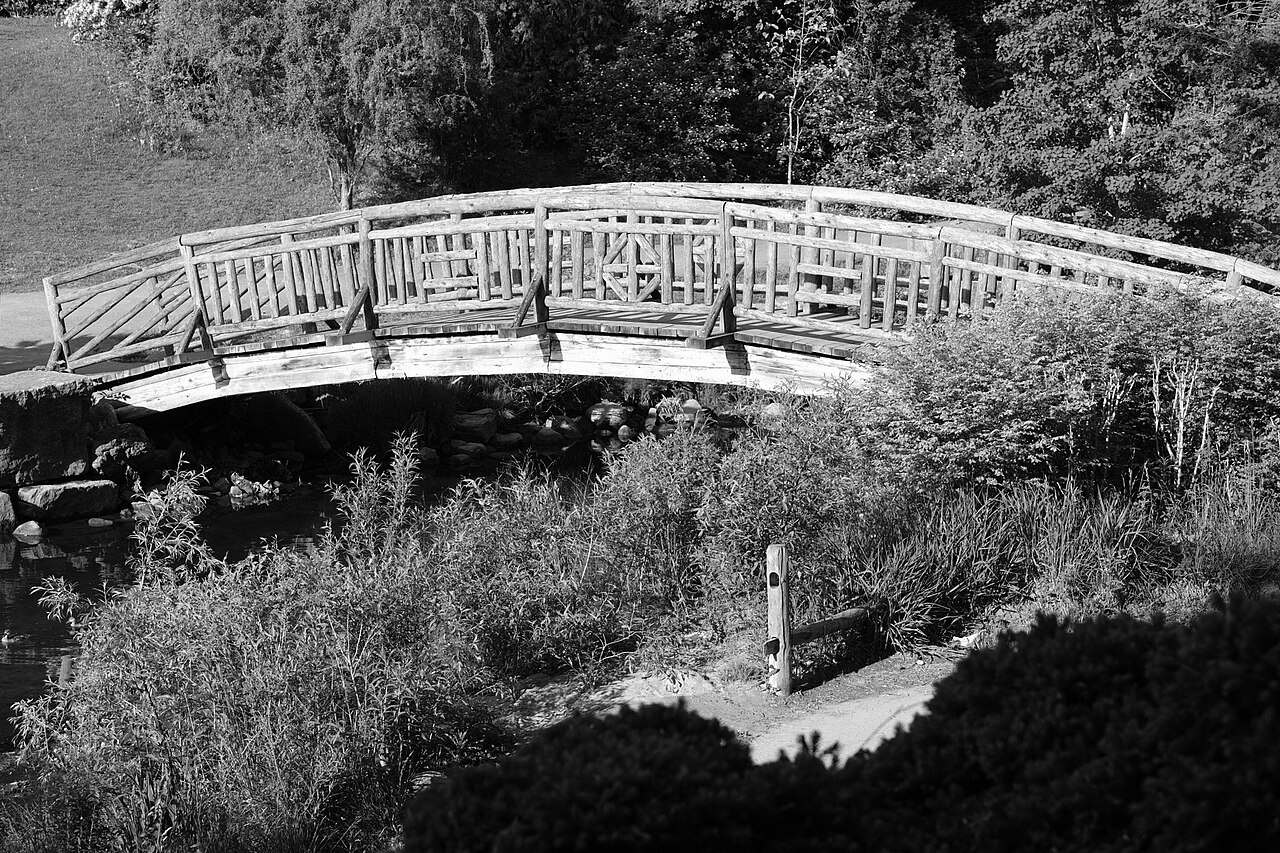
The Toronto Botanical Garden features multiple themed gardens designed for different purposes and aesthetic experiences. These include ornamental displays, educational plantings, and spaces for horticultural demonstration. The complex contains facilities supporting its educational mission, including areas for workshops and public programs. Water features and structured landscape elements appear throughout the grounds. The adjacent Edwards Gardens provides additional woodland and perennial garden areas extending the visitor experience. Seasonal plantings ensure changing visual interest. The garden infrastructure supports both passive enjoyment and active learning about horticulture, ecology, and sustainable gardening practices relevant to the Toronto climate.
Checked 2026-08-26
Visitors typically spend between one and three hours exploring the Toronto Botanical Garden and its immediate surroundings. Those combining their visit with adjacent Edwards Gardens may extend their stay to a half day. The duration depends on individual interest in detailed plant observation versus casual walking. Photography enthusiasts and gardening students often remain longer for careful study. Families with children may complete a quicker circuit of main attractions. The compact yet diverse layout allows flexible pacing. Repeat visitors gain deeper appreciation through seasonal returns, as different plants dominate throughout the growing season, creating essentially new experiences each visit.
Checked 2026-08-26

The Toronto Botanical Garden offers different experiences across seasons, with peak floral displays typically occurring during spring and summer months. Autumn brings changing foliage colors, while winter presents structural garden elements and potential snow-covered landscapes. Specific blooming periods for individual plant collections vary annually based on weather conditions. Indoor programming may continue during colder months. Visitors should consult official channels before planning visits, particularly for early morning or evening access. Seasonal events and educational programs follow their own schedules. Weather-appropriate clothing is advisable as much of the experience occurs outdoors in exposed conditions. Check the operator's own site for the travel date before relying on a schedule or fare.
Checked 2026-08-26
The Toronto Botanical Garden operates with admission policies that visitors should verify directly through official sources. Some botanical gardens maintain free general admission with charges for special events or programs. Donation requests may support nonprofit operations. Membership programs typically offer benefits for frequent visitors. Special exhibitions, workshops, or private facility rentals involve separate arrangements. Visitors should not rely on unofficial information regarding current admission structures. Group rates, educational discounts, or promotional periods may apply under specific circumstances. Contacting the garden directly or checking their official website provides the only reliable method for understanding financial obligations before arrival. Check the operator's own site for the travel date before relying on a schedule or fare.
Checked 2026-08-26
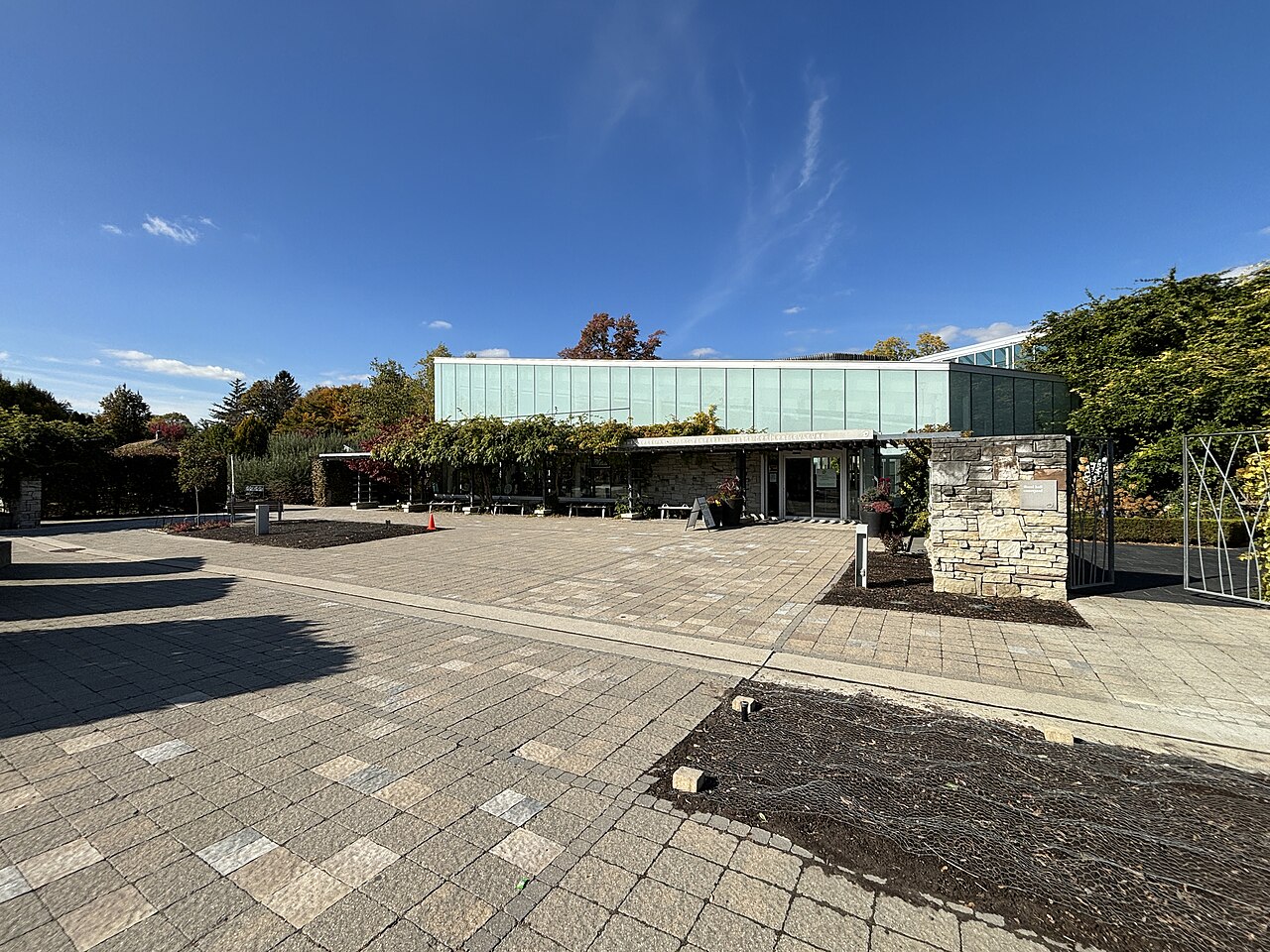
The Toronto Botanical Garden occupies a location in northeastern Toronto accessible by multiple transportation methods. Private vehicle travel involves navigating suburban streets with parking considerations visitors should investigate beforehand. Public transit connections exist through Toronto's bus network, though specific routes and walking distances require current schedule verification. The garden's position relative to major roads including Lawrence Avenue and Leslie Street provides orientation reference points. Cyclists may find route options depending on origin point and comfort with urban cycling infrastructure. Visitors from outside Toronto should coordinate arrival with broader city navigation plans, as the location sits removed from downtown core attractions by significant distance.
Checked 2026-08-26
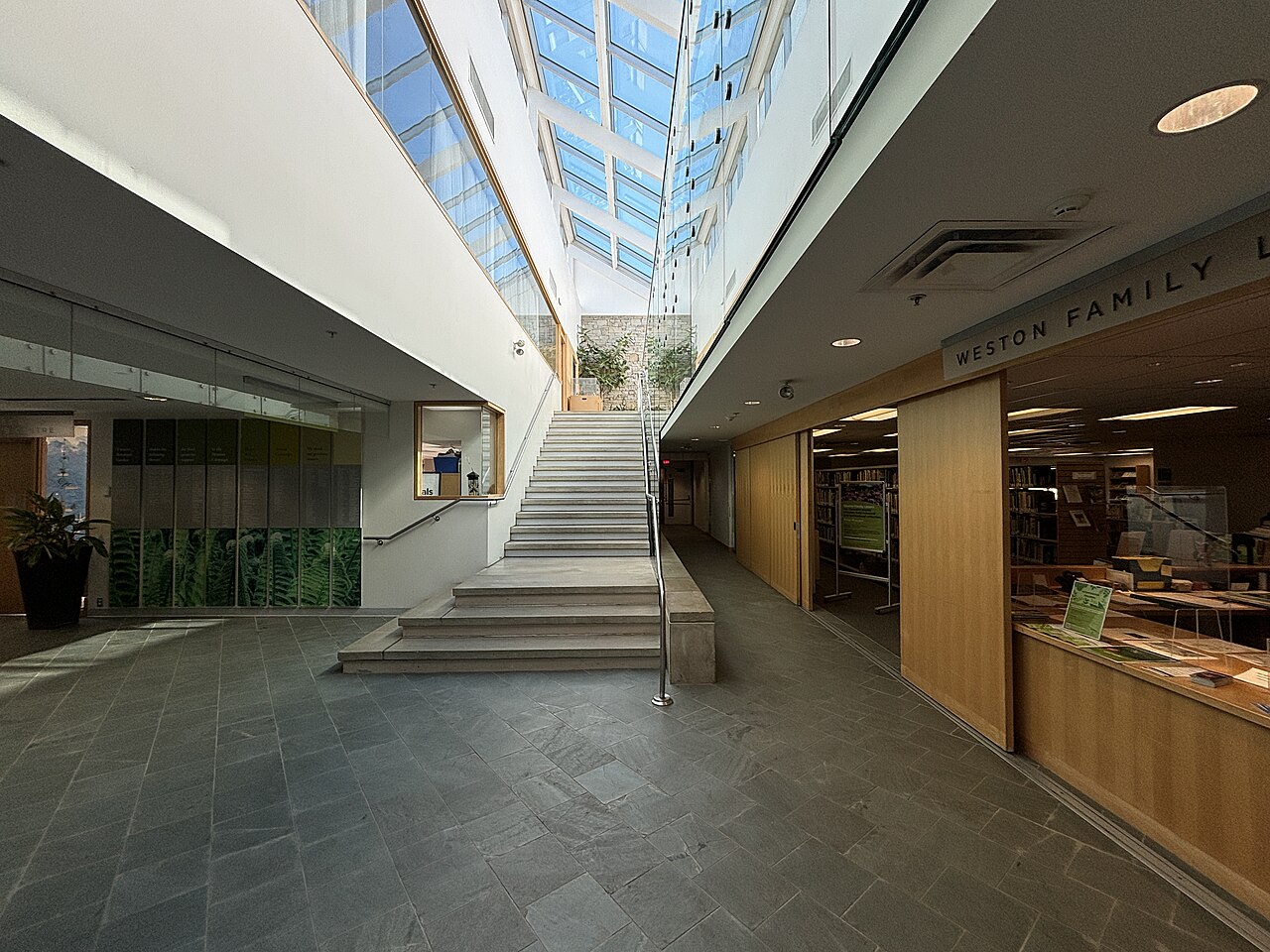
Visitors should prepare for predominantly outdoor conditions with limited weather protection across garden areas. Appropriate footwear for varied path surfaces, including potentially uneven or wet ground, supports comfortable exploration. Sun exposure is considerable during summer months, requiring protection measures. The garden's naturalistic plantings may attract pollinating insects including bees; visitors with relevant allergies should carry necessary precautions. Water features present standard safety considerations for children requiring supervision. Seasonal maintenance activities may temporarily restrict access to specific garden sections. Photography and plant collection policies should be respected. Adjacent road traffic requires awareness when entering or exiting the site on foot.
Checked 2026-08-26

The Toronto Botanical Garden presents substantial photography opportunities across its diverse landscape compositions. Themed gardens offer structured framing possibilities with intentional plant arrangements. Water features provide reflective elements and movement capture potential. Seasonal variations dramatically alter photographic subjects throughout the year, from spring bulb displays through summer perennial abundance to autumn color transitions. Morning and evening light quality differs significantly for outdoor garden photography. Tripod policies and commercial photography permissions should be verified with staff. The adjacent Edwards Gardens expands options with woodland and more naturalistic settings. Close-up botanical detail work and wide landscape compositions both find suitable subjects within the combined garden complex.
Checked 2026-08-26
No. The Toronto Botanical Garden and Edwards Gardens are distinct but adjacent properties. They share a border and visitors often experience both together, though they operate under separate management structures.
The outdoor gardens exist year-round, but visitor services and accessibility vary seasonally. Specific operational schedules for any given period are Not recorded pending review of official sources.
Pet policies are Not recorded pending review. Visitors should consult official garden communications before bringing animals, as botanical gardens commonly restrict pets to protect plant collections.
Path surfaces and terrain variations exist throughout the grounds. Specific accessibility accommodations are Not recorded pending review. Direct inquiry to the garden is recommended for individual needs assessment.
Plant sales availability is Not recorded pending review. Many botanical gardens operate seasonal plant sales or partner with horticultural vendors, but specific current offerings require verification.
Educational programming including tours may be available. Specific current tour schedules, languages offered, and reservation requirements are Not recorded pending review of official garden communications.
Loading the interactive map…
The interactive map could not be loaded.


Last updated:
Source: OpenStreetMap contributors, Wikidata ·