.jpg)


3 min walk
Henry-Stuart House
- Must see · Heritage site
- Historic monument
Language · 11 published
Place of worship · Quebec City
Église Saint-Dominique

Église Saint-Dominique is a Dominican parish church on Grande Allée in Québec City. Its character comes from the meeting of active religious use and a prominent urban address: the church forms part of the avenue’s sequence of civic, cultural, and architectural landmarks. For visitors, it is best understood as a place of worship encountered within the city rather than as a museum with a permanent sightseeing programme. The Grande Allée frontage gives the church a visible place in Québec City’s streetscape, while its parish identity determines how the interior should be approached. It works particularly well as a brief cultural stop during a walk through Upper Town.
Checked 2026-09-02 · Source
Inside, visitors encounter a Catholic worship space arranged for communal religious life. The useful features to notice are the pews, altar, devotional imagery, and the atmosphere created by a room intended for prayer and services rather than display cases. The interior is experienced through its arrangement, scale, light, and quiet devotional character. Église Saint-Dominique is not presented as a museum circuit with interpretive panels or a prescribed route, so visitors should observe the space as a functioning Dominican parish. Enter quietly, remain aware of worshippers, and let the church’s religious purpose guide the visit.
Checked 2026-09-02 · Source

An exterior stop takes only a few minutes and fits easily into a walk along Grande Allée. If entry is possible and parish activity permits, allow roughly 10 to 20 minutes for a brief interior visit: enough time to orient yourself, observe the worship space, and leave without turning a parish into a scheduled attraction. The church does not need a half-day allocation. Its natural role is a short, respectful stop linked to nearby Upper Town and Parliament Hill walks. Travellers with a flexible itinerary can decide on the spot whether to continue inside or simply appreciate the frontage.
Checked 2026-09-02 · Source
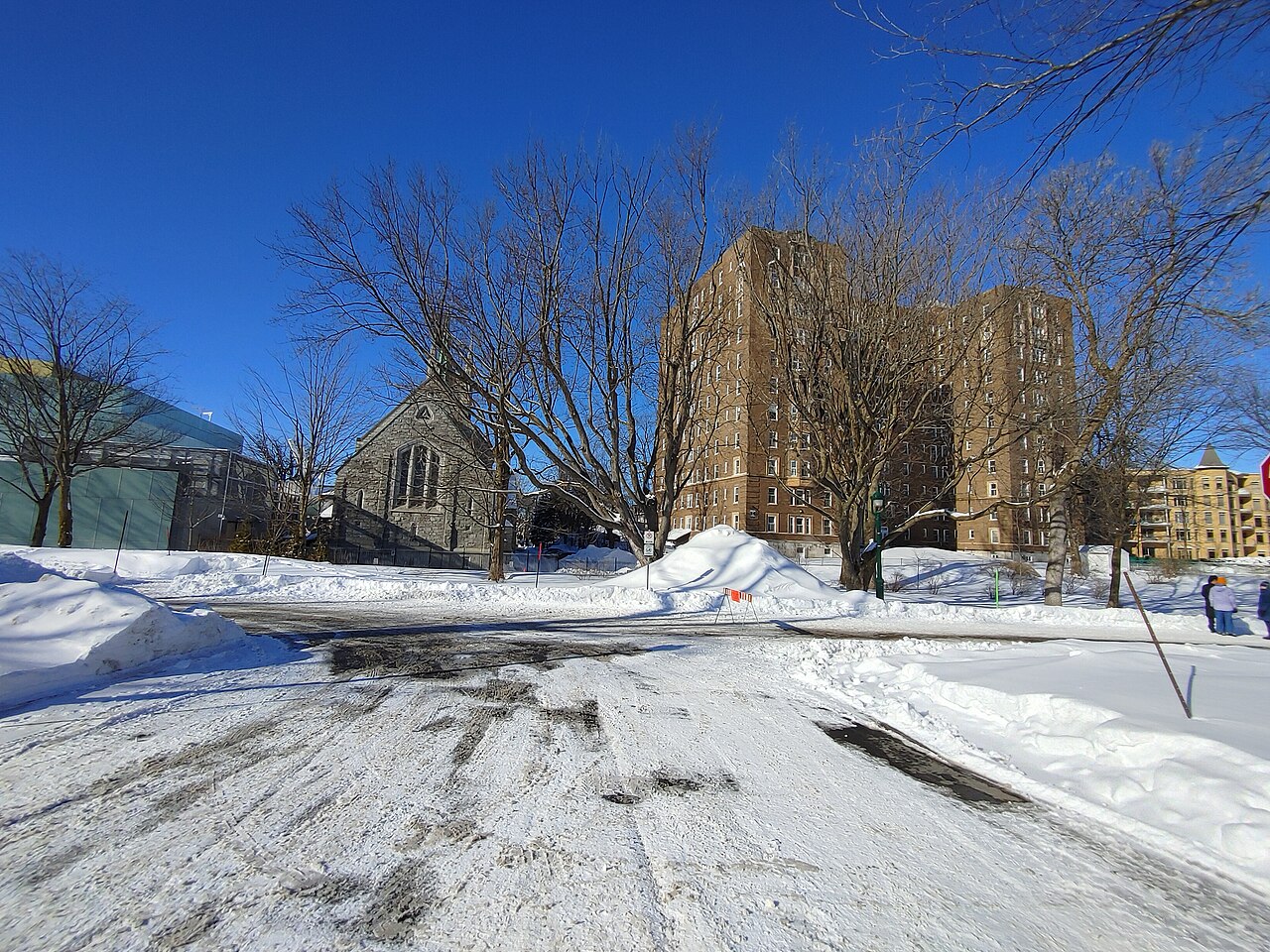
The exterior can be seen whenever you are walking on the public section of Grande Allée. Interior access is shaped by parish life, including worship and other activities, so a closed door should not be treated as a failed visit. Plan Église Saint-Dominique as a flexible stop rather than the fixed centre of a day. This works especially well during a broader Upper Town outing, when you can continue along the avenue if the interior is unavailable and still appreciate the church’s place in Québec City’s urban and religious character. A walk-by visit remains worthwhile because the building belongs to the avenue’s everyday public setting.
Checked 2026-09-02 · Source
Treat Église Saint-Dominique as a parish visit rather than a ticketed attraction. The practical focus is respectful access when the church is available for visitors or worshippers, not a timed-entry experience or a conventional sightseeing queue. Any special activity held in a church setting may have arrangements that differ from an ordinary visit, so it should be considered separately from the quiet exterior or interior stop described here. For a traveller planning a Grande Allée walk, the church is therefore a flexible landmark whose value does not depend on building a ticket schedule around it.
Checked 2026-09-02 · Source
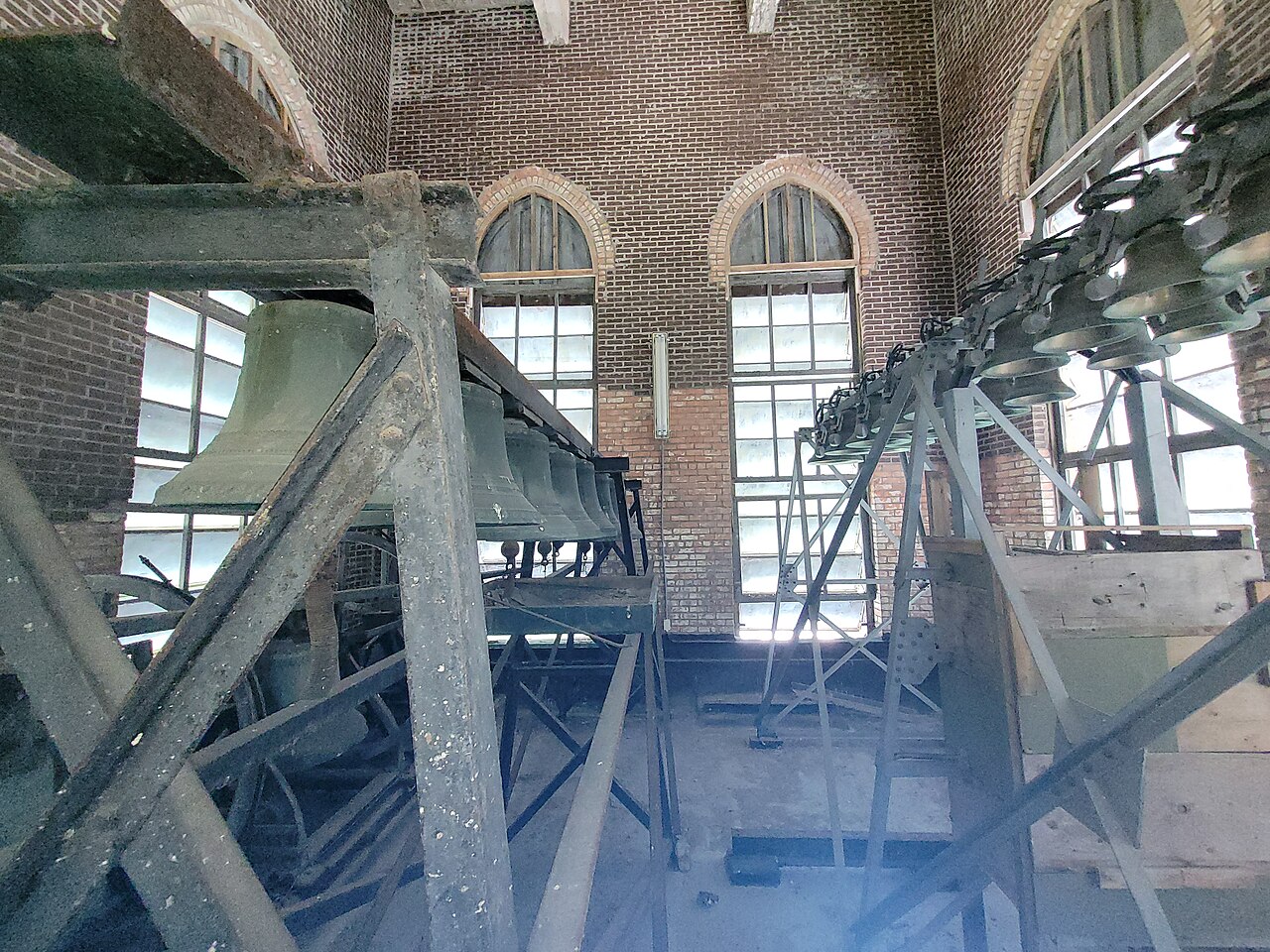
The church stands on Grande Allée, a prominent Québec City thoroughfare served by public transit. Walking is the most natural way to arrive because it connects Église Saint-Dominique with the avenue’s other landmarks and lets you continue towards Upper Town or Parliament Hill. Cycling also brings you directly to the church frontage. Its position on a major avenue makes the church easier to locate than a secluded chapel, and it works well as a waypoint within a longer city walk. Travellers already exploring the central city can fold it into their route without creating a separate out-and-back excursion.
Checked 2026-09-02 · Source

Treat Église Saint-Dominique as an active place of worship. Keep your voice low, dress appropriately, and give priority to parishioners whenever religious activity is taking place. Interior entry is not guaranteed, and visitors should be ready to leave if parish use requires privacy. The church should not be approached like a heritage interior that exists solely for sightseeing. Be attentive at the threshold, avoid blocking people entering for worship, and keep the visit brief if the space is busy. These courtesies matter most during services, funerals, or other parish activities, when religious use takes precedence over tourism.
Checked 2026-09-02 · Source

The public Grande Allée frontage is the straightforward place for exterior photographs. Inside, photography should be treated as permission-based and secondary to worship: avoid flash, do not photograph people without consent, and put the camera away if parish activity calls for quiet or privacy. During a service or ceremony, observe rather than photograph. A simple exterior image can show the church in its avenue setting, connecting the Dominican parish to the broader rhythm of Grande Allée without disrupting the life of the building. Frame the church as part of the street rather than intruding into entrances or private parish activity.
Checked 2026-09-02 · Source
Yes, the exterior can be viewed from the public street on Grande Allée. Interior access depends on parish life and is not guaranteed, so treat the church as a possible worship-space visit rather than an attraction with assured visitor access.
Include it as a flexible stop during a Grande Allée walk. You can appreciate the church from the public street, while an interior visit depends on parish activity and should remain respectful of worshippers.
The interior is a Catholic worship space with pews, an altar, devotional imagery, and a layout intended for communal services. The main experience is the atmosphere and arrangement of a working Dominican parish rather than a museum-style exhibition.
Plan for a self-directed parish visit focused on the worship setting and the Grande Allée frontage. The church is best approached as a place encountered through its religious and urban context, not as an attraction built around a scheduled interpretation programme.
The church is an active Dominican parish, but no current service schedule is available in this guide. Anyone planning to attend worship should treat access as dependent on parish activity, while the exterior remains viewable from Grande Allée.
Keep voices low, give priority to parishioners, and leave if religious activity requires privacy. Exterior viewing from Grande Allée is the dependable part of the experience; an interior visit should remain brief, quiet, and responsive to parish life.
Loading the interactive map…
The interactive map could not be loaded.
Last updated:
Source: OpenStreetMap contributors, Wikidata ·