


.jpg)
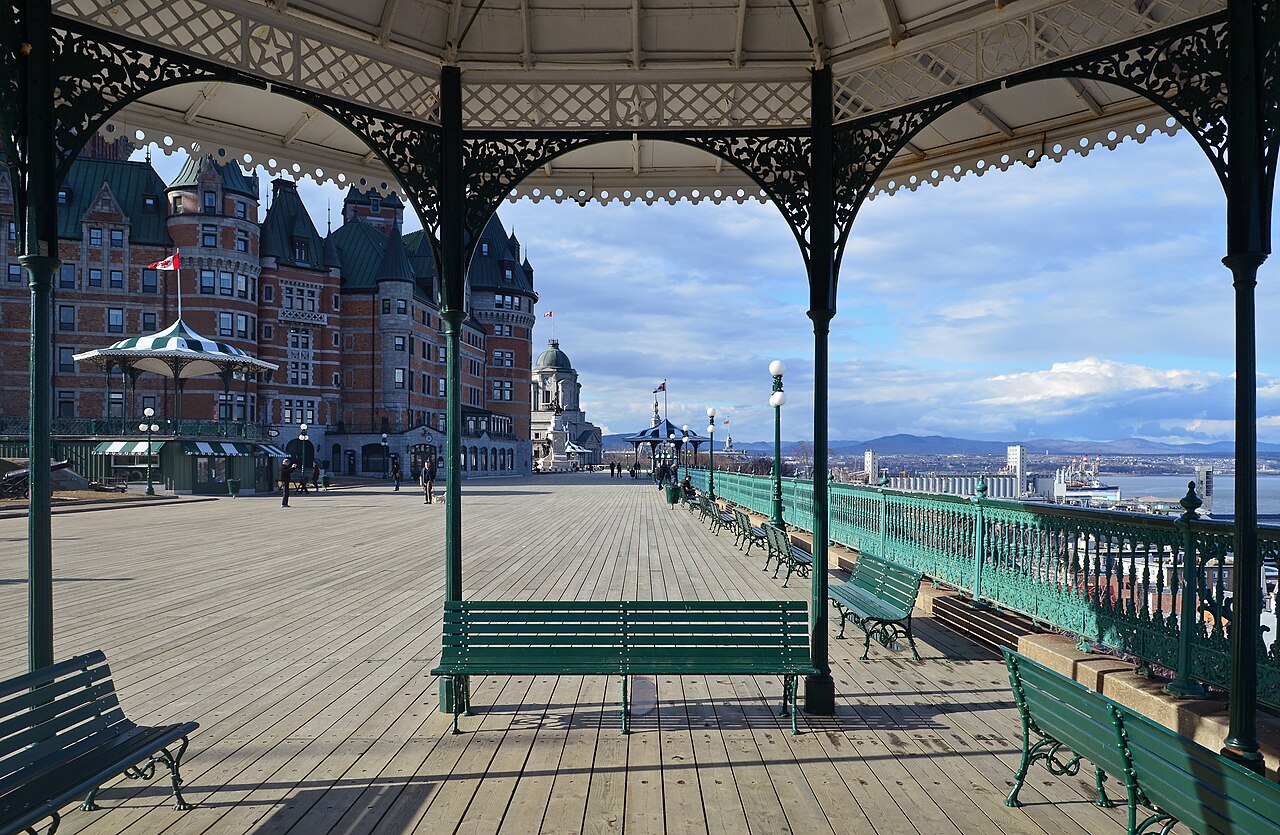
2 min walk
Dufferin Terrace
- Must see
- Activity
Language · 11 published
Historic monument · Quebec City
château Frontenac
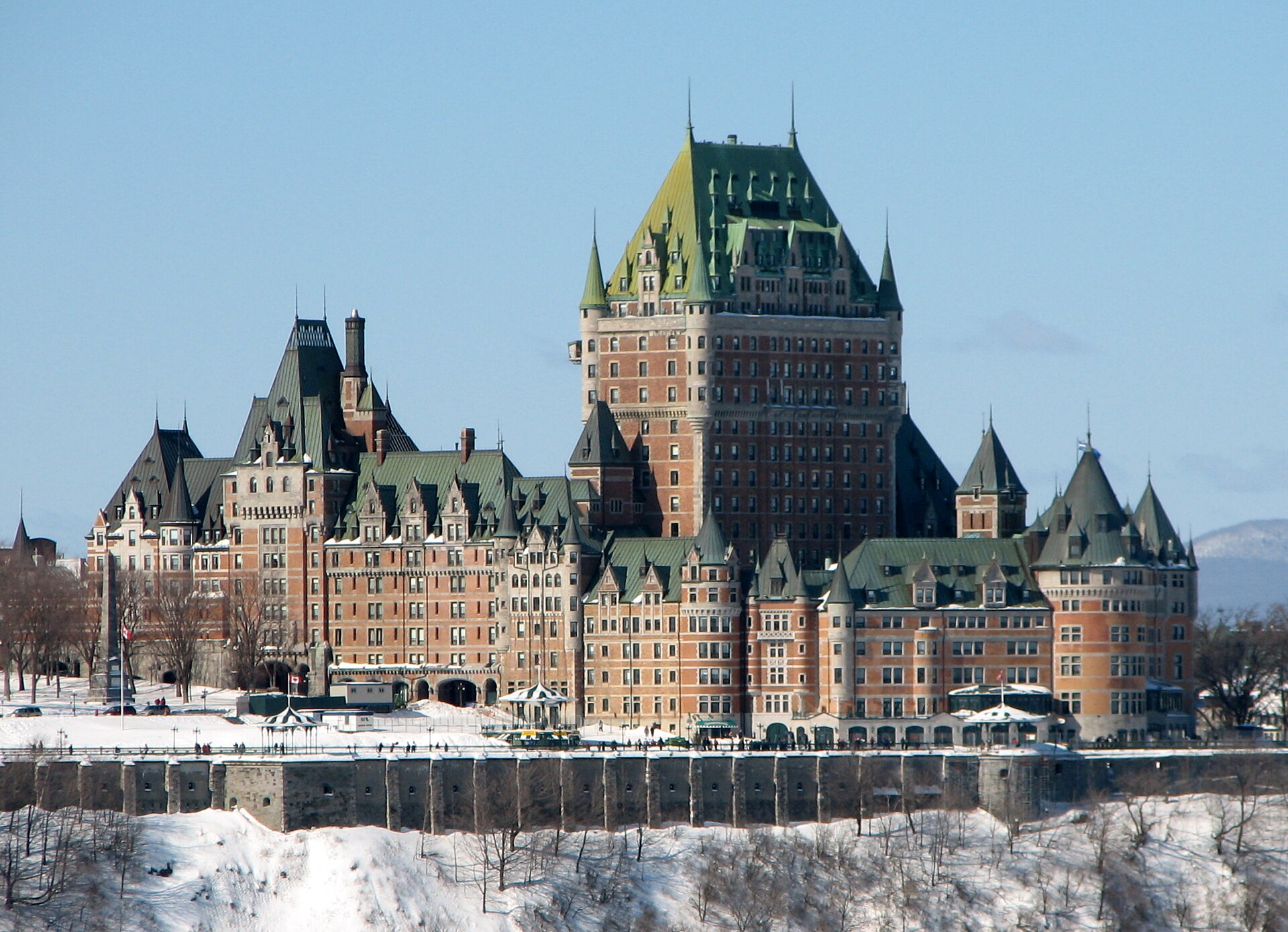
Château Frontenac is a landmark historic hotel in Quebec City's Upper Town, positioned prominently above the St. Lawrence River and adjacent to Dufferin Terrace. The building exhibits distinctive château-style architecture with steep roofs, turrets, and ornate gables that dominate the skyline. Constructed for the Canadian Pacific Railway, it has operated continuously as a hotel since 1893. The structure serves as both accommodation and a widely recognized symbol of Quebec City, frequently cited in tourism materials as one of the most photographed hotels globally. Its elevated position provides extensive views over the river and Lower Town below.
Checked 2026-08-26
The interior contains guest rooms, multiple dining venues, ballrooms, and public spaces decorated in period-influenced style. Common areas display historical furnishings, paintings, and artifacts referencing the property's lengthy operation. The hotel maintains conference facilities and event spaces suitable for large gatherings. Visitors who are not registered guests may access certain public areas including lobbies, restaurants, and select viewing points, though full interior access requires hotel business or accommodation. Specific current amenities, room categories, and operational spaces are subject to change and should be verified directly with the property before planning.
Checked 2026-08-26
The time required varies substantially by purpose. External viewing from Dufferin Terrace or surrounding streets may satisfy many visitors in fifteen to thirty minutes. Those entering for dining, afternoon tea, or lobby viewing typically allocate one to two hours. Registered guests stay according to reservation length. The building's scale and photographic appeal encourage extended external observation, particularly during daylight and evening illumination periods. Visitors should assess their own interests: architectural appreciation, photography, dining, or accommodation each demand different commitments. No guided tour duration is recorded in available sources.
Checked 2026-08-26

Quebec City experiences pronounced seasonal variation. Summer brings warm temperatures and peak tourism, with extended daylight hours favorable for photography and terrace access. Winter features cold conditions and snow, with the hotel's illuminated exterior visible against darkened evenings. Spring and autumn offer intermediate conditions with reduced visitor density. The property operates year-round. Visitors should consult the hotel directly or monitor official communications before planning specific timing, particularly for dining or event access. Check the operator's own site for the travel date before relying on a schedule or fare.
Checked 2026-08-26
Château Frontenac functions primarily as a hotel rather than a ticketed attraction. No general admission fee applies to public areas such as main lobbies, though access to guest floors and rooms requires valid accommodation. Restaurant and bar services incur charges at posted prices. Accommodation rates fluctuate by season, availability, and room category. Visitors should verify all costs directly through official channels before arrival, as third-party information may not reflect current pricing or availability conditions. Check the operator's own site for the travel date before relying on a schedule or fare.
Checked 2026-08-26

The hotel occupies a central Upper Town location accessible by foot from surrounding historic district streets. Visitors in Lower Town may ascend via funicular to Dufferin Terrace, from which the property is immediately adjacent. Street-level approaches involve navigating the elevated terrain characteristic of Old Quebec. Public transit serves nearby areas, though specific routes and stops require verification with local operators. Driving presents parking constraints typical of historic city centers; the hotel may offer valet or parking services, but confirmation is advisable. The compact nature of Old Quebec generally permits pedestrian access from nearby accommodations and attractions.
Checked 2026-08-26
The elevated site and historic construction present considerations for mobility-impaired visitors, including steps, uneven surfaces, and limited elevator access to certain areas. Winter conditions create slip hazards on exterior walkways and approaches. As an active hotel, the property prioritizes guest privacy; non-guests should respect restricted areas and maintain appropriate conduct in public spaces. Photography of guests or staff without consent should be avoided. The surrounding terrace and street areas attract concentrated tourism, with associated crowding, queueing, and vigilance against petty theft warranted. Service availability and access policies may change without extensive public notification.
Checked 2026-08-26
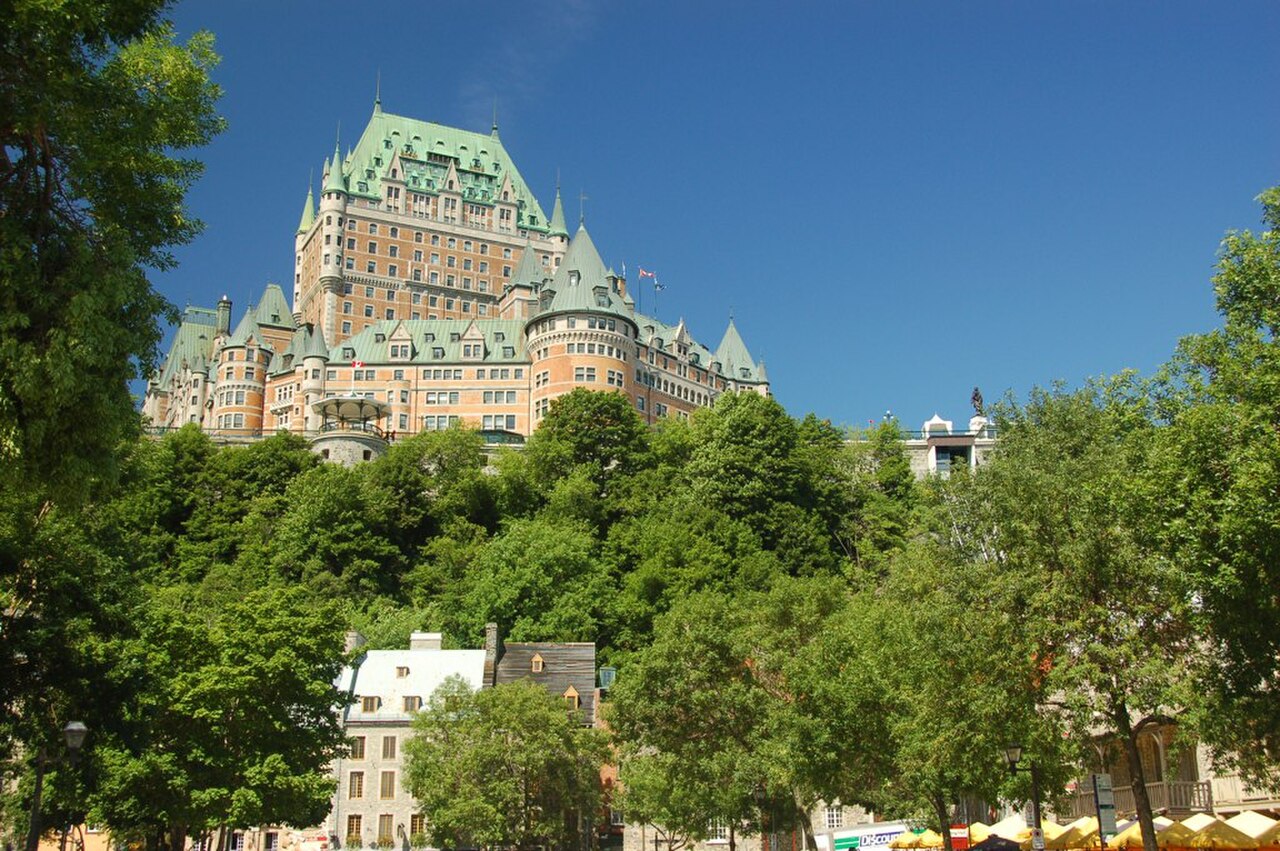
The building's dramatic silhouette and riverside position make it a focal point for photography from multiple vantage points. Dufferin Terrace provides immediate foreground access. Lower Town and river-level positions offer upward perspectives emphasizing height and architectural detail. The illuminated night presentation creates distinct photographic conditions from daytime views. Interior photography in public lobbies may be permitted but should respect guest privacy and staff direction; tripod use and commercial photography likely require advance arrangement. Weather and seasonal conditions substantially affect results. No specific restrictions are recorded, but photographers should verify current policies with hotel management.
Checked 2026-08-26
Non-guests may access public areas including main lobbies and restaurants, though full interior access requires hotel business or accommodation. Policies may change.
No general admission fee applies to public areas. Costs are incurred only for services such as dining, accommodation, or events.
Dufferin Terrace offers immediate proximity; Lower Town and river-level positions provide alternative perspectives. Night illumination presents different conditions from daylight.
No guided tour availability is recorded in available sources. Visitors should contact the property directly for current offerings.
Restaurant access for non-guests is indicated in source materials, but specific venues, hours, and reservation requirements should be verified directly with the hotel.
Historic construction presents challenges including steps and uneven surfaces. Specific accessibility provisions should be confirmed directly with the property before visiting.
Loading the interactive map…
The interactive map could not be loaded.


Last updated:
Source: OpenStreetMap contributors, Wikidata ·