


_-_panoramio.jpg)
2 min walk
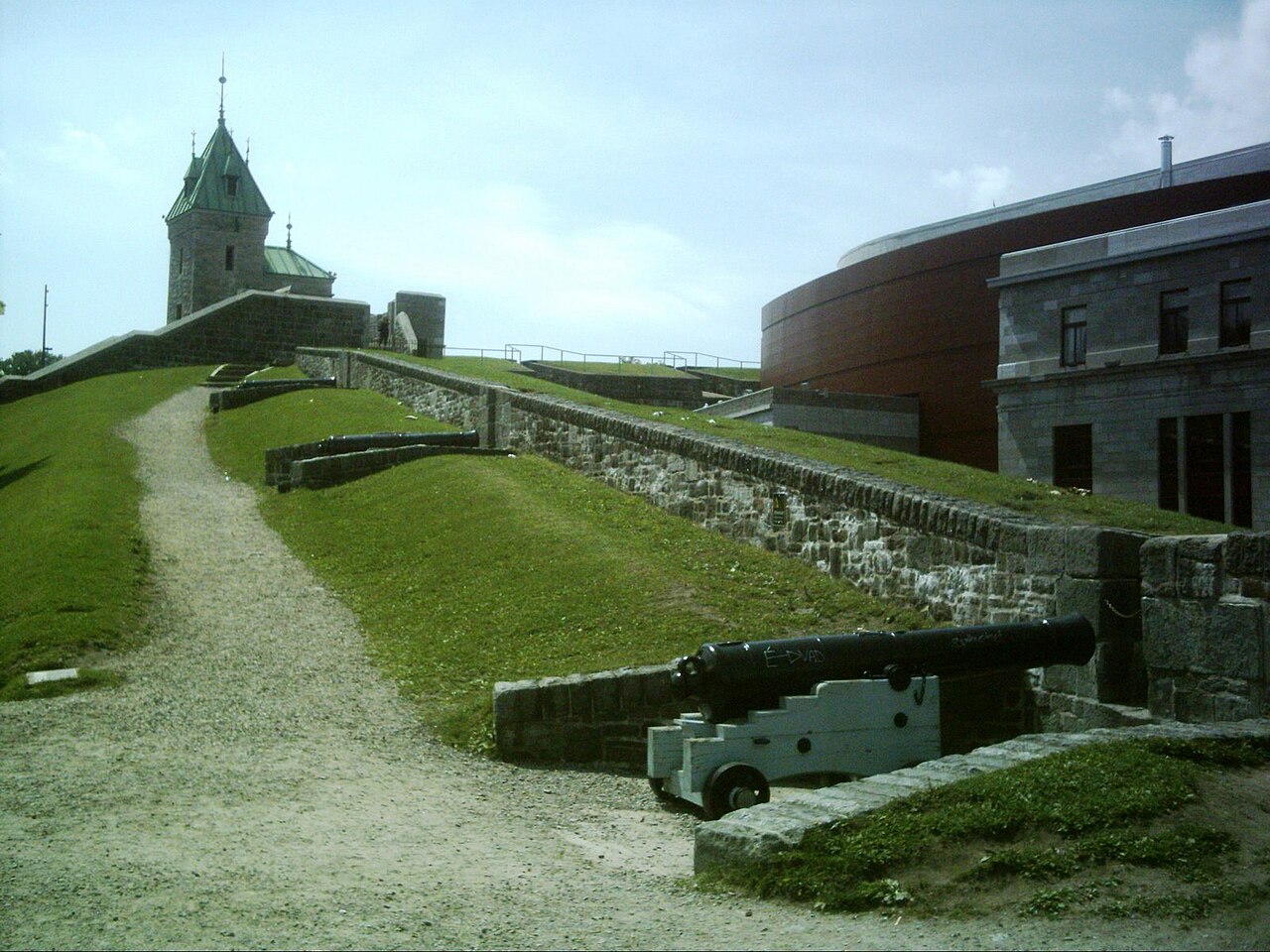
Fortifications of Quebec
- Must see
- Historic monument
Language · 11 published
Historic monument · Quebec City
Vieux-Québec
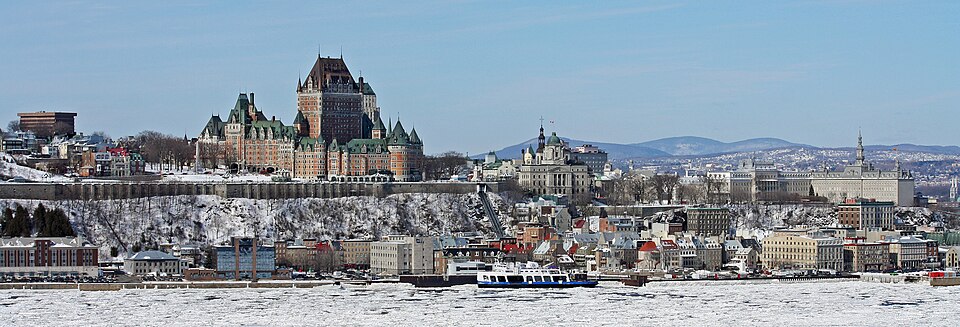
Old Quebec, known locally as Vieux-Québec, is the fortified historic core of Quebec City. It encompasses both the Upper Town and Lower Town districts, enclosed by preserved ramparts that make it one of the few remaining walled cities in North America. The area was designated a UNESCO World Heritage Site in 1985. Its colonial architecture reflects French and British influences accumulated over four centuries. The district serves as the cultural and symbolic heart of Quebec City, drawing visitors to its cobblestone streets, historic buildings, and commanding position above the St. Lawrence River.
Checked 2026-08-26
The district contains numerous historic structures including the Château Frontenac, the Citadel, and Notre-Dame de Québec Basilica-Cathedral. Place Royale in the Lower Town marks the site of Samuel de Champlain's 1608 founding of the settlement. The area includes museums, churches, and heritage interpretation centers. The fortification walls themselves constitute a significant feature, with gates and bastions accessible to pedestrians. Rue du Petit-Champlain in the Lower Town is noted as one of the oldest commercial streets in North America. The district blends residential, commercial, and institutional uses within its heritage fabric.
Checked 2026-08-26
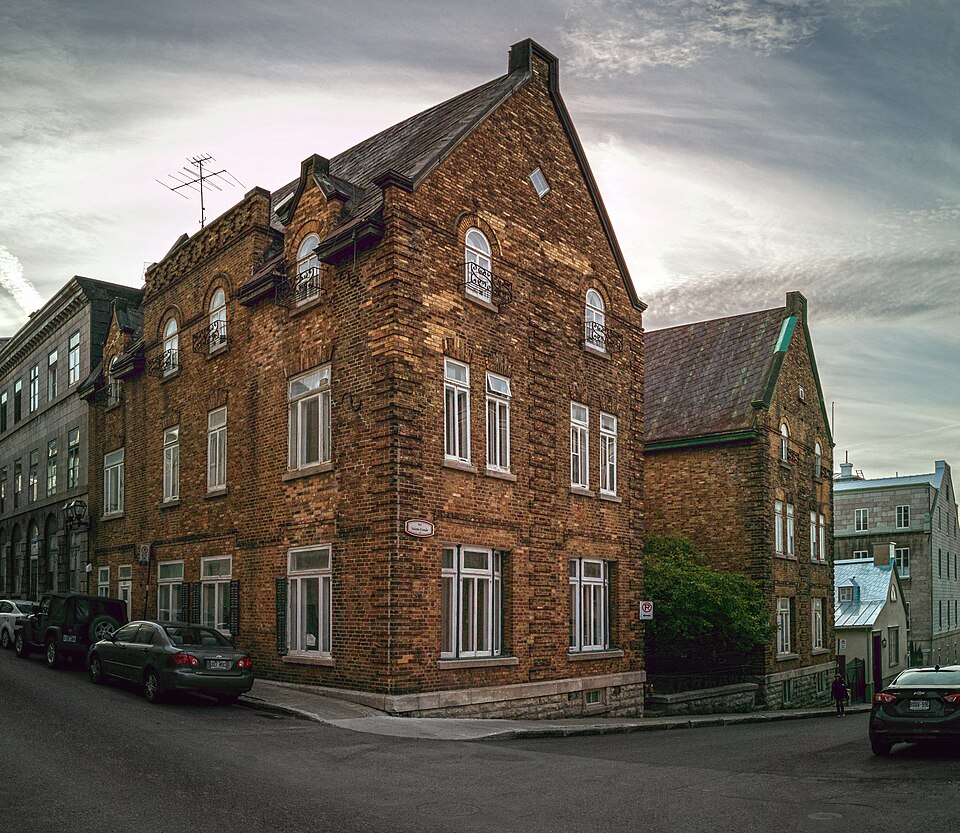
A thorough exploration of both Upper and Lower Town requires a full day or more. Visitors typically allocate several hours to walking the ramparts and visiting key interior sites. The steep topography between Upper and Lower Town, connected by staircases and the funicular, adds transit time between levels. Those with limited mobility or time may focus on one level. The compact street layout rewards unhurried wandering, with unexpected views and architectural details emerging on repeated circuits. Return visits allow deeper engagement with specific museums or seasonal programming not possible in a single pass.
Checked 2026-08-26

Old Quebec operates as an inhabited district without single-point entry controls, so general access is continuous. Individual attractions within the district maintain separate schedules. Operator-confirmed hours are Not recorded pending review. Seasonal considerations affect the visitor experience substantially. Winter brings snow and cold temperatures, with the Quebec Winter Carnival utilizing the district. Summer offers extended daylight and outdoor activity. Autumn foliage in the surrounding region enhances the setting. Spring presents variable conditions. Crowding concentrates during cruise ship arrivals and festival periods. Visitors should verify specific site hours before planning.
Checked 2026-08-26
No general admission fee applies to entering the Old Quebec district itself. Individual attractions, museums, and guided tours within the area charge separate fees. Operator-confirmed prices are Not recorded pending review. Some walking tours of the fortifications may require payment. The funicular connecting Upper and Lower Town charges per ride. Visitors should consult official sources for current pricing at specific sites of interest. Combination passes covering multiple attractions may be available through tourism offices. Budget planning should account for potential costs at each point of interest rather than assuming comprehensive access.
Checked 2026-08-26

Old Quebec occupies the promontory above the St. Lawrence River in central Quebec City. The district is walkable from downtown hotels and the convention center. Public transit serves perimeter points; the Gare du Palais train station and bus terminal lie adjacent to the Lower Town. Driving into the narrow streets is discouraged and often restricted. Parking exists at peripheral lots and garages. The cruise terminal at Pointe-à-Carcy brings seasonal foot traffic directly to the Lower Town. The Quebec City Jean Lesage International Airport requires ground transportation of approximately 16 kilometers to reach the district.
Checked 2026-08-26

The steep inclines and staircases connecting Upper and Lower Town challenge those with mobility limitations, though the funicular provides one alternative route. Cobblestone surfaces become slippery in wet or icy conditions and present tripping hazards. Summer crowds concentrate around Château Frontenac and Place Royale. Winter temperatures demand appropriate clothing for extended outdoor exposure. The district's function as a living neighborhood means respecting residential areas and noise considerations. Some historic buildings lack modern accessibility features. Visitors should remain aware of traffic on streets shared with vehicles despite the pedestrian-oriented character of much of the area.
Checked 2026-08-26

The elevated position of Upper Town yields expansive river views, particularly from Terrasse Dufferin adjacent to Château Frontenac. The contrast between the hotel's silhouette and the river behind it constitutes an iconic image. Lower Town's Place Royale offers framed compositions of period architecture. The fortification walls provide elevated perspectives over both the district and surrounding landscape. Early morning and late afternoon light accentuate the texture of stone buildings. Night photography benefits from the illuminated monuments and street lighting. The funicular and Breakneck Stairs create vertical compositions emphasizing the topography. Interior photography requires checking restrictions at individual sites.
Checked 2026-08-26
The historic district retains significant portions of its fortification system, making it one of the few walled cities in North America. However, the walls do not form a complete uninterrupted circuit in all locations, and modern development has altered some sections.
Yes, sections of the ramparts are accessible to pedestrians via gates and walkways. These elevated paths offer views over the district and river. Specific access points and complete routes should be verified on site or through official sources.
No. Multiple staircases connect the two levels, including the historic Breakneck Stairs. The funicular provides a mechanical alternative for those who prefer to avoid the steep climbs or have mobility considerations.
No. While French is the primary language of Quebec City, Old Quebec's tourism infrastructure accommodates English speakers. Many service staff are bilingual. Visitors may encounter French-dominant environments in some local businesses.
The uneven surfaces require attention, particularly in wet or icy conditions. Comfortable footwear with good traction is advisable. The physical demands vary by specific route and individual mobility.
No. It functions as a mixed-use district with permanent residents, local services, and institutions alongside tourism businesses. Visitors should be mindful that they are entering a functioning neighborhood, not a purely recreational space.
Loading the interactive map…
The interactive map could not be loaded.


Last updated:
Source: OpenStreetMap contributors, Wikidata ·