


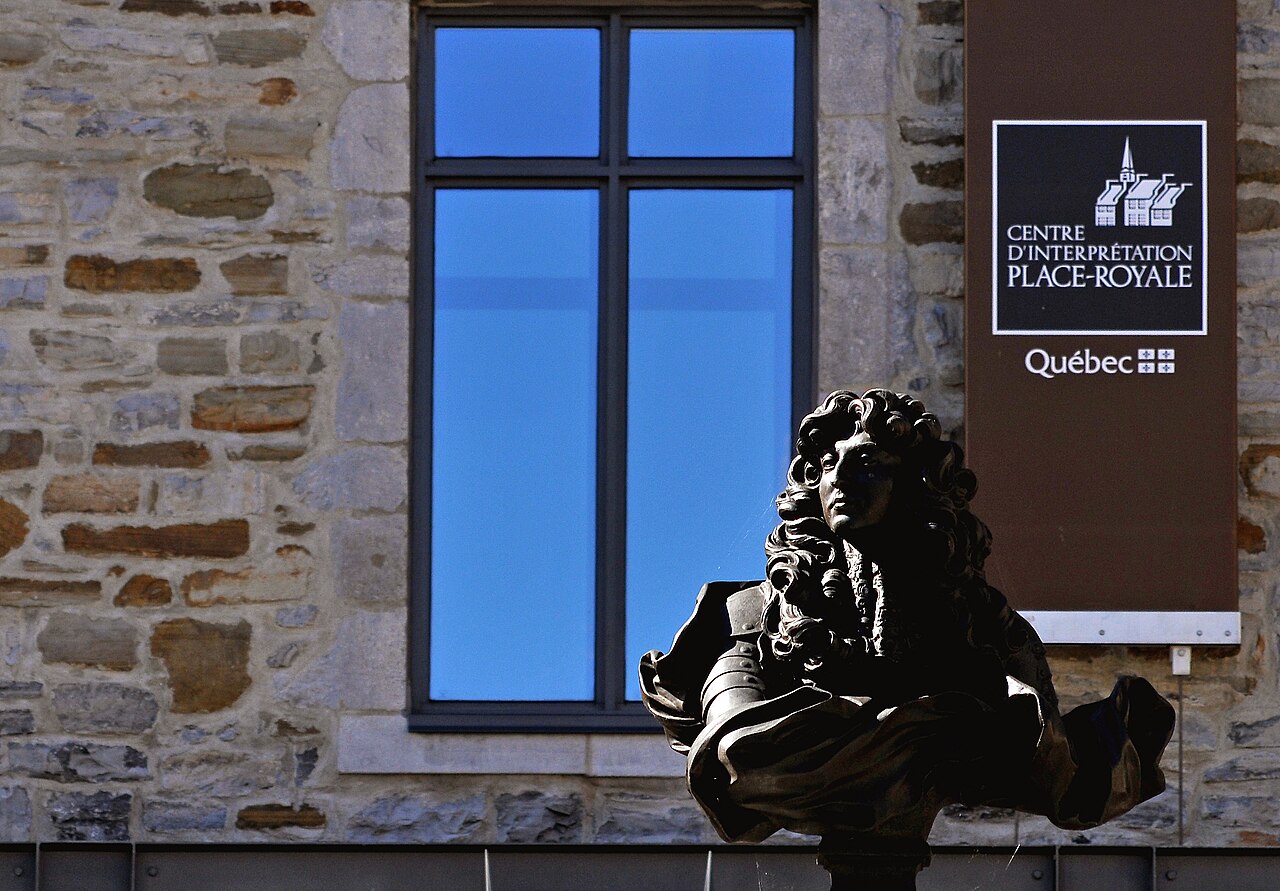
1 min walk
Musée de la Place-Royale
- Must see
- Museum
Language · 11 published
Historic monument · Quebec City
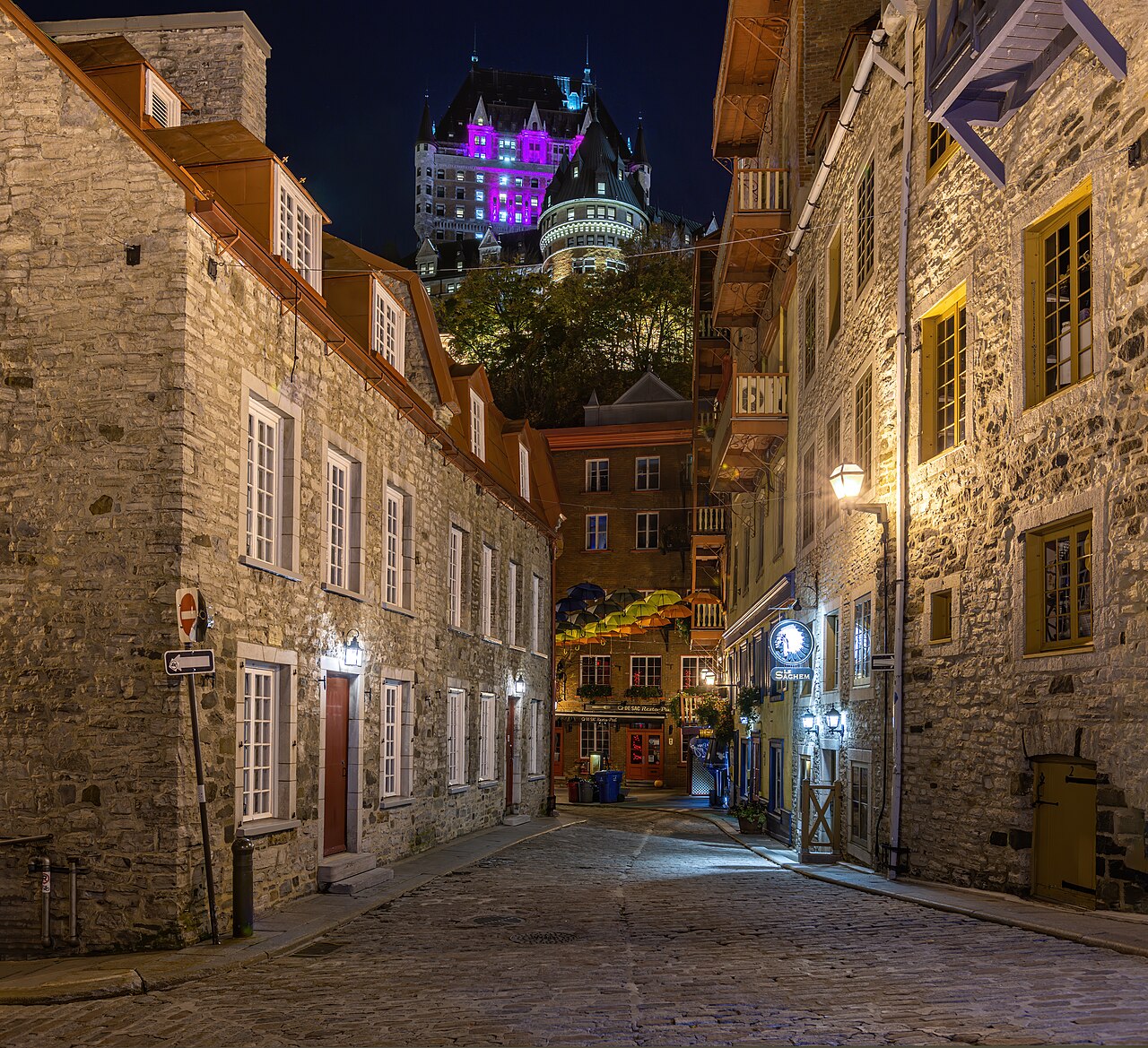
Petit Champlain is a historic quarter in Québec City's Lower Town, situated at the foot of Cap Diamant beneath the Château Frontenac escarpment. The area comprises narrow cobblestone streets and heritage buildings dating to the seventeenth and eighteenth centuries. It is widely referenced as one of North America's oldest commercial districts. The neighbourhood takes its name from Samuel de Champlain, founder of Québec. Independent boutiques, artisan workshops, and restaurants occupy restored structures. The district functions as both a residential area and a concentrated visitor destination, with pedestrian priority on its principal thoroughfare.
Checked 2026-08-26
The quarter contains independent retail shops selling local crafts, apparel, and regional products. Restaurants and cafés occupy ground floors throughout. The Breakneck Stairs, a steep wooden staircase connecting Upper and Lower Town, terminate near the district's upper boundary. A trompe-l'œil mural depicting neighbourhood history covers one building facade. Seasonal decorations appear during winter months. The district's architecture represents French colonial and later British influences in stone and timber construction. No museum or single admission-charging attraction dominates; the experience derives from streetscape and commerce.
Checked 2026-08-26

Visitors typically allocate between ninety minutes and half a day depending on shopping and dining intentions. A purely observational walk through principal streets requires under forty-five minutes. Those entering shops, photographing details, or taking a meal extend accordingly. The compact geography permits efficient coverage. Combination with adjacent Lower Town areas—Place-Royale, the Old Port—extends the visit substantially. Evening returns for dinner are common. The district rewards repeated short visits over a single prolonged stay, particularly for those staying in Upper Town accommodations who descend via funicular or stairs.
Checked 2026-08-26

The district operates year-round as a mixed-use neighbourhood with commercial hours varying by establishment. Winter brings concentrated visitor traffic during the Québec Winter Carnival period and holiday illumination displays. Summer delivers peak pedestrian volumes and extended daylight. Autumn and spring offer reduced congestion. Weather conditions significantly affect the steep pedestrian approaches. Operator-confirmed hours are Not recorded pending review. Visitors should consult individual shop and restaurant schedules. No controlled entry or timed admission applies to the public streets themselves, which remain accessible at all hours subject to commercial closure and personal safety considerations.
Checked 2026-08-26
No admission fee applies to enter the Petit Champlain district as public thoroughfares. Individual shops, restaurants, and any special events set their own pricing. The nearby funicular railway between Upper and Lower Town requires separate fare. Operator-confirmed prices are Not recorded pending review. Budgeting depends entirely on purchasing and dining choices. Window shopping and architectural observation incur no cost. Some winter programming may involve ticketed components. Visitors should carry payment methods appropriate for small independent retailers rather than assuming universal card acceptance, though this varies by establishment.
Checked 2026-08-26

The district sits in Lower Town, accessible from Upper Town via the Old Québec Funicular from Dufferin Terrace or by the Breakneck Stairs and connecting pathways. Street-level approaches descend from Boulevard Champlain and adjacent roads. Walking from Place-Royale takes minutes. Public transit serves nearby stops on Boulevard Champlain and surrounding streets; specific routes and schedules require verification with the Réseau de transport de la Capitale. Driving presents parking challenges in narrow historic streets. The area is fundamentally pedestrian in character; vehicle access is restricted and impractical for visitor purposes.
Checked 2026-08-26

Cobblestone surfaces and irregular paving demand appropriate footwear, particularly in wet or icy conditions. The Breakneck Stairs and connecting paths are steep and may challenge those with mobility limitations. The funicular provides an alternative but has its own operational constraints and capacity limits. Winter cold and wind exposure are pronounced at river level. Crowding on narrow sidewalks during peak periods requires patience. The district's commercial orientation means visitors should exercise normal consumer caution regarding purchases. Evening lighting is atmospheric but uneven; personal visibility and footing deserve attention when establishments close.
Checked 2026-08-26
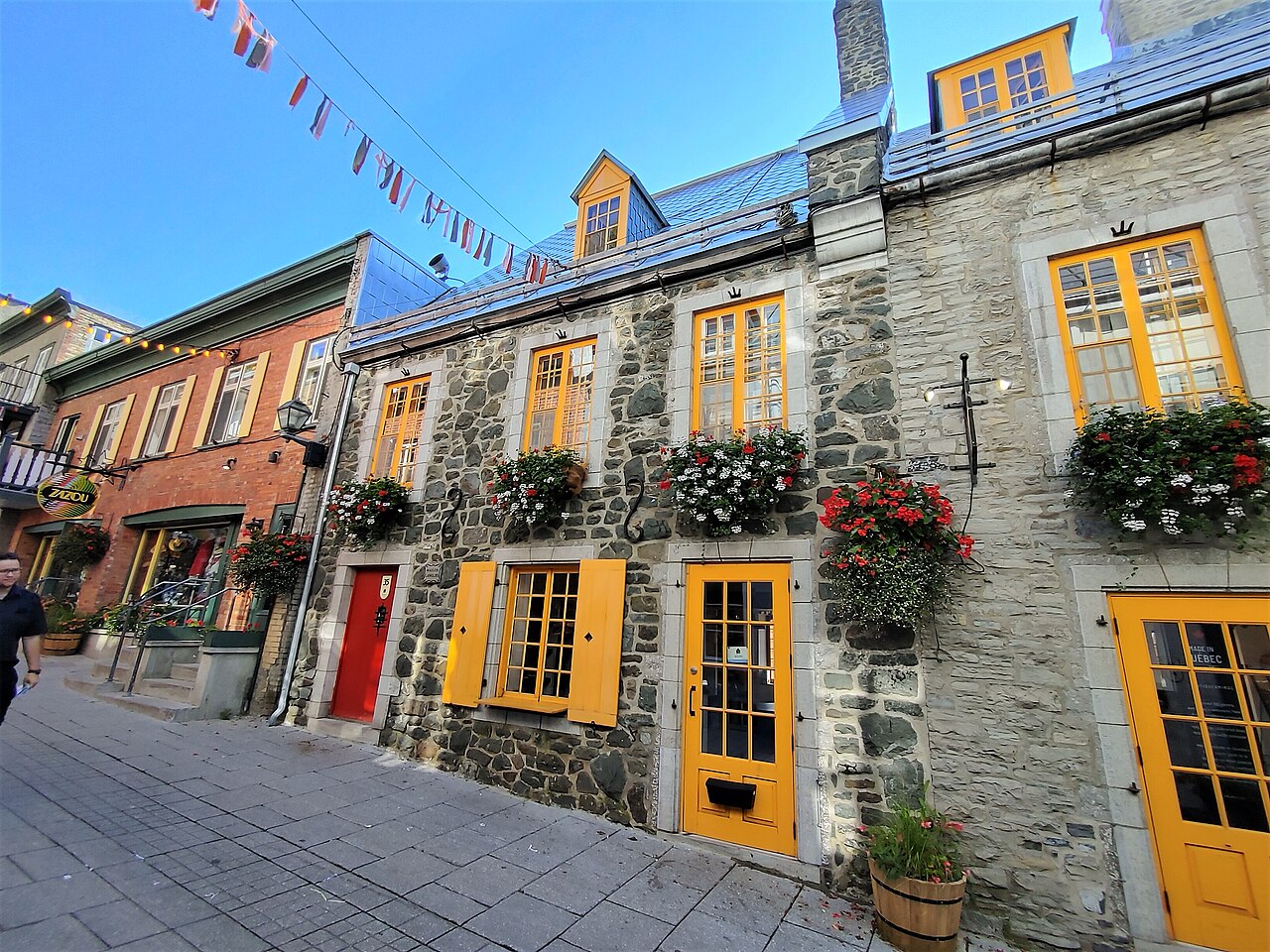
The district offers concentrated heritage architecture, the trompe-l'œil mural, and views upward toward the Château Frontenac escarpment. Early morning provides emptier streets and softer light on east-facing facades. The funicular and stairs furnish vertical composition opportunities. Winter snow and seasonal lighting transform the quarter distinctly. Tripod use in narrow pedestrian ways may obstruct traffic and should be deployed considerately. Interior photography in shops requires individual permission. The mural and streetscapes present no access restrictions. Rooftop or elevated perspectives require locating appropriate vantage points outside the district proper, as the quarter itself is predominantly at street level.
Checked 2026-08-26
Old Québec's UNESCO inscription encompasses both Upper and Lower Town. Petit Champlain falls within this designated area.
Cobblestones, irregular paving, and steep approaches present significant barriers. The funicular connects levels but Lower Town streets themselves retain historic surfaces.
Public streets remain accessible, though commercial hours vary by establishment. Lighting is atmospheric rather than uniform. Personal safety awareness applies as in any urban evening environment.
No. Place-Royale is a nearby but distinct Lower Town square with its own historical significance. The two areas are walkably adjacent.
Tourism-oriented staff generally accommodate English. French remains the predominant daily language of the province. Basic courtesy phrases are appreciated.
No dedicated public facilities are referenced in supplied sources. Visitors typically rely on restaurant or café amenities, usually requiring patronage.
Loading the interactive map…
The interactive map could not be loaded.
Last updated:
Source: OpenStreetMap contributors, Wikidata ·