


1 min walk
St. Andrew's Church
- High · Heritage site
- Place of worship
Language · 11 published
Historic monument · Quebec City
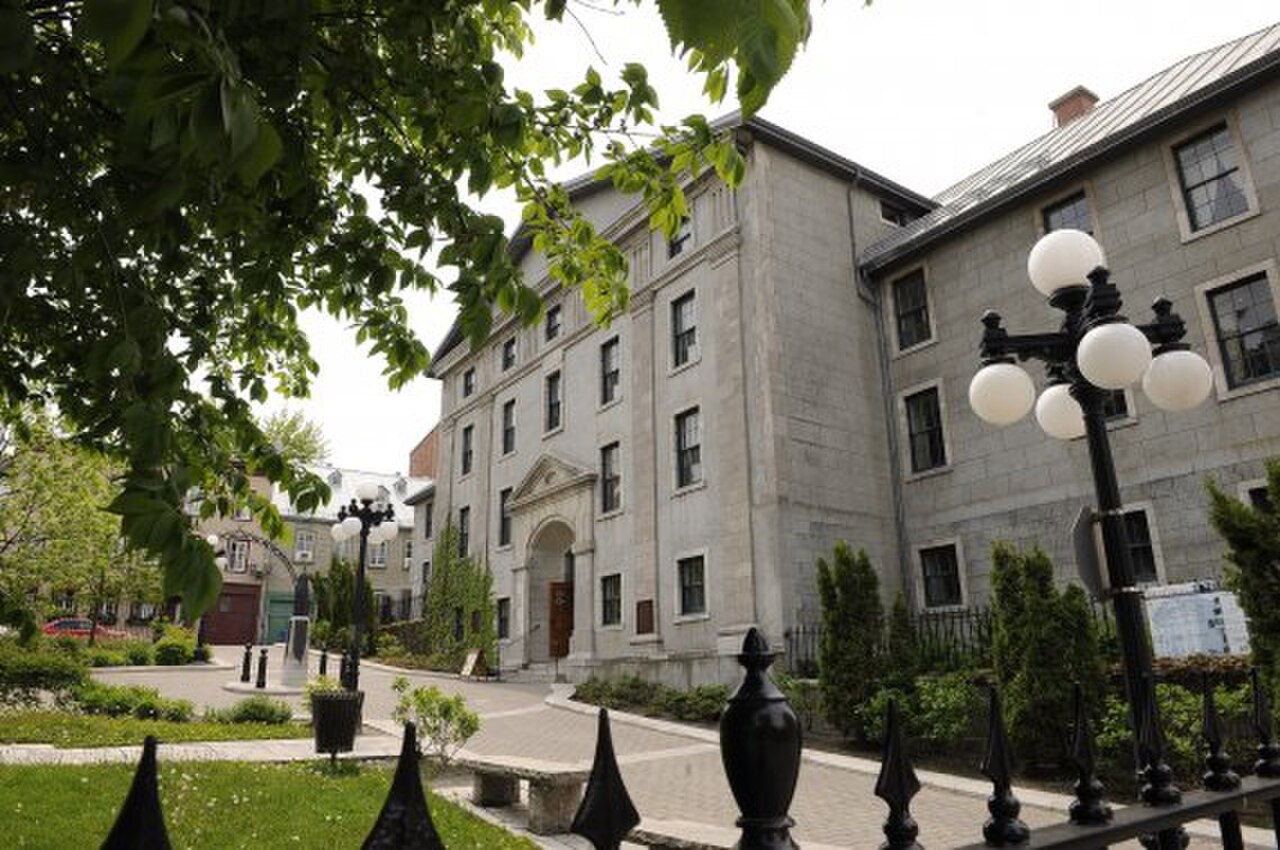
The Morrin Centre is a cultural institution occupying a landmark building in Quebec City's Old Town. The structure served as a prison from 1812 to 1868 before conversion to an educational facility. It later became home to Morrin College, an English-language institution. Today the centre preserves this layered history through its heritage spaces, library, and interpretive programming. The building represents a rare surviving example of a 19th-century Canadian prison and stands as a significant site for understanding both penal history and English-speaking cultural life in predominantly French Quebec.
Checked 2026-08-26
Visitors encounter the original prison cells, including iron doors and thick stone walls that convey the building's carceral past. The Victorian-era library occupies the former prison common room, containing historic bookshelves and reading areas. College classrooms and assembly spaces reflect the educational period. Interpretive displays and guided visits connect these layers. The library maintains collections and serves as a gathering place for English-language cultural activities. The architectural contrast between grim penal infrastructure and refined academic interiors creates a distinctive atmosphere found in few heritage buildings worldwide.
Checked 2026-08-26

A complete visit typically requires between one and two hours, depending on interest level and whether one joins a guided visit or explores independently. The guided visit covers the prison history, library, and college spaces with narrative context that extends duration. Self-directed visitors may move more quickly through the cells and reading rooms. Photography enthusiasts and readers often linger longer in the library. The compact building footprint means physical walking distance is minimal, but the density of historical content rewards unhurried examination. Visitors should assess their own pace preferences accordingly.
Checked 2026-08-26

Operator-confirmed hours are Not recorded pending review. Visitors should consult the official website before planning attendance, as seasonal variations and special programming may affect accessibility. The interior library and cell spaces are primarily indoor attractions, making weather less decisive than for outdoor sites. However, Quebec City's winter conditions affect pedestrian comfort in the surrounding Old Town streets. Summer tourism peak brings higher visitor volumes generally throughout the historic district. Advance verification of current operating status remains essential given the centre's mixed cultural and educational programming schedule.
Checked 2026-08-26
Operator-confirmed prices are Not recorded pending review. The centre may operate with admission fees, donation requests, or free entry depending on current policy. Some programming, particularly special events or certain guided visit formats, may involve separate charges. Membership or library access might follow different structures than general heritage visits. Visitors should verify current pricing through the official website before arrival. Any payment methods accepted, advance booking requirements, or combination arrangements with other Quebec City heritage attractions require direct confirmation from the operator rather than assumption based on standard practices elsewhere.
Checked 2026-08-26

The Morrin Centre occupies a location within Quebec City's fortified Old Town, accessible by foot from other central historic attractions. The neighbourhood features narrow streets and pedestrian priority typical of colonial cores. Public transit serves the surrounding area with stops requiring additional walking. Driving presents parking challenges characteristic of historic districts; visitors with vehicles should research municipal options nearby. The centre's specific street address and approach directions are available through its official website. Winter conditions may affect sidewalk accessibility and outdoor walking comfort in this riverside elevated district with significant topographic variation.
Checked 2026-08-26

The building contains authentic prison architecture including confined spaces, steep stairs, and uneven surfaces that may challenge visitors with mobility limitations. The historic fabric preserves original conditions rather than modern accessibility standards in certain areas. Low light levels in cell areas serve interpretive purposes but require visual adjustment. The library contains irreplaceable collections where standard behaviour protocols apply. Visitors should heed staff guidance regarding restricted areas or touch policies. The compact interior can feel crowded during concurrent programming. Those sensitive to carceral history should prepare for potentially affecting content in the preserved punishment spaces.
Checked 2026-08-26

The dramatic architectural contrasts between prison austerity and Victorian library refinement offer compelling photographic subjects. Cell interiors with original hardware provide atmospheric detail shots. The library's wood shelving, upper galleries, and reading furniture create warm interior compositions. Natural light enters selectively, requiring adjustment for interior exposure challenges. Tripod use likely faces restrictions in a functioning cultural venue. Visitors should confirm current photography policies regarding flash, commercial intent, or publication uses. Respect for other visitors and any active programming takes priority. The narrow spaces demand patience for unpeopled architectural frames during busier periods.
Checked 2026-08-26
No. The building functioned as a prison from 1812 to 1868. It subsequently became an educational institution and now operates as a cultural centre with heritage interpretation.
The library serves as both heritage space and functioning collection. Specific access policies for researchers, borrowers, or casual visitors should be confirmed directly with the centre.
The centre offers guided visits that provide narrative context for the building's layered history. Whether independent exploration is permitted or visits are guided-only should be verified before attendance.
Historic prison architecture including stairs and confined spaces presents inherent accessibility challenges. Visitors with mobility considerations should contact the centre directly to discuss current access provisions.
As a significant English-language cultural institution in Quebec City, the centre maintains English programming and collections. French services may also be available; visitors should confirm language options for specific activities.
The building housed Morrin College, an English-language educational institution. The centre preserves this educational heritage alongside its earlier prison history, representing both phases in its interpretation.
Loading the interactive map…
The interactive map could not be loaded.


Last updated:
Source: OpenStreetMap contributors, Wikidata ·