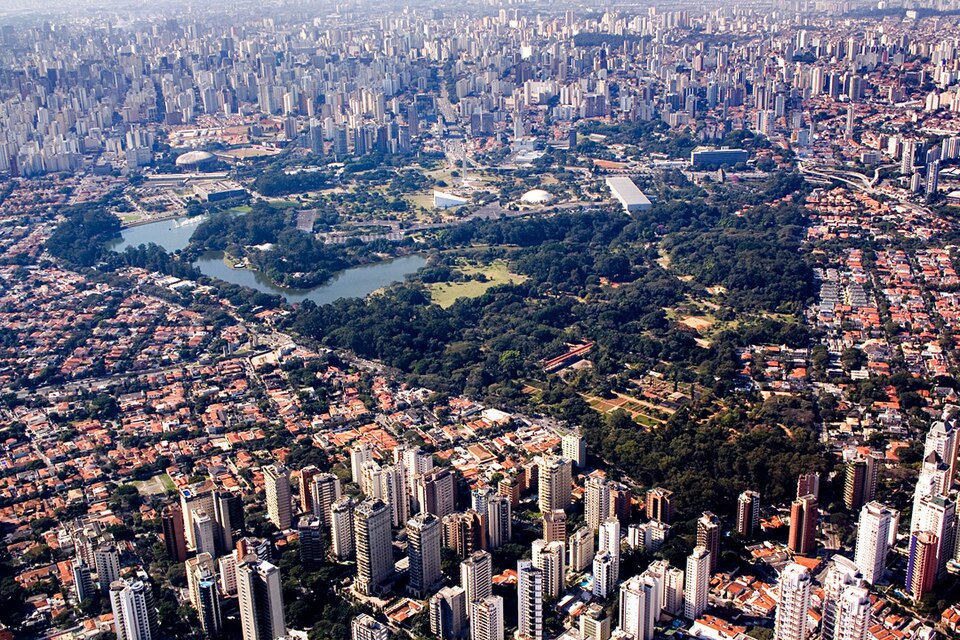
Ibirapuera Park is São Paulo's flagship urban park and its most concentrated modernist cultural landscape. Located in the southern zone of Brazil's largest city, it occupies a significant portion of the Moema, Paraíso, and Vila Mariana districts. The park was designed by landscape architect Roberto Burle Marx with architect Oscar Niemeyer contributing several buildings. It opened in 1954 for the city's 400th anniversary. The site represents a deliberate fusion of green space, modernist architecture, and cultural institutions within a dense metropolitan environment, serving as both recreational ground and symbolic civic space for paulistanos.
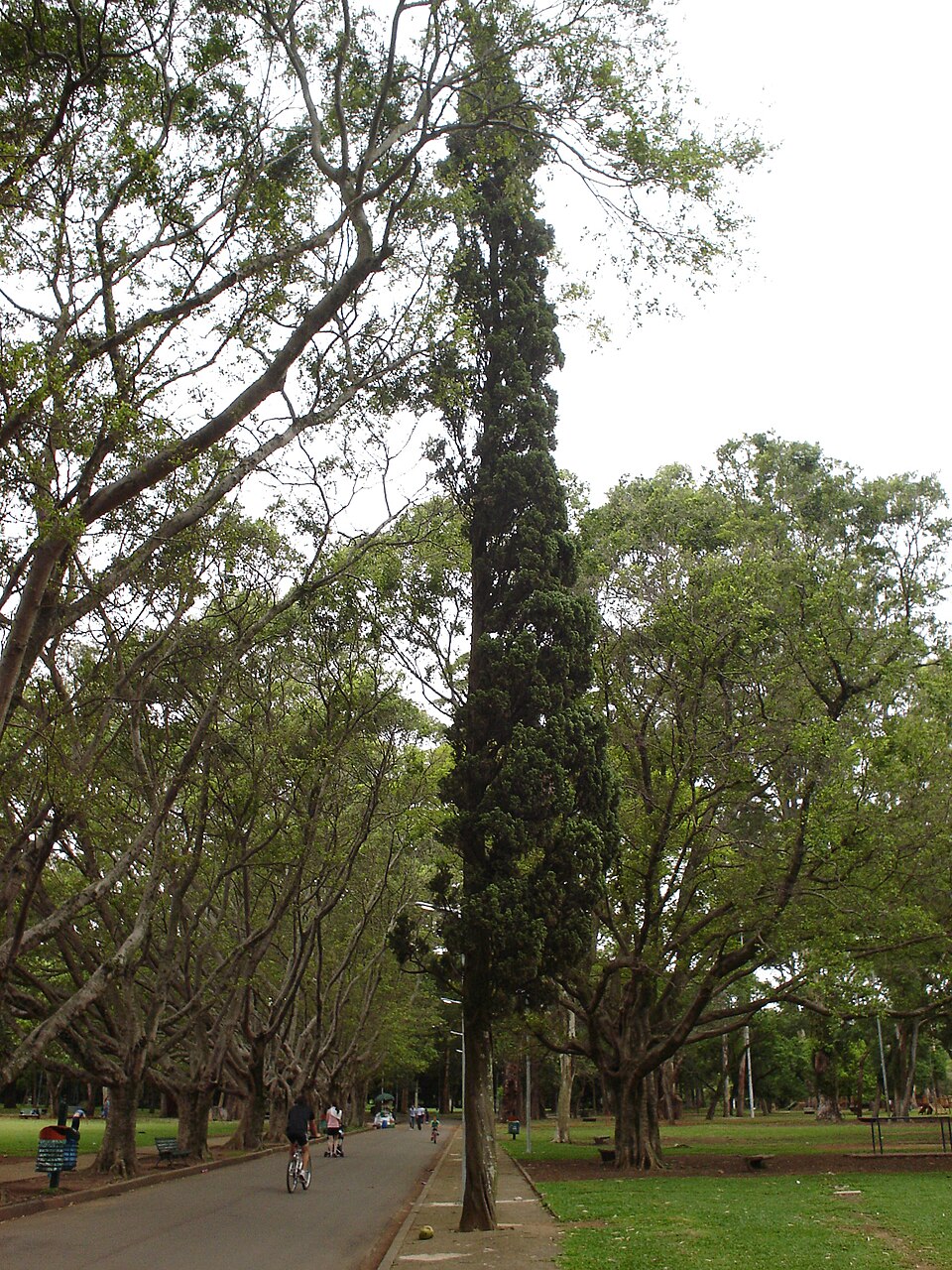
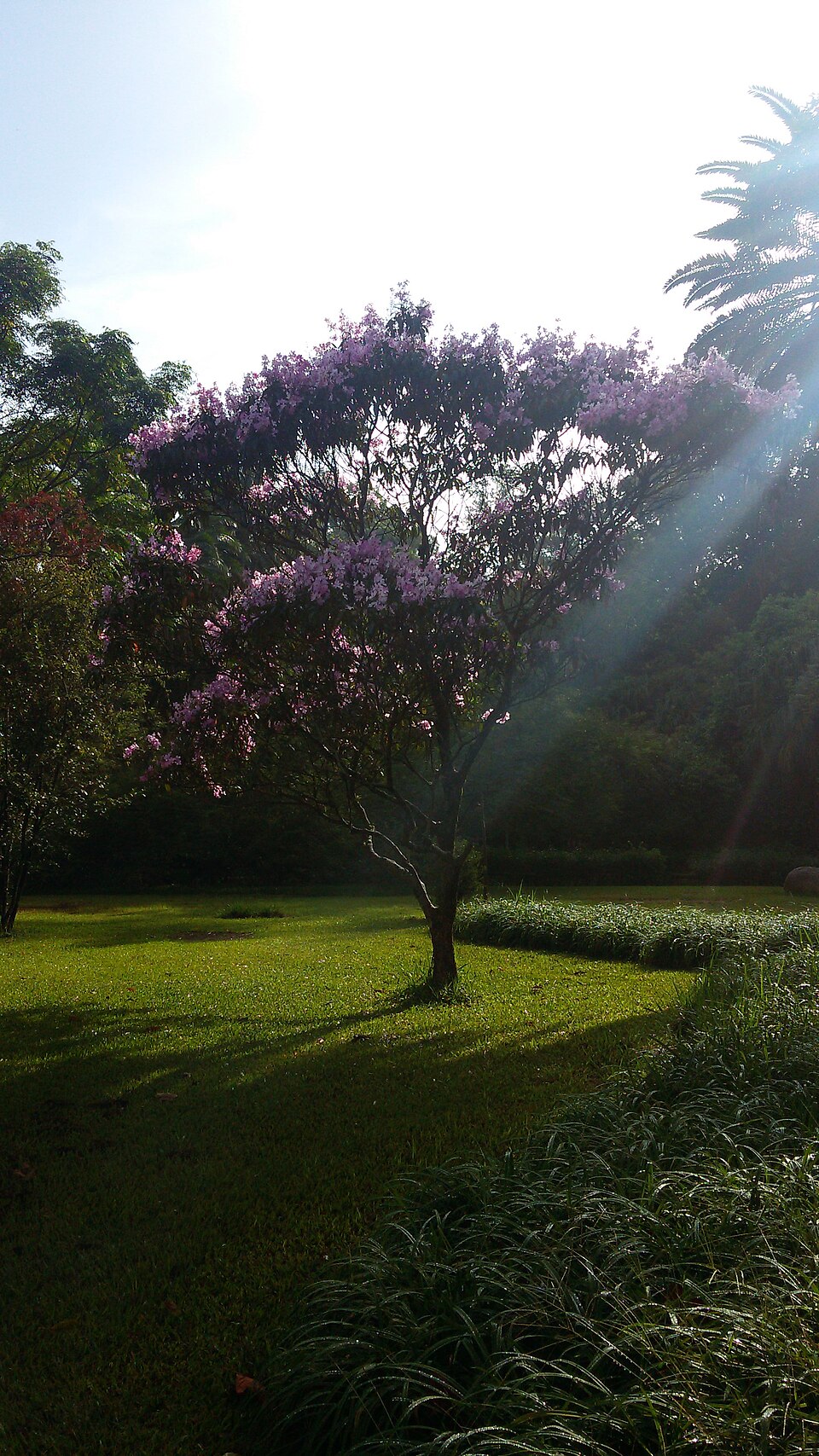
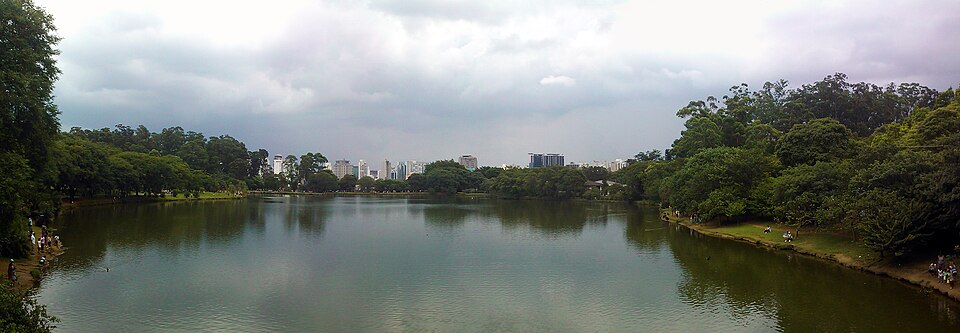
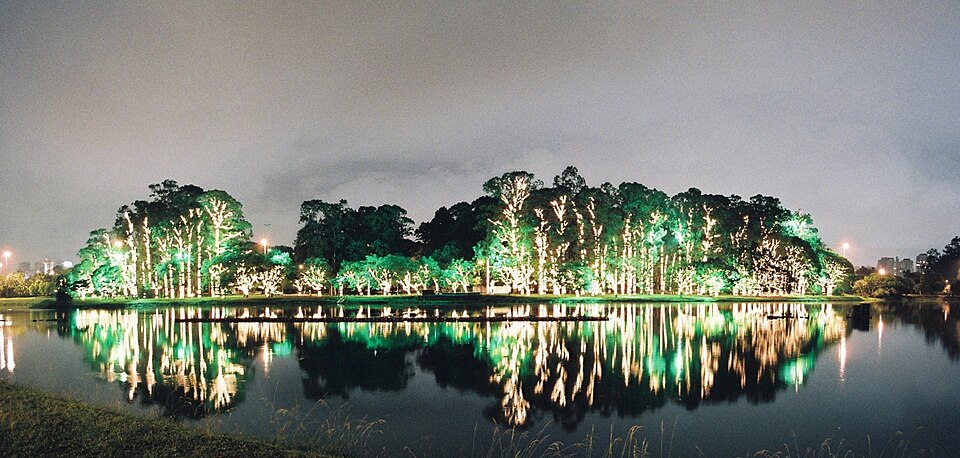
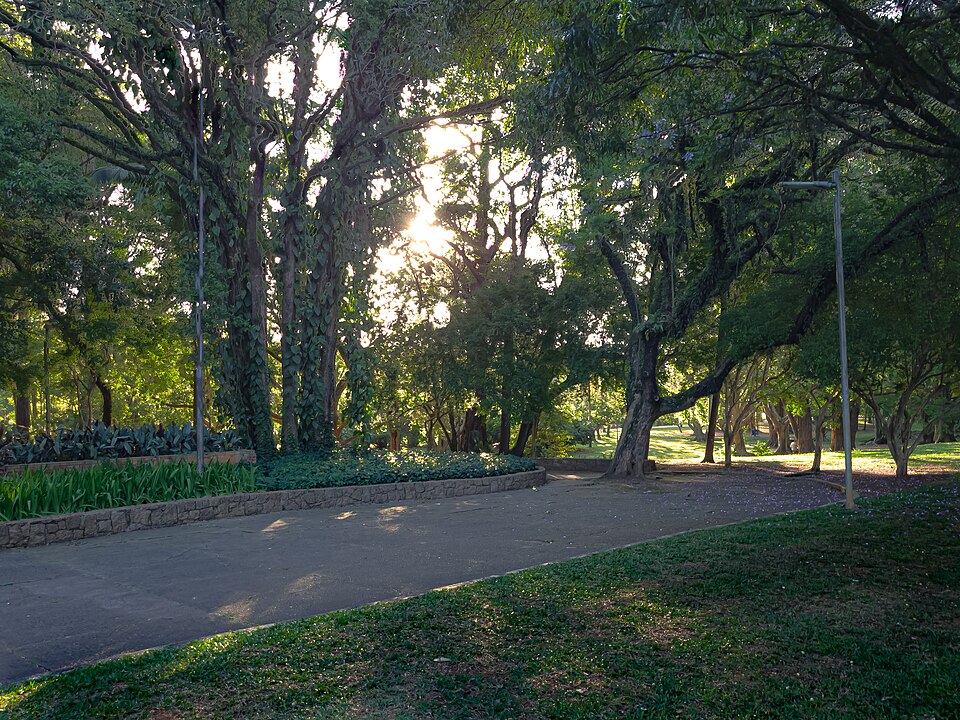
The park contains several architecturally significant buildings designed by Oscar Niemeyer, including the Museum of Modern Art building, the Afro Brazil Museum, the Oca exhibition pavilion, and the Ibirapuera Auditorium. A large lake sits near the center. Monument to the Bandeiras by Victor Brecheret stands prominently. The Japanese Pavilion and various other monuments and sculptures are distributed throughout. Multiple paved paths accommodate pedestrians and cyclists. Lawns, tree groves, and landscaped gardens designed by Burle Marx provide green space. The park hosts frequent public events, though specific programming schedules are Not recorded.
Visitors typically spend between two and four hours exploring the park's main features, though dedicated architecture enthusiasts or those attending events may stay longer. A casual walk covering the central lake, main monuments, and a few buildings requires approximately ninety minutes. Those wishing to enter museums should allocate additional time per institution. The park's extensive path network permits shorter visits for exercise or relaxation. Full appreciation of the modernist landscape design demands unhurried observation. Personal pacing, weather conditions, and crowd levels will influence individual visit duration significantly.
The park operates as public space with variable accessibility depending on time and season. São Paulo's climate features mild winters and warm, rainy summers. Morning hours generally offer reduced crowding and more comfortable temperatures during warmer months. Weekend afternoons attract substantial local visitation. Operator-confirmed hours are Not recorded pending review. Visitors should verify current opening times through official municipal channels before planning. Rain can render unpaved areas muddy and may affect outdoor events. The park's popularity for exercise means early mornings see consistent local use regardless of day.
General park access is free of charge. Individual museums and cultural institutions within the park boundaries may apply separate admission policies. Some exhibition spaces operate with free entry; others may charge fees for special exhibitions or permanent collections. Operator-confirmed prices are Not recorded pending review. Visitors should consult each institution directly regarding current admission policies. Special events or concerts held within the park may require tickets sold separately. No comprehensive centralized ticketing system exists for all park attractions. Budget-conscious visitors can experience the landscape architecture and outdoor monuments without expenditure.
The park is accessible via multiple transport modes. Several municipal bus lines serve surrounding streets. The nearest metro stations are Brigadeiro, Trianon-Masp, and Paraíso on Line 2-Green, plus Moema and AACD-Servidor on Line 5-Lilac, each requiring additional walking. Bicycle lanes connect to the park perimeter. Taxi and rideshare services can access multiple entry points. Private vehicles find limited parking in surrounding areas, with congestion common during peak periods and events. The park's elongated shape means entry point selection significantly impacts walking distance to desired attractions. Signage varies in clarity between gates.
Personal belongings require vigilant attention due to reported opportunistic theft in crowded areas. Isolated sections of the park, particularly after dark, warrant caution; visitors should assess safety conditions based on visible activity and lighting. Cycling paths intersect with pedestrian zones, creating collision risks where inattentive behavior occurs. The lake perimeter lacks continuous barriers in all locations. Event days produce extreme crowding and altered traffic patterns. Weather changes rapidly in São Paulo; afternoon thunderstorms develop without extensive warning. Medical facilities are not immediately adjacent to all park areas. Visitors with mobility limitations should verify path surfaces and building accessibility in advance.
The modernist architecture and landscaped gardens offer substantial photographic interest. Morning and late afternoon light provide favorable conditions for building photography, reducing harsh shadows on white concrete surfaces. The Monument to the Bandeiras and lake reflections are frequently photographed compositions. Drone operation likely requires municipal permits and should not be assumed permitted. Tripod use in museum interiors may face restrictions. Weekend crowds complicate clean architectural shots. The park's popularity means distinctive perspectives require patience or early arrival. Commercial photography or organized shoots may require advance authorization from park administration. Respect signage indicating restricted areas.
Checked 2026-08-26
Common questions
Is the park safe to visit for Ibirapuera Park in Sao Paulo?
Visitors should exercise standard urban park precautions. Daytime visits to populated areas generally proceed without incident. After-dark visitation requires individual risk assessment. Reported theft occurs; secure valuables and maintain awareness of surroundings.
Can I bring food and have a picnic for Ibirapuera Park in Sao Paulo?
The park contains lawns and seating areas where informal food consumption occurs. Specific regulations governing organized gatherings, grilling, or alcohol consumption are Not recorded. Visitors should observe posted rules and remove all refuse.
Are bicycles available for rent inside the park for Ibirapuera Park in Sao Paulo?
Bicycle rental availability within park boundaries is Not recorded. São Paulo operates municipal bike-sharing with stations near but not confirmed within the park perimeter. Many visitors arrive with personal bicycles.
Is the park accessible for wheelchair users for Ibirapuera Park in Sao Paulo?
Paved paths exist throughout major areas, though surface quality and gradient vary. Individual buildings maintain separate accessibility standards. Visitors with specific mobility requirements should verify current conditions directly with intended destinations.
Are guided tours available for Ibirapuera Park in Sao Paulo?
Formal guided tour availability through park administration is Not recorded. Some museums may offer scheduled tours. Self-guided exploration using available maps and signage represents the standard visitor experience.
Can I swim in the lake for Ibirapuera Park in Sao Paulo?
Swimming in the park lake is Not recorded as permitted activity. The lake functions primarily as landscape element and stormwater feature. No swimming infrastructure or lifeguard services are documented.
Nothing non-essential is set before you choose, in regions where consent is required. If you decline, ads still appear but they are non-personalised, and analytics is switched off entirely.

.jpg)

_A_Day_at_the_Park_(5294478652).jpg)
.jpg)
